what is the purpose of a heatsink?
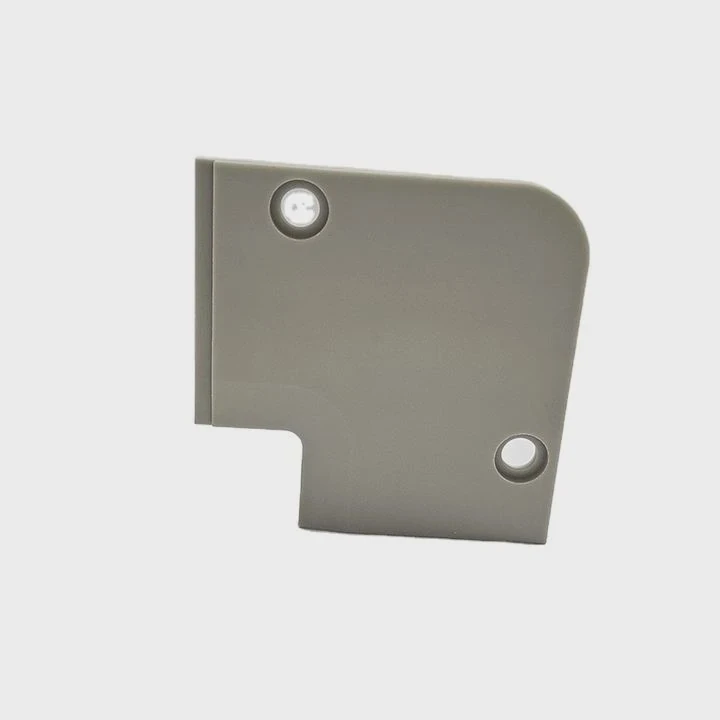
I often meet new builders who ask why every device seems to need a heatsink. I asked the same question when I started working with basic electronics and felt the warmth rising from small chips.
A heatsink spreads heat from a hot component into a larger surface so air can remove it faster, which keeps the part stable, safe, and performing at its intended speed.
I want to share the simple ideas that helped me understand why heatsinks matter and how they protect the devices we use every day.
Why components generate heat?
Electronic parts handle power. When power flows through them, some of it becomes heat. This is normal, but too much heat can harm the part or make it slow down.
Components generate heat because electrical resistance, switching activity, and power load turn part of the energy into heat, especially in CPUs, GPUs, regulators, and memory chips.
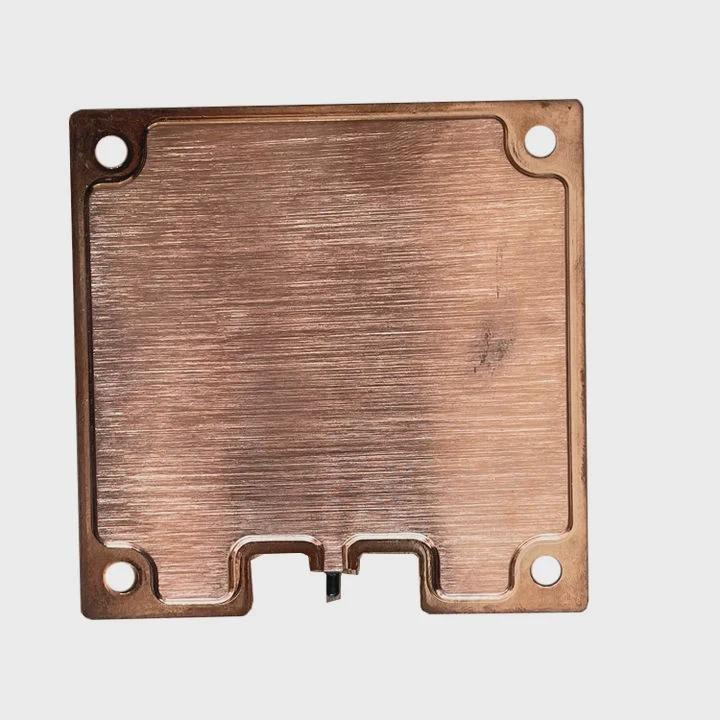
When I first built a small computer, I placed my hand on the CPU area after a long session. I felt clear warmth on the board. This taught me that every chip has to deal with heat, even at low power.
Main heat sources
| Component Type | Reason for Heat |
|---|---|
| CPUs and GPUs | High switching activity |
| Voltage regulators | Power conversion loss |
| Memory chips | Fast read/write cycles |
| Power transistors | Current flow resistance |
Why heat forms inside parts
The inside of a chip works like a tiny city of transistors. These transistors switch on and off millions of times per second. Each switch loses a tiny bit of energy. This loss becomes heat. When many switches happen at once, heat rises fast.
I saw this clearly when testing a small single-board computer under heavy load. The processor grew warm within seconds. The chip was not faulty. It was simply working hard.
Why heat hurts performance
Heat changes the speed of the transistor switches. When a chip becomes too warm, it may slow down to stay safe. This is called thermal throttle. Many devices use this method to protect themselves.
I once ran a game on a laptop for a long time. The CPU slowed down suddenly. This was not a bug. The heat limit forced the slowdown. This experience helped me see why cooling is important.
Why consistent temperature helps stability
Stable temperature keeps electrical signals clean. When parts stay cool, they produce fewer errors and remain stable. Heat swings can stress components. That is why I always try to keep my builds cool enough for long sessions.
How do sinks transfer heat?
A heatsink is a simple metal block with fins. It works by touching the hot part and moving heat away from it. The air around the sink then carries the heat out.
Heatsinks transfer heat by spreading it through a metal base, pushing it into fins, and releasing it into the air through conduction and convection.
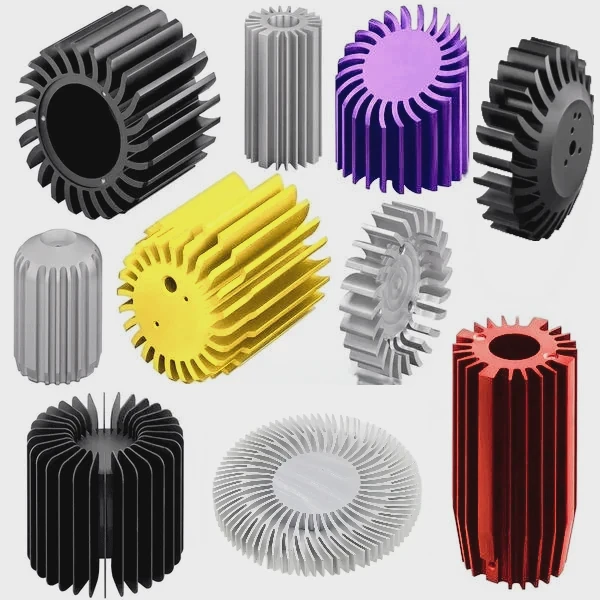
When I picked up my first heatsink, I wondered how such a simple part could cool a powerful chip. After testing it in different setups, I learned that its shape and metal choice make it effective.
Stages of heat transfer
| Stage | What Happens |
|---|---|
| Conduction | Heat moves from chip to heatsink base |
| Spread | Heat flows through the metal into the fins |
| Convection | Air picks up heat from fins and carries it away |
Why metal matters
Most sinks use aluminum or copper. These metals move heat fast. Copper moves heat faster but costs more. Aluminum is lighter and still effective. I tested both on small chips. Copper cooled faster but felt heavier. Aluminum cooled well enough for most tasks.
Why fins help cooling
The fins increase the surface area. More surface means more air contact. When air touches warm fins, it carries heat away. I once used a block without fins. It cooled a little, but not well. When I switched to a finned sink, the temperature dropped much faster.
Why contact quality matters
The bottom of the heatsink must touch the chip firmly. If there are gaps, air gets trapped. Air slows heat. That is why thermal paste or pads fill tiny gaps. When I added paste for the first time, I saw a big improvement.
How airflow completes the process
Once the fins hold the heat, the air must move it away. Even small airflow makes a big difference. I noticed this when I placed a quiet fan near a passive sink. The temperature dropped by several degrees.
Which shapes maximize cooling?
Heatsinks come in many shapes. Some are tall with thin fins. Some are short and wide. Each shape improves cooling in different ways.
Shapes that maximize cooling use many thin fins, wide surfaces, and clear airflow paths so heat spreads fast and air can carry it away efficiently.
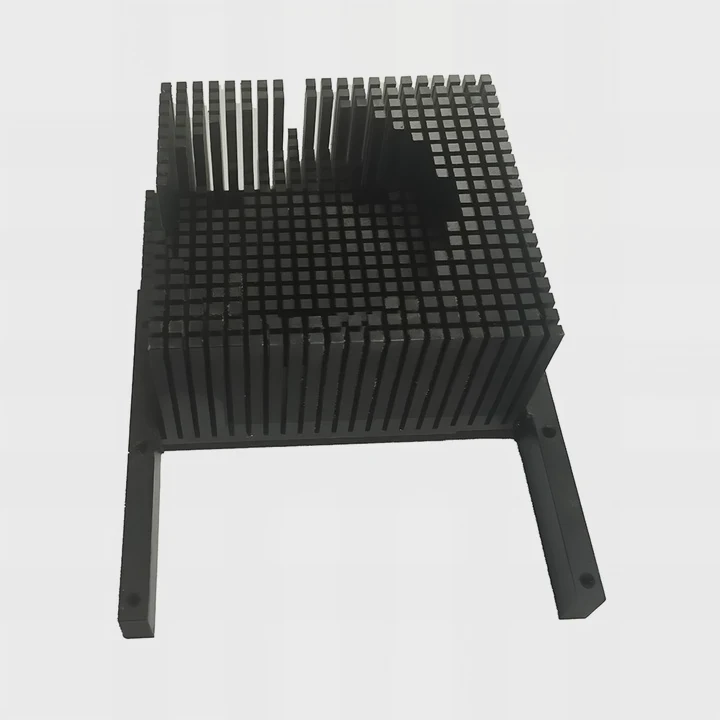
I used many shapes across different projects. I learned that shape matters as much as the metal.
Heatsink shape comparison
| Shape | Cooling Strength |
|---|---|
| Tall fins | High in open airflow |
| Wide base | Good for strong heat spread |
| Dense fins | Good with strong fans |
| Sparse fins | Good for passive cooling |
Why tall fins work well
Tall fins create more surface area. This helps when there is plenty of airflow. I used tall-fin sinks in open cases where fans move lots of air. They cooled very well.
Why wide bases spread heat better
A wide base gives more room for heat to spread before reaching the fins. This helps when the chip produces intense heat in one small spot. I used a wide-base sink on a small computer board and saw clear temperature drops.
Why thin fins need airflow
Thin fins cool well only when air moves between them. If the airflow is weak, thin fins trap heat. I learned this when I placed a dense-fin sink in a quiet case. The temperature stayed higher than expected.
Why passive sinks work best with open space
Passive cooling means no fan. A passive sink needs space around it so warm air can rise and leave. If the sink sits in a tight box, heat builds up. I once tried passive cooling in a cramped enclosure. It failed until I added more open space.
Do fans enhance dissipation?
Fans look simple, but they play a huge role in cooling. They move warm air away and bring fresh air in. This makes the heatsink work far better.
Fans enhance dissipation because moving air removes heat from the fins faster than still air can, allowing the heatsink to cool the component more effectively during heavy tasks.
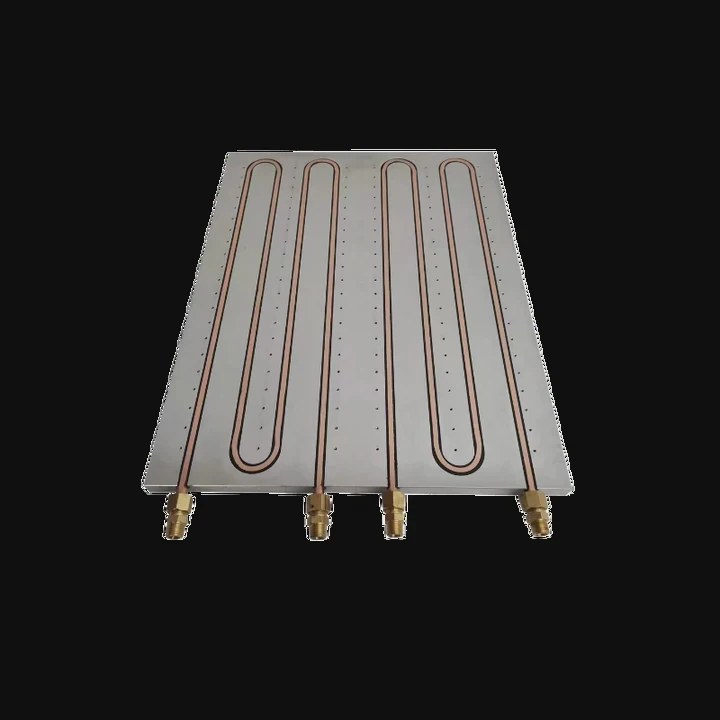
When I placed a fan near a warm part for the first time, I saw how quickly the temperature dropped. This taught me that airflow is one of the strongest tools for cooling.
Fan cooling effects
| Airflow Level | Cooling Result |
|---|---|
| Very low | Minimal improvement |
| Moderate | Good temperature drop |
| Strong | Large and fast cooling |
| Directed airflow | Best overall result |
Why fans help heatsinks
Fins hold heat for a moment before releasing it. Without air movement, the heat lingers. Fans push warm air away at once. This lets the heatsink pull new heat from the part. I saw this when I increased fan speed on a CPU cooler. The temperature fell quickly.
Why fan placement matters
A fan must aim at the sink. If the fan blows the wrong way, airflow becomes weak. I learned this when I placed a fan at a strange angle. It made noise but did little cooling. When I aligned it with the fins, the performance improved.
Why more fans are not always better
More fans do not always give better cooling. They can fight each other and trap air. I tested two fans placed too close. The airflow became messy. When I adjusted spacing, air moved smoothly again.
Why curves and speed settings help
Fan curves let you control how fast fans spin. I tune my curve so fans stay quiet at idle but respond fast under load. This keeps cooling strong when the device works hard.
Conclusion
A heatsink spreads heat, moves it into fins, and lets air carry it away. When matched with good airflow, it keeps components cool, stable, and ready for long work or play.
TAGS
Latest Articles

Volume discount levels for heat sink orders?
Buyers often ask when heat sink prices start to drop with volume. Many worry they’re overpaying for small orders. This guide explains how B2B volume pricing works for thermal components. Heat sink
21 Dec,2025
Heat sink long-term supply contract options?
Many buyers want stable pricing and reliable delivery for heat sinks. But without a clear contract, risks grow over time. This article explores how to secure better long-term supply deals. Long-term
21 Dec,2025
Tooling cost for new heat sink profiles?
Many engineers struggle to understand why tooling for custom heat sinks costs so much. They worry about budgeting and production timelines. This article breaks down the cost drivers behind tooling.
21 Dec,2025
Heat sink custom sample process steps?
Sometimes, starting a custom heat sink project feels overwhelming—too many steps, too many unknowns, and too many risks. You want a sample, but not endless delays. The process for requesting and
20 Dec,2025
Standard B2B terms for heat sink payments?
When buyers and sellers in B2B heat sink markets talk about payment, many don’t fully understand what’s standard. This can lead to delayed orders, miscommunication, and even lost business
20 Dec,2025
Heat sink pricing factors for large orders?
Heat sinks are vital for many systems. When prices rise, projects stall and budgets break. This problem can hit teams hard without warning. Large order heat sink pricing depends on many factors. You
20 Dec,2025Related Articles
- How to remove Intel heatsink?
- why isn't my heatsink fan working?
- how to case fan on heatsink?
- do i need heatsink for m 2 ssd?
- Will Samsung 990 Pro with heatsink fit in a laptop?
- how to remove an amd heatsink?
- how to install ps5 ssd with heatsink?
- what a good heatsink and cpu fan?
- how to make a heatsink more efficient?
- how long does heatsinks last on gaming pcs?
- Does LED strip need heatsink?
- How to reapply Intel heatsink Ivy Bridge?
Author
Dr. Emily Chen
Chief AI Researcher
Leading expert in thermal dynamics and AI optimization with over 15 years of experience in data center efficiency research.
Categories
Latest Products
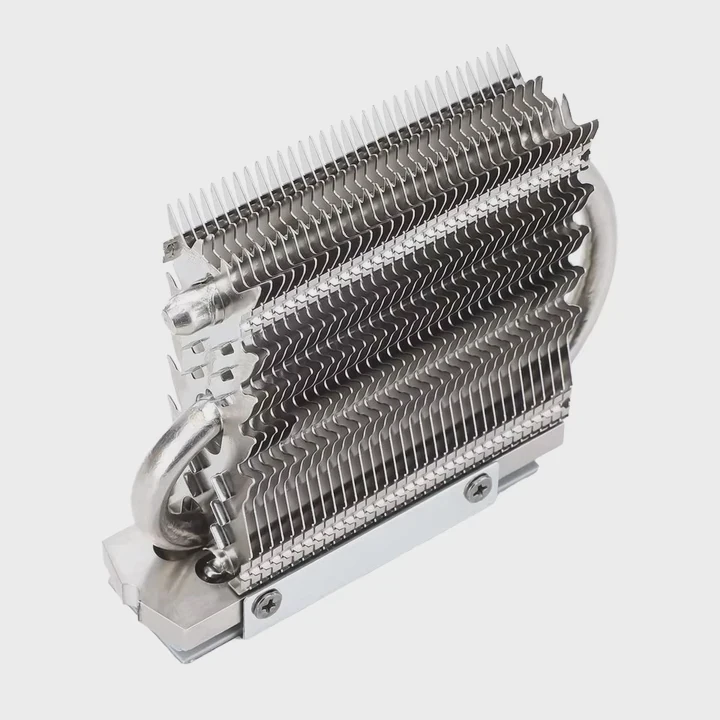
M.2 Heatpipe Heatsink With Dual Fans For Pc Case
19 Mar,2026
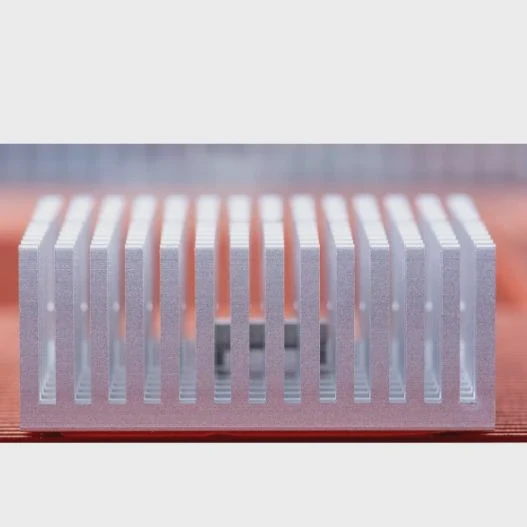
Heavy-Duty Aluminum Heat Sink Custom
19 Mar,2026
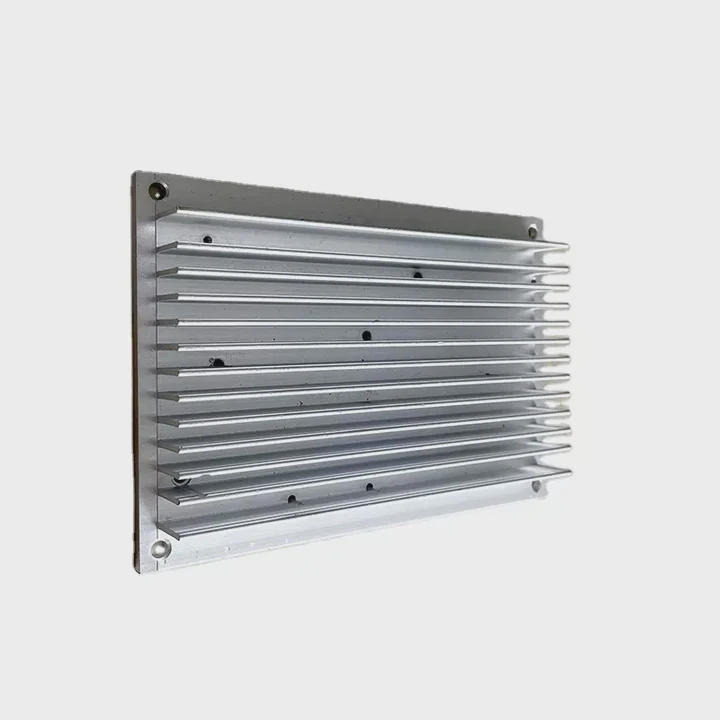
Oem Skived Fin Heatsink Aluminum Radiator For Plants
19 Mar,2026
Water Cooled Cnc Aluminum Heat Sink For Medical
19 Mar,2026
High Density 6000 Series Aluminum Heat Sink Profile
19 Mar,2026
High-Density Extruded Aluminum & Bonded-Fin Heat Sink Profile
19 Mar,2026
Recommend Categories
- Liquid cooling plate Manufacturer
- Industrial Heat Sink Manufacturer
- Standard Heat Sink Manufacturer
- Aluminum Heat Sink Manufacturer
- Copper Heat Sink Manufacturer
- Anodized Heatsink Manufacturer
- Stamping heat sink Manufacturer
- Die Casting Heatsink Manufacturer
- Soldering heat sink Manufacturer
- CNC Parts Manufacturer
Latest Products
- M.2 Heatpipe Heatsink With Dual Fans For Pc Case
- Heavy-Duty Aluminum Heat Sink Custom
- Oem Skived Fin Heatsink Aluminum Radiator For Plants
- Water Cooled Cnc Aluminum Heat Sink For Medical
- High Density 6000 Series Aluminum Heat Sink Profile
- High-Density Extruded Aluminum & Bonded-Fin Heat Sink Profile
- Dongguan Cnc Aluminum Heat Sink For Led & Brass Parts
- Wholesale Cnc Aluminum Heat Sink - Custom Extruded
- Led Cnc Round Heat Sink With Screw Holes
- Copper Pin-Fin Heat-Sink Large-Area For Photoled Cooling
- Telecom Heatsink Zipper Fin Wcopper Tubes Oem
Contact Expert
Have questions about this article? Reach out to our experts directly.