is a heatsink required for ps5?
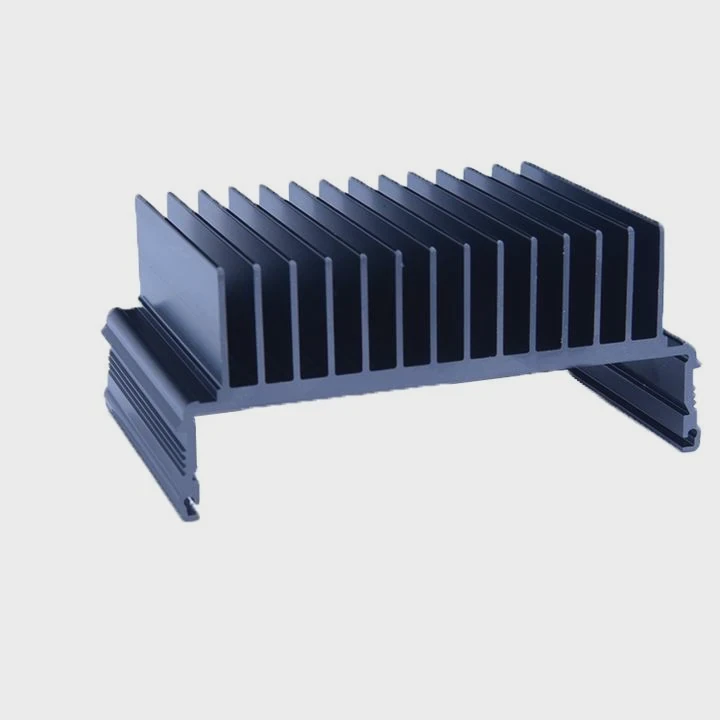
I remember the first time I upgraded my PS5 storage. I held the NVMe drive in my hand and wondered if the tiny chip really needed a heatsink. After installing several drives over time, I learned why cooling matters and why the right heatsink makes a real difference.
A heatsink is strongly recommended for a PS5 SSD because PS5 storage runs warm under heavy load, and proper cooling improves speed, stability, and long-term health.
I want to walk you through the ideas that helped me decide how to cool my own drive.
Why PS5 SSDs run hot?
I once tested a drive without a heatsink just to see what would happen. Within minutes, it became warm enough that I worried about throttling. That moment taught me how much heat these small chips produce.
PS5 SSDs run hot because fast NVMe drives handle high data rates, use dense flash chips, and process large workloads that create heat during long gaming or downloading sessions.
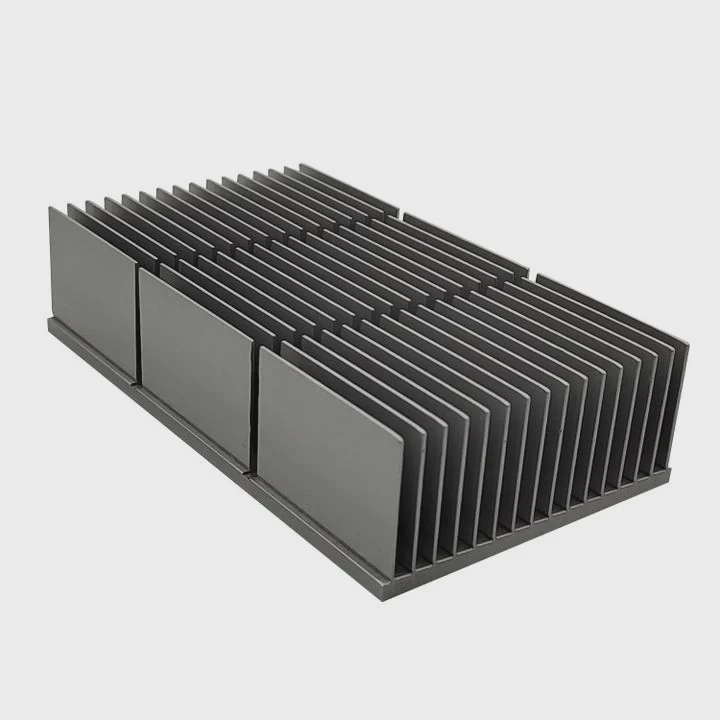
When I think about how a PS5 moves data, I picture a busy highway inside a small metal package. The console streams textures, audio, and game assets at extreme speeds. Each memory cell inside the SSD stores bits by shifting electrons, and this action creates heat. The controller chip on the SSD also becomes warm because it handles error checks, queue management, and traffic balancing. These tasks happen nonstop when games load or install.
How NVMe SSDs produce heat inside the PS5
Here is a simple table that explains what happens:
| SSD Component | Heat Behavior |
|---|---|
| Controller chip | Main heat source |
| NAND flash | Warms under load |
| DRAM cache | Adds slight heat during bursts |
The controller chip is the part I always watch. It runs the hottest, and it heats fast.
Why the PS5 environment adds extra heat
Enclosed space
The SSD bay sits inside a small chamber with limited open space.
Long game loads
Games stream assets from storage all the time.
High bandwidth
The PS5 requires fast PCIe Gen4 drives that naturally run warm.
These factors combine to make the SSD temperature rise.
What I see when SSD cooling is weak
When the drive warms up too much, I notice:
- Slightly slower load times
- Small pauses during heavy installs
- Fan noise from the console working harder
- Occasional burst throttling
The drive protects itself by reducing speed to stay safe. This is why I now use a proper heatsink every time.
Which slots accept larger sinks?
The first time I opened the PS5 expansion bay, I was surprised by how much space the slot actually had. But I also learned that not every heatsink fits.
The PS5 expansion slot accepts many larger heatsinks as long as they match the height limits inside the metal bay and fit under the SSD slot cover.
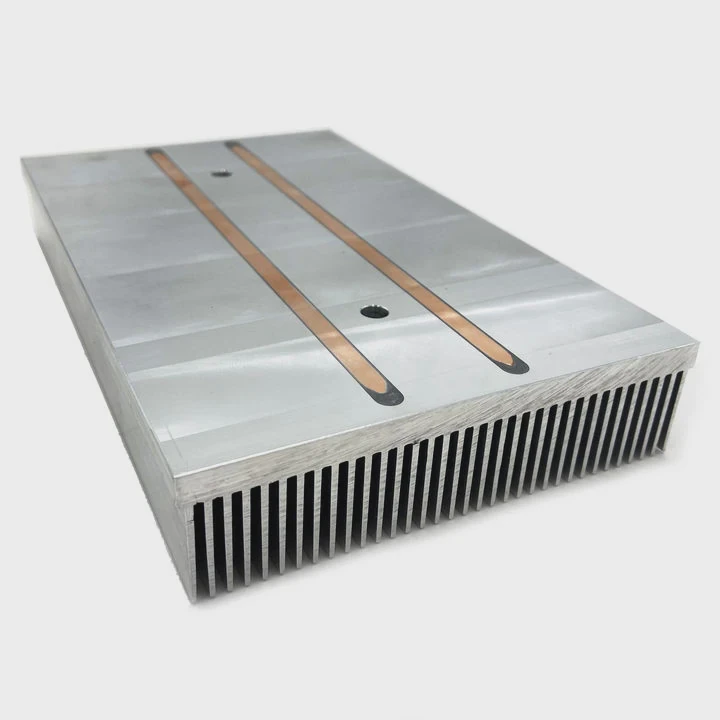
When I check a heatsink, I look at its height first. The PS5 has a metal cover that snaps over the storage slot. If the heatsink is too tall, the cover will not sit flat. Sony designed the slot so most “PS5-ready” heatsinks fit easily. But tall fins, giant blocks, or thick dual-layer sinks may hit the cover.
The height guidelines I follow
| Measurement | Requirement |
|---|---|
| Total height over SSD | Must fit under bay cover |
| Length | Must match M.2 size (usually 80 mm) |
| Width | Must not hit the screw rails |
Most heatsinks made for M.2 NVMe drives fall within these limits.
What fits the PS5 slot safely
Slim aluminum blocks
These sinks fit almost every model I have tested.
Medium-height finned sinks
Most of these fit under the cover with no trouble.
Models labeled “PS5 compatible”
These always fit because they follow Sony’s size rules.
What may not fit
I avoid:
- Very tall tower-style sinks
- Dual-stacked heatsinks
- Thick copper blocks designed for PCs
These options can push against the metal cover. I always close the cover gently to check for pressure. If it bends or tilts, the heatsink is too tall.
Why proper fit matters
A heatsink that touches the cover can rattle or push the SSD sideways. This can damage the connector. When the sink fits, the bay feels clean, and the SSD stays safe.
Can airflow cool drives enough?
Before I installed my first heatsink, I hoped airflow alone could cool the SSD. I tested it, and the temperature still climbed. That test taught me that airflow helps, but not enough on its own.
Airflow alone cannot cool PS5 SSDs enough because the expansion slot is enclosed and gets only limited air movement, so the drive needs a passive heatsink to stay stable.
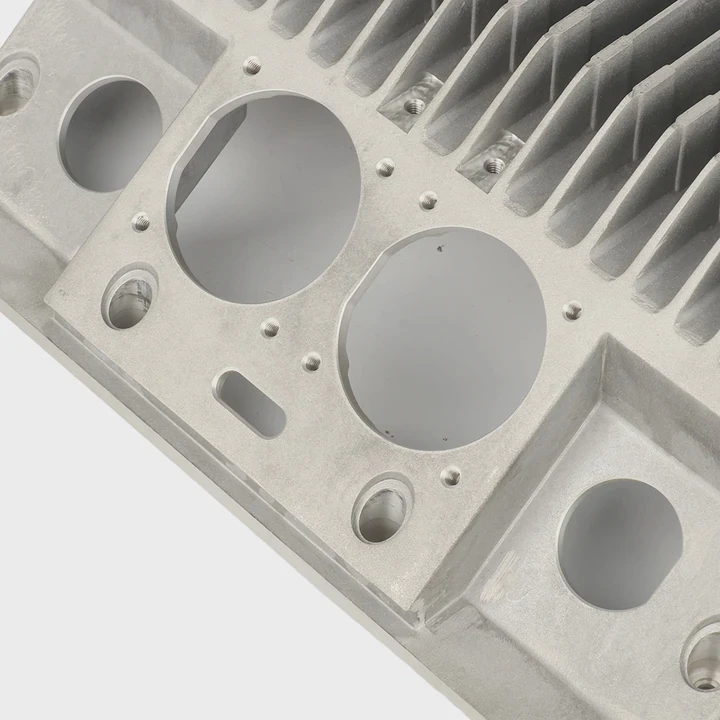
When I removed the SSD bay cover for a test, I noticed that air from the PS5 fan moved mostly across the main board, not directly across the SSD slot. The bay is like a small room with one door. Air enters slowly and leaves slowly. This means the heat from the SSD stays inside unless a heatsink helps absorb and spread it.
How airflow behaves in the PS5
Here is a simple comparison:
| Cooling Factor | Effect |
|---|---|
| System airflow | Light cooling only |
| Bare SSD | Heats quickly |
| SSD with heatsink | Stays stable under load |
The heatsink spreads heat across a larger metal surface. Even small airflow can then remove the heat.
Why airflow cannot replace a heatsink
Enclosed slot
The SSD sits in a small chamber with low airflow.
Weak flow direction
Air does not cross the SSD directly.
Fast workloads
Downloads, installs, and game transfers overload the drive.
These points show that airflow helps only when the SSD already has a heatsink.
What I see when using only airflow
When I tried a bare SSD:
- Temperature rose fast
- Downloads slowed down during long sessions
- The PS5 fan ran louder
- The SSD throttled at heavy moments
Once I added a heatsink, the temperature stayed steady across long gaming sessions. The difference felt huge.
When airflow helps most
A heatsink turns limited airflow into effective cooling. The metal surface spreads heat, and even a small breeze cools it. This simple combination works well inside the PS5.
Do tall sinks affect cover fit?
The first time I installed a heatsink that looked a bit taller than normal, I tried to close the metal bay cover. It pressed against the heatsink and lifted slightly. That moment taught me to check height carefully.
Tall heatsinks can affect the cover fit because the PS5’s expansion bay has strict height limits, and a tall sink can push against the metal cover or stop it from closing fully.
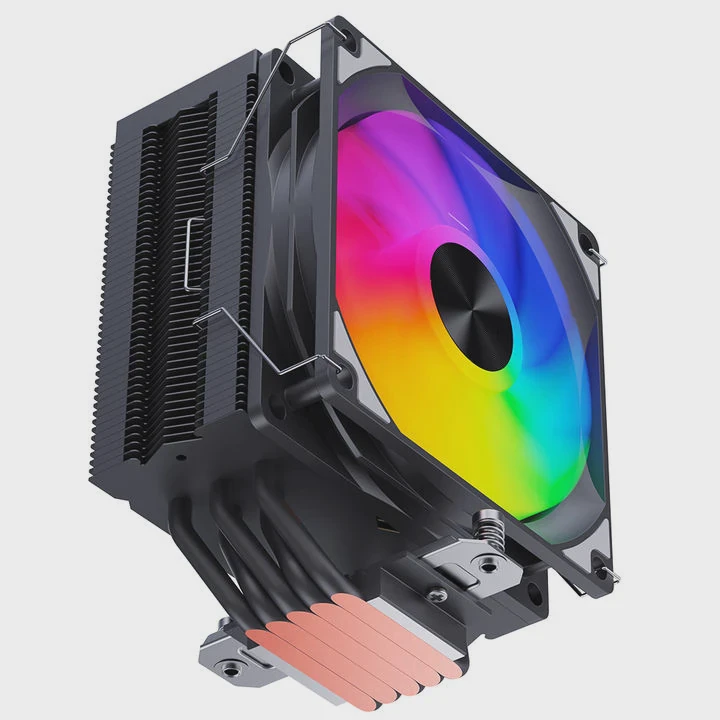
When the cover does not close smoothly, it tells me the heatsink is too tall. I never force the cover down because pressure can bend the SSD or damage the connector. A tall heatsink may cool better in a PC, but inside the PS5, it becomes a problem.
How tall heatsinks cause fit issues
Metal cover lifts
The cover may tilt or stay partially open.
Pressure on SSD
A tall sink can push down on the drive.
Heat buildup
If the cover cannot close, airflow patterns change.
These problems make tall sinks risky.
What I check before installing a tall sink
I follow a simple routine:
- I compare the sink height with the PS5 bay limit.
- I test-fit the heatsink without tightening the SSD screw.
- I close the bay cover gently to check for resistance.
- I open it again and confirm there is no pressure on the drive.
If I feel any pressure or scraping, I switch to a shorter sink.
Why the cover matters for cooling
The metal bay cover helps direct airflow around the SSD. When the cover fits properly, warm air leaves the chamber. If the cover is stuck or pushed up, airflow becomes uneven. Heat stays inside longer.
What I do when a tall sink almost fits
If the sink is very close to the height limit, I test the console with the cover on. If the PS5 makes noise from vibration or if the bay cover presses down, I replace the sink. A slim model always fits and cools well.
Tall heatsinks seem helpful at first, but inside the PS5 bay, they often cause more trouble than good.
Conclusion
A heatsink is strongly recommended for a PS5 SSD because the console runs drives hard, the slot has limited airflow, and proper cooling prevents throttling and noise. The right heatsink fits the bay, stays under the height limit, and keeps the system stable during long gaming sessions.
TAGS
Latest Articles

Volume discount levels for heat sink orders?
Buyers often ask when heat sink prices start to drop with volume. Many worry they’re overpaying for small orders. This guide explains how B2B volume pricing works for thermal components. Heat sink
21 Dec,2025
Heat sink long-term supply contract options?
Many buyers want stable pricing and reliable delivery for heat sinks. But without a clear contract, risks grow over time. This article explores how to secure better long-term supply deals. Long-term
21 Dec,2025
Tooling cost for new heat sink profiles?
Many engineers struggle to understand why tooling for custom heat sinks costs so much. They worry about budgeting and production timelines. This article breaks down the cost drivers behind tooling.
21 Dec,2025
Heat sink custom sample process steps?
Sometimes, starting a custom heat sink project feels overwhelming—too many steps, too many unknowns, and too many risks. You want a sample, but not endless delays. The process for requesting and
20 Dec,2025
Standard B2B terms for heat sink payments?
When buyers and sellers in B2B heat sink markets talk about payment, many don’t fully understand what’s standard. This can lead to delayed orders, miscommunication, and even lost business
20 Dec,2025
Heat sink pricing factors for large orders?
Heat sinks are vital for many systems. When prices rise, projects stall and budgets break. This problem can hit teams hard without warning. Large order heat sink pricing depends on many factors. You
20 Dec,2025Related Articles
- how to clean zalman cpu heatsink?
- can i use heatsink from i5 on i7?
- What is heatsink in computer?
- what to do if secondary heatsink is too high?
- how do heatsink launchers work?
- does gpu heatsink have liquid?
- can cpu run without heatsink?
- how to remove an amd heatsink?
- Will Samsung 990 Pro with heatsink fit in a laptop?
- do i need heatsink for m 2 ssd?
- how to case fan on heatsink?
- why isn't my heatsink fan working?
Author
Dr. Emily Chen
Chief AI Researcher
Leading expert in thermal dynamics and AI optimization with over 15 years of experience in data center efficiency research.
Categories
Latest Products
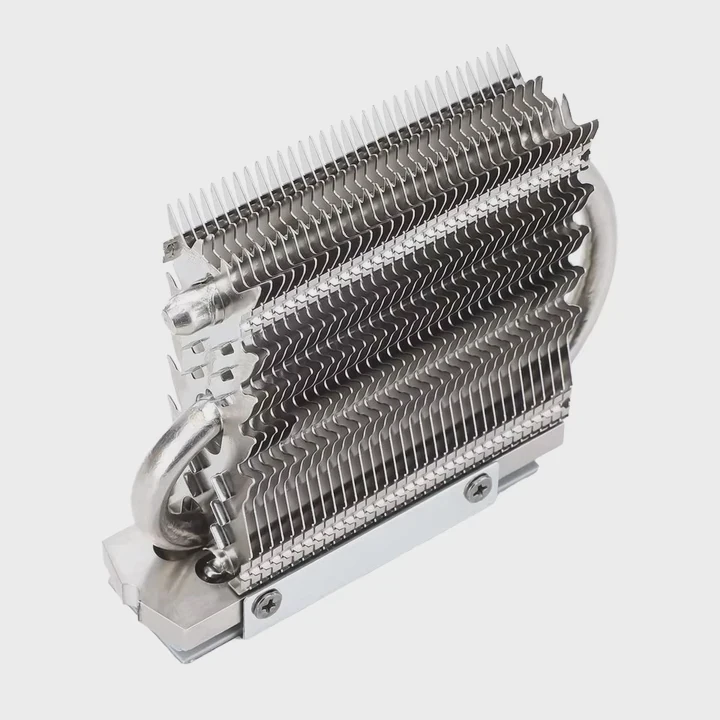
M.2 Heatpipe Heatsink With Dual Fans For Pc Case
19 Mar,2026
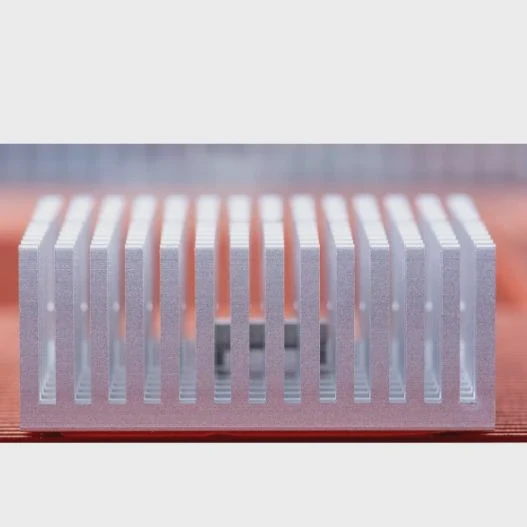
Heavy-Duty Aluminum Heat Sink Custom
19 Mar,2026
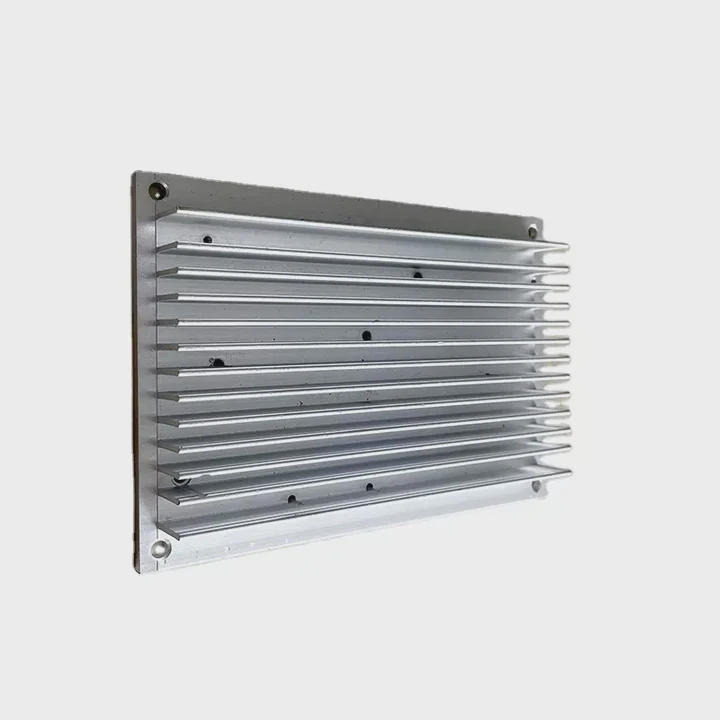
Oem Skived Fin Heatsink Aluminum Radiator For Plants
19 Mar,2026
Water Cooled Cnc Aluminum Heat Sink For Medical
19 Mar,2026
High Density 6000 Series Aluminum Heat Sink Profile
19 Mar,2026
High-Density Extruded Aluminum & Bonded-Fin Heat Sink Profile
19 Mar,2026
Recommend Categories
- Liquid cooling plate Manufacturer
- Industrial Heat Sink Manufacturer
- Standard Heat Sink Manufacturer
- Aluminum Heat Sink Manufacturer
- Copper Heat Sink Manufacturer
- Anodized Heatsink Manufacturer
- Stamping heat sink Manufacturer
- Die Casting Heatsink Manufacturer
- Soldering heat sink Manufacturer
- CNC Parts Manufacturer
Latest Products
- M.2 Heatpipe Heatsink With Dual Fans For Pc Case
- Heavy-Duty Aluminum Heat Sink Custom
- Oem Skived Fin Heatsink Aluminum Radiator For Plants
- Water Cooled Cnc Aluminum Heat Sink For Medical
- High Density 6000 Series Aluminum Heat Sink Profile
- High-Density Extruded Aluminum & Bonded-Fin Heat Sink Profile
- Dongguan Cnc Aluminum Heat Sink For Led & Brass Parts
- Wholesale Cnc Aluminum Heat Sink - Custom Extruded
- Led Cnc Round Heat Sink With Screw Holes
- Copper Pin-Fin Heat-Sink Large-Area For Photoled Cooling
- Telecom Heatsink Zipper Fin Wcopper Tubes Oem
Contact Expert
Have questions about this article? Reach out to our experts directly.