how to make a heatsink more efficient?
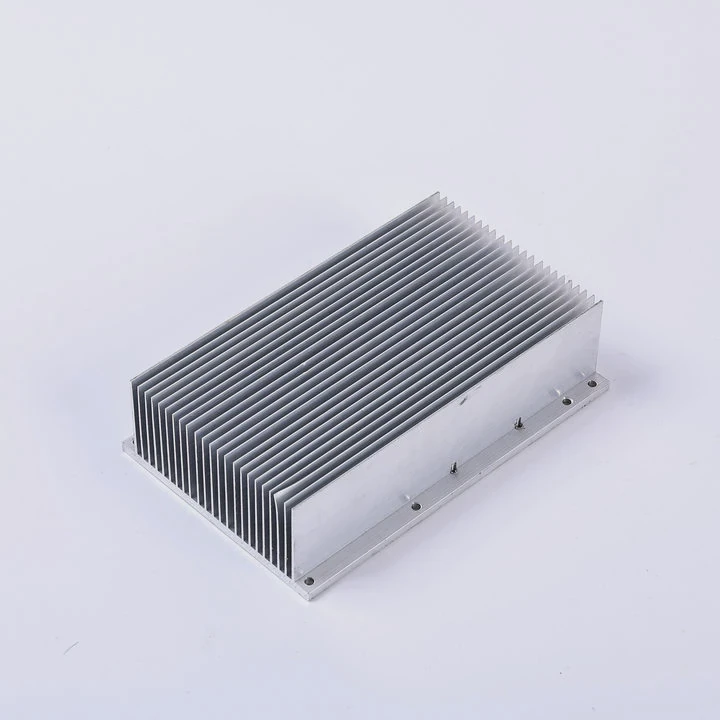
Many builders wonder why a heatsink that looks strong still runs warm under load. They fear they picked the wrong model, but small changes can boost cooling a lot.
You can make a heatsink more efficient by improving its base contact, shaping clean airflow, adding fin surface, and using better materials that spread heat faster.
I want to show the simple steps that helped me raise cooling performance without buying a new cooler. I still remember the first time I polished a rough base and saw the CPU temperature drop several degrees. That small win taught me how powerful tiny changes can be.
Why polishing base improves contact?
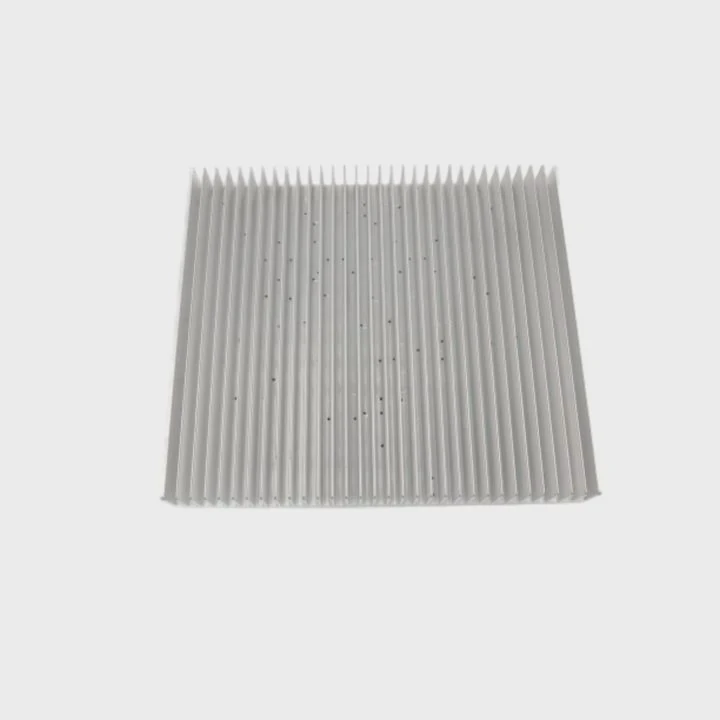
Many people think a shiny base means good contact, but looks can hide uneven spots. A heatsink base touches the CPU through paste. If the base is rough or uneven, the paste becomes thick, and the heat must travel through more material.
Polishing the base improves contact because a flatter surface needs less paste, fills smaller gaps, and moves heat more directly from the CPU to the heatsink.
I learned this when I tested a cooler that had small grooves in its base. The paste layer grew thick. After I polished the base lightly, the surface became flatter. The paste spread thinner. The temperature drop surprised me.
Why flat surfaces help
A flat base gives more real contact area. Real contact lowers thermal resistance. The heat moves in a straight path. The paste becomes only a thin filler.
Simple base quality table
| Base Condition | Effect on Contact | Result |
|---|---|---|
| Rough surface | Thick paste layer | Higher temps |
| Semi-flat | Moderate paste layer | Stable temps |
| Polished flat | Thin paste layer | Lower temps |
This shows how a small finish change improves cooling.
How I polish a base safely
I place fine sandpaper on a flat board. I move the heatsink gently in straight strokes. I avoid pressing hard. I clean the metal dust. I stop when the surface looks even, not mirror-perfect. I do not remove too much metal. The goal is flatness, not shine.
Why paste matters after polishing
A polished base still needs paste. The paste fills micro gaps. I use a thin dot and let pressure spread it. A polished surface plus a thin layer helps heat jump into the fins faster.
Which airflow paths boost cooling?
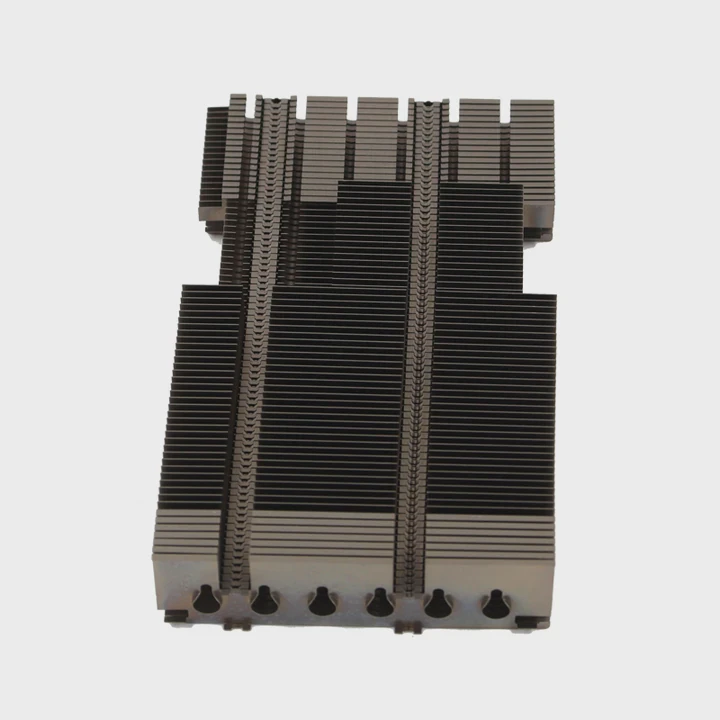
Many builders add fans but still see warm temperatures. The problem often comes from air paths. Air can move in strange ways inside a case. If the heatsink does not get fresh air, it cools poorly.
Airflow paths boost cooling when cool air enters the fins in a straight line and warm air leaves the case without swirling back toward the heatsink.
I learned this when I changed a rear fan inside a cramped case. The airflow improved, and the heatsink temperature dropped. The cooler itself did not change, but the air path did.
Why fresh air matters
Heatsinks cool by moving heat into air. Warm air cannot take more heat. So the cooler needs a steady flow of fresh air. Any blockage stops the flow and raises temperature.
Airflow path table
| Air Path | Result | Notes |
|---|---|---|
| Front → Back | Best | Smooth line |
| Bottom → Top | Good | Works in open cases |
| Side swirl | Poor | Warm air returns |
This shows why direction matters.
How I shape airflow
I place a front fan to pull cool air in. I place a rear fan to push warm air out. I keep cables neat so air moves freely. I position the CPU fan to match the case flow. When all fans work together, the heatsink runs cooler.
When airflow fixes hotspots
Sometimes the cooler is strong, but the case traps air. When I add a single intake fan, the CPU temperature drops. This proves that air path, not cooler size, was the problem.
Can more fins improve convection?
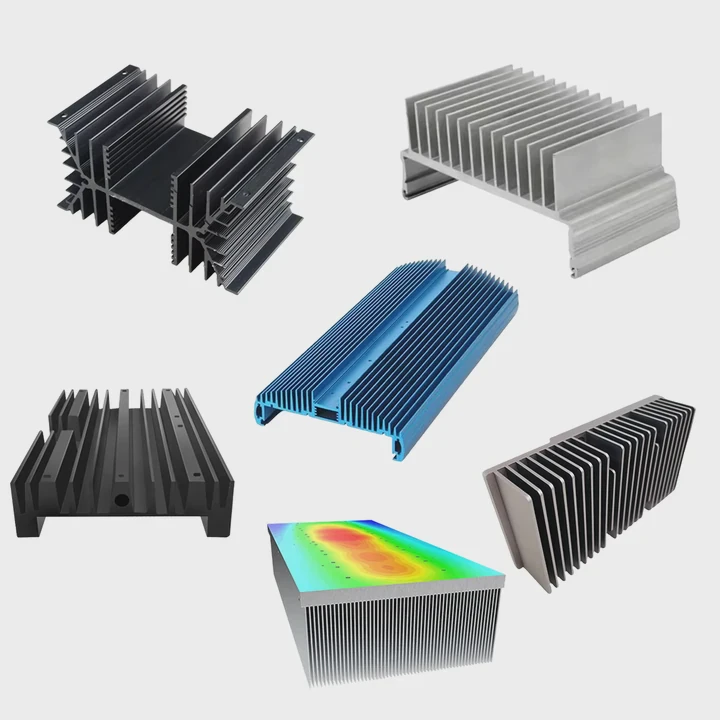
Many people think more fins always help. But fins need airflow. If fins become too dense, air slows down. If fins become too few, the surface shrinks. The goal is balance.
More fins can improve convection when airflow is strong enough to pass through them, so the heatsink gains surface area without causing air blockage.
I learned this when I tested two tower coolers. One used dense fins. One used wider spacing. The dense one cooled better on a strong fan. The wide one cooled better on a slow fan. This taught me to match fin count to airflow.
How fins create surface area
Fins are the main area where heat enters the air. More fins mean more area. More area means more cooling. But only if air can pass through cleanly.
Simple fin behavior table
| Fin Density | Airflow Need | Ideal Use |
|---|---|---|
| Low | Low airflow | Silent builds |
| Medium | Medium airflow | Balanced builds |
| High | Strong airflow | Performance builds |
This helps match fan type to fin count.
Why fin shape matters
Some fins use bends or curves to guide air. Some use slots to reduce resistance. These shapes help air enter and leave cleanly. When air flows well, more fins help convection.
My check for fin use
I look through the heatsink toward the other side. If I can see light through the fins, airflow can pass. If the fins look like a solid wall, the cooler needs a strong fan.
Do materials change performance?
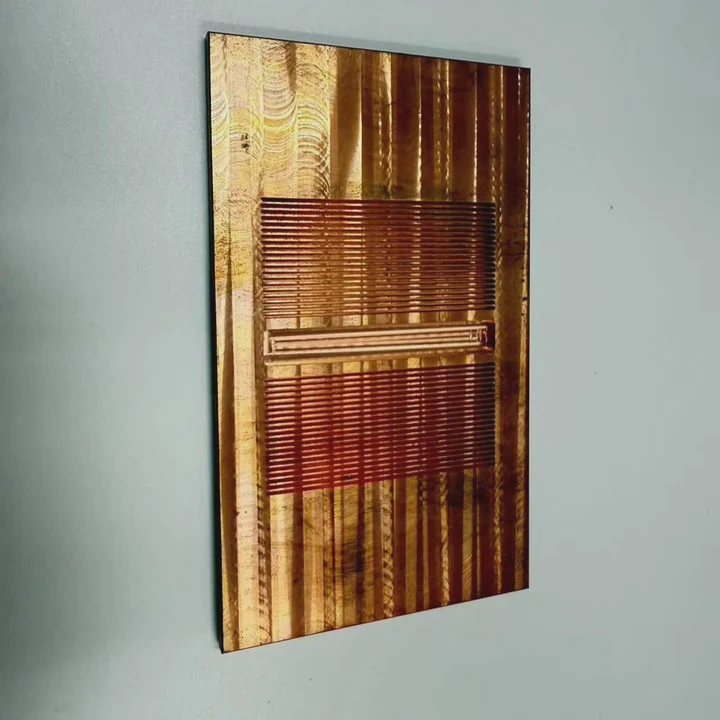
Many builders focus on size and fan speed but forget materials. Metal choice controls how fast heat moves from the base into the fins. Copper and aluminum behave differently. Some coolers mix both to get the best result.
Yes, materials change performance because copper moves heat faster, while aluminum releases heat into the air better, so mixed-metal heatsinks often balance both strengths.
I saw this when I tested two bases. The copper base pulled heat fast. The aluminum one warmed slower. But the aluminum fins cooled faster. A hybrid cooler worked best.
Material basics
Here is a simple table of common materials:
| Material | Heat Conduction | Weight | Best Use |
|---|---|---|---|
| Aluminum | Good | Light | Fins |
| Copper | Very good | Heavy | Base |
This explains why many coolers use copper heatpipes with aluminum fins.
Why copper bases help
Copper pulls heat out of the CPU fast. This stops hotspots. It spreads heat into the heatpipes and fins quickly. A copper base helps under heavy loads.
Why aluminum fins help
Aluminum is light and easy to shape. It releases heat into the air well. Fins made of aluminum cool fast, especially with good airflow.
My rule for choosing materials
If I want the best performance, I choose a heatsink with copper pipes and an aluminum fin array. This mix spreads heat fast and cools quickly.
Conclusion
A heatsink becomes more efficient when its base is flat, its airflow is smooth, its fins match the fan speed, and its materials spread heat well. These small improvements work together to lower temperatures and keep the system stable.
TAGS
Latest Articles

Volume discount levels for heat sink orders?
Buyers often ask when heat sink prices start to drop with volume. Many worry they’re overpaying for small orders. This guide explains how B2B volume pricing works for thermal components. Heat sink
21 Dec,2025
Heat sink long-term supply contract options?
Many buyers want stable pricing and reliable delivery for heat sinks. But without a clear contract, risks grow over time. This article explores how to secure better long-term supply deals. Long-term
21 Dec,2025
Tooling cost for new heat sink profiles?
Many engineers struggle to understand why tooling for custom heat sinks costs so much. They worry about budgeting and production timelines. This article breaks down the cost drivers behind tooling.
21 Dec,2025
Heat sink custom sample process steps?
Sometimes, starting a custom heat sink project feels overwhelming—too many steps, too many unknowns, and too many risks. You want a sample, but not endless delays. The process for requesting and
20 Dec,2025
Standard B2B terms for heat sink payments?
When buyers and sellers in B2B heat sink markets talk about payment, many don’t fully understand what’s standard. This can lead to delayed orders, miscommunication, and even lost business
20 Dec,2025
Heat sink pricing factors for large orders?
Heat sinks are vital for many systems. When prices rise, projects stall and budgets break. This problem can hit teams hard without warning. Large order heat sink pricing depends on many factors. You
20 Dec,2025Related Articles
- what a good heatsink and cpu fan?
- how to install ps5 ssd with heatsink?
- what is the purpose of a heatsink?
- How to remove Intel heatsink?
- why isn't my heatsink fan working?
- how to case fan on heatsink?
- how long does heatsinks last on gaming pcs?
- Does LED strip need heatsink?
- How to reapply Intel heatsink Ivy Bridge?
- should you replace stock heatsink?
- how to remove a processor and heatsink from motherboard?
- do you need to put thermal past when changing heatsinks?
Author
Dr. Emily Chen
Chief AI Researcher
Leading expert in thermal dynamics and AI optimization with over 15 years of experience in data center efficiency research.
Categories
Latest Products
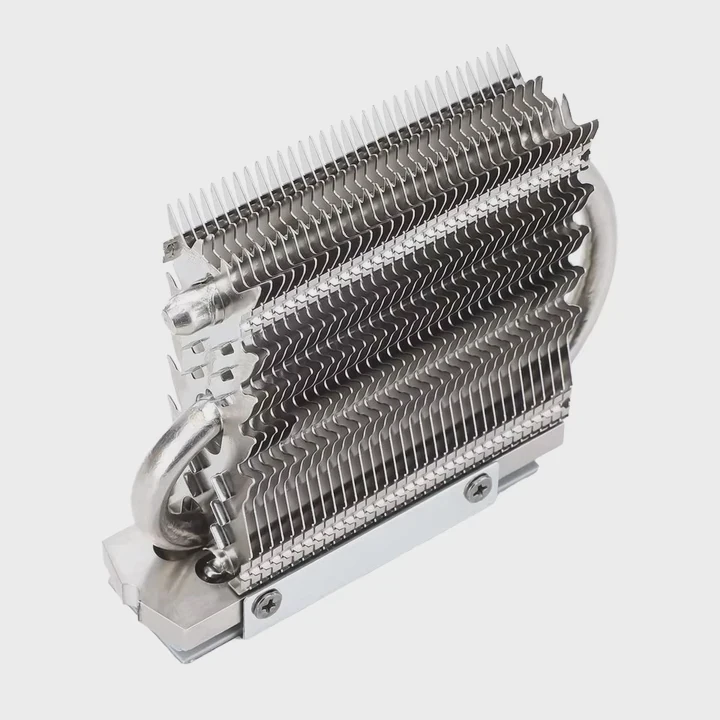
M.2 Heatpipe Heatsink With Dual Fans For Pc Case
19 Mar,2026
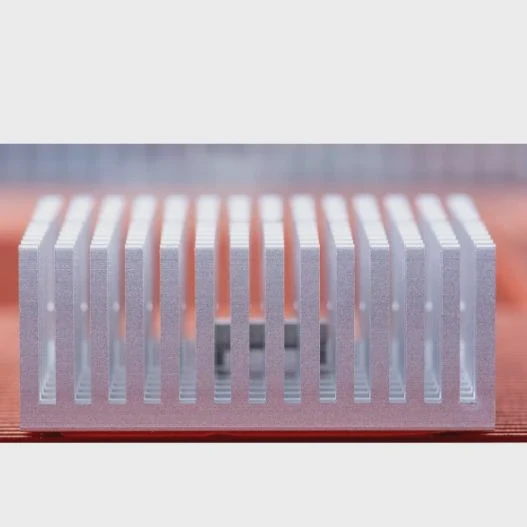
Heavy-Duty Aluminum Heat Sink Custom
19 Mar,2026
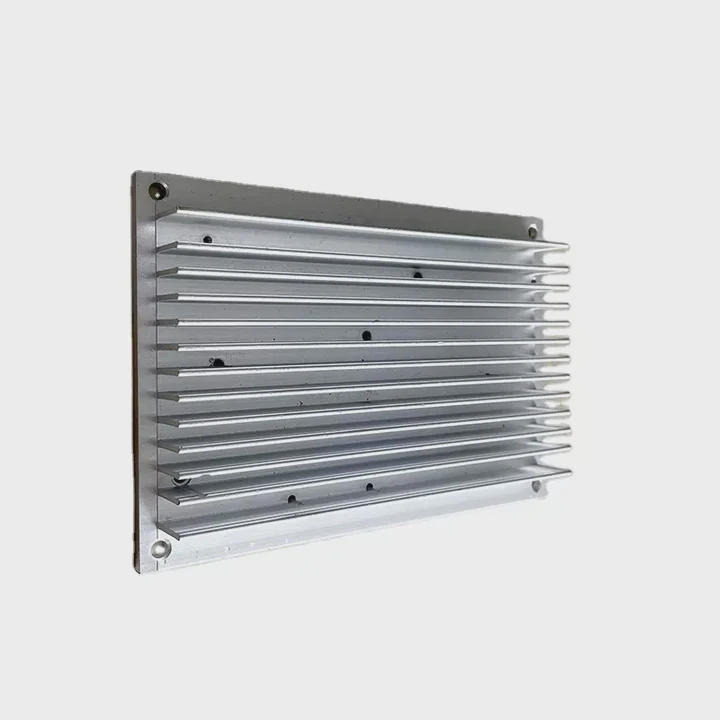
Oem Skived Fin Heatsink Aluminum Radiator For Plants
19 Mar,2026
Water Cooled Cnc Aluminum Heat Sink For Medical
19 Mar,2026
High Density 6000 Series Aluminum Heat Sink Profile
19 Mar,2026
High-Density Extruded Aluminum & Bonded-Fin Heat Sink Profile
19 Mar,2026
Recommend Categories
- Liquid cooling plate Manufacturer
- Industrial Heat Sink Manufacturer
- Standard Heat Sink Manufacturer
- Aluminum Heat Sink Manufacturer
- Copper Heat Sink Manufacturer
- Anodized Heatsink Manufacturer
- Stamping heat sink Manufacturer
- Die Casting Heatsink Manufacturer
- Soldering heat sink Manufacturer
- CNC Parts Manufacturer
Latest Products
- M.2 Heatpipe Heatsink With Dual Fans For Pc Case
- Heavy-Duty Aluminum Heat Sink Custom
- Oem Skived Fin Heatsink Aluminum Radiator For Plants
- Water Cooled Cnc Aluminum Heat Sink For Medical
- High Density 6000 Series Aluminum Heat Sink Profile
- High-Density Extruded Aluminum & Bonded-Fin Heat Sink Profile
- Dongguan Cnc Aluminum Heat Sink For Led & Brass Parts
- Wholesale Cnc Aluminum Heat Sink - Custom Extruded
- Led Cnc Round Heat Sink With Screw Holes
- Copper Pin-Fin Heat-Sink Large-Area For Photoled Cooling
- Telecom Heatsink Zipper Fin Wcopper Tubes Oem
Contact Expert
Have questions about this article? Reach out to our experts directly.