will a cob led fit on a socket a heatsink?
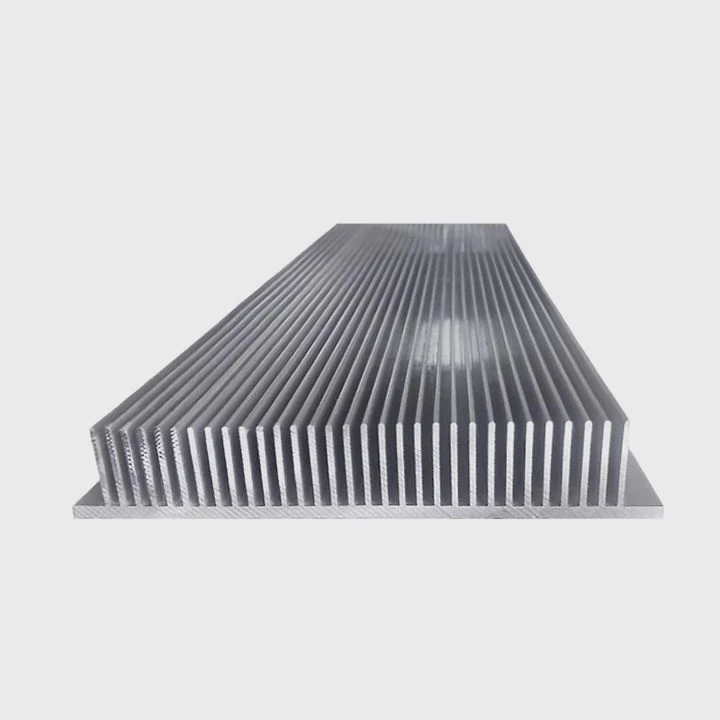
I see many people worry about fitting a COB LED onto a socket and a heatsink, and the confusion grows when parts do not match.
A COB LED can fit on a socket and a heatsink when the base size, screw pattern, and thermal contact area match, and when the heatsink can handle the heat load. A correct fit needs the right mechanical size, flat contact, and adequate cooling capacity.
I want to explain the simple rules that help me decide if a COB module fits well, so you can avoid mistakes that cause failure or poor performance.
Why match LED base size to sink area?
I know the frustration when the LED base looks right, but the heatsink surface is smaller, uneven, or the holes do not line up.
You must match the LED base size to the heatsink area because the LED needs full surface contact to move heat out. If the base is bigger than the sink surface, heat flow becomes weak and the LED runs hotter.
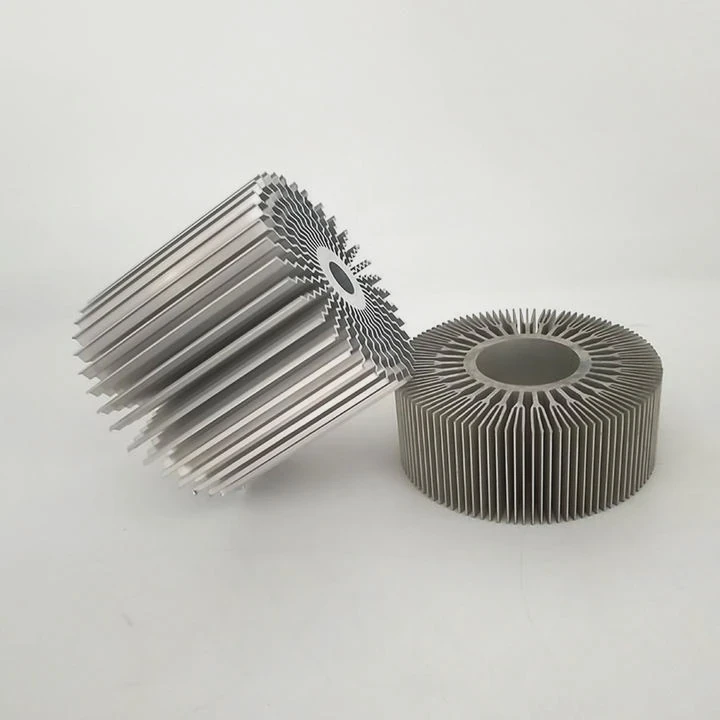
I want to go deeper into this question, because many people think size only matters for mounting. In fact, it matters much more for thermal performance.
Why area match matters
When I mount a COB module, I check if the aluminum or ceramic base can sit flat on the heatsink. A full match lets heat spread. A partial match makes heat pile up under the LED. That heat can move into the chip and raise junction temperature. A high junction temperature shortens LED life.
Mechanical fit table
I often compare parts with a simple checklist:
| Item | LED Base | Heatsink Surface |
|---|---|---|
| Contact area | Must fully cover | Must match or exceed LED base |
| Flatness | Very flat | Very flat with no dents |
| Screw pattern | Follow LED spec | Must match holes |
| TIM area | Same as base | Same as base |
Thermal transfer steps
Heat leaves the chip, passes through the substrate, moves into the base, spreads across the interface, then enters the heatsink. Every step depends on contact area and pressure. If the base hangs over the side of a small sink, the unsupported area does not move heat well. That unsupported area becomes a warm spot.
Design notes
I also check the size of the thermal pad or interface material. The pad must not be smaller than the LED base. A small pad creates an edge drop in heat flow. A pad that is too thick also weakens the transfer, because heat must travel through more material.
Final thoughts
When I first learned LED mounting, I used a heatsink that was too small. My LED ran fine for a few hours, then faded. The failure came from poor area contact. This taught me to match the LED base to the sink area every time.
How does wattage affect sink choice?
I see people choose heatsinks by their shape or brand name, but not by the wattage of the LED.
Wattage affects heatsink choice because higher watt loads create more heat that must move out of the LED. A higher-power COB LED needs a larger sink area, better fins, and stronger airflow.
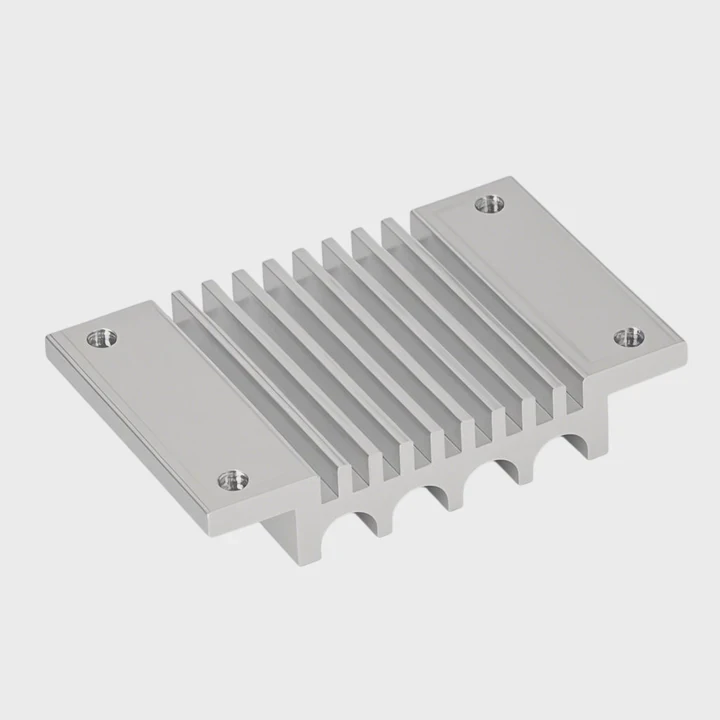
I think this is one of the most important ideas. Heat grows with wattage. A small sink may work for a 10W LED, but it cannot protect a 50W LED.
Why wattage matters
Wattage is the input power. All power that does not turn into light becomes heat. A high-power COB has many chips on one plate, and these chips make heat in a dense area. The sink must remove this heat fast. If the sink is too small, the LED runs hotter even at the same room temperature.
Typical thermal design guide table
| COB Power | Min Sink Mass | Suggested Cooling |
|---|---|---|
| 10–20W | Small fin sink | Passive |
| 30–50W | Medium sink | Passive or light fan |
| 50–100W | Large sink | Active fan |
| 100W+ | Very large sink | Forced airflow or liquid cooling |
How I plan heat flow
I check the LED’s thermal resistance from junction to case. Then I add the case-to-sink resistance, which depends on the thermal pad. Next, I choose a heatsink with low sink-to-air resistance. I want the total resistance to keep junction temperature below the rated limit at full load.
Importance of airflow
I often see sinks fail because the air is trapped. Even a large sink becomes weak if air cannot move. A fan helps push warm air away so the sink can keep working. For high-power COBs, I always design clear paths for intake and exhaust.
My own experience
Early in my work, I tested a 90W COB with a passive sink that looked large. But the sink had tight fins, so air did not move well. The LED overheated in 10 minutes. I switched to a sink with wider fins and added a small fan. The LED then ran stable for hours. This simple change showed me how wattage drives sink choice.
Can adapters help mounting LEDs?
Many people try to solve mounting problems with adapters when parts do not match in size or hole position.
Adapters can help mount LEDs when the base, screw pattern, or holder type does not match the heatsink, but they must be flat, stiff, and thermally stable. A poor adapter can block heat and create gaps.
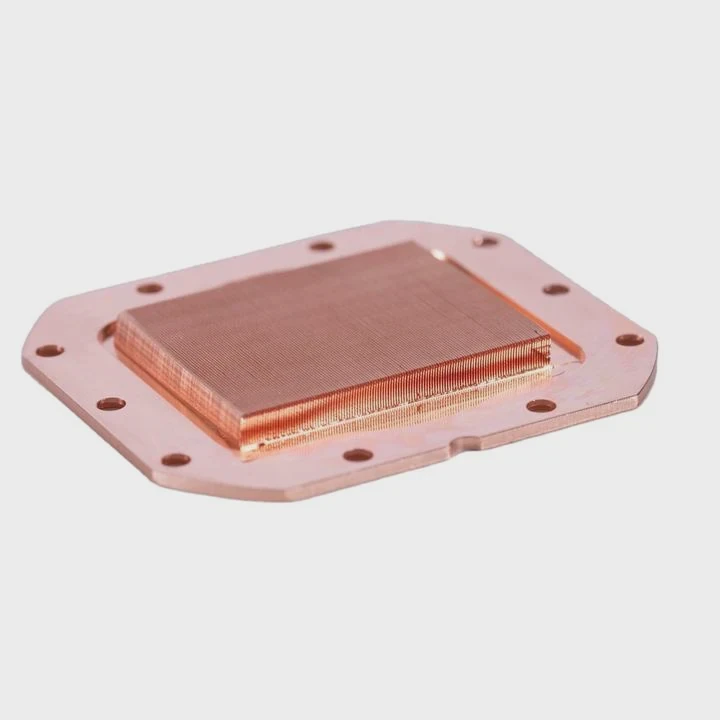
I want to explain this fully, because adapters look like an easy fix but can cause trouble.
When adapters help
Adapters help when the LED base is smaller than the sink surface, or when you need to shift screw holes. Some adapters are thin plates that spread pressure. Some include an LED holder that locks the COB in place. These solutions can make installation smoother.
Key points to check
An adapter must not bend. If it bends, the LED will not sit flat. The adapter must be made from aluminum or another conductive metal so it does not block heat. I avoid plastic adapters for high-power LEDs. A plastic part may handle screws, but it cannot move heat.
Adapter quality table
| Adapter Type | Good For | Not Good For |
|---|---|---|
| Metal plate | Hole match, stiff support | Very high power if too thin |
| COB holder | Fast mounting | Weak thermal path |
| Spacer ring | Leveling | Low thermal load only |
How adapters affect heat flow
Every extra layer adds thermal resistance. If the adapter is thick, heat must travel farther to reach the sink. If the adapter has poor surface finish, small gaps appear. These gaps slow the heat path and raise temperature at the LED base.
My test results
I once used a thin metal adapter to mount a mid-power COB. The LED ran well because the adapter was flat and well machined. But when I tried a plastic holder for a 50W COB, the LED ran hot even with a large sink. The holder blocked part of the base. After I removed the holder and mounted the LED directly with screws, temperature dropped by more than 10°C. This taught me to choose adapters with care.
Does uneven contact harm LEDs?
Many users guess that a small tilt or a tiny gap does not matter. But the truth is different.
Uneven contact harms LEDs because it raises thermal resistance at the interface. A small gap or tilt creates hot spots under the COB, which can shorten life and reduce brightness.
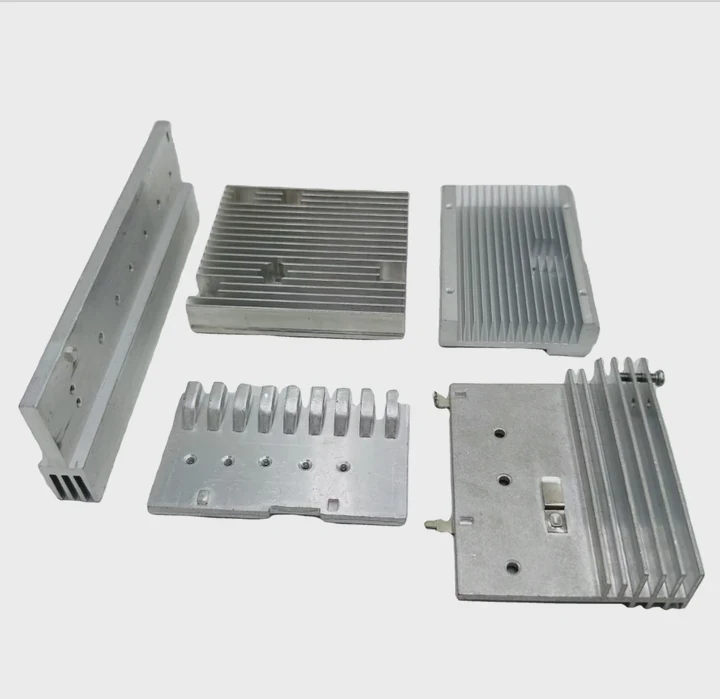
I want to show why flat contact is so important in real use.
What uneven contact looks like
Uneven contact can come from a bent heatsink, a bent LED base, or too much torque on one screw. Even a small bend can lift part of the LED off the surface. This creates an air gap. Air is a poor conductor, so heat piles up fast.
How I detect poor contact
I use a feeler gauge or try sliding thin paper under the LED base before tightening. If paper slides in, contact is poor. I also check the thermal pad. If the pad shows uneven compression after removal, pressure was not even.
Why gaps cause harm
Heat always tries to move through the shortest path. When a gap blocks that path, heat shifts to other parts of the chip. This creates stress. Stress can crack solder joints inside the LED. Stress can also shift colors, reduce lumen output, or cause failure after many cycles.
My story
I once installed a COB on a heatsink that had a small dent. I did not notice it at first. The LED worked, but after a few days I saw flicker. When I removed the LED, I found a brown mark on one side. That mark came from hot spots caused by uneven pressure. A new flat heatsink fixed the issue.
Conclusion
A COB LED can fit well on a socket and a heatsink when the size, wattage, contact, and mounting method match. Good thermal contact keeps the LED stable, bright, and long-lasting. Always check base size, sink capacity, adapters, and surface flatness before mounting.
TAGS
Latest Articles

Volume discount levels for heat sink orders?
Buyers often ask when heat sink prices start to drop with volume. Many worry they’re overpaying for small orders. This guide explains how B2B volume pricing works for thermal components. Heat sink
21 Dec,2025
Heat sink long-term supply contract options?
Many buyers want stable pricing and reliable delivery for heat sinks. But without a clear contract, risks grow over time. This article explores how to secure better long-term supply deals. Long-term
21 Dec,2025
Tooling cost for new heat sink profiles?
Many engineers struggle to understand why tooling for custom heat sinks costs so much. They worry about budgeting and production timelines. This article breaks down the cost drivers behind tooling.
21 Dec,2025
Heat sink custom sample process steps?
Sometimes, starting a custom heat sink project feels overwhelming—too many steps, too many unknowns, and too many risks. You want a sample, but not endless delays. The process for requesting and
20 Dec,2025
Standard B2B terms for heat sink payments?
When buyers and sellers in B2B heat sink markets talk about payment, many don’t fully understand what’s standard. This can lead to delayed orders, miscommunication, and even lost business
20 Dec,2025
Heat sink pricing factors for large orders?
Heat sinks are vital for many systems. When prices rise, projects stall and budgets break. This problem can hit teams hard without warning. Large order heat sink pricing depends on many factors. You
20 Dec,2025Related Articles
- how long let heatsink set before turning on computer?
- can you overclock ram without a heatsink on them?
- Is heatsink necessary for SSD?
- how to install ryzen heatsink?
- how to connect a heatsink to 7805?
- how to remove hyperx ram heatsink?
- Will Samsung 980 Pro with heatsink fit in a laptop?
- how to install new heatsink?
- do heatsink fans push air or pull air?
- can the fan of a cpu heatsink be replaced?
- can heatsinks be used on dell xps 13?
- How to use old heatsink?
Author
Dr. Emily Chen
Chief AI Researcher
Leading expert in thermal dynamics and AI optimization with over 15 years of experience in data center efficiency research.
Categories
Latest Products
M.2 Heatpipe Heatsink With Dual Fans For Pc Case
19 Mar,2026
Heavy-Duty Aluminum Heat Sink Custom
19 Mar,2026
Oem Skived Fin Heatsink Aluminum Radiator For Plants
19 Mar,2026
Water Cooled Cnc Aluminum Heat Sink For Medical
19 Mar,2026
High Density 6000 Series Aluminum Heat Sink Profile
19 Mar,2026
High-Density Extruded Aluminum & Bonded-Fin Heat Sink Profile
19 Mar,2026
Recommend Categories
- Liquid cooling plate Manufacturer
- Industrial Heat Sink Manufacturer
- Standard Heat Sink Manufacturer
- Aluminum Heat Sink Manufacturer
- Copper Heat Sink Manufacturer
- Anodized Heatsink Manufacturer
- Stamping heat sink Manufacturer
- Die Casting Heatsink Manufacturer
- Soldering heat sink Manufacturer
- CNC Parts Manufacturer
Latest Products
- M.2 Heatpipe Heatsink With Dual Fans For Pc Case
- Heavy-Duty Aluminum Heat Sink Custom
- Oem Skived Fin Heatsink Aluminum Radiator For Plants
- Water Cooled Cnc Aluminum Heat Sink For Medical
- High Density 6000 Series Aluminum Heat Sink Profile
- High-Density Extruded Aluminum & Bonded-Fin Heat Sink Profile
- Dongguan Cnc Aluminum Heat Sink For Led & Brass Parts
- Wholesale Cnc Aluminum Heat Sink - Custom Extruded
- Led Cnc Round Heat Sink With Screw Holes
- Copper Pin-Fin Heat-Sink Large-Area For Photoled Cooling
- Telecom Heatsink Zipper Fin Wcopper Tubes Oem
Contact Expert
Have questions about this article? Reach out to our experts directly.