How to use old heatsink?
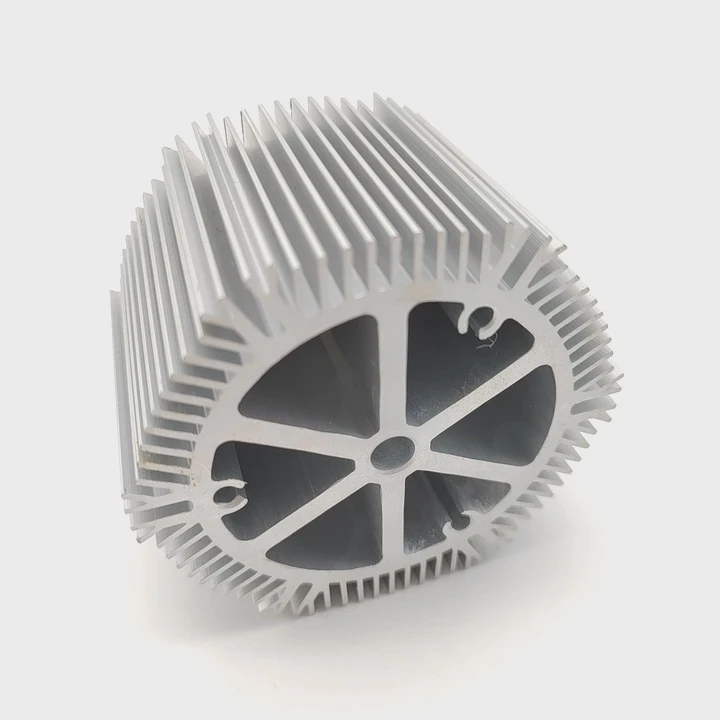
I often see old heatsinks lying in drawers, and many people leave them there because they think these parts have no value. But old sinks still offer strong cooling if we handle them right.
You can use an old heatsink by matching it with new devices, adding new mounts, or improving the contact surface. Old sinks still move heat well when you prepare them with simple steps.
I want to show why these parts still matter, because many users waste good metal blocks that can cool many small chips or boards today.
Why repurpose sinks for new gear?
Many people ask me why they should reuse old cooling parts when new ones are cheap. I always share the same idea: old heatsinks still work well because metal does not age much.
Old heatsinks are worth repurposing because their thermal performance stays strong, their cost is zero, and they fit many modern small devices that need simple cooling.
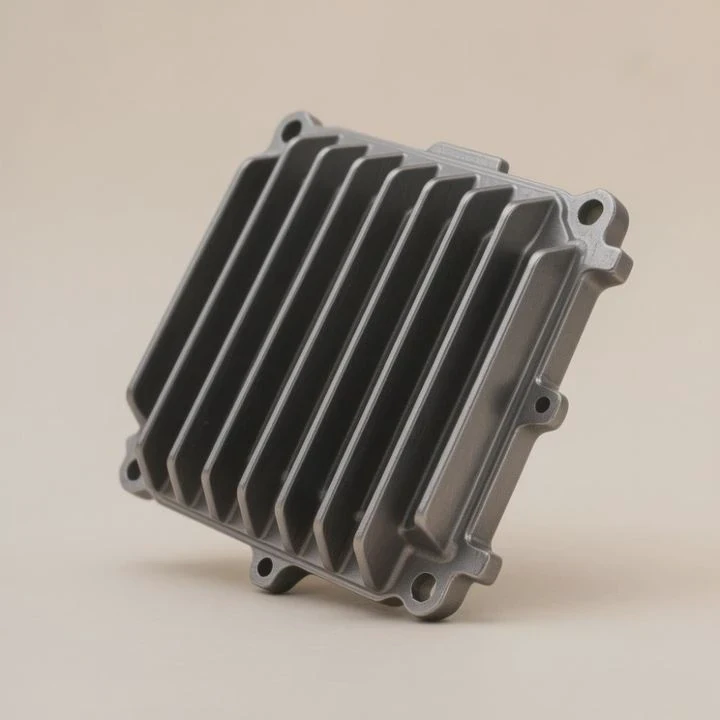
I see many older CPU or GPU sinks made of aluminum or copper. These parts stay stable for years. They do not lose cooling power. When I test them, they still drop temps fast. So I like to reuse them when I build small projects or fix old electronics.
Old metal keeps its cooling power
I often clean an old heatsink and find its fins still sharp and solid. Aluminum and copper lose no thermal ability with time. So the sink works almost like new when the surface is clean.
Many new chips create light heat
I work with mini PCs, routers, SBC boards, and SSDs. These devices get warm, but they do not need huge cooling. Old sinks fit these small jobs well. Their size helps spread heat fast.
It helps reduce waste
I like to reuse hardware when I can. A heatsink is easy to reuse. It needs no power. It needs no firmware. It only needs to touch the chip well.
Table: Reasons to reuse old heatsinks
| Reason | Simple Note |
|---|---|
| No cost | Free cooling solution |
| Strong metal | Thermal ability stays the same |
| Many uses | Fits small chips, SSDs, SBCs |
| Waste reduction | Less hardware thrown away |
These points show why old sinks can help new builds. Next I look at what devices match these older metal blocks.
Which devices fit legacy sinks?
Many people ask me where to place these old pieces of metal. I see many possible matches because modern gear gets smaller and runs warm.
Legacy heatsinks fit small PCs, routers, VRMs, SSDs, SBC boards, LED drivers, and tiny power modules. These devices create steady heat and need simple, passive cooling.
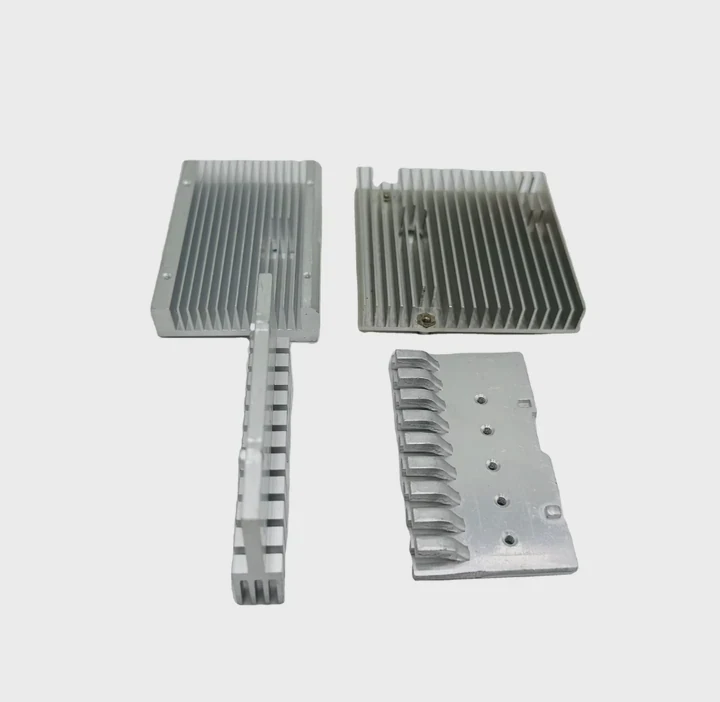
When I check project builds, I see many spots where old sinks can help. I often cut or trim the metal a bit to match the device shape.
SBC boards accept small blocks
Boards like Raspberry Pi, Jetson Nano, and other single-board computers get warm under load. Old chipset sinks and even cut-down CPU sinks fit these boards well. When the contact area is flat, the temp drops fast.
M.2 SSDs heat often
NVMe and SATA SSDs heat during long writes. A small legacy sink can work if I secure it with a thin thermal pad and a simple bracket. I use this trick when a board has no built-in SSD cooler.
VRMs and MOSFETs match tiny sinks
Old motherboard sinks often come in small sizes. These small pieces fit VRMs or power modules. Many DIY power supplies benefit from these tiny blocks.
Routers and mini PCs get hot in small cases
I often open routers or TV boxes and find small chips running hot. A slim old sink helps cool Wi-Fi chips or SoCs without adding noise.
H3: Devices that work well with old sinks
- Mini PCs
- Wi-Fi routers
- LED drivers
- Motor control boards
- Fanless project boxes
Table: Example fit guide
| Old Sink Type | Best Match Device |
|---|---|
| Old CPU sink | SBC, fanless mini PC |
| Old chipset sink | SSD, VRM, router chip |
| GPU VRM sink | MOSFET module |
| Small copper block | LED driver, DC converter |
These matches show that old sinks still have value. Now I move to the question about adding new holes.
Can drilling add new mounts?
Sometimes people hesitate to use old sinks because the holes do not match. I tell them that drilling is possible, but it needs simple care.
You can drill new mounts in old heatsinks if the metal is not too thick and you use slow drilling with stable pressure. New holes let you fit the sink onto new devices or brackets easily.
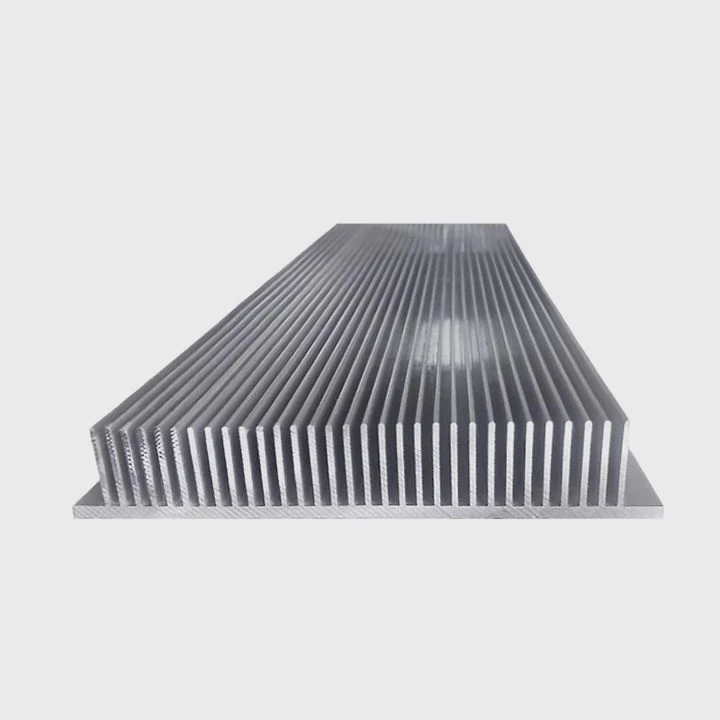
I often reshape old heatsinks. I drill holes or trim fins. This gives them new life. But I always follow simple steps to avoid damage.
Use slow drill speed
I drill with slow speed so the bit does not jump. Aluminum drills fast, but copper is harder. I use light pressure. This keeps the hole clean.
Mark holes before drilling
I mark the hole with a punch or a small nail. This keeps the drill bit centered. Without this mark, the bit might slide.
Keep the hole away from heat pipes
Some legacy heatsinks have heat pipes. I never drill near them because they contain fluid. If you break one, the sink loses most of its power.
Sand edges after drilling
After making a hole, I sand the edge so it does not cut pads or cables. This small step makes the sink safe to use.
H3: Safe drilling checklist
- Mark the hole
- Drill slowly
- Use clamps
- Keep away from pipes
- Clean and sand
When these steps are done well, the old sink becomes easy to mount. Now I move to the last question about polishing.
Does polishing improve performance?
Many people think polishing is only for looks. But I know that polishing helps when the contact surface is rough or dirty.
Polishing a heatsink improves performance when it removes oxidation, old paste, or scratches that block smooth contact. A clean and flat surface helps heat move to the sink faster.
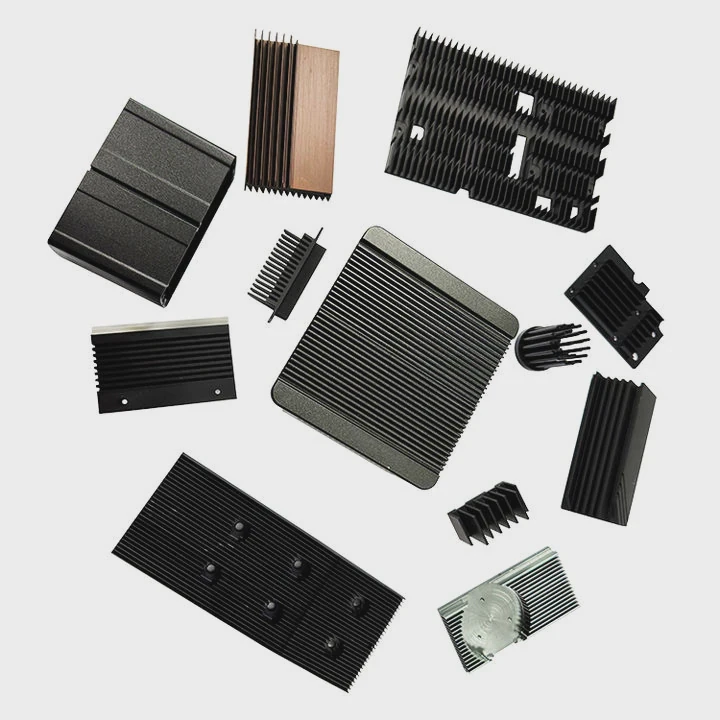
I polish many old sinks before reuse. The process is simple and safe when done with basic tools.
Polishing makes the base flat
The contact face must be flat so heat moves quickly. Old sinks often have dried paste stuck to the base. Polishing removes this, and the sink sits tight against the chip.
It helps when metal is oxidized
Aluminum often gets dull. Copper gets dark. This does not stop cooling, but it reduces contact when the surface becomes uneven. Light polishing restores smoothness.
Use fine sandpaper
I always start with fine grit paper, like 800 or 1000, then move up to 1500 or 2000. I sand lightly in straight lines. I do not press hard. The goal is smoothness, not mirror shine.
A smooth base spreads paste thin
Thermal paste works best in a thin layer. A flat base spreads paste better. This lowers temps, especially on small chips with tiny contact areas.
H3: When polishing helps most
- Old CPU sinks with scratches
- Sinks stored in humid places
- Copper blocks with dark spots
- Bases with rough machining marks
By polishing the surface, the old sink works almost like new again. This step is simple but brings strong results in many cases.
Conclusion
Old heatsinks still offer strong value. They cool many modern devices when matched well. Drilling and polishing help them fit new builds and improve contact. Simple steps give old metal parts a second life.
TAGS
Latest Articles

Volume discount levels for heat sink orders?
Buyers often ask when heat sink prices start to drop with volume. Many worry they’re overpaying for small orders. This guide explains how B2B volume pricing works for thermal components. Heat sink
21 Dec,2025
Heat sink long-term supply contract options?
Many buyers want stable pricing and reliable delivery for heat sinks. But without a clear contract, risks grow over time. This article explores how to secure better long-term supply deals. Long-term
21 Dec,2025
Tooling cost for new heat sink profiles?
Many engineers struggle to understand why tooling for custom heat sinks costs so much. They worry about budgeting and production timelines. This article breaks down the cost drivers behind tooling.
21 Dec,2025
Heat sink custom sample process steps?
Sometimes, starting a custom heat sink project feels overwhelming—too many steps, too many unknowns, and too many risks. You want a sample, but not endless delays. The process for requesting and
20 Dec,2025
Standard B2B terms for heat sink payments?
When buyers and sellers in B2B heat sink markets talk about payment, many don’t fully understand what’s standard. This can lead to delayed orders, miscommunication, and even lost business
20 Dec,2025
Heat sink pricing factors for large orders?
Heat sinks are vital for many systems. When prices rise, projects stall and budgets break. This problem can hit teams hard without warning. Large order heat sink pricing depends on many factors. You
20 Dec,2025Related Articles
- can heatsinks be used on dell xps 13?
- can the fan of a cpu heatsink be replaced?
- do heatsink fans push air or pull air?
- how to install new heatsink?
- Will Samsung 980 Pro with heatsink fit in a laptop?
- will a cob led fit on a socket a heatsink?
- how to screw heatsink?
- do you apply thermal paste to cpu and heatsink?
- are heatsinks on ssd necessary?
- How to remove fan from AMD heatsink?
- can you buy wd black sn750 heatsink cover?
- how to mount heatsink?
Author
Dr. Emily Chen
Chief AI Researcher
Leading expert in thermal dynamics and AI optimization with over 15 years of experience in data center efficiency research.
Categories
Latest Products
M.2 Heatpipe Heatsink With Dual Fans For Pc Case
19 Mar,2026
Heavy-Duty Aluminum Heat Sink Custom
19 Mar,2026
Oem Skived Fin Heatsink Aluminum Radiator For Plants
19 Mar,2026
Water Cooled Cnc Aluminum Heat Sink For Medical
19 Mar,2026
High Density 6000 Series Aluminum Heat Sink Profile
19 Mar,2026
High-Density Extruded Aluminum & Bonded-Fin Heat Sink Profile
19 Mar,2026
Recommend Categories
- Liquid cooling plate Manufacturer
- Industrial Heat Sink Manufacturer
- Standard Heat Sink Manufacturer
- Aluminum Heat Sink Manufacturer
- Copper Heat Sink Manufacturer
- Anodized Heatsink Manufacturer
- Stamping heat sink Manufacturer
- Die Casting Heatsink Manufacturer
- Soldering heat sink Manufacturer
- CNC Parts Manufacturer
Latest Products
- M.2 Heatpipe Heatsink With Dual Fans For Pc Case
- Heavy-Duty Aluminum Heat Sink Custom
- Oem Skived Fin Heatsink Aluminum Radiator For Plants
- Water Cooled Cnc Aluminum Heat Sink For Medical
- High Density 6000 Series Aluminum Heat Sink Profile
- High-Density Extruded Aluminum & Bonded-Fin Heat Sink Profile
- Dongguan Cnc Aluminum Heat Sink For Led & Brass Parts
- Wholesale Cnc Aluminum Heat Sink - Custom Extruded
- Led Cnc Round Heat Sink With Screw Holes
- Copper Pin-Fin Heat-Sink Large-Area For Photoled Cooling
- Telecom Heatsink Zipper Fin Wcopper Tubes Oem
Contact Expert
Have questions about this article? Reach out to our experts directly.