Will Samsung 980 Pro with heatsink fit in a laptop?
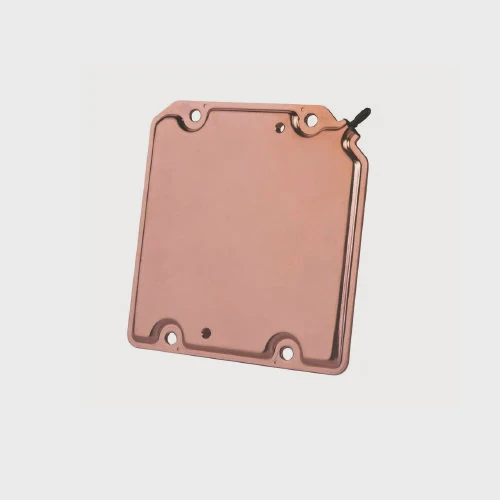
I know how frustrating it feels when you want better speed but the SSD just does not fit because the laptop bay is too tight.
A Samsung 980 Pro with a heatsink can fit in a laptop only when the storage bay supports a taller M.2 module. Many laptops limit the SSD height to protect the motherboard, the keyboard deck, and the thermal shield.
I want to show you what I learned after upgrading many machines, so you can check your own laptop with confidence.
Why do laptops limit SSD height?
I know the pain when a powerful SSD looks great on paper but becomes useless when the laptop chassis blocks the extra height.
Laptops limit SSD height because most storage bays follow strict thickness rules. This protects the motherboard, the bottom cover, and the heat spreaders from pressure or bending.
Why height limits matter
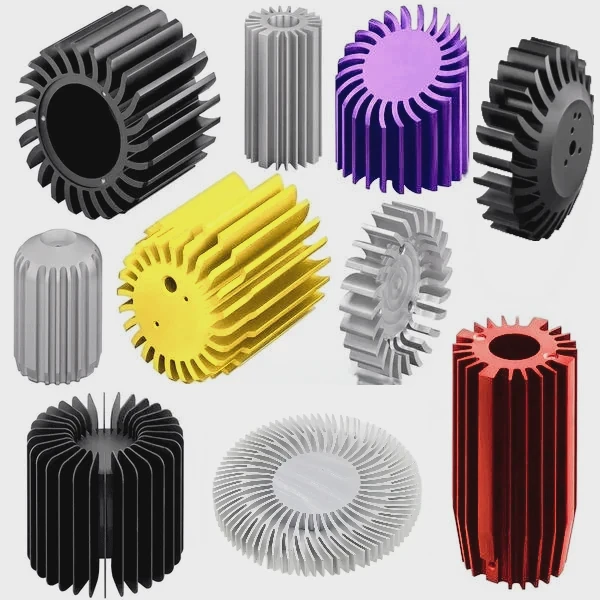
I work with many laptop bays, and I always see the same rule. Most laptops support only 2.2 mm (single-sided) or 3.5 mm (double-sided) modules. A Samsung 980 Pro with a heatsink is often taller than 8–10 mm, and this is far above what most thin machines can hold. When the SSD is too tall, the bay cover cannot close, and the pressure can crack pads on the board. I once tried to force a tall SSD into an ultrabook, and the corner of the shield bent inward. It taught me to check height before anything else.
Typical height ranges
Here is a simple table that shows common limits I see:
| Laptop Type | Usual Max SSD Height | Notes |
|---|---|---|
| Ultrabook / thin laptop | 2.2–3.5 mm | Almost no space for tall heatsinks |
| Gaming laptop | 3.5–5.5 mm | Some support taller or double-sided drives |
| Workstation | 5–8 mm | May support metal shields or thicker pads |
How height rules affect real installs
I often see users ask why high-performance desktops use tall heatsinks but laptops avoid them. The answer is simple. Laptops use flat thermal sheets, copper foils, or small pads, not big fins. They need low height so the bottom shell can close without stress. Even one millimeter can stop the cover from fitting. When I test SSDs, I always measure the bay depth with a plastic ruler. It gives me a safe idea of the maximum height. If the 980 Pro with heatsink is taller than that, I remove the heatsink and use a thin thermal pad or the laptop’s stock shield.
Which slots support tall heatsinks?
When I check different laptops, I sometimes feel surprised at how inconsistent the space can be.
Only some gaming laptops and large workstations support tall SSD heatsinks, because they have deeper storage bays or pre-formed metal shields that match thicker modules.
How slot design changes the available height
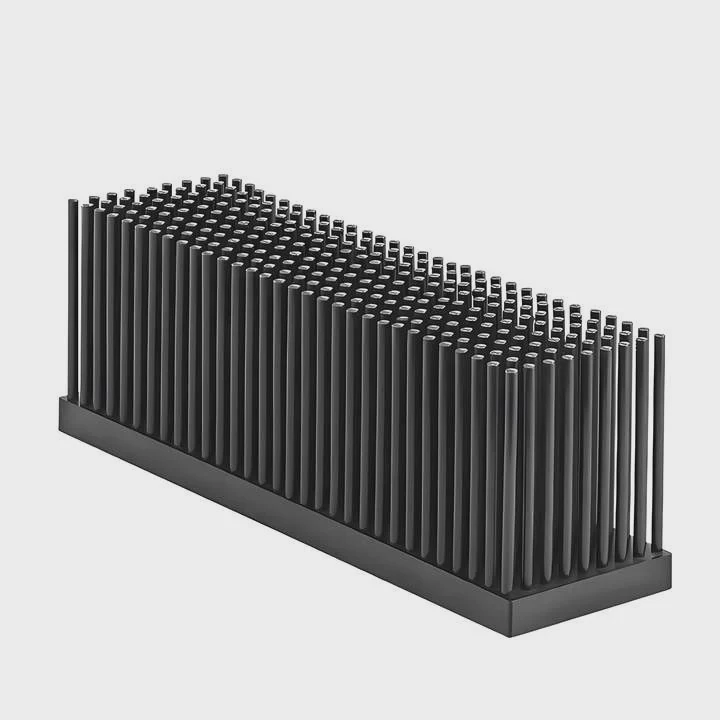
I see three common slot designs. Each one gives a different chance for fitting a tall 980 Pro heatsink. Many thin laptops place the SSD under a keyboard support bar. There is no room at all. Other designs place the SSD near the fans. These often have more depth. When I help friends upgrade their gaming laptops, I notice the M.2 slot sometimes sits inside a metal frame with extra air space. This design accepts taller modules because the frame protects both the SSD and the bottom cover. The position of the slot decides everything.
A comparison of slot types
Here is another table that shows the chance of fitting a tall heatsink:
| Slot Position | Chance of Fitting a Tall Heatsink | Why |
|---|---|---|
| Under keyboard deck | Very low | Tight space, support bars above the SSD |
| Near battery | Low to medium | Slight room but still limited by battery shell |
| Near fan assembly | Medium to high | Often deeper bay, more air volume |
| Inside metal SSD cage | High | Designed for stronger cooling modules |
What I learned from different brands
I worked on many brands when helping clients upgrade. Some gaming laptops from ASUS and MSI often include pre-installed heat spreaders. These spreads are flat but cover the full length of the drive, so they rely on pads instead of tall fins. Dell and HP business laptops usually keep strict thickness limits. Workstations sometimes support tall modules, but they usually give you a custom shield that you must use. When someone asks me if their model supports a tall Samsung heatsink, I always say the same thing: the official service manual tells you more than the marketing page. In many cases, it even gives the maximum height in millimeters. I learned to trust that document more than the product photos.
Can removing covers improve fit?
I remember a time when I thought removing a shield would solve the height issue. It sounded simple, but it caused more trouble than I expected.
Removing the SSD cover can create a little extra space, but it often harms cooling and can allow dust or pressure changes that reduce long-term stability.
Why removing covers seems tempting
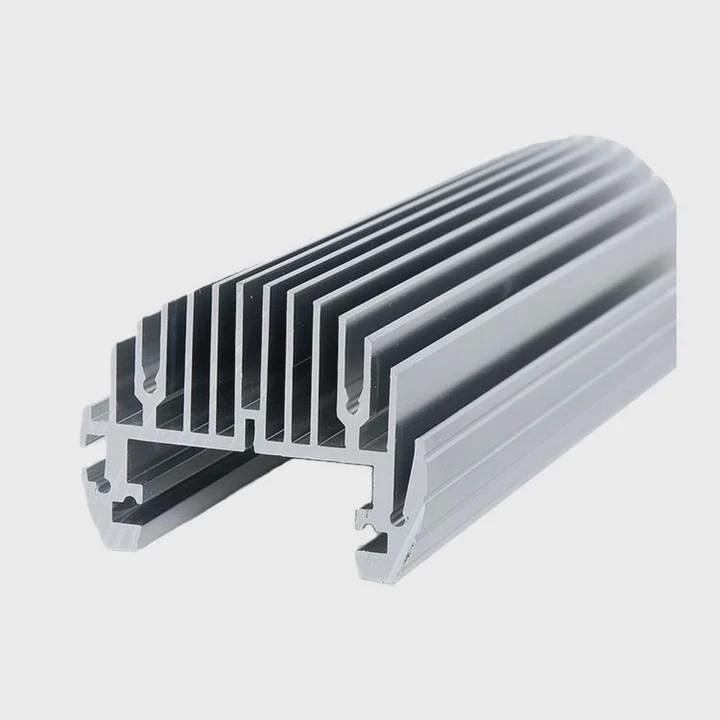
Many laptop bays use a flat metal plate or foil shield above the SSD. I know that people want to remove it because they hope to gain one or two millimeters of height. In some cases, removing it does free some space. But this cover also works as a passive radiator. It spreads heat into the chassis area. When I tested an SSD without the cover, I saw that temperatures climbed much faster during file copies. It made the drive throttle more often.
The risk of poor thermal contact
Many laptops use a thermal pad between the SSD and the cover. When the cover is removed, the thermal path breaks. I tried this once with a double-sided SSD. The pad kept the drive cool when the cover was on. After I removed the plate, the temperature rose by 10–15°C in the same workload. When I placed the cover back, the temperature returned to normal. The cover helped keep the heat under control. This proved to me that removing the cover is not a free upgrade.
When removing the cover still works
There are rare cases where the cover is only decorative or protective. I saw this in a gaming laptop where the SSD bay had so much open air that the cover only worked as a dust shield. In that case, removing the cover made room for a taller module. Even then, I placed a thin mesh to control dust. I tell people that this method is possible, but they must check if the cover holds a thermal pad. If it does, removing it will weaken cooling. I learned to inspect the pad before deciding.
Does heat rise in tight bays?
I often hear people say that heat “rises,” so the SSD will run hot if the bay is tight. My own tests show a different picture.
Heat does not rise inside a laptop bay in a meaningful way. The real problem is trapped heat, weak airflow, and small thermal surfaces that cannot spread the temperature.

Why heat behaves differently inside laptops
When I work inside laptops, I see that the space is too small for natural convection to matter. Heat does not rise because there is no room for warm air to move vertically. Instead, the heat spreads along the metal bottom, the frame, and the PCB. This is why tall heatsinks help in desktops but not always in laptops. They need airflow, and laptops usually cannot give them enough. I tested a tall heatsink in a gaming laptop once. The fins stayed warm, but the temperature did not drop much because the air could not move across them.
What really causes SSD temperature spikes
The biggest problem I see is that the SSD often sits near the battery or close to the chipset. These parts warm the bay and trap heat. Even a small pad or a thin shield can be more effective than a tall fin heatsink because it spreads the heat into the chassis. When I placed a tall heatsink in a tight bay, the temperature stayed high. When I replaced it with a thin copper sheet and pad, the temperature dropped by 6–8°C. This showed me that the heat path matters more than the heatsink height.
How I check heat in a laptop bay
I use simple tools when I test bays. First, I run a long file copy. Then I touch the bottom cover above the SSD. If it stays cool, the drive is thermally isolated. If it becomes warm, the path is good. I also use a small temperature probe to measure the bay. This helps me understand if the heat is trapped. Many times, I see that a tall heatsink does not help because the bay is blocked. A thin solution works better. This is why a Samsung 980 Pro with a big heatsink rarely fits or performs better in laptops. The bay design sets the limit.
Conclusion
A Samsung 980 Pro with a heatsink can fit only when the laptop bay supports extra height. Most laptops need thin SSDs, flat shields, and low-profile pads. When the bay is tight, slim cooling solutions work better than tall heatsinks.
TAGS
Latest Articles

Volume discount levels for heat sink orders?
Buyers often ask when heat sink prices start to drop with volume. Many worry they’re overpaying for small orders. This guide explains how B2B volume pricing works for thermal components. Heat sink
21 Dec,2025
Heat sink long-term supply contract options?
Many buyers want stable pricing and reliable delivery for heat sinks. But without a clear contract, risks grow over time. This article explores how to secure better long-term supply deals. Long-term
21 Dec,2025
Tooling cost for new heat sink profiles?
Many engineers struggle to understand why tooling for custom heat sinks costs so much. They worry about budgeting and production timelines. This article breaks down the cost drivers behind tooling.
21 Dec,2025
Heat sink custom sample process steps?
Sometimes, starting a custom heat sink project feels overwhelming—too many steps, too many unknowns, and too many risks. You want a sample, but not endless delays. The process for requesting and
20 Dec,2025
Standard B2B terms for heat sink payments?
When buyers and sellers in B2B heat sink markets talk about payment, many don’t fully understand what’s standard. This can lead to delayed orders, miscommunication, and even lost business
20 Dec,2025
Heat sink pricing factors for large orders?
Heat sinks are vital for many systems. When prices rise, projects stall and budgets break. This problem can hit teams hard without warning. Large order heat sink pricing depends on many factors. You
20 Dec,2025Related Articles
- will a cob led fit on a socket a heatsink?
- how long let heatsink set before turning on computer?
- can you overclock ram without a heatsink on them?
- Is heatsink necessary for SSD?
- how to install ryzen heatsink?
- how to connect a heatsink to 7805?
- how to install new heatsink?
- do heatsink fans push air or pull air?
- can the fan of a cpu heatsink be replaced?
- can heatsinks be used on dell xps 13?
- How to use old heatsink?
- how to screw heatsink?
Author
Dr. Emily Chen
Chief AI Researcher
Leading expert in thermal dynamics and AI optimization with over 15 years of experience in data center efficiency research.
Categories
Latest Products
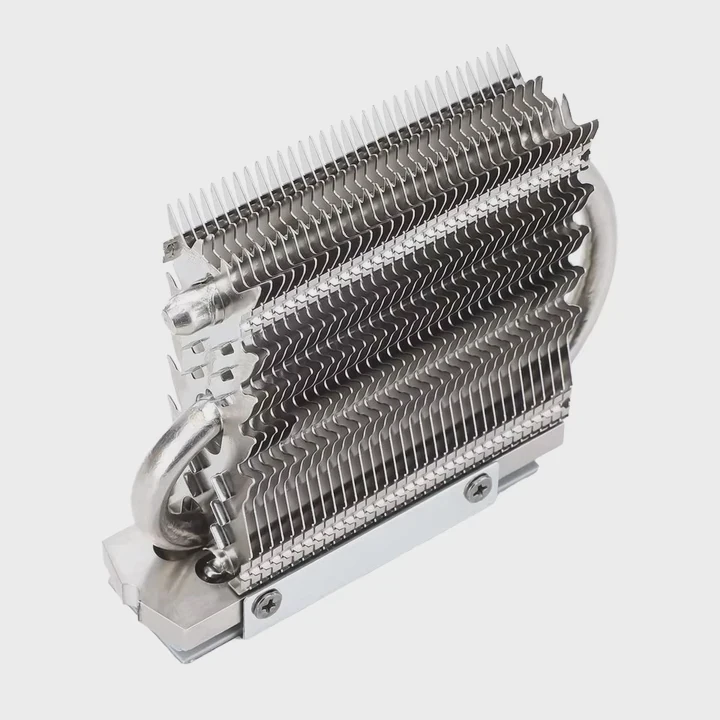
M.2 Heatpipe Heatsink With Dual Fans For Pc Case
19 Mar,2026
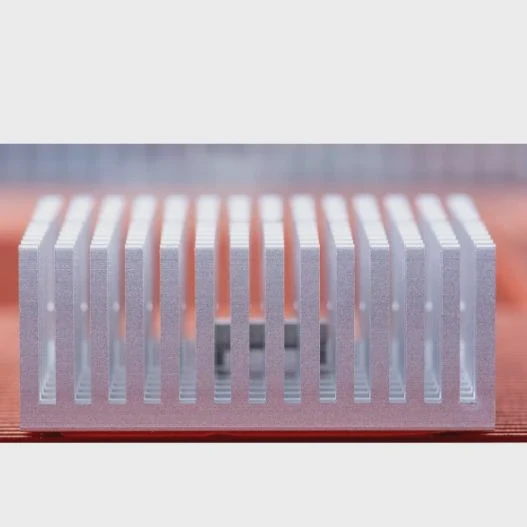
Heavy-Duty Aluminum Heat Sink Custom
19 Mar,2026
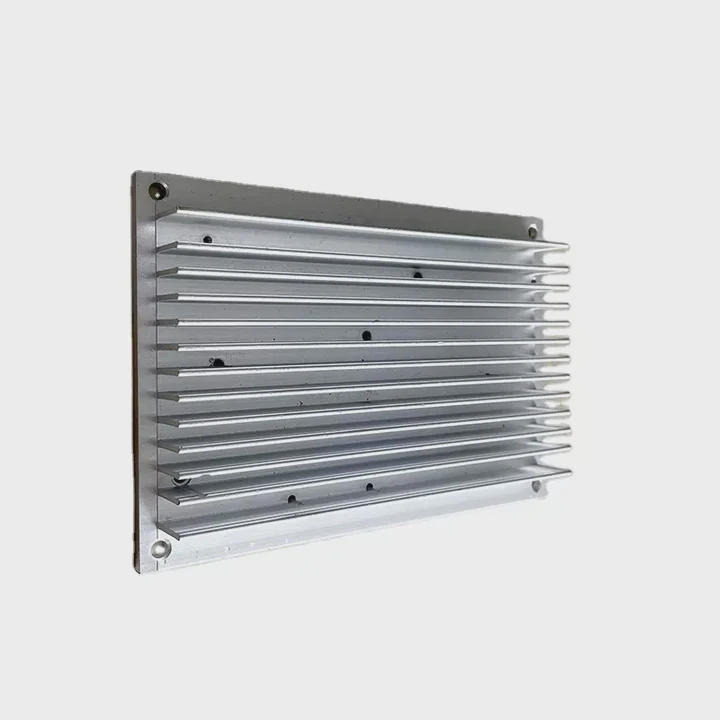
Oem Skived Fin Heatsink Aluminum Radiator For Plants
19 Mar,2026
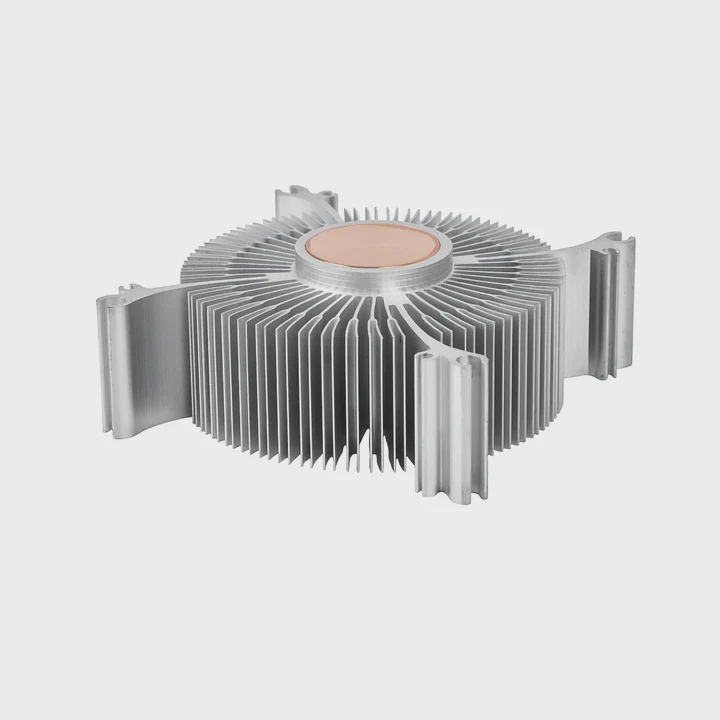
Water Cooled Cnc Aluminum Heat Sink For Medical
19 Mar,2026
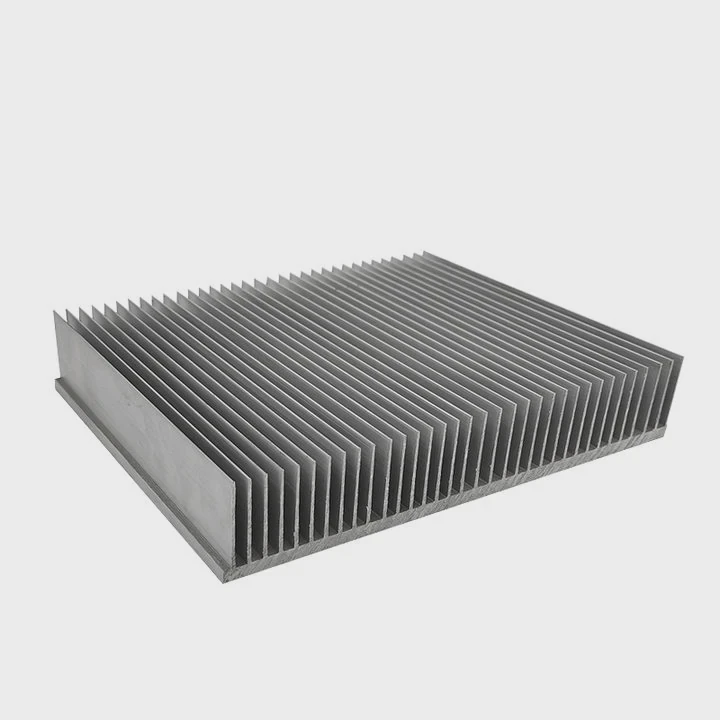
High Density 6000 Series Aluminum Heat Sink Profile
19 Mar,2026
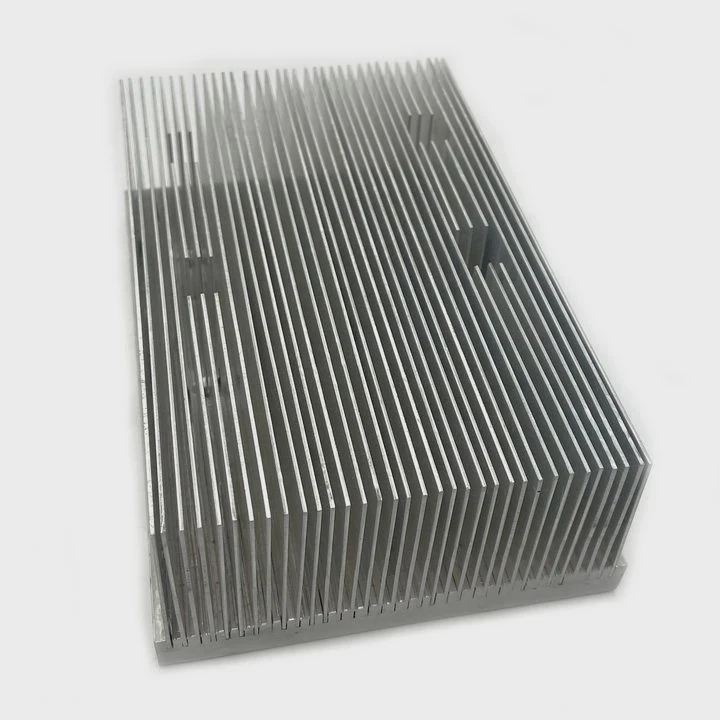
High-Density Extruded Aluminum & Bonded-Fin Heat Sink Profile
19 Mar,2026
Recommend Categories
- Liquid cooling plate Manufacturer
- Industrial Heat Sink Manufacturer
- Standard Heat Sink Manufacturer
- Aluminum Heat Sink Manufacturer
- Copper Heat Sink Manufacturer
- Anodized Heatsink Manufacturer
- Stamping heat sink Manufacturer
- Die Casting Heatsink Manufacturer
- Soldering heat sink Manufacturer
- CNC Parts Manufacturer
Latest Products
- M.2 Heatpipe Heatsink With Dual Fans For Pc Case
- Heavy-Duty Aluminum Heat Sink Custom
- Oem Skived Fin Heatsink Aluminum Radiator For Plants
- Water Cooled Cnc Aluminum Heat Sink For Medical
- High Density 6000 Series Aluminum Heat Sink Profile
- High-Density Extruded Aluminum & Bonded-Fin Heat Sink Profile
- Dongguan Cnc Aluminum Heat Sink For Led & Brass Parts
- Wholesale Cnc Aluminum Heat Sink - Custom Extruded
- Led Cnc Round Heat Sink With Screw Holes
- Copper Pin-Fin Heat-Sink Large-Area For Photoled Cooling
- Telecom Heatsink Zipper Fin Wcopper Tubes Oem
Contact Expert
Have questions about this article? Reach out to our experts directly.