Is heatsink necessary for SSD?
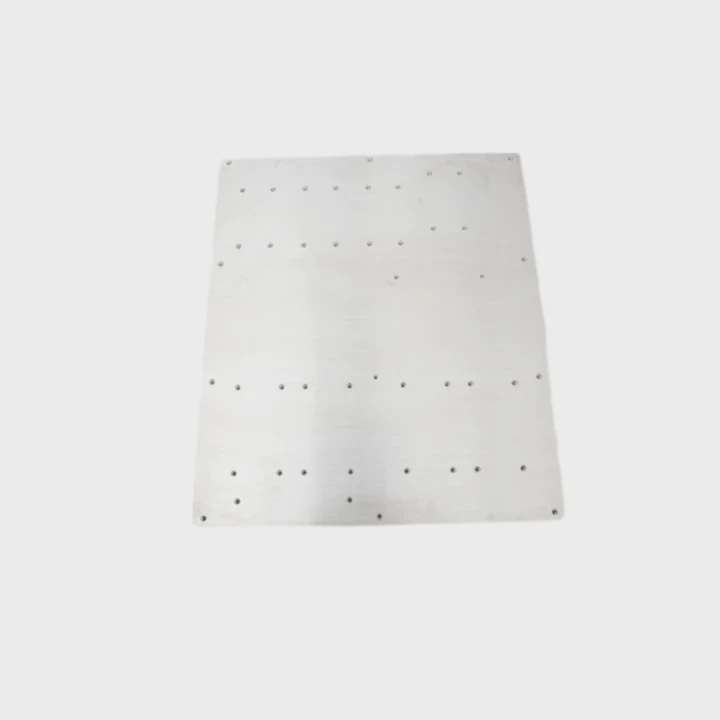
I often see people ignore SSD heat, but heat can slow drives and even shorten their life, so the topic always pulls my attention fast.
A heatsink is not always required for an SSD, but it helps a lot when the drive sits under heavy load or inside tight cases. It lowers peak temps, keeps stable speed, and stops throttling. Many NVMe drives get real gains from simple cooling.
I want to show why this topic matters, because many users upgrade storage but do not check heat. I also want to help them avoid slowdowns or early drive wear. So I will break the questions one by one.
Why do NVMe drives heat quickly?
I know many people feel shocked when they touch an NVMe drive after a file copy. These drives get hot fast, and that heat comes from how they work.
NVMe drives heat quickly because they push very high data rates through small controllers. The flash controller works hard, the NAND chips switch fast, and the compact stick design traps heat easily.
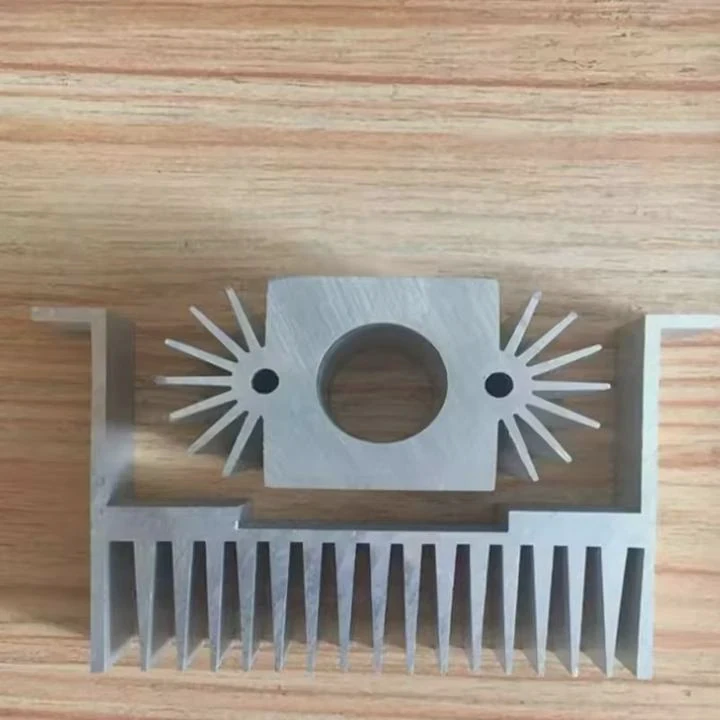
The small form pushes heat up
I work with many storage devices, and I see the same thing in most models. The NVMe stick is small. The controller and NAND chips sit very close together. When the controller moves data at high speed, it burns energy. That energy becomes heat. The heat does not spread out because the surface is small. So the temperature climbs fast.
The controller is the main heat source
The controller is like the brain of the drive. It moves data, corrects errors, and manages flash cells. When I test drives, I see that the controller often hits the highest temperature. Some chips even jump from cool to hot in seconds. This is normal, but it also means users need cooling in some cases.
PCIe speed adds load
Many newer drives run on PCIe Gen4 or Gen5. These lanes allow huge bandwidth. When the controller uses that bandwidth, it works at full power. This pushes temps higher. I see this especially in Gen5 drives, which often run hotter than older models.
Table: Why NVMe heats fast
| Cause | Simple Explanation |
|---|---|
| Small stick size | Less room for heat to spread |
| Fast controller | High processing load becomes heat |
| High PCIe speed | More data means more heat |
| Tight motherboard area | Less airflow around the drive |
These points show why NVMe runs hot. And this heat is normal, but too much heat may cut speed. So I look at the next question.
What workloads raise temps?
I often help users check SSD temps during tasks. Many do not know which actions push heat. But the pattern is clear after many tests.
Workloads that raise SSD temps most are large file writes, heavy reads, game installs, 4K video editing, long backups, and repeated benchmark runs. Any job that keeps the controller busy will heat the drive.
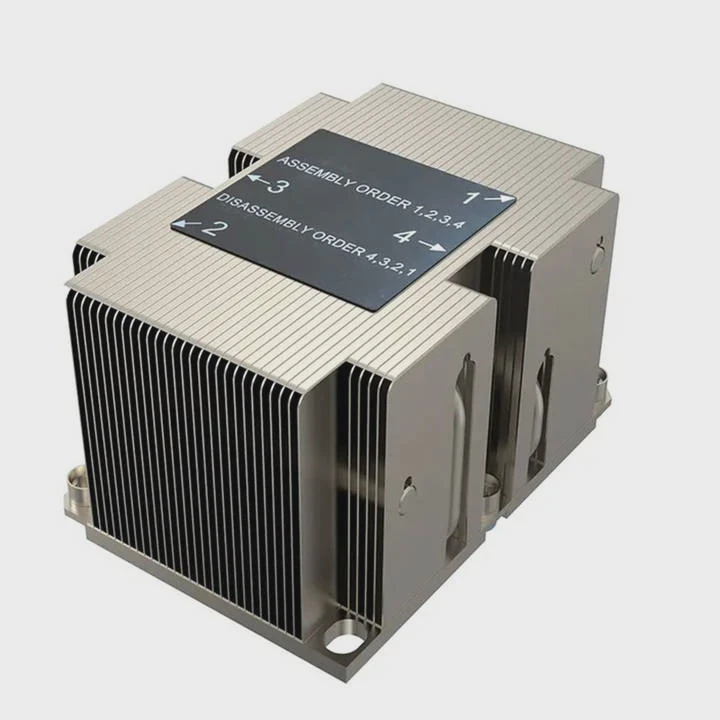
Large writes drive up controller load
When I copy many gigabytes of files, I see temps rise the fastest. This is because the controller must move continuous data and manage flash blocks. When the SLC cache fills, the work becomes even harder. Temps rise and stay high until the job ends.
Heavy reads also warm the drive
Reads create less heat than writes, but they still warm up the controller. I see this when users load big game files or run database tools. The heat rise is slower, but it still matters when the job lasts long.
Content creation is a heat generator
When I edit 4K or 8K video, the drive must read and write frames very fast. This keeps load high for a long time. In my tests, even good heatsinks feel warm after these tasks.
Benchmarks cause max temps
Synthetic tools like CrystalDiskMark or PCMark stress the drive. They keep the controller at full load. Temps climb to peak fast. I always warn users that benchmark temps are not daily temps.
Table: Tasks and heat levels
| Workload | Heat Level | Reason |
|---|---|---|
| Large file writes | Very high | Controller works nonstop |
| Game installs | High | Mixed reads and writes |
| Video editing | High | Continuous data streams |
| Backups | Medium-high | Long transfer sessions |
| Light office use | Low | Short bursts only |
These jobs show why temps climb under real use. So the next question is about cooling that many motherboards already include.
Can motherboard sinks suffice?
Many people ask me if they should trust the cooling pads that come with their boards. I test many boards myself, so I know how they behave.
Motherboard heatsinks can be enough for most daily workloads. They lower temps well in gaming and general use. But they may not be enough under long heavy writes or on very hot Gen4 or Gen5 NVMe drives.
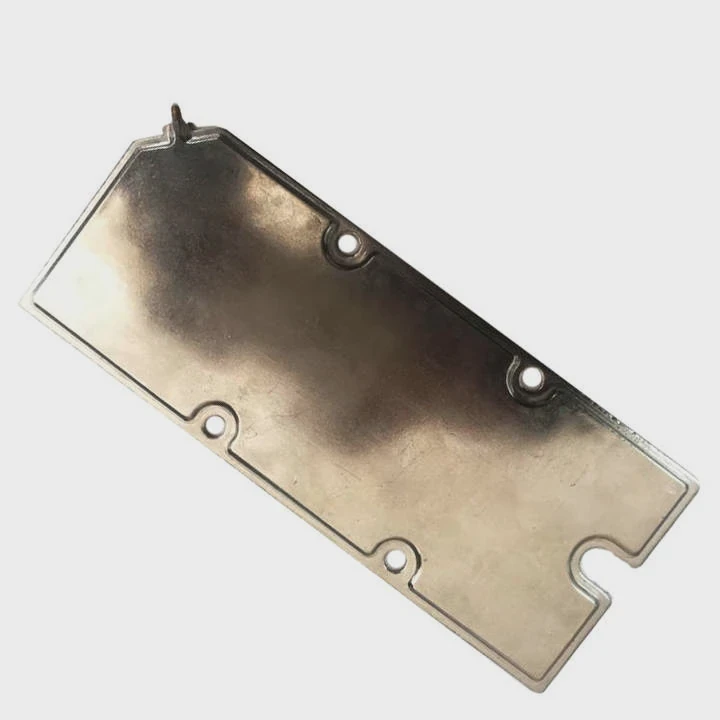
Motherboard sinks help because they cool the controller
Most board makers now place a metal plate over the M.2 slot. This plate has a thin pad under it. The pad touches the SSD and moves heat into the metal cover. When I test this design, I see a temp drop of 10–20°C in many cases. This is good for most users.
But airflow changes the result
Many small PC cases have poor airflow. If the board heatsink sits near a GPU backplate, the heat stays trapped. In these cases the sink helps less. I tell users to check case flow if they want steady temps.
Gen4 and Gen5 drives may need more cooling
The heat from fast drives is higher than before. I tested some models that reach over 80°C without sinks. Board sinks keep them cooler, but sometimes not cool enough during long heavy jobs.
Some metal covers look nice but are thin
Not all sinks work the same. Some covers are for design. They feel thin and light. They remove less heat. I suggest users touch the cover after load. If it stays cool but the SSD runs hot, the pad contact may be weak.
H3: Signs your board sink is enough
- Temps stay under 70°C during normal tasks
- No speed drops happen during game installs
- No thermal throttling appears during long reads
- Metal cover feels warm during load, which shows heat transfer
These points help users judge if they need extra cooling. Now I move to the last question about heavy writes.
Do heavy writes cause throttling?
I see many users face slowdowns and think the SSD is faulty. But many times the cause is heat, not failure.
Yes, heavy writes can cause thermal throttling on many NVMe drives. When the controller overheats, it cuts speed to stay safe. A heatsink helps delay or stop this slowdown.
Throttling is a safety action
The controller has sensors that check temperature. When the number climbs too high, the firmware lowers speed. I see this in logs and benchmarks often. This action protects the drive from damage.
Long write sessions heat the drive more
Short writes do not always cause issues. But long writes, such as moving 200GB or more, keep the controller at full power. Temps climb and stay high. Without enough cooling, the controller hits its limit.
Gen4 and Gen5 drives show this faster
These drives move data extremely fast. They use more energy. So they hit thermal limits sooner. I see this with models that reach 90°C under heavy tools. They throttle quickly if no heatsink is used.
H3: How to notice throttling
Users often see:
- Speed drops in the middle of a file copy
- Transfer rate going from very high to very low
- A short pause during write operations
I see these signs often in stress tests. A good heatsink helps keep speed stable.
H3: Example heat curve table
| Stage | Temp | Behavior |
|---|---|---|
| First 10 seconds | 55–60°C | Full speed |
| 30 seconds | 70–75°C | Stable speed |
| 1–2 minutes | 80°C+ | Throttling starts |
| After throttling | 60–70°C | Reduced speed |
This simple pattern appears again and again during long tests. Cooling keeps the curve under control.
Conclusion
A heatsink is not always required, but it gives clear benefits. It helps keep NVMe drives cool, stable, and fast. It also reduces the chance of throttling during hard tasks.
TAGS
Latest Articles

Volume discount levels for heat sink orders?
Buyers often ask when heat sink prices start to drop with volume. Many worry they’re overpaying for small orders. This guide explains how B2B volume pricing works for thermal components. Heat sink
21 Dec,2025
Heat sink long-term supply contract options?
Many buyers want stable pricing and reliable delivery for heat sinks. But without a clear contract, risks grow over time. This article explores how to secure better long-term supply deals. Long-term
21 Dec,2025
Tooling cost for new heat sink profiles?
Many engineers struggle to understand why tooling for custom heat sinks costs so much. They worry about budgeting and production timelines. This article breaks down the cost drivers behind tooling.
21 Dec,2025
Heat sink custom sample process steps?
Sometimes, starting a custom heat sink project feels overwhelming—too many steps, too many unknowns, and too many risks. You want a sample, but not endless delays. The process for requesting and
20 Dec,2025
Standard B2B terms for heat sink payments?
When buyers and sellers in B2B heat sink markets talk about payment, many don’t fully understand what’s standard. This can lead to delayed orders, miscommunication, and even lost business
20 Dec,2025
Heat sink pricing factors for large orders?
Heat sinks are vital for many systems. When prices rise, projects stall and budgets break. This problem can hit teams hard without warning. Large order heat sink pricing depends on many factors. You
20 Dec,2025Related Articles
- how to install ryzen heatsink?
- how to connect a heatsink to 7805?
- how to remove hyperx ram heatsink?
- a cpu heatsink?
- Does Coffee Lake come with heatsink and fans?
- what is a processor heatsink?
- can you overclock ram without a heatsink on them?
- how long let heatsink set before turning on computer?
- will a cob led fit on a socket a heatsink?
- Will Samsung 980 Pro with heatsink fit in a laptop?
- how to install new heatsink?
- do heatsink fans push air or pull air?
Author
Dr. Emily Chen
Chief AI Researcher
Leading expert in thermal dynamics and AI optimization with over 15 years of experience in data center efficiency research.
Categories
Latest Products
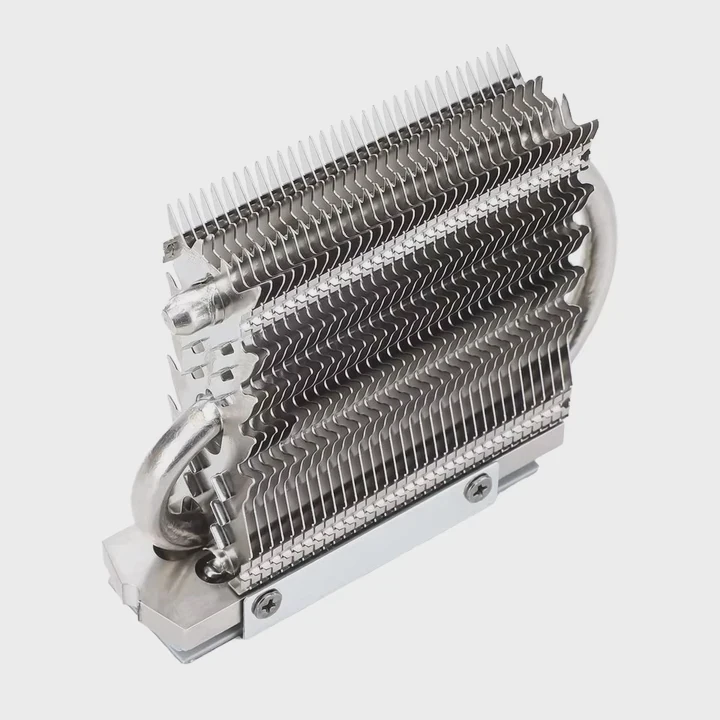
M.2 Heatpipe Heatsink With Dual Fans For Pc Case
19 Mar,2026
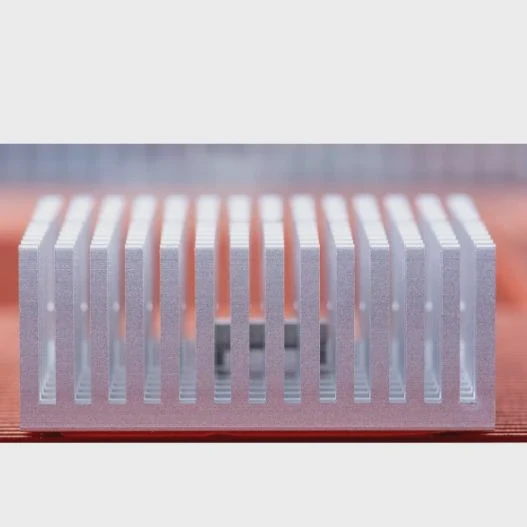
Heavy-Duty Aluminum Heat Sink Custom
19 Mar,2026
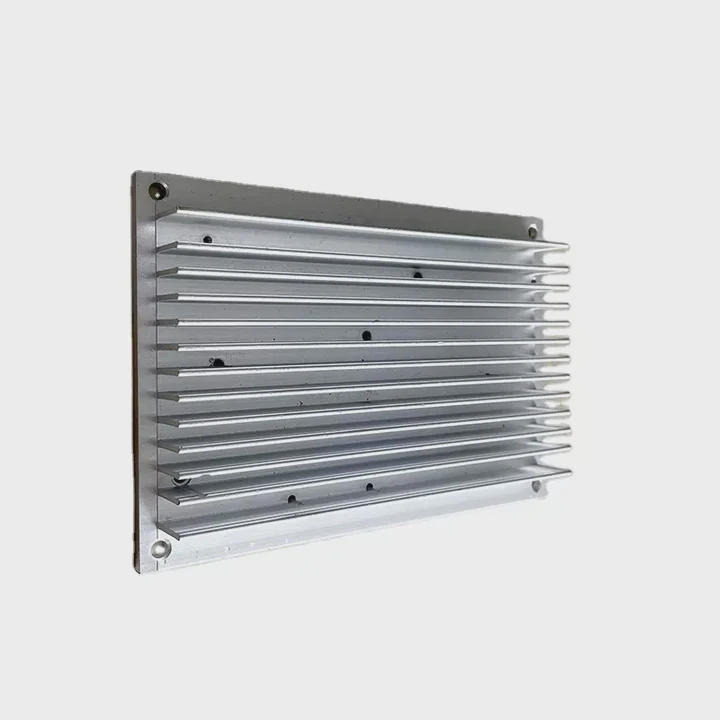
Oem Skived Fin Heatsink Aluminum Radiator For Plants
19 Mar,2026
Water Cooled Cnc Aluminum Heat Sink For Medical
19 Mar,2026
High Density 6000 Series Aluminum Heat Sink Profile
19 Mar,2026
High-Density Extruded Aluminum & Bonded-Fin Heat Sink Profile
19 Mar,2026
Recommend Categories
- Liquid cooling plate Manufacturer
- Industrial Heat Sink Manufacturer
- Standard Heat Sink Manufacturer
- Aluminum Heat Sink Manufacturer
- Copper Heat Sink Manufacturer
- Anodized Heatsink Manufacturer
- Stamping heat sink Manufacturer
- Die Casting Heatsink Manufacturer
- Soldering heat sink Manufacturer
- CNC Parts Manufacturer
Latest Products
- M.2 Heatpipe Heatsink With Dual Fans For Pc Case
- Heavy-Duty Aluminum Heat Sink Custom
- Oem Skived Fin Heatsink Aluminum Radiator For Plants
- Water Cooled Cnc Aluminum Heat Sink For Medical
- High Density 6000 Series Aluminum Heat Sink Profile
- High-Density Extruded Aluminum & Bonded-Fin Heat Sink Profile
- Dongguan Cnc Aluminum Heat Sink For Led & Brass Parts
- Wholesale Cnc Aluminum Heat Sink - Custom Extruded
- Led Cnc Round Heat Sink With Screw Holes
- Copper Pin-Fin Heat-Sink Large-Area For Photoled Cooling
- Telecom Heatsink Zipper Fin Wcopper Tubes Oem
Contact Expert
Have questions about this article? Reach out to our experts directly.