how to screw heatsink?
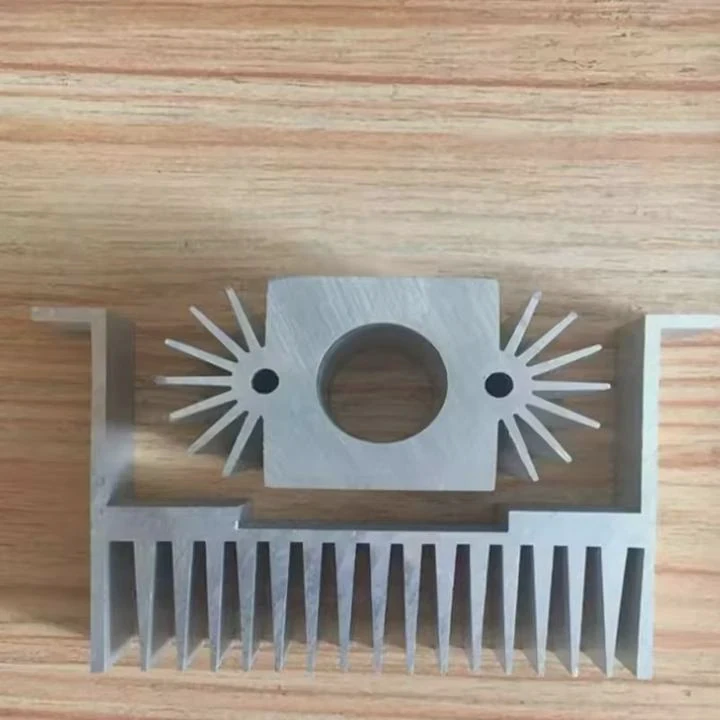
I often see beginners worry when they install a heatsink and touch the screws. I had the same fear the first time I mounted a cooler on a new board.
You screw a heatsink by lowering it gently, aligning holes, tightening screws in small steps, and keeping pressure even across the surface. This protects the chip, spreads the paste well, and keeps temperatures stable.
I will show you how I do it step by step so you do not damage anything when you install your cooler.
Why avoid overtightening screws?
I once ruined a mounting bracket because I pushed the screws too hard. I thought tighter meant better cooling. I was wrong. The bracket bent, and the contact became worse.
You avoid overtightening because too much force can bend the PCB, crack solder joints, deform the heatsink base, and squeeze out thermal paste. Moderate pressure is enough to make full contact.
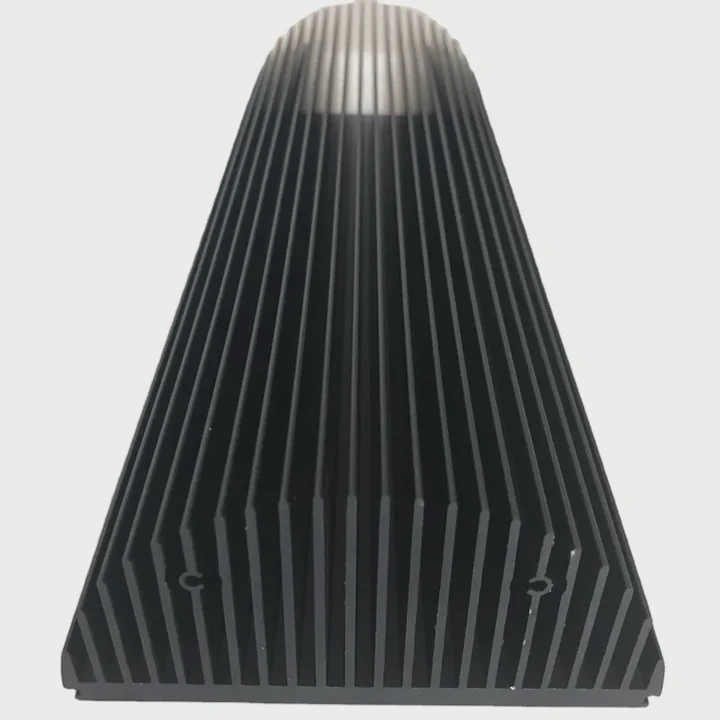
When I learned to avoid overtightening, my systems became more stable. The chip made clean contact with the heatsink, and the temperatures went down.
How too much force hurts the board
When you tighten a screw too much, the board bends. This bending puts stress on tiny solder joints. These joints hold small chips in place. They can crack under pressure. This damage can be hard to see until the system starts to fail.
How overtightening ruins thermal paste contact
When the screw goes too deep, the paste spreads too thin. The chip and heatsink will not touch evenly. Hot spots appear. These hot spots make cooling worse.
Table: Common problems caused by overtightening
| Problem | Cause | Effect |
|---|---|---|
| PCB flex | Excess screw force | Weak solder joints |
| Paste squeeze-out | Too much pressure | High temps |
| Mounting bracket bending | Uneven torque | Poor contact |
| Heatsink base warp | Extreme force | Unstable cooling |
Why small steps work better
I tighten screws in small steps. I move in a cross pattern. I do not force the screw. This method keeps pressure even. It also keeps the board safe. When I follow this simple rule, I never see warped brackets again.
Which patterns ensure even pressure?
When I started building PCs, I tightened screws in a circle. This made one side tighter than the other. I learned later that a cross pattern fixes this problem.
The best pattern for even pressure is the cross pattern. You tighten one screw a little, then move diagonally to the opposite screw. You repeat this in small cycles until all screws are firm.
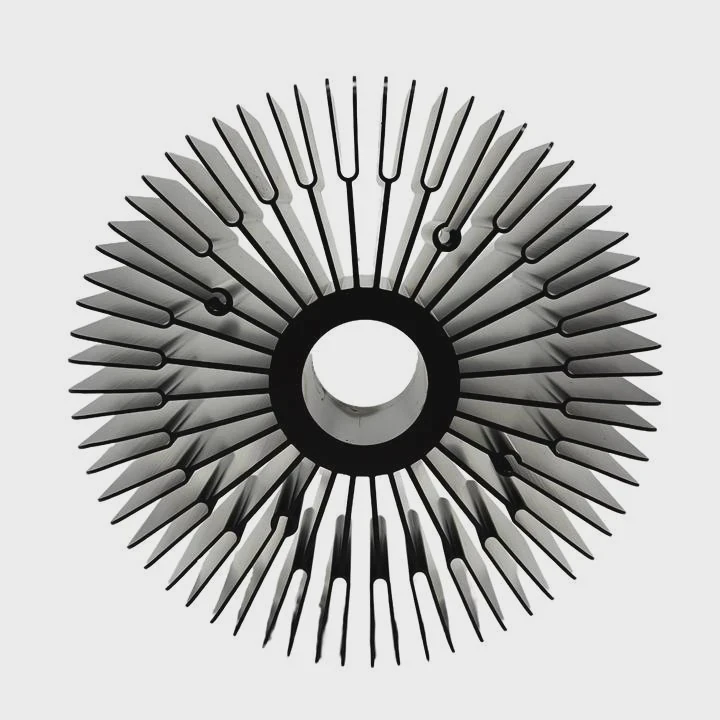
This pattern makes the heatsink land flat. It also keeps thermal paste in the right place.
Why the cross pattern works
The cross pattern spreads pressure evenly. When you tighten one screw, the opposite screw balances the force. This keeps the heatsink aligned.
How I use the cross method
I lower the heatsink. I start with one screw. I give it a small turn. Then I go to the opposite screw. I repeat this until I feel light resistance. Then I cycle again.
Table: Different tightening patterns
| Pattern | Pressure Quality | Best Use |
|---|---|---|
| Cross pattern | Very even | CPU coolers, GPUs |
| Star pattern | Good | Large heatsinks |
| Circular pattern | Uneven | Should be avoided |
Why even pressure matters
Even pressure improves thermal contact. When the base sits flat, heat moves quickly into the heatsink. This lowers temperature. I always see better results when I use even pressure patterns.
Can springs prevent board damage?
When I built my first workstation, I noticed small springs on the heatsink screws. I did not know their purpose. Later, I saw how much safer mounting became with them.
Yes, springs can prevent board damage because they limit force, absorb pressure spikes, and keep the heatsink from crushing the PCB when screws tighten.
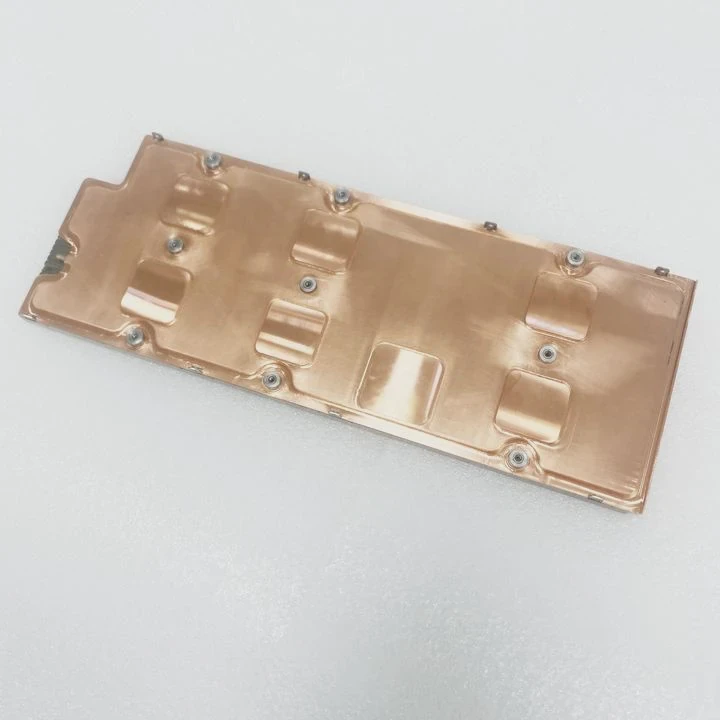
Springs act like shock absorbers. They keep pressure steady. They make the mount more forgiving. This helps beginners who fear cracking the board.
How springs control pressure
Springs compress as the screw goes down. This controls the force on the board. When I use spring screws, I never worry about overtightening.
How springs reduce vibration
Springs also help with vibration. Fans cause small movements. Springs absorb these movements. This keeps contact stable during load.
When springs matter most
Springs matter when the heatsink is heavy. Large coolers put stress on the board. Springs reduce that stress.
Table: Spring mounting benefits
| Benefit | Result |
|---|---|
| Pressure control | Less PCB bending |
| Smoother tightening | Stable contact |
| Vibration absorption | Better long-term temps |
| Safer for beginners | Lower risk of damage |
Why I prefer spring screws
I always see fewer mounting problems when springs are used. They make installation easier. They protect the board. They also help the cooler sit flat for many years.
Should torque match manufacturer spec?
I used to tighten screws by feel. Sometimes it worked. Sometimes it did not. Then I started reading the manuals. The torque values surprised me. They were lower than I expected.
Yes, torque should match the manufacturer spec because the maker knows the safe pressure limit, the correct mounting force, and the amount needed for full contact without damage.
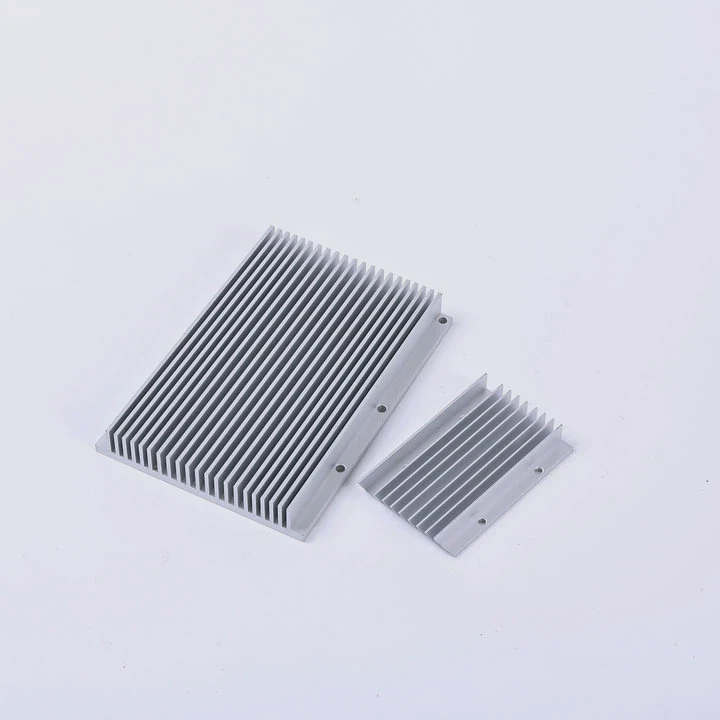
Torque specs exist for a reason. They protect the cooler and the board. They also ensure that the cooler sits exactly as designed.
Why torque specs matter
Manufacturers test coolers on many boards. They find the torque that gives the best contact. They also test how boards bend under too much force. This is why their numbers matter.
How wrong torque affects performance
If torque is too low, contact is weak. The paste layer becomes thick. Heat moves slowly. If torque is too high, the board bends. The heatsink may warp. Both cases hurt cooling.
How I follow torque values
I use small turns. I do not rush. If the maker says “stop at firm resistance,” I follow that rule. If the maker lists torque, I match it with a torque tool. Most people do not need one. Small steps with even pressure work fine.
Table: Typical torque guidelines
| Component | Common Torque Range | Notes |
|---|---|---|
| CPU air cooler | 0.3–0.6 Nm | Depends on springs |
| AIO pump block | 0.4–0.8 Nm | Keep pressure even |
| GPU heatsink | 0.2–0.5 Nm | Use cross pattern |
Why using correct torque improves long-term stability
When pressure stays correct, the cooler lasts longer. Contact stays flat. Paste stays in place. Heat moves well. I saw fewer temperature spikes when torque matched the spec. This is why I follow the manual every time.
Conclusion
Screwing a heatsink is simple when you use small steps, even pressure, safe torque, and spring support. These habits protect the board, improve contact, and keep your system cool for years.
TAGS
Latest Articles

Volume discount levels for heat sink orders?
Buyers often ask when heat sink prices start to drop with volume. Many worry they’re overpaying for small orders. This guide explains how B2B volume pricing works for thermal components. Heat sink
21 Dec,2025
Heat sink long-term supply contract options?
Many buyers want stable pricing and reliable delivery for heat sinks. But without a clear contract, risks grow over time. This article explores how to secure better long-term supply deals. Long-term
21 Dec,2025
Tooling cost for new heat sink profiles?
Many engineers struggle to understand why tooling for custom heat sinks costs so much. They worry about budgeting and production timelines. This article breaks down the cost drivers behind tooling.
21 Dec,2025
Heat sink custom sample process steps?
Sometimes, starting a custom heat sink project feels overwhelming—too many steps, too many unknowns, and too many risks. You want a sample, but not endless delays. The process for requesting and
20 Dec,2025
Standard B2B terms for heat sink payments?
When buyers and sellers in B2B heat sink markets talk about payment, many don’t fully understand what’s standard. This can lead to delayed orders, miscommunication, and even lost business
20 Dec,2025
Heat sink pricing factors for large orders?
Heat sinks are vital for many systems. When prices rise, projects stall and budgets break. This problem can hit teams hard without warning. Large order heat sink pricing depends on many factors. You
20 Dec,2025Related Articles
- How to use old heatsink?
- can heatsinks be used on dell xps 13?
- can the fan of a cpu heatsink be replaced?
- do heatsink fans push air or pull air?
- how to install new heatsink?
- Will Samsung 980 Pro with heatsink fit in a laptop?
- do you apply thermal paste to cpu and heatsink?
- are heatsinks on ssd necessary?
- How to remove fan from AMD heatsink?
- can you buy wd black sn750 heatsink cover?
- how to mount heatsink?
- can computer turn on without heatsink?
Author
Dr. Emily Chen
Chief AI Researcher
Leading expert in thermal dynamics and AI optimization with over 15 years of experience in data center efficiency research.
Categories
Latest Products
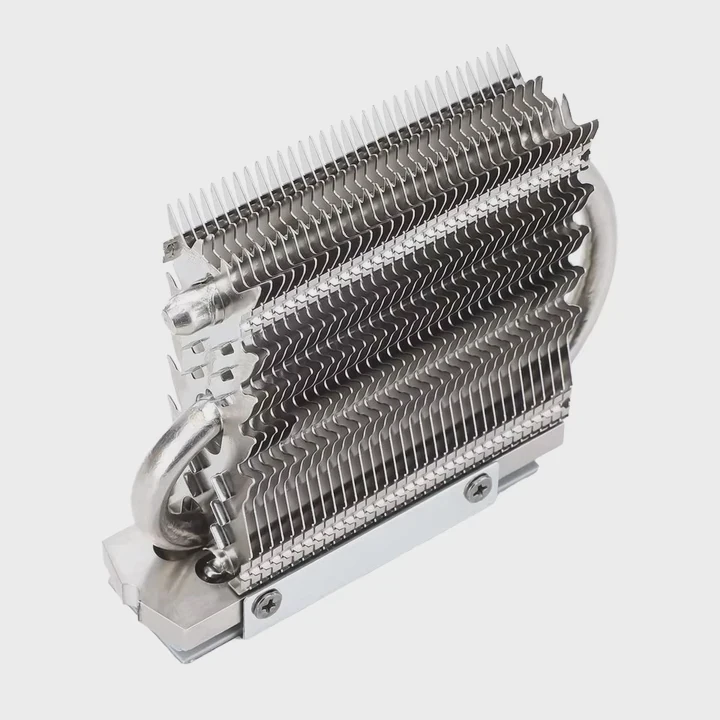
M.2 Heatpipe Heatsink With Dual Fans For Pc Case
19 Mar,2026
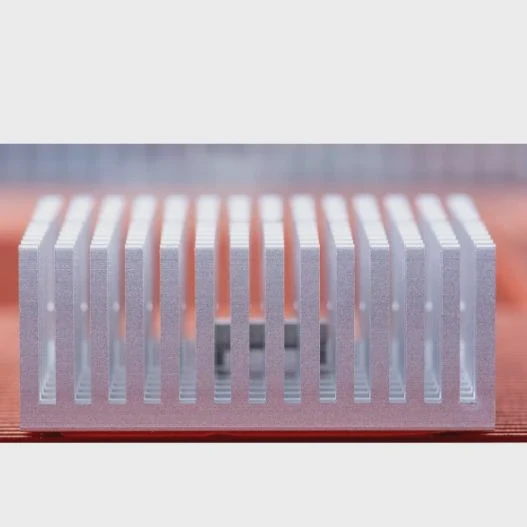
Heavy-Duty Aluminum Heat Sink Custom
19 Mar,2026
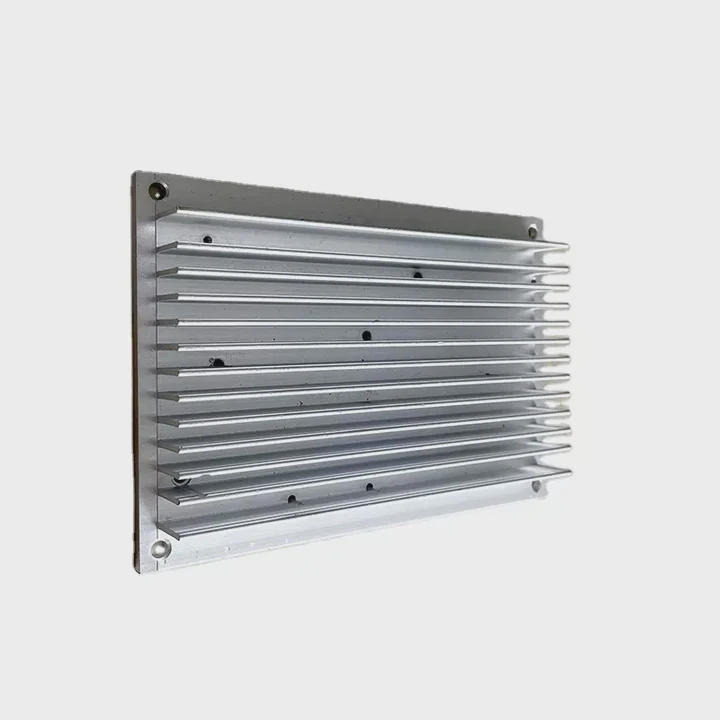
Oem Skived Fin Heatsink Aluminum Radiator For Plants
19 Mar,2026
Water Cooled Cnc Aluminum Heat Sink For Medical
19 Mar,2026
High Density 6000 Series Aluminum Heat Sink Profile
19 Mar,2026
High-Density Extruded Aluminum & Bonded-Fin Heat Sink Profile
19 Mar,2026
Recommend Categories
- Liquid cooling plate Manufacturer
- Industrial Heat Sink Manufacturer
- Standard Heat Sink Manufacturer
- Aluminum Heat Sink Manufacturer
- Copper Heat Sink Manufacturer
- Anodized Heatsink Manufacturer
- Stamping heat sink Manufacturer
- Die Casting Heatsink Manufacturer
- Soldering heat sink Manufacturer
- CNC Parts Manufacturer
Latest Products
- M.2 Heatpipe Heatsink With Dual Fans For Pc Case
- Heavy-Duty Aluminum Heat Sink Custom
- Oem Skived Fin Heatsink Aluminum Radiator For Plants
- Water Cooled Cnc Aluminum Heat Sink For Medical
- High Density 6000 Series Aluminum Heat Sink Profile
- High-Density Extruded Aluminum & Bonded-Fin Heat Sink Profile
- Dongguan Cnc Aluminum Heat Sink For Led & Brass Parts
- Wholesale Cnc Aluminum Heat Sink - Custom Extruded
- Led Cnc Round Heat Sink With Screw Holes
- Copper Pin-Fin Heat-Sink Large-Area For Photoled Cooling
- Telecom Heatsink Zipper Fin Wcopper Tubes Oem
Contact Expert
Have questions about this article? Reach out to our experts directly.