blogs
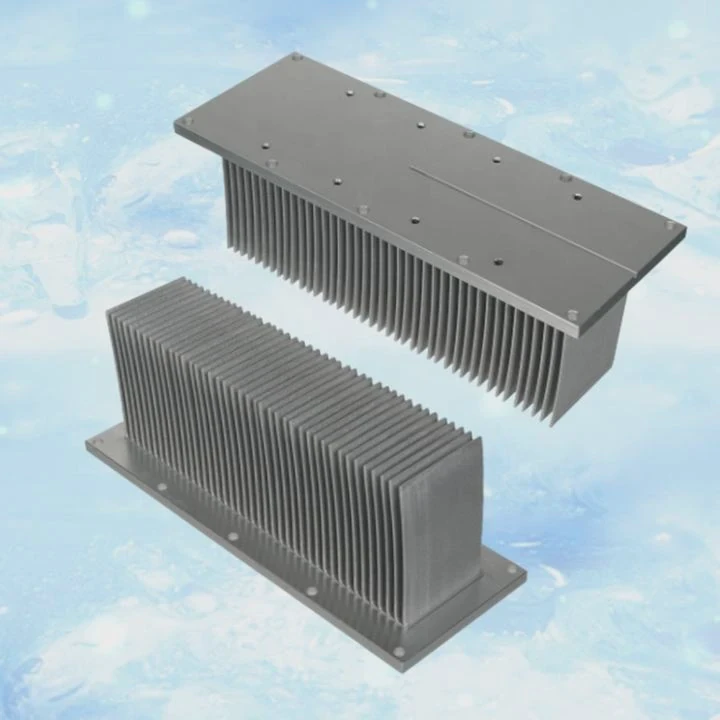
Vapor Chamber sealing method recommendations?
Feeling stuck choosing the right seal for your vapor chamber? This decision can make or break performance. Selecting the optimal sealing method ensures your vapor chamber remains vacuum‑tight,
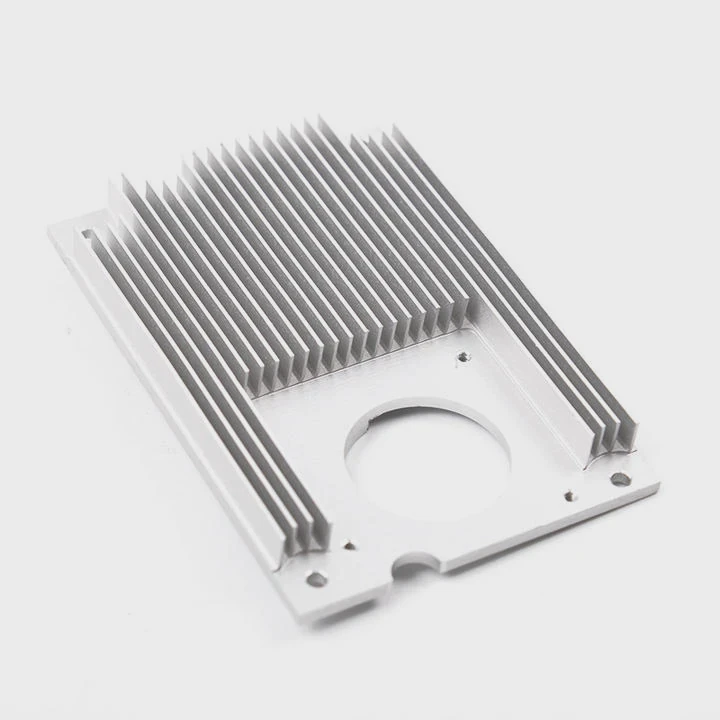
Vapor Chamber best filling liquids?
We face big trouble when a vapor chamber under‑performs and overheats—what if the wrong fluid is to blame? Yes, choosing the correct working fluid for a vapor chamber is vital. The right fluid
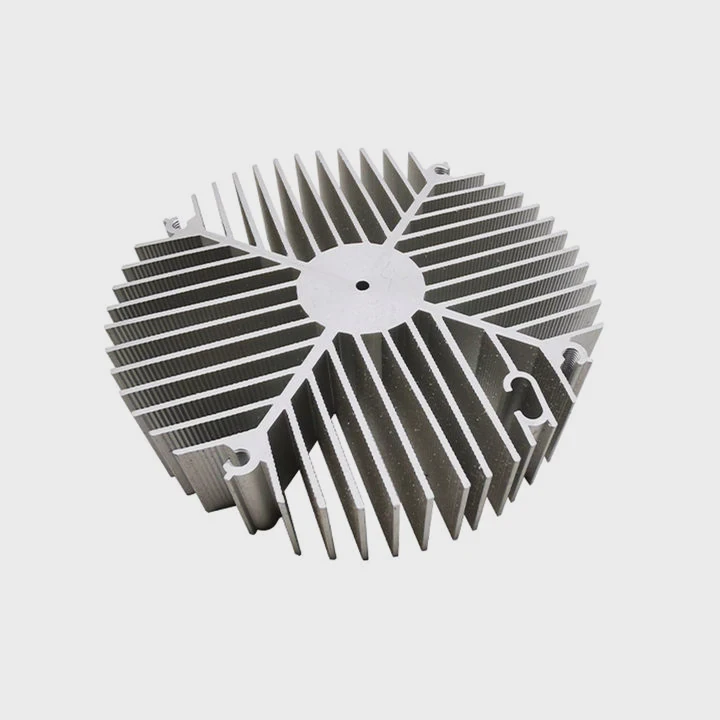
Vapor Chamber roughness standards for contact surfaces?
In the world of thermal management, the roughness of contact surfaces often hides in plain sight. Without proper control of surface finish, a high‑performance vapor chamber can underperform or fail.
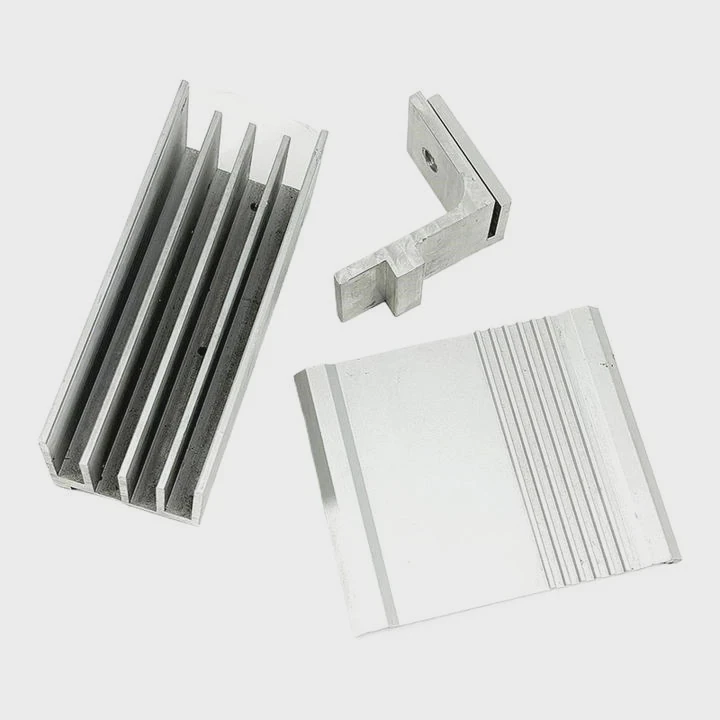
Which industry uses Vapor Chamber mostly?
In today’s high-performance devices, heat can become a silent killer. The way we manage that heat determines if a product thrives or fails. In short: vapor chambers are already mainstream in
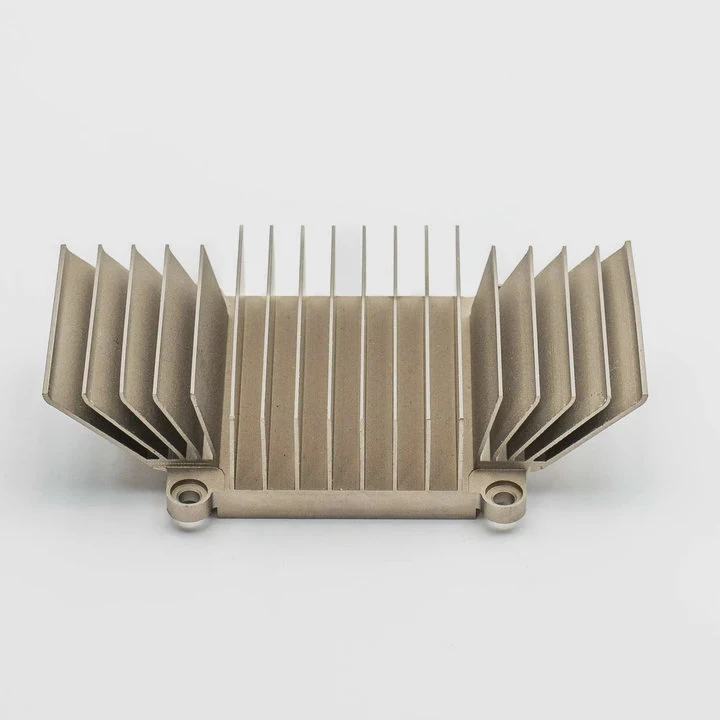
Vapor Chamber integration in cooling modules?
Facing poor module performance or bulky thermal stacks? Integrating a vapor chamber correctly unlocks better thermal efficiency and slimmer designs. Integrating a vapor chamber into a thermal module
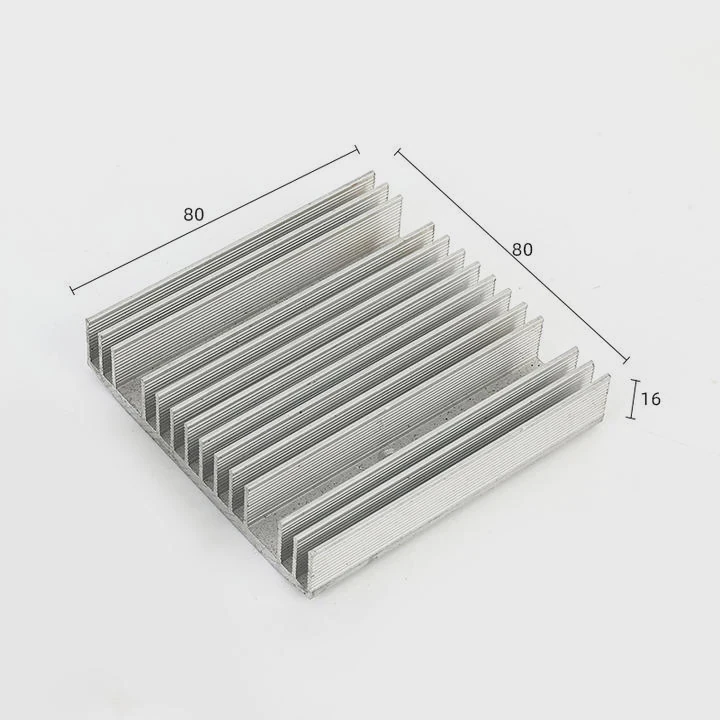
Vapor Chamber brazing temperature requirements?
In manufacturing high‑performance vapor chambers, the brazing step plays a critical role in sealing the chamber, forming the internal structure and ensuring long‑term integrity. Selecting the correct
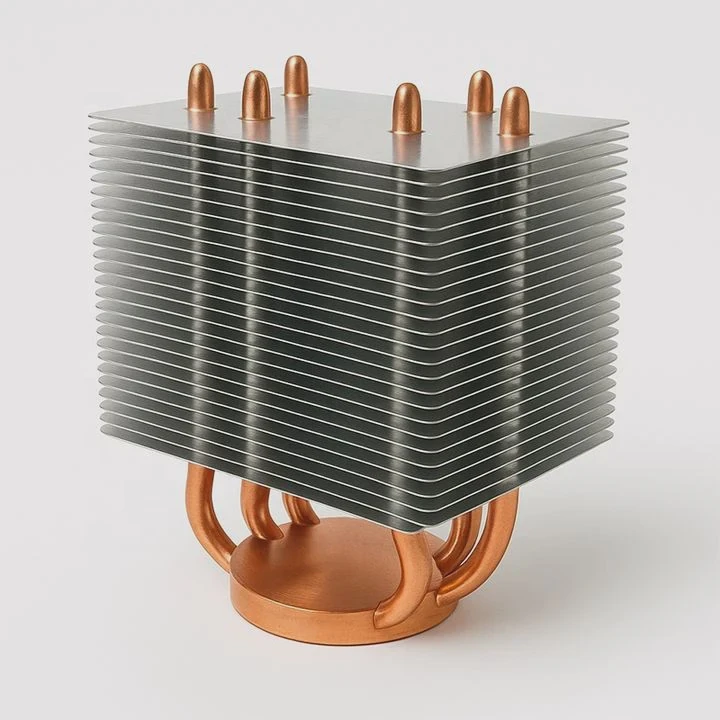
Vapor Chamber size limitations in manufacturing?
Oversized heat spreaders can look great in CAD, but can they actually be built? Design ambition often hits manufacturing limits. Vapor chambers have real size and material boundaries. Going too big
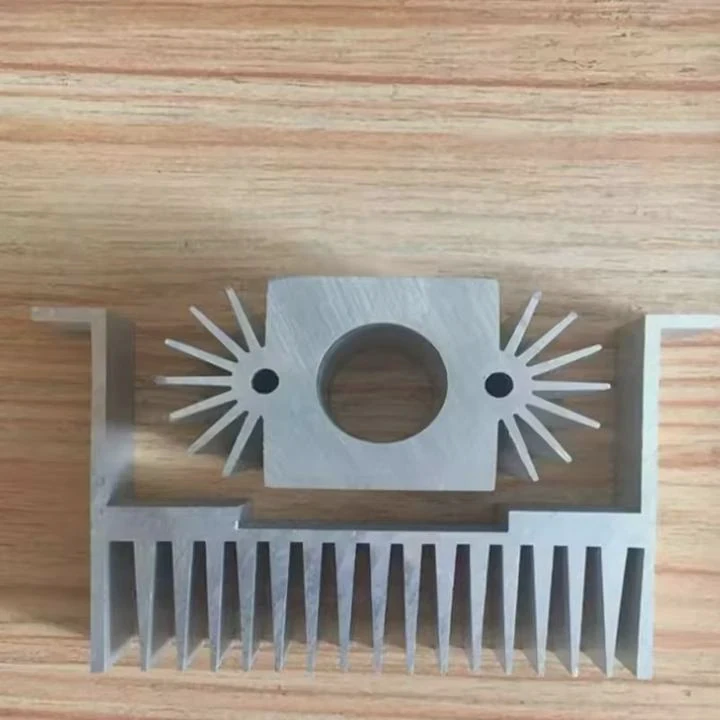
Vapor Chamber life cycle testing process?
Cooling devices like vapor chambers must last for years—often in extreme conditions. A great design means little if it fails in six months. That’s where life cycle testing makes the difference. The
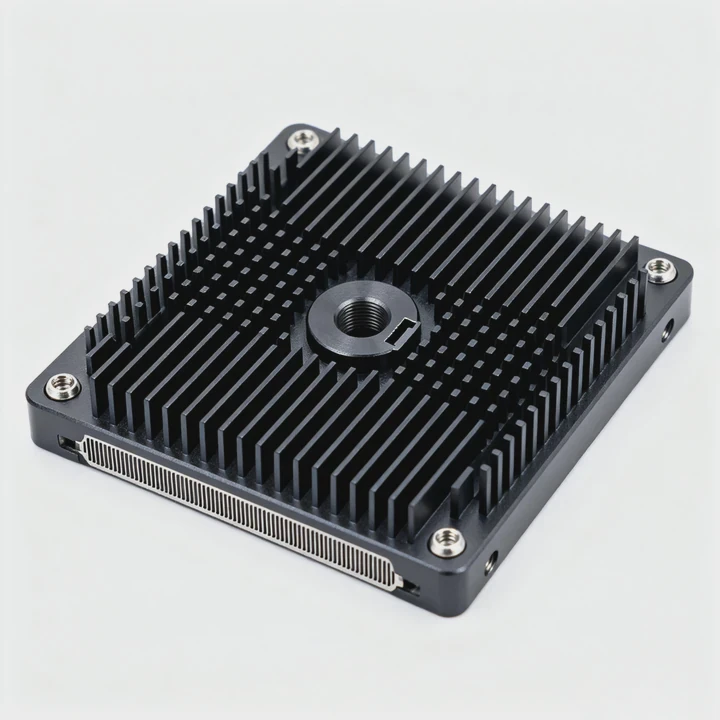
Vapor Chamber maximum heat flux capacity?
Designing for extreme power density? You need to know how much heat a vapor chamber can handle—before it fails. Yes, vapor chambers can manage heat flux up to 300 W/cm² with advanced wick structures,
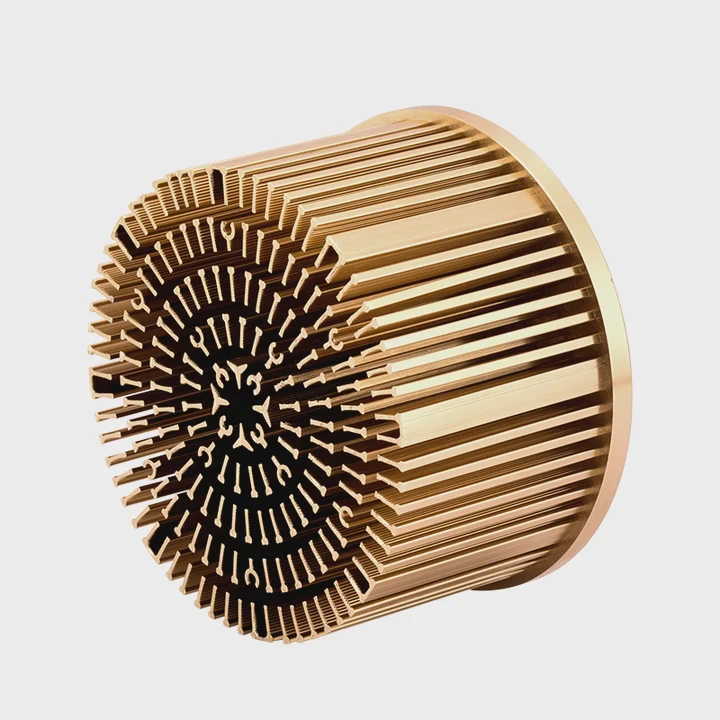
Vapor Chamber surface flatness tolerance?
Facing uneven mounting surfaces and degraded thermal contact? Surface flatness of a vapor chamber can make or break system performance. For a vapor chamber’s interface surface, a flatness tolerance
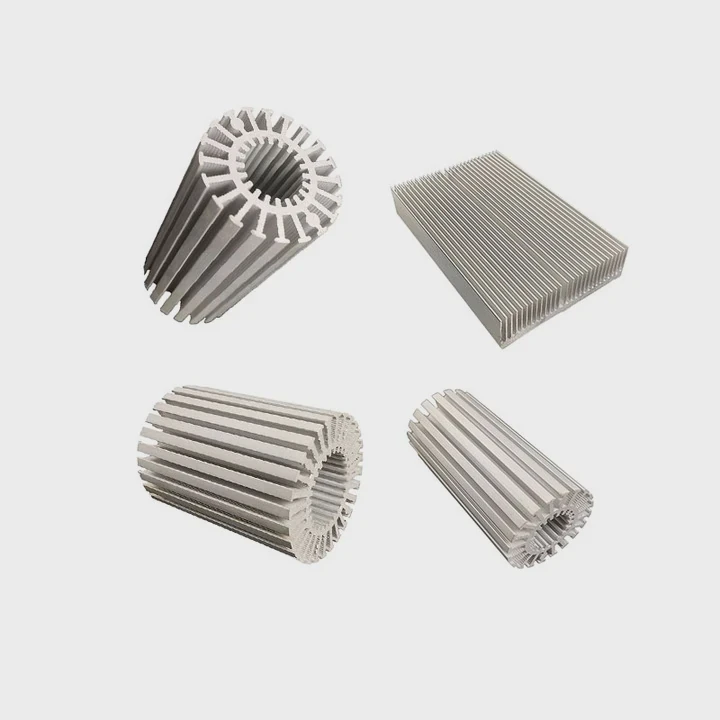
Vapor Chamber for defense industry electronics?
Thermal management in defense electronics is unforgiving. From radar to avionics, failure isn’t an option. Every degree counts, and rugged performance is the baseline. Yes — vapor chamber
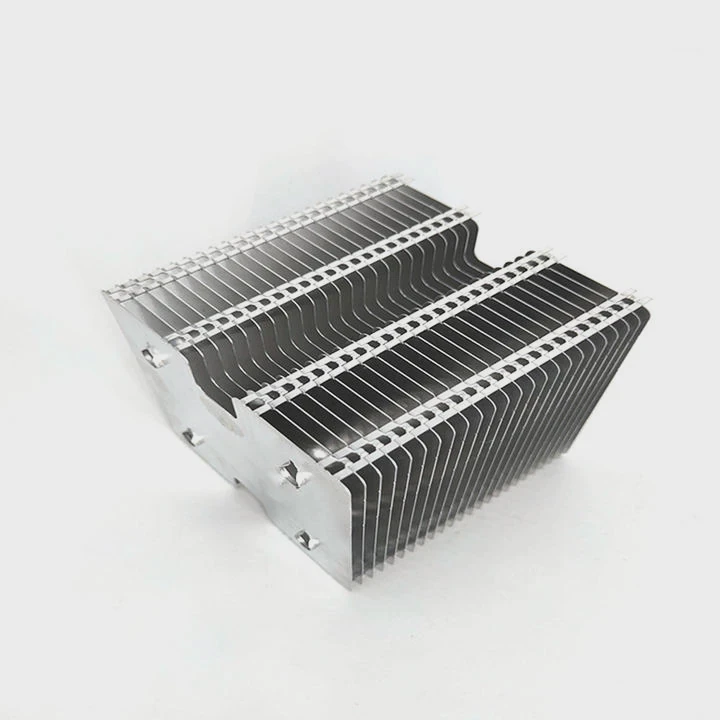
Standard Vapor Chamber copper purity requirements?
Copper purity in vapor chambers matters for performance, reliability and manufacturability. This blog covers the standard copper purity used, how different applications change the requirements, the
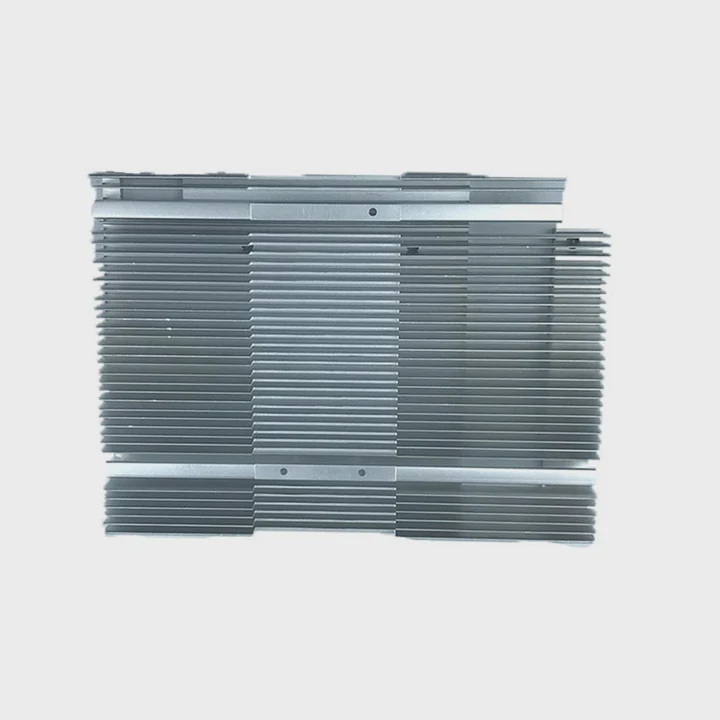
Does Vapor Chamber support rapid prototyping?
Waiting too long for a prototype can stall your entire project. Missed deadlines and long cycles increase costs fast. Vapor chambers can support rapid prototyping if designs are simple, tooling is
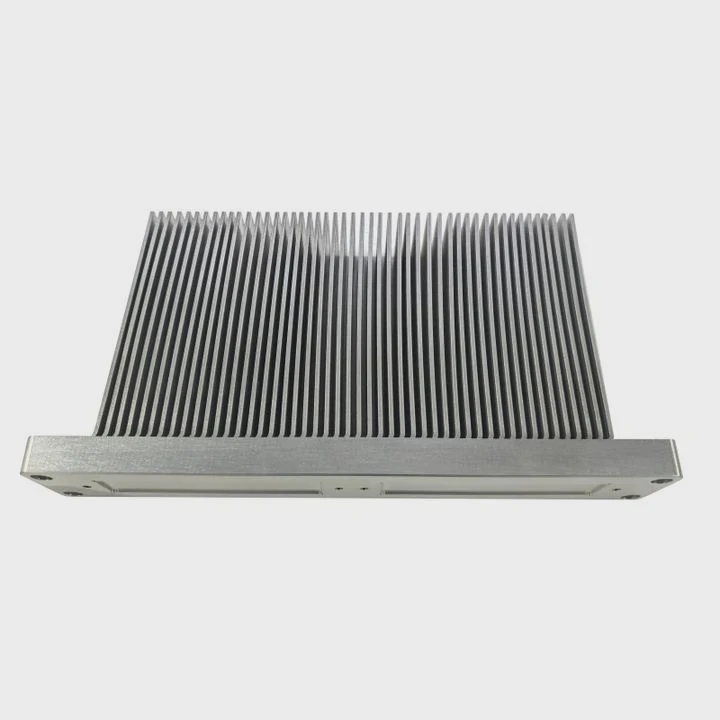
Vapor Chamber impact resistance specifications?
As vapor chambers are integrated into increasingly rugged environments—from aerospace to rail—mechanical reliability under shock and vibration has become just as critical as thermal performance.
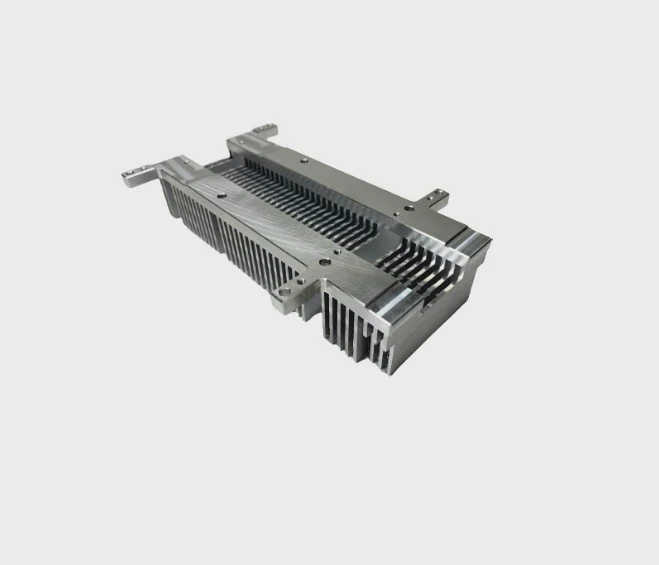
Can Vapor Chamber work in subzero temperatures?
Cold conditions might freeze working fluids and stop vapor chambers from functioning—but is that always the case? Yes, vapor chambers can operate in subzero temperatures with appropriate fluid
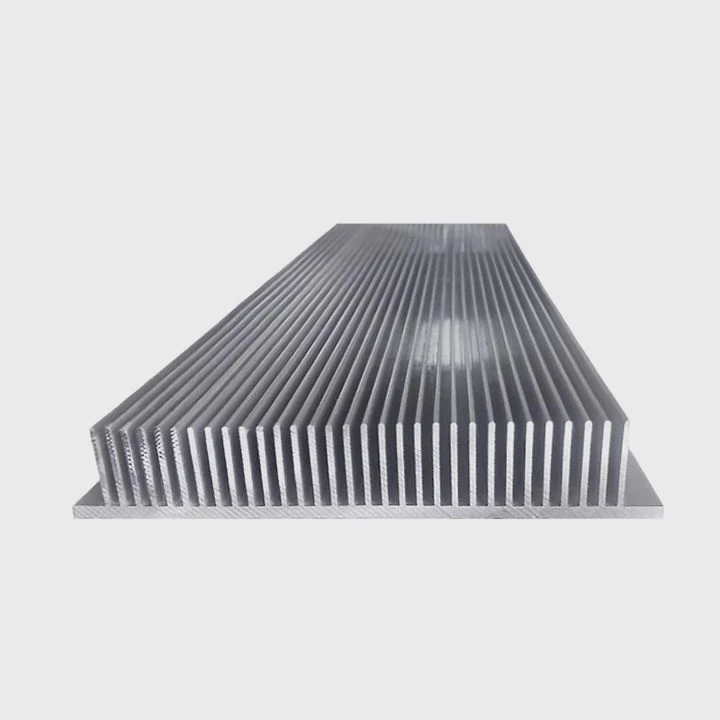
Typical cycle testing for Vapor Chamber durability?
When vapor chambers fail early in the field, it’s often because durability testing was skipped or done wrong. Cycle testing helps make sure vapor chambers can handle real-world use by repeating