Vapor Chamber surface flatness tolerance?
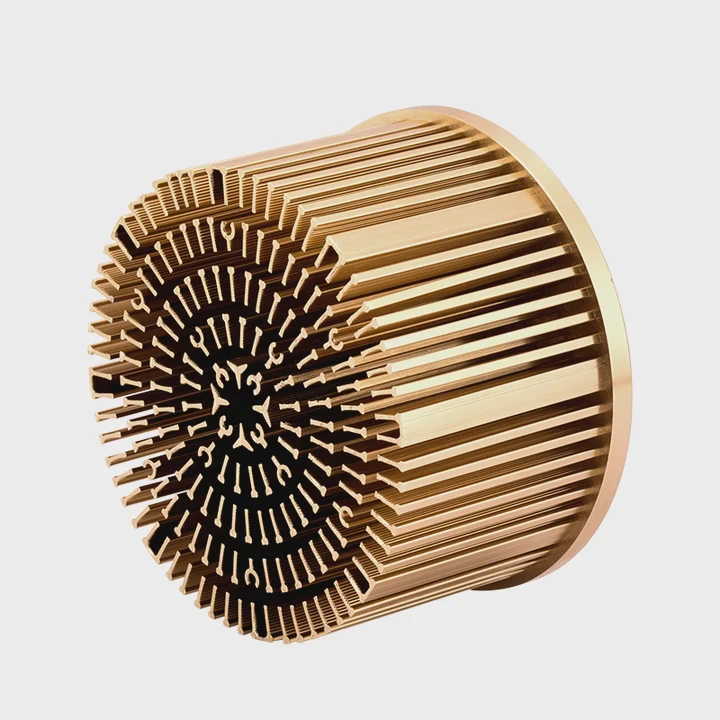
Facing uneven mounting surfaces and degraded thermal contact? Surface flatness of a vapor chamber can make or break system performance.
For a vapor chamber’s interface surface, a flatness tolerance around 0.05 mm (≈ 0.002 inches) over 25 mm is generally acceptable; for ultra‐high performance modules, around 0.025 mm (≈ 0.001 inches) may be required.
I’ll walk you through what “flatness” really means, how it’s measured, why it matters for heat transfer efficiency, and whether CNC finishing is a smart move.
What is acceptable flatness for Vapor Chamber surfaces?
When a vapor chamber sits against a heat source, even small deviations in flatness can reduce contact and raise thermal resistance.
Typically the contact surface of a vapor chamber should be flat to within approximately 0.05 mm across a 25 mm span; in high‐density thermal modules this may need to be 0.025 mm or better.
Understanding the metric
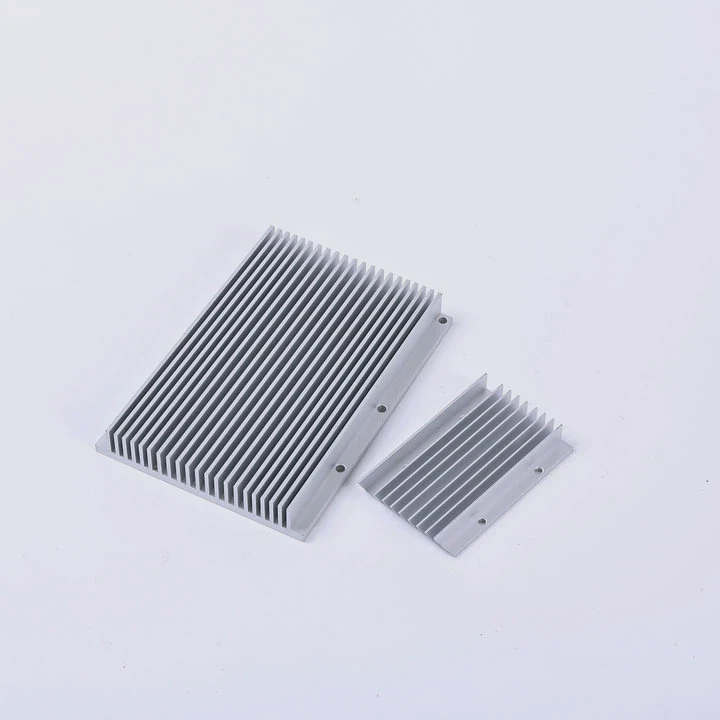
Flatness here is the maximum deviation in height between any two points in the specified zone. If the surface isn’t flat, only peaks touch the heat sink or cold plate. That means more thermal interface material (TIM) is needed, or poor contact happens, both causing higher thermal resistance.
Tolerance zones for different applications
| Application Area | Flatness Tolerance Recommendation | Reason |
|---|---|---|
| Critical contact region | ≤ 0.05 mm over ~25 mm | Ensures good metal‐to‐metal contact |
| Large peripheral surface on the plate | Concavity allowed up to ~0.5 mm | Less thermally critical region |
| Ultra high‑power density module | ≤ 0.025 mm over ~25 mm | Minimizes TIM thickness and contact loss |
Why the tolerance levels differ
For many applications, a tolerance of 0.05 mm is sufficient because the TIM bridges small gaps. When power density is very high or margin is tight, every micron counts. Tighter tolerance (0.025 mm) costs more in manufacturing but gives better thermal performance.
Specifying flatness in drawings
- Identify the zone (e.g., “interface surface contact area”).
- Specify: “Surface flatness ≤ 0.05 mm over any 25 mm span”.
- Note surface finish or treatment (plating, coating) if required.
- Include measurement method and datum reference.
Defining clearly early helps manufacturing and inspection to align with performance goals.
How is flatness measured in production QA?
If flatness isn’t measured well, you risk inconsistent thermal performance or hidden failures.
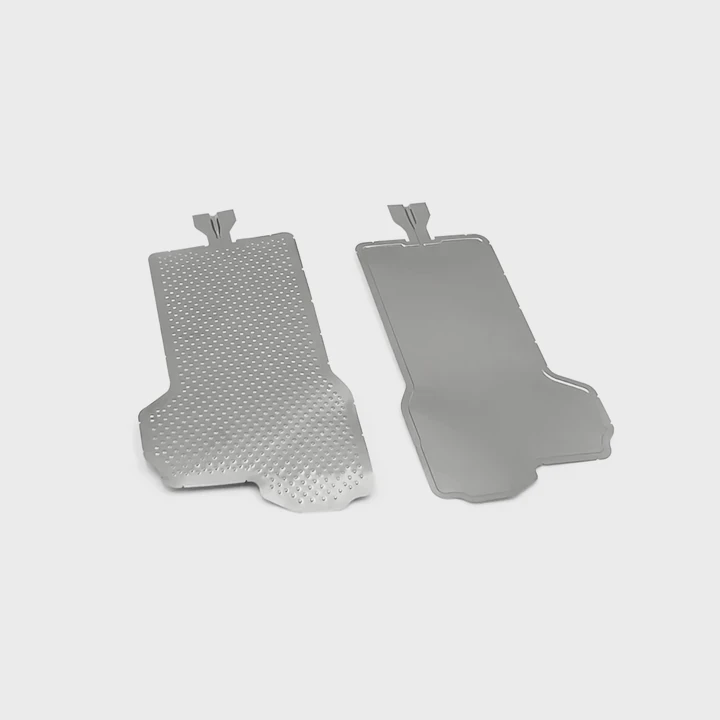
Measurement is done on a precision surface plate or using optical flats, laser scanning or interferometry to record deviation across the specified zone.
Common measurement techniques
- Surface plate + dial indicator: Place the vapor chamber on a flat granite plate and sweep a gauge across the contact zone to capture deviations.
- Optical flat and interference method: Place a transparent optical flat on the surface; light fringes show deviations.
- Laser or structured‐light scanning: Produces a full surface deviation map—good for batch inspection.
- Coordinate Measuring Machine (CMM): Probe the surface across defined points and compute flatness relative to a best‐fit plane.
QA workflow example
- Clean and prepare the surface (remove dust/debris).
- Mount the chamber on the reference flat plate or fixture.
- Zero the gauge at the datum point.
- Sweep gauge or scan across grid points (e.g., every 10 mm) in the contact area.
- Record maximum deviation (e.g., +0.03 mm / ‑0.02 mm) and check against tolerance.
- Log results, and if out of spec, tag for rework or reject.
Production considerations
| Consideration | Best Practice |
|---|---|
| Datum consistency | Use same reference surface/fixture each time |
| Temperature control | Measure at stable ambient (e.g., 20–25 °C) |
| Tooling & surface wear | Monitor wear of plate and fixture |
| Batch trending | Track flatness over production lots |
| Cost vs tolerance | Evaluate scrap or rework vs tighter spec |
Measurement is not just a release check—it’s a key part of process control. Flatness drift often signals fixture wear or bonding issues.
Does poor flatness reduce heat transfer efficiency?
A mechanical spec like flatness may seem minor, yet its impact on thermal performance is significant.
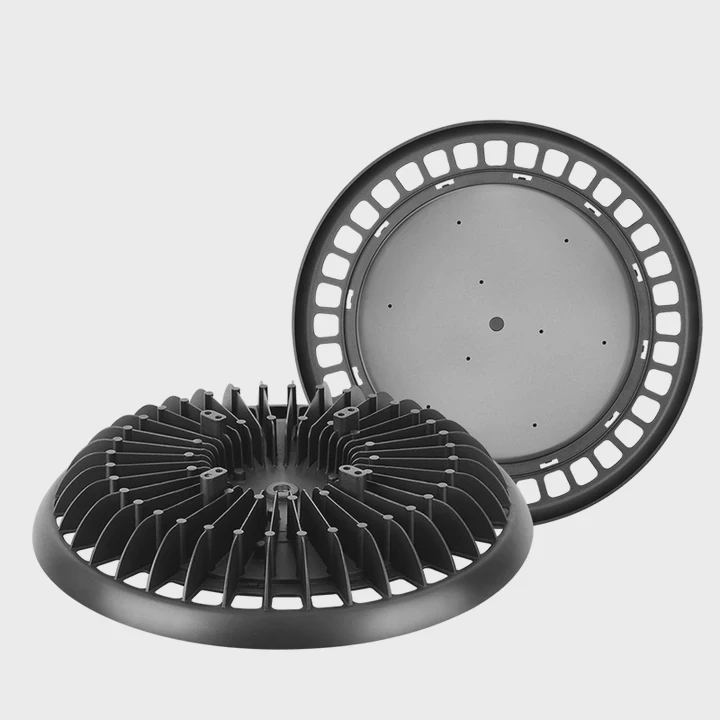
Poor flatness increases the gap between mating surfaces, forces thicker TIM layers or allows voids, and therefore raises thermal interface resistance—reducing heat transfer efficiency of the vapor chamber assembly.
How flatness influences performance
When the interface surface is not flat:
- Only peaks make contact; valleys get filled with TIM or air (low conductivity).
- A thicker TIM layer means higher resistance.
- Local hotspots may form where contact is poor.
- Over time thermal cycling may worsen fit and increase resistance further.
Quantitative impact
Although exact numbers depend on specific geometry and TIM, studies show that deviations from flatness increase contact resistance, especially in high‐power designs. For example, a change from flatness of 0.025 mm to 0.1 mm may significantly increase thermal resistance and reduce performance.
Risk scenarios
- High‐power computing where every degree matters, and low differential is targeted.
- Telecom or aerospace electronics with large vapor chambers and thin TIM layers.
- Large plates or modules where mounting surfaces may bow and cause non‑flat zones.
Mitigation strategies
- Specify and enforce tight flatness tolerance for critical zones.
- Use proper clamping and mounting to maintain contact under load.
- Choose compliant TIM but don’t rely on it to correct major deviations.
- Inspect flatness pre‐assembly and monitor performance drift over cycles.
In summary, yes—flatness matters a lot. Poor flatness doesn’t just affect manufacturing, it degrades thermal performance and reliability.
Can CNC improve surface flatness of Vapor Chambers?
When initial manufacturing (stamping, bonding) introduces warp or distortion, precision machining may help correct it.
Yes — CNC milling or precise grinding can improve the flatness of vapor chamber surfaces, often achieving tolerances around 0.025 mm over 25 mm or better in critical zones, at the cost of added process steps and cost.
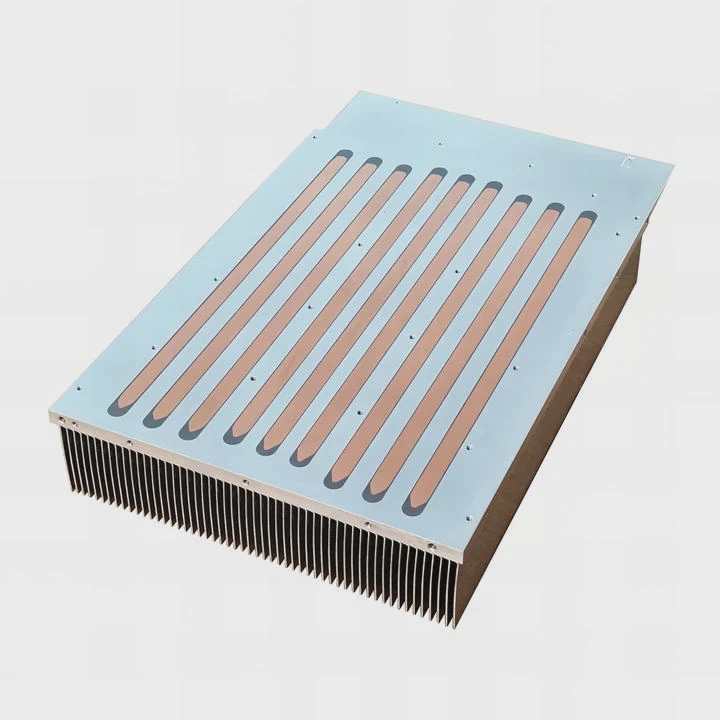
Why add CNC finishing
- Bonding/welding processes may introduce residual distortion or bow.
- Machining contact surfaces ensures they meet tighter flatness.
- For high‐density thermal designs, this improves contact and margin.
Process considerations
| Factor | Impact |
|---|---|
| Additional cost & lead time | Machining adds cost and time |
| Fixturing during machining | Must hold chamber flat without inducing new warp |
| Post‑machining surface treatment | May require coating or plating |
| Drawing spec clarity | Machining tolerance must be clearly called |
When CNC finishing is justified
- High‐power modules where thermal margin is tight.
- Custom vapor chambers where standard stamping cannot meet flatness spec.
- Applications where failure or performance loss is very costly (aerospace, telecom).
Practical machining flow
- Bond or assemble vapor chamber plate.
- Perform coarse inspection and identify deviation.
- Fixture onto flat plate and CNC mill contact surface.
- Optional: plate or coat surface after machining.
- Final inspection and record flatness data for QA.
In brief: CNC finishing is a powerful option to reach tight flatness specs and boost thermal performance—but you must weigh cost, lead time, and process complexity.
Conclusion
Surface flatness for vapor chambers is more than a mechanical footnote—it is central to thermal performance and reliability. Specify realistic tolerances (≈ 0.05 mm or tighter), implement rigorous measurement in production, understand how poor flatness cuts thermal efficiency, and use CNC finishing when required for high‑performance designs.
TAGS
Latest Articles

Volume discount levels for heat sink orders?
Buyers often ask when heat sink prices start to drop with volume. Many worry they’re overpaying for small orders. This guide explains how B2B volume pricing works for thermal components. Heat sink
21 Dec,2025
Heat sink long-term supply contract options?
Many buyers want stable pricing and reliable delivery for heat sinks. But without a clear contract, risks grow over time. This article explores how to secure better long-term supply deals. Long-term
21 Dec,2025
Tooling cost for new heat sink profiles?
Many engineers struggle to understand why tooling for custom heat sinks costs so much. They worry about budgeting and production timelines. This article breaks down the cost drivers behind tooling.
21 Dec,2025
Heat sink custom sample process steps?
Sometimes, starting a custom heat sink project feels overwhelming—too many steps, too many unknowns, and too many risks. You want a sample, but not endless delays. The process for requesting and
20 Dec,2025
Standard B2B terms for heat sink payments?
When buyers and sellers in B2B heat sink markets talk about payment, many don’t fully understand what’s standard. This can lead to delayed orders, miscommunication, and even lost business
20 Dec,2025
Heat sink pricing factors for large orders?
Heat sinks are vital for many systems. When prices rise, projects stall and budgets break. This problem can hit teams hard without warning. Large order heat sink pricing depends on many factors. You
20 Dec,2025Related Articles
- Vapor Chamber for defense industry electronics?
- Standard Vapor Chamber copper purity requirements?
- Does Vapor Chamber support rapid prototyping?
- Vapor Chamber impact resistance specifications?
- Can Vapor Chamber work in subzero temperatures?
- Typical cycle testing for Vapor Chamber durability?
- Vapor Chamber maximum heat flux capacity?
- Vapor Chamber life cycle testing process?
- Vapor Chamber size limitations in manufacturing?
- Vapor Chamber brazing temperature requirements?
- Vapor Chamber integration in cooling modules?
- Which industry uses Vapor Chamber mostly?
Author
Dr. Emily Chen
Chief AI Researcher
Leading expert in thermal dynamics and AI optimization with over 15 years of experience in data center efficiency research.
Categories
Latest Products






Recommend Categories
- Liquid cooling plate Manufacturer
- Industrial Heat Sink Manufacturer
- Standard Heat Sink Manufacturer
- Aluminum Heat Sink Manufacturer
- Copper Heat Sink Manufacturer
- Anodized Heatsink Manufacturer
- Stamping heat sink Manufacturer
- Die Casting Heatsink Manufacturer
- Soldering heat sink Manufacturer
- CNC Parts Manufacturer
Latest Products
- Wholesale Aluminum Radiator
- Water Cooling Plate Kit
- Water Cooling Heat Sink
- Water Cooling Heat Sink Kit
- Stainless Steel Water Distributor
- Server Water Cooling Plate Kit
- Server Liquid Cooling System
- Server Aluminum Cooling Kit
- S19 Full Cover Cooling Plate
- S19 Cooling Plate Kit
- S19 Aluminum Cooling Plate
Contact Expert
Have questions about this article? Reach out to our experts directly.