Vapor Chamber impact resistance specifications?
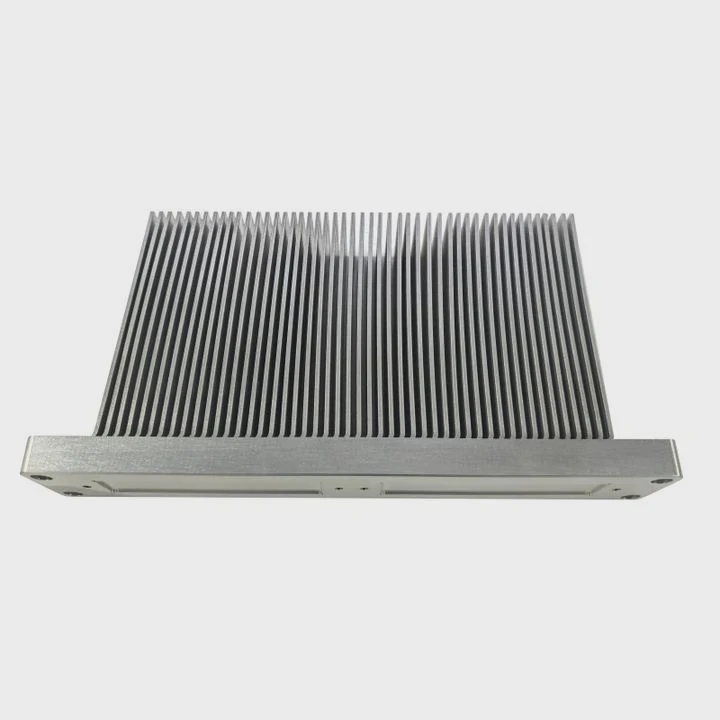
As vapor chambers are integrated into increasingly rugged environments—from aerospace to rail—mechanical reliability under shock and vibration has become just as critical as thermal performance.
Vapor chambers can offer moderate impact resistance when properly designed, and ruggedized models exist for harsh environments. Internal structures, material thickness, and external support all contribute to impact durability.
This article explores what levels of impact resistance are possible, how rugged models are built, how QA tests shock durability, and what engineering strategies enhance structural resilience.
What impact resistance levels do Vapor Chambers offer?
Most standard vapor chambers do not come with explicit “g-force” ratings like structural parts. However, their resistance to impact is tied to design factors such as wall thickness, internal support pillars, seam welding, and mounting method.
Typical vapor chambers can tolerate moderate mechanical shock, and enhanced designs with internal columns and thicker walls withstand drops and vibration in demanding applications.
Design factors affecting impact resistance
| Parameter | Effect on Impact Durability |
|---|---|
| Wall thickness (≥0.8 mm) | Improves stiffness and pressure tolerance |
| Internal support columns | Prevent top plate collapse or warping |
| Weld quality | Determines leak risk under shock |
| Chamber footprint | Larger surface distributes stress better |
Application examples
Some suppliers already deploy vapor chambers in telecom, aerospace, and transportation sectors—implying their basic structures pass industry shock requirements when designed properly.
As a supplier, you should state the mechanical properties in terms of structural features and suggested handling, even if exact g-force data is not published.
Are rugged Vapor Chambers available for harsh environments?
Yes. Ruggedized vapor chambers are built to survive in environments with shock, vibration, thermal cycling, and occasional mechanical abuse.
Rugged vapor chambers exist and include thick copper walls, tightly spaced internal columns, robust seam welds, and support for mechanical shock from 50–100 g in specific designs.
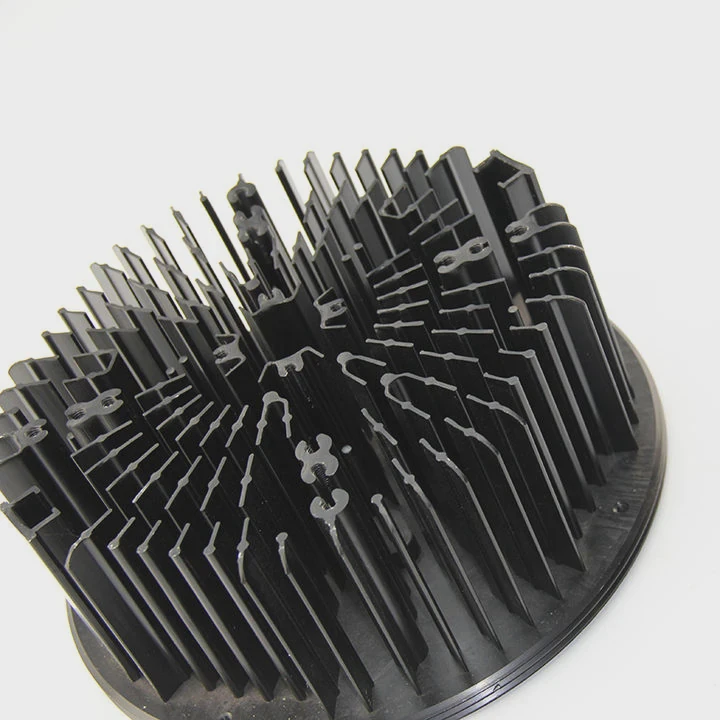
Features of rugged designs
- Copper wall thickness ≥0.8–1.0 mm
- Column grid spacing optimized for pressure support
- Diffusion or laser weld sealing
- Reinforced perimeter frame or mounting plate
- Validated under mechanical shock and random vibration testing
These designs target sectors such as:
- High-speed rail electronics
- Electric vehicle traction inverters
- Aerospace control systems
- Military RF or radar cooling
For your thermal module business, offering “reinforced thermal spreaders” with mechanical validation is a key differentiator in high-end B2B markets.
How is impact resistance tested during QA?
While vapor chamber datasheets rarely list shock limits, serious QA includes standard mechanical testing protocols to validate robustness.
QA teams use shock, drop, vibration, and thermal cycling tests to qualify vapor chambers for rugged use.
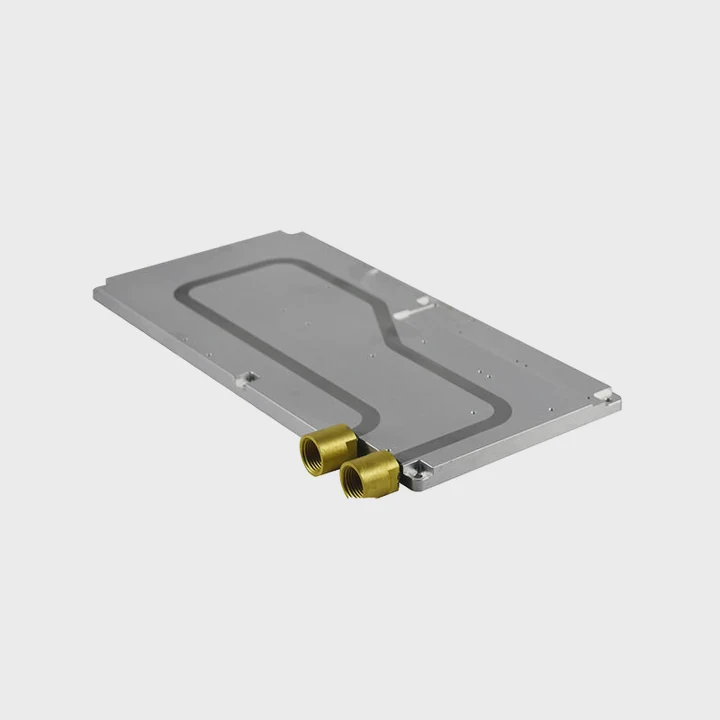
Common QA tests for impact resistance
| Test Type | Purpose | Example Condition |
|---|---|---|
| Mechanical shock (half-sine) | Simulates drop or impact | 50–100 g @ 11 ms |
| Drop test | Simulates handling and transit | 1 m free fall on 6 faces |
| Random vibration | Simulates in-transit shaking | 20–2000 Hz, 1.5 g RMS, 3 axes |
| Pressure deformation | Checks enclosure stability | Internal pressure at 110 °C |
| Post-test thermal check | Validates no loss of performance | Thermal resistance drift ≤10% |
If your client operates in rail, EV, or military sectors, include these test summaries in datasheets or qualification packs.
Can structural supports enhance impact durability?
Absolutely. Adding internal and external supports transforms a vapor chamber from fragile heat spreader to robust module.
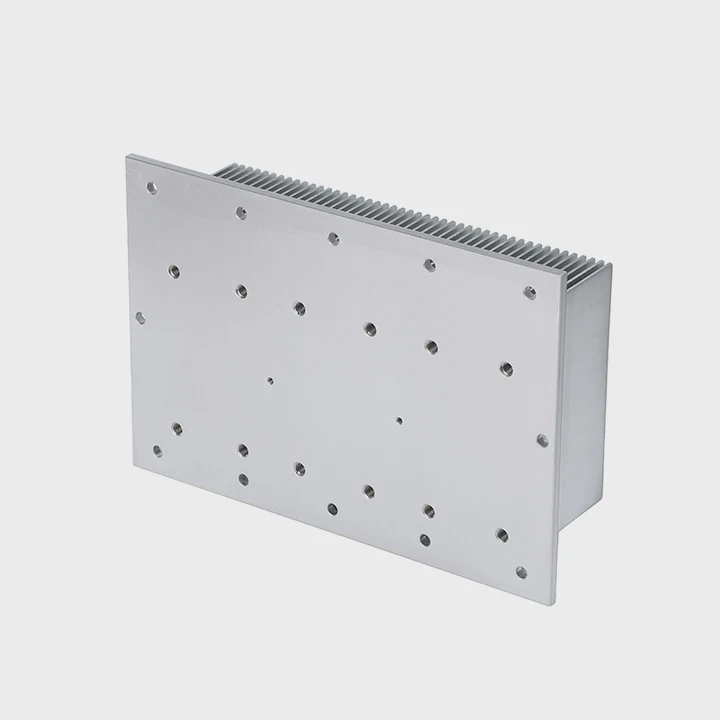
Internal copper columns, reinforced perimeters, or mechanical frames dramatically boost impact durability and prevent deformation under shock or mounting stress.
Effective reinforcement strategies
- Add vertical copper posts inside to resist top/bottom plate collapse.
- Use thicker outer walls (≥1 mm copper) to reduce flex under impact.
- Frame the chamber within a rigid carrier or mounting plate.
- Integrate the vapor chamber with structural components like heat sinks, chassis, or brackets.
- Design mounting holes with load spreading to prevent point stress.
Example impact-enhanced configuration
| Feature | Description |
|---|---|
| Copper wall thickness | 1.0 mm full enclosure |
| Column pitch | 8 mm × 8 mm grid |
| Max deformation @ 50 g shock | <0.1 mm (no leak, no thermal drift) |
| Fastening method | 4-point corner bolts + rubber damper |
As an OEM/ODM thermal module supplier, integrate structural simulation into your vapor chamber design process, and offer options for “reinforced modules” aimed at rugged sectors.
Conclusion
Vapor chambers can be engineered to survive impact, but you must specify how. While most datasheets omit explicit shock ratings, internal structural support, thick walls, and good mounting enable vapor chambers to pass impact and vibration tests. If your customers operate in rail, defense, or EV sectors, provide ruggedized thermal modules with tested mechanical durability. It’s not just about heat—structure matters too.
TAGS
Latest Articles

Volume discount levels for heat sink orders?
Buyers often ask when heat sink prices start to drop with volume. Many worry they’re overpaying for small orders. This guide explains how B2B volume pricing works for thermal components. Heat sink
21 Dec,2025
Heat sink long-term supply contract options?
Many buyers want stable pricing and reliable delivery for heat sinks. But without a clear contract, risks grow over time. This article explores how to secure better long-term supply deals. Long-term
21 Dec,2025
Tooling cost for new heat sink profiles?
Many engineers struggle to understand why tooling for custom heat sinks costs so much. They worry about budgeting and production timelines. This article breaks down the cost drivers behind tooling.
21 Dec,2025
Heat sink custom sample process steps?
Sometimes, starting a custom heat sink project feels overwhelming—too many steps, too many unknowns, and too many risks. You want a sample, but not endless delays. The process for requesting and
20 Dec,2025
Standard B2B terms for heat sink payments?
When buyers and sellers in B2B heat sink markets talk about payment, many don’t fully understand what’s standard. This can lead to delayed orders, miscommunication, and even lost business
20 Dec,2025
Heat sink pricing factors for large orders?
Heat sinks are vital for many systems. When prices rise, projects stall and budgets break. This problem can hit teams hard without warning. Large order heat sink pricing depends on many factors. You
20 Dec,2025Related Articles
- Can Vapor Chamber work in subzero temperatures?
- Typical cycle testing for Vapor Chamber durability?
- Can Vapor Chamber replace heat pipes?
- Vapor Chamber usage in telecom base stations?
- Vapor Chamber heat resistance under overload?
- Vapor Chamber quality assurance checklist?
- Does Vapor Chamber support rapid prototyping?
- Standard Vapor Chamber copper purity requirements?
- Vapor Chamber for defense industry electronics?
- Vapor Chamber surface flatness tolerance?
- Vapor Chamber maximum heat flux capacity?
- Vapor Chamber life cycle testing process?
Author
Dr. Emily Chen
Chief AI Researcher
Leading expert in thermal dynamics and AI optimization with over 15 years of experience in data center efficiency research.
Categories
Latest Products






Recommend Categories
- Liquid cooling plate Manufacturer
- Industrial Heat Sink Manufacturer
- Standard Heat Sink Manufacturer
- Aluminum Heat Sink Manufacturer
- Copper Heat Sink Manufacturer
- Anodized Heatsink Manufacturer
- Stamping heat sink Manufacturer
- Die Casting Heatsink Manufacturer
- Soldering heat sink Manufacturer
- CNC Parts Manufacturer
Latest Products
- Wholesale Aluminum Radiator
- Water Cooling Plate Kit
- Water Cooling Heat Sink
- Water Cooling Heat Sink Kit
- Stainless Steel Water Distributor
- Server Water Cooling Plate Kit
- Server Liquid Cooling System
- Server Aluminum Cooling Kit
- S19 Full Cover Cooling Plate
- S19 Cooling Plate Kit
- S19 Aluminum Cooling Plate
Contact Expert
Have questions about this article? Reach out to our experts directly.