Vapor Chamber sealing method recommendations?
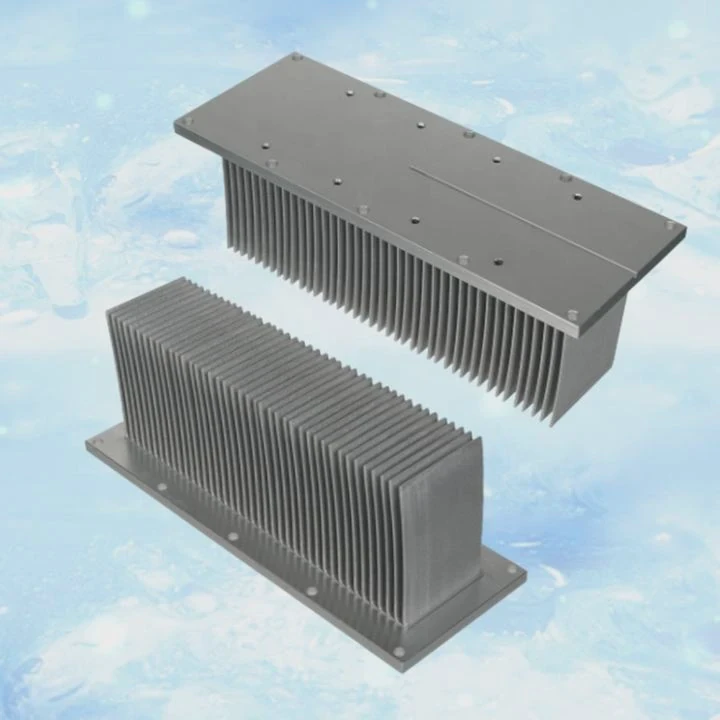
Feeling stuck choosing the right seal for your vapor chamber? This decision can make or break performance.
Selecting the optimal sealing method ensures your vapor chamber remains vacuum‑tight, maintains heat‑transfer efficiency, and meets production and reliability demands.
Below I walk through the key questions you must ask when choosing sealing methods for vapor chambers: sealing method options, laser vs solder, vacuum retention issues, and suitability for high‑volume production.
What sealing methods are best for Vapor Chambers?
Worried your sealing method might compromise performance or reliability? It’s a legitimate concern when you’re dealing with thin metal parts and vacuum structures.
The best sealing methods for vapor chambers typically include welding (laser, resistance), brazing, and soldering, each chosen based on material, geometry, vacuum requirement, and production volume.
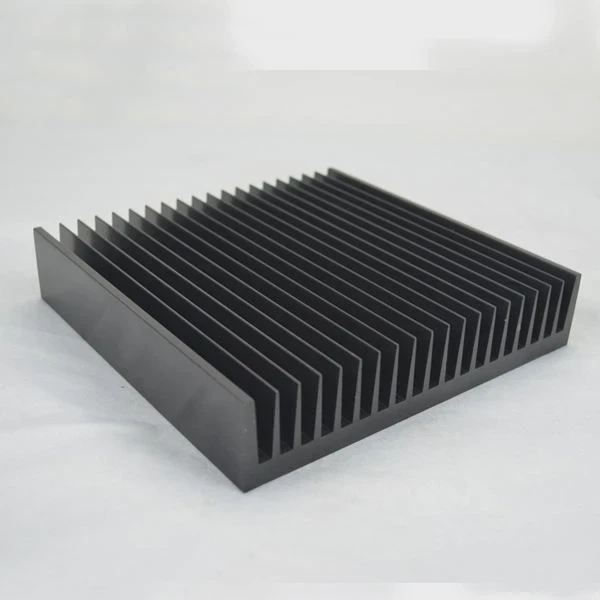
When sealing a vapor chamber, you must consider several key factors: material compatibility (e.g., copper or aluminum), joint geometry (flat plate, protrusion, tube insertion), required hermeticity, thermal stresses, and production constraints. A typical vapor chamber comprises two high‑conductivity metal plates, a wick or cavity, working fluid, and a perimeter seal. The seal must be hermetic after vacuum evacuation so that the working fluid can evaporate and condense properly.
Common sealing methods
| Method | Description | Pros | Cons |
|---|---|---|---|
| Laser welding | A focused beam joins the metal seam by local melting | Precise, narrow heat zone, strong seal | High equipment cost, prep and alignment needed |
| Resistance welding | Current and pressure used to fuse parts along a seam | Robust, suitable for automation | Requires proper joint design, more heat input |
| Brazing | Filler metal melts and joins parts at high temp | Joins dissimilar metals, good strength | Potential voids, longer process, vacuum risk |
| Solder sealing | Lower-temp filler bonds parts, common in electronics | Easy to apply, low cost equipment | Not ideal for high vacuum, possible creep/failure |
| Diffusion bonding | High heat and pressure without melting | No filler, great conductance, clean bond | Long cycle time, expensive, surface finish crucial |
Each method has trade-offs. Welding is ideal for strength and vacuum sealing. Brazing and soldering are good for low-temp processes or complex joints but may introduce leakage or outgassing. For high-reliability heat modules, welding or diffusion bonding is preferred.
Is laser welding preferred over solder sealing?
Feeling the pressure to pick “laser welding” because it sounds modern? It’s natural—but the best option isn’t always the most glamorous one.
Laser welding often offers superior hermetic seals, minimal heat‑affected zone (HAZ), and high throughput for complex geometries; solder sealing is simpler but may introduce reliability risk in high‑performance vacuum devices.
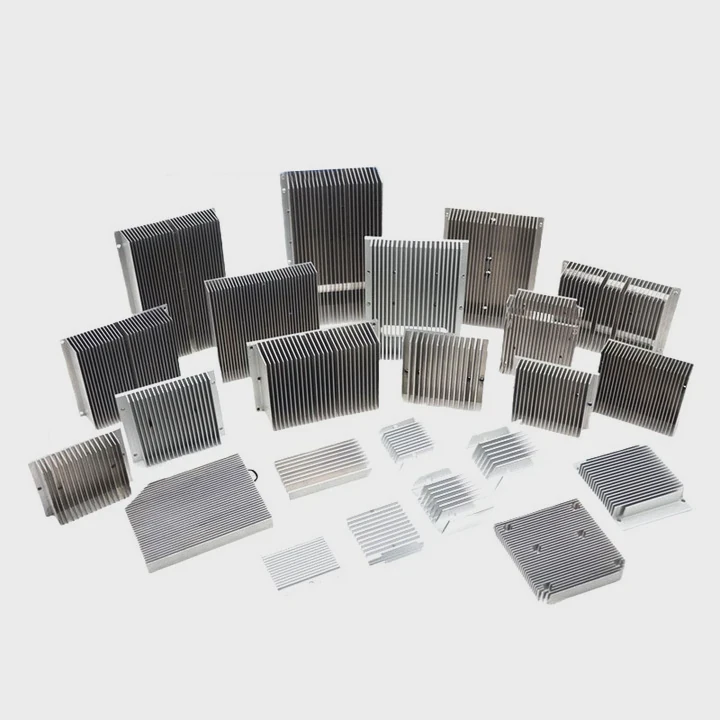
When you compare laser welding vs. solder sealing in vapor chambers, several dimensions stand out.
Why laser welding is often preferred
Laser welding provides high precision, localized heat, and strong hermetic joints. It minimizes distortion and keeps thermal input low, protecting internal wick structures or thin plates. It’s also easier to automate for consistent quality and fast cycle times.
It handles copper and aluminum with correct surface treatment, beam focus, and joint design. For vapor chambers needing vacuum integrity, laser welds are less prone to outgassing or latent leaks.
When solder sealing may be used
Solder sealing has benefits: it uses lower temperatures, simpler tools, and allows flexibility in joint geometry. But solder joints are softer, more prone to creep under thermal cycling, and can outgas or degrade in vacuum if not perfectly applied.
Solder is common in electronics packages but less favored for high-performance cooling modules needing long-term vacuum and thermal reliability.
Decision table
| Factor | Laser Welding | Solder Sealing |
|---|---|---|
| Hermeticity | Excellent | Moderate |
| Heat effect on parts | Low | Medium |
| Equipment cost | High | Low |
| Cycle time | Short (with automation) | Medium |
| Repeatability | High | Medium |
| Vacuum reliability | High | Lower |
Laser welding is preferred in vapor chambers used in aerospace, telecom, or industrial systems where performance and vacuum retention are critical. Soldering is more suited to low-cost, low-performance consumer applications or temporary seals.
Do sealing choices affect vacuum retention?
Worried the seal you pick might let air in or degrade vacuum over time? That fear is well‑justified for vapor chambers.
Yes — sealing choices directly affect vacuum retention because the seal must be free of voids, cracks, inclusions, latent leaks and must handle thermal/mechanical stresses over lifecycle.
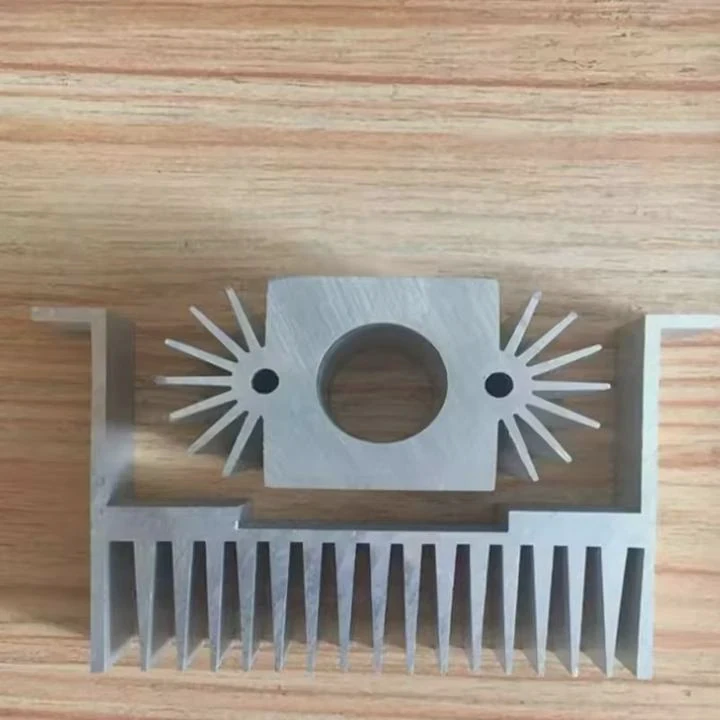
Vapor chambers rely on sealed, evacuated internal cavities where working fluid evaporates and condenses to transfer heat. Any loss of vacuum leads to reduced evaporation, poor condensation, and thermal failure.
How sealing method impacts vacuum life
- Laser welding creates tight, fusion-bonded joints that withstand pressure cycling and thermal stress.
- Solder or brazed joints may trap gases, contain flux residues, or form cracks from differential expansion.
- Over time, poor seals allow air in, raising internal pressure and impairing phase-change efficiency.
Stress factors on seals
Vacuum seals face stress from:
- Thermal cycling (hot and cold)
- Vibration (during transport or in operation)
- Mechanical stress (mounting, torque)
- Long-term exposure to humidity or oxidizers
If the sealing method can’t resist these, micro-leaks can appear even after factory vacuum testing.
Practical guidance
Choose a sealing method rated for vacuum. Apply rigorous leak tests: helium leak detection, pressure rise tests, and thermal cycling. Laser welding and diffusion bonding maintain vacuum longest. Solder joints need special process control and inspection to match.
In summary, vacuum retention isn’t just about the initial seal — it’s about how that seal performs after years of real-world use. For vapor chambers, sealing quality is mission-critical.
Are certain methods better for high volume runs?
Scaling from prototype to mass production brings different pressures — cycle time, cost, yield, repeatability all matter.
Yes — certain sealing methods scale better for high‑volume production because they offer faster cycle times, automation compatibility, repeatable yield, and lower rework. Laser welding and automated seam welding tend to outperform manual soldering in high‑volume settings.
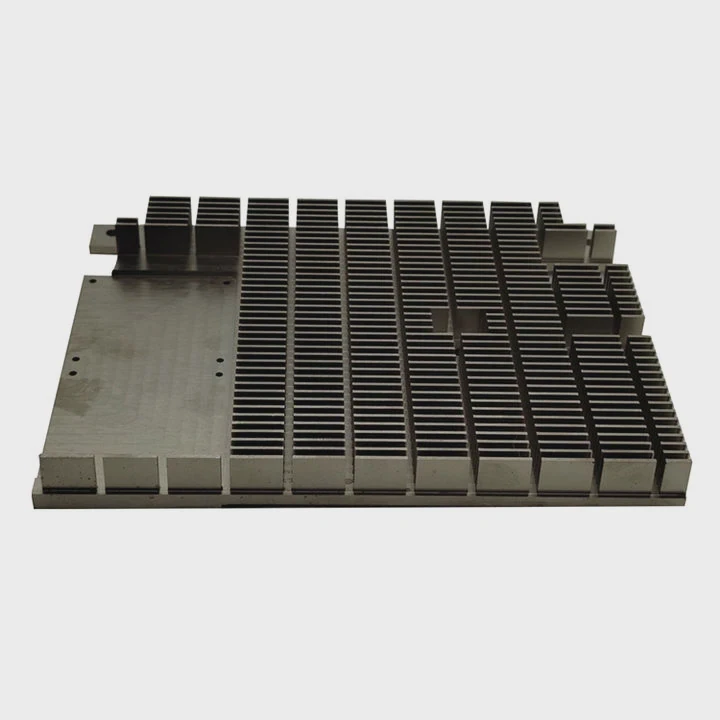
When scaling vapor chamber production, the sealing method must be not only reliable but also manufacturable at volume.
Key volume production factors
- Cycle time: How quickly can each chamber be sealed?
- Yield: What’s the pass/fail rate of seals?
- Automation potential: Can machines do the work with minimal labor?
- Material cost and overhead: Do you need expensive alloys, fluxes, or clean-room conditions?
- Maintenance and calibration: How often must equipment be serviced or realigned?
Comparing scalability
| Method | Volume Scalability | Notes |
|---|---|---|
| Laser Welding | Excellent | High speed, precise, works well with automation |
| Resistance Weld | Good | Fast, suited for simple seam designs |
| Brazing | Moderate | Long cycle, batch process, post-cleaning required |
| Solder Sealing | Moderate | Low-cost but slower and less consistent |
| Diffusion Bonding | Low to Moderate | High cost, long time, mostly for premium units |
Laser welding supports inline automation with robot arms, vision systems, and leak detection. It’s the top choice for thousands of units per month. Resistance welding follows closely if geometry allows.
Brazing and soldering need longer cycles, oven curing, and manual inspection — harder to scale, though not impossible. For critical components, soldering often involves high scrap or rework rates due to inconsistencies.
Recommended strategy
For high volume, invest in laser welding systems and jigs for repeatability. Design your vapor chamber components with weld-friendly joints and alignment features. Use data-driven quality checks, and focus on sealing stability over time.
For smaller batches, solder or brazing might suffice — but performance and consistency must be monitored.
Conclusion
In closing, choosing the right sealing method for vapor chambers is a strategic decision. Laser welding generally offers superior hermetic integrity, minimal heat impact and good scalability. Solder/braze sealing may work in simpler cases, but you must be very cautious if vacuum retention, performance and reliability are critical. The sealing method does impact vacuum retention, and your production volume dictates which process makes sense economically. Match your material, geometry, vacuum/life requirements and volume targets to pick the optimal method, then validate with testing and process controls.
TAGS
Latest Articles

Volume discount levels for heat sink orders?
Buyers often ask when heat sink prices start to drop with volume. Many worry they’re overpaying for small orders. This guide explains how B2B volume pricing works for thermal components. Heat sink
21 Dec,2025
Heat sink long-term supply contract options?
Many buyers want stable pricing and reliable delivery for heat sinks. But without a clear contract, risks grow over time. This article explores how to secure better long-term supply deals. Long-term
21 Dec,2025
Tooling cost for new heat sink profiles?
Many engineers struggle to understand why tooling for custom heat sinks costs so much. They worry about budgeting and production timelines. This article breaks down the cost drivers behind tooling.
21 Dec,2025
Heat sink custom sample process steps?
Sometimes, starting a custom heat sink project feels overwhelming—too many steps, too many unknowns, and too many risks. You want a sample, but not endless delays. The process for requesting and
20 Dec,2025
Standard B2B terms for heat sink payments?
When buyers and sellers in B2B heat sink markets talk about payment, many don’t fully understand what’s standard. This can lead to delayed orders, miscommunication, and even lost business
20 Dec,2025
Heat sink pricing factors for large orders?
Heat sinks are vital for many systems. When prices rise, projects stall and budgets break. This problem can hit teams hard without warning. Large order heat sink pricing depends on many factors. You
20 Dec,2025Related Articles
- Vapor Chamber best filling liquids?
- Vapor Chamber roughness standards for contact surfaces?
- Which industry uses Vapor Chamber mostly?
- Vapor Chamber integration in cooling modules?
- Vapor Chamber brazing temperature requirements?
- Vapor Chamber size limitations in manufacturing?
- How to bond Vapor Chamber to heatsink?
- Can Vapor Chamber be powder coated?
- Does Vapor Chamber need thermal insulation?
- Noise impact of Vapor Chamber operation?
- Vapor Chamber machining cost breakdown?
- How to estimate Vapor Chamber delivery time?
Author
Dr. Emily Chen
Chief AI Researcher
Leading expert in thermal dynamics and AI optimization with over 15 years of experience in data center efficiency research.
Categories
Latest Products






Recommend Categories
- Liquid cooling plate Manufacturer
- Industrial Heat Sink Manufacturer
- Standard Heat Sink Manufacturer
- Aluminum Heat Sink Manufacturer
- Copper Heat Sink Manufacturer
- Anodized Heatsink Manufacturer
- Stamping heat sink Manufacturer
- Die Casting Heatsink Manufacturer
- Soldering heat sink Manufacturer
- CNC Parts Manufacturer
Latest Products
- Wholesale Aluminum Radiator
- Water Cooling Plate Kit
- Water Cooling Heat Sink
- Water Cooling Heat Sink Kit
- Stainless Steel Water Distributor
- Server Water Cooling Plate Kit
- Server Liquid Cooling System
- Server Aluminum Cooling Kit
- S19 Full Cover Cooling Plate
- S19 Cooling Plate Kit
- S19 Aluminum Cooling Plate
Contact Expert
Have questions about this article? Reach out to our experts directly.