Typical cycle testing for Vapor Chamber durability?
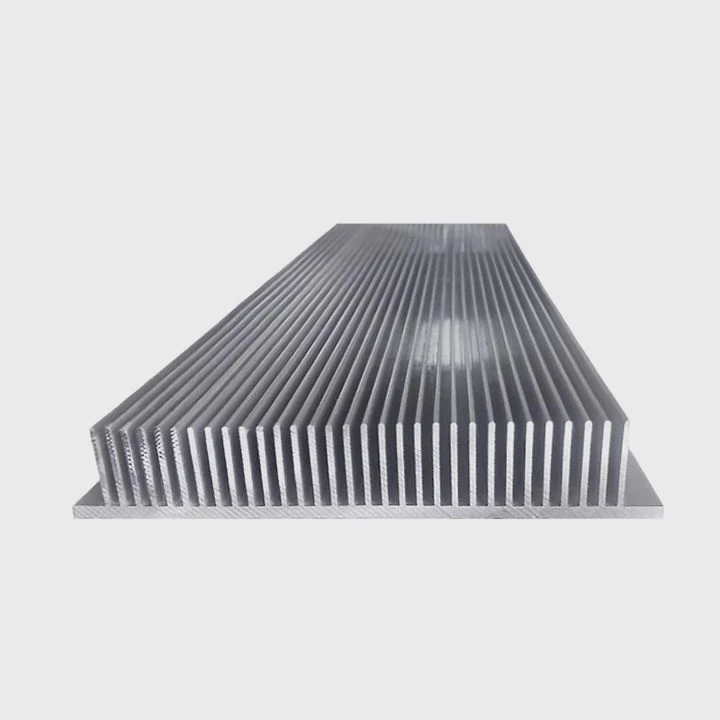
When vapor chambers fail early in the field, it’s often because durability testing was skipped or done wrong.
Cycle testing helps make sure vapor chambers can handle real-world use by repeating thermal and mechanical stress to expose weak points early.
If you’re designing high-reliability thermal systems, you need a testing strategy that shows how long your product really lasts.
What cycle tests validate Vapor Chamber durability?
Thermal performance alone does not prove long-term reliability. Failures often come later—from cracks, leaks, or degraded wicks.
The most common cycle tests for vapor chambers include thermal cycling, thermal shock, mechanical vibration, and pressure or leak validation.
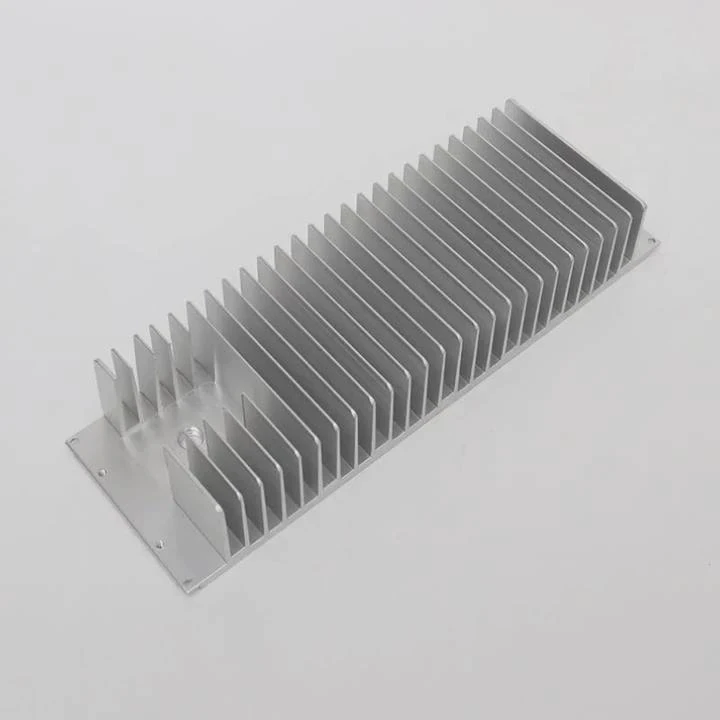
To simulate years of use, vapor chambers go through multiple cycles of extreme temperature, vibration, and environmental stress. Each type of test reveals different weaknesses. Here’s how they work:
1. Thermal Cycling
This test moves the vapor chamber between two temperatures. For example, –40 °C to +125 °C. The cycle repeats hundreds of times. It checks for expansion fatigue in joints, welds, and materials. If the vapor chamber is not well sealed, the vacuum may degrade over time.
2. Thermal Shock
This is more intense than thermal cycling. The vapor chamber is moved from one chamber at low temperature directly into a hot chamber. This sudden temperature jump reveals how fast the product can adapt without failure.
3. Mechanical Vibration and Shock
Real products face drops, shakes, and bumps. A vapor chamber inside a device must not deform or crack under vibration. Shock tests simulate handling and transport.
4. Combined Environment Testing
Some labs mix heat, vibration, and humidity. This puts the vapor chamber in worse conditions than it will likely face. It speeds up stress and simulates longer use.
5. Leak and Integrity Test
After each test stage, the chamber is checked. Is it still sealed? Does it hold vacuum? Has the wick shifted inside?
Example Cycle Test Matrix
| Test Type | Parameters | Purpose |
|---|---|---|
| Thermal Cycling | –40 °C to +125 °C, 500+ cycles | Checks for fatigue, seal wear |
| Thermal Shock | –40 °C to +150 °C, 10 sec transfer | Exposes weld cracks |
| Vibration | 10–50 Hz, XYZ axis, 1 hour/cycle | Simulates shipping, usage |
| Humidity Soak | 85% RH at 85 °C, 48–96 hours | Wick stability, corrosion |
| Vacuum Re-check | Leak rate <1x10⁻⁶ Pa·m³/s | Confirms hermetic integrity |
Each test pushes the product in a different way. Together, they give a full picture of long-term durability.
How many cycles are considered industry standard?
Some suppliers stop testing too early. That may pass in the lab but fail in real life.
Standard practice for vapor chamber thermal cycling is between 500 and 1000 cycles, depending on use case and stress severity.
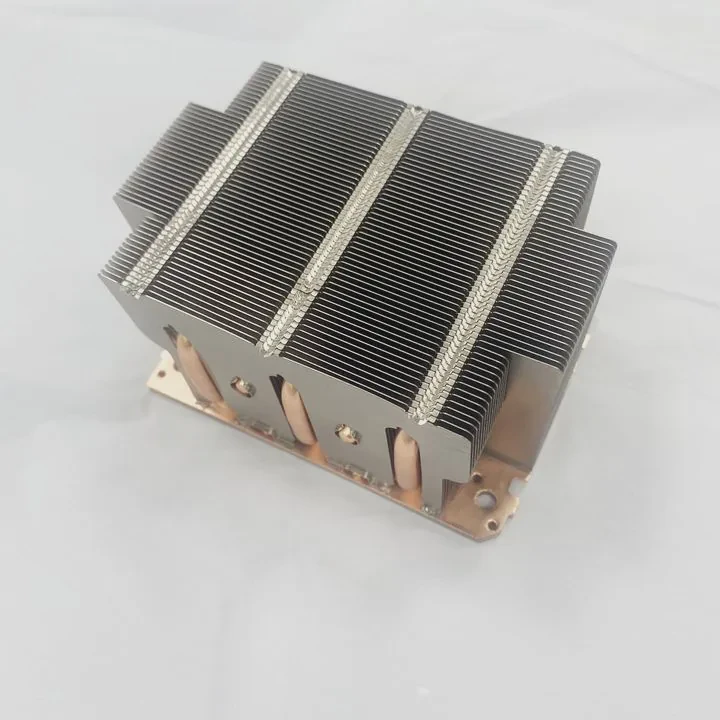
Cycle count depends on how the vapor chamber will be used. A product for desktop computers may need 300–500 thermal cycles. A device used in space or trains might need 1000+.
Typical Range by Industry
| Industry | Cycle Count (Typical) | Notes |
|---|---|---|
| Consumer Electronics | 100–300 | Lower temperature range and load |
| Automotive | 500–800 | Must pass AEC-Q200 or similar |
| Aerospace | 1000+ | Includes thermal shock, vibration |
| Industrial/Defense | 700–1000 | With humidity and pressure test |
Temperature ramp rate, dwell time, and the exact test conditions matter. A slower ramp (2–5 °C/min) gives lower stress than a fast one (15–20 °C/min). Long dwell at extremes creates more stress at the seals.
To decide the correct count:
- Look at your expected field usage (how often the chamber cycles).
- Multiply by expected years of use.
- Add a safety margin.
A vapor chamber used in power electronics may cycle 5 times per day. That’s 1825 cycles in one year. Testing 1000 cycles is a good sign of basic reliability.
Do temperature swings affect long-term reliability?
Just because it works now doesn’t mean it will after a year of real use.
Yes — repeated temperature swings can weaken seals, deform the chamber, damage wicks, and increase thermal resistance over time.
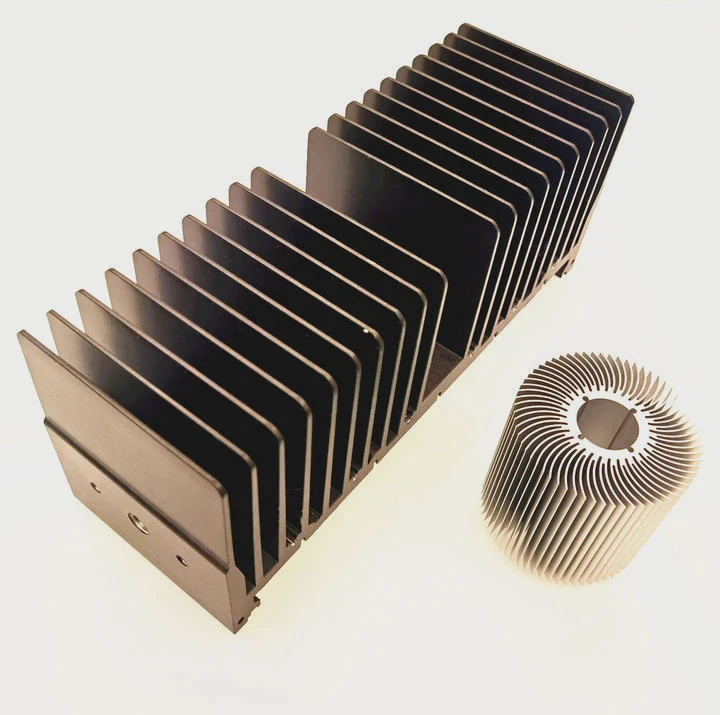
A vapor chamber works by moving liquid and vapor between hot and cold ends. It has a sealed metal shell, wick structure, and small internal gap. When the chamber heats and cools over and over, everything inside moves slightly.
Key risks from temperature swings:
- Weld fatigue: Metal expands and shrinks. The seam gets stressed every time. Over time, tiny cracks may form.
- Wick separation: Wick layers inside can pull away from the wall. That reduces capillary force, which moves the liquid.
- Pressure loss: Even a micro leak lets gas in or fluid out. That ruins vacuum and kills performance.
- Bowing and warping: The flatness of the chamber can change. That makes contact with cold plates worse.
- Oxidation or corrosion: If moisture or air gets in, the wick or fluid may react over time.
Every temperature cycle does a little damage. Enough of them can cause performance to drop.
A good vapor chamber design includes:
- Matching material CTEs to reduce stress
- Strong weld seams or diffusion bonding
- Redundant internal supports to resist deformation
- Enough working fluid with margin
- A testing plan to track resistance drift over cycles
Measuring before, during, and after test cycles helps confirm if thermal performance is stable.
Can accelerated tests simulate years of use?
No one has time to test every vapor chamber for 5 years.
Yes — accelerated tests use harsher conditions to simulate years of thermal and mechanical wear in just a few weeks or months.
To compress real-life usage into lab time, test engineers increase the stress:
- Higher temperature difference (–55 °C to +150 °C)
- Faster ramp rate (10–20 °C/min)
- Shorter dwell to speed cycles
- Continuous vibration
- Added humidity, shock, or pressure changes
These “accelerated” profiles multiply the effects of each cycle. The idea is to hit the vapor chamber with 2–5× the normal wear rate.
Example: Simulating 5 Years in 6 Weeks
| Real Use (Field) | Accelerated Lab Test |
|---|---|
| 2 cycles/day × 5 years = 3650 cycles | 1000 cycles at high ΔT and ramp |
| Ambient swing ±30 °C | Test swing –55 °C to +150 °C |
| Normal air cooling | Add vibration and humidity |
| Passive inspection yearly | Check every 100 cycles |
By increasing stress, you create fatigue faster. But you must stop short of damage not seen in the field. Otherwise, your test creates false failures.
The key is to understand which failure modes are linear and which are threshold-based. Thermal fatigue is generally linear. Weld cracking is usually cumulative. But corrosion or chemical reaction may not scale with temperature alone.
Good accelerated tests use real-life failure data to calibrate the lab test conditions. That way, when a vapor chamber passes 1000 high-stress cycles, you know it means something.
Conclusion
Cycle testing makes the difference between a vapor chamber that survives and one that silently fails. With a plan that covers enough cycles, tracks temperature effects, and includes accelerated profiles, you can prove long-term durability in real-world use.
TAGS
Latest Articles

Volume discount levels for heat sink orders?
Buyers often ask when heat sink prices start to drop with volume. Many worry they’re overpaying for small orders. This guide explains how B2B volume pricing works for thermal components. Heat sink
21 Dec,2025
Heat sink long-term supply contract options?
Many buyers want stable pricing and reliable delivery for heat sinks. But without a clear contract, risks grow over time. This article explores how to secure better long-term supply deals. Long-term
21 Dec,2025
Tooling cost for new heat sink profiles?
Many engineers struggle to understand why tooling for custom heat sinks costs so much. They worry about budgeting and production timelines. This article breaks down the cost drivers behind tooling.
21 Dec,2025
Heat sink custom sample process steps?
Sometimes, starting a custom heat sink project feels overwhelming—too many steps, too many unknowns, and too many risks. You want a sample, but not endless delays. The process for requesting and
20 Dec,2025
Standard B2B terms for heat sink payments?
When buyers and sellers in B2B heat sink markets talk about payment, many don’t fully understand what’s standard. This can lead to delayed orders, miscommunication, and even lost business
20 Dec,2025
Heat sink pricing factors for large orders?
Heat sinks are vital for many systems. When prices rise, projects stall and budgets break. This problem can hit teams hard without warning. Large order heat sink pricing depends on many factors. You
20 Dec,2025Related Articles
- Can Vapor Chamber replace heat pipes?
- Vapor Chamber usage in telecom base stations?
- Vapor Chamber heat resistance under overload?
- Vapor Chamber quality assurance checklist?
- Vapor Chamber for high power LED modules?
- Vapor Chamber design parameters for heavy machinery?
- Can Vapor Chamber work in subzero temperatures?
- Vapor Chamber impact resistance specifications?
- Does Vapor Chamber support rapid prototyping?
- Standard Vapor Chamber copper purity requirements?
- Vapor Chamber for defense industry electronics?
- Vapor Chamber surface flatness tolerance?
Author
Dr. Emily Chen
Chief AI Researcher
Leading expert in thermal dynamics and AI optimization with over 15 years of experience in data center efficiency research.
Categories
Latest Products






Recommend Categories
- Liquid cooling plate Manufacturer
- Industrial Heat Sink Manufacturer
- Standard Heat Sink Manufacturer
- Aluminum Heat Sink Manufacturer
- Copper Heat Sink Manufacturer
- Anodized Heatsink Manufacturer
- Stamping heat sink Manufacturer
- Die Casting Heatsink Manufacturer
- Soldering heat sink Manufacturer
- CNC Parts Manufacturer
Latest Products
- Wholesale Aluminum Radiator
- Water Cooling Plate Kit
- Water Cooling Heat Sink
- Water Cooling Heat Sink Kit
- Stainless Steel Water Distributor
- Server Water Cooling Plate Kit
- Server Liquid Cooling System
- Server Aluminum Cooling Kit
- S19 Full Cover Cooling Plate
- S19 Cooling Plate Kit
- S19 Aluminum Cooling Plate
Contact Expert
Have questions about this article? Reach out to our experts directly.