Vapor Chamber size limitations in manufacturing?
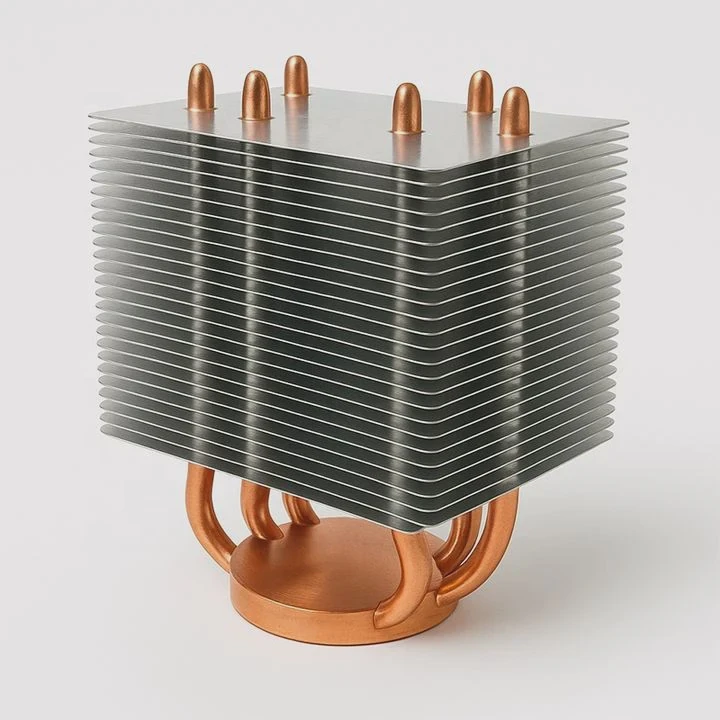
Oversized heat spreaders can look great in CAD, but can they actually be built? Design ambition often hits manufacturing limits.
Vapor chambers have real size and material boundaries. Going too big can require special tools, introduce flatness problems, and reduce reliability.
This guide explains how large a vapor chamber can get, what materials limit its scale, whether custom molds are needed, and how large sizes impact its mechanical strength.
What is the largest manufacturable Vapor Chamber size?
Vapor chamber size is physically limited by available equipment, not just design intent.
Most standard vapor chambers cap out around 300×400 mm. Anything larger needs special setups and brings higher manufacturing risk.
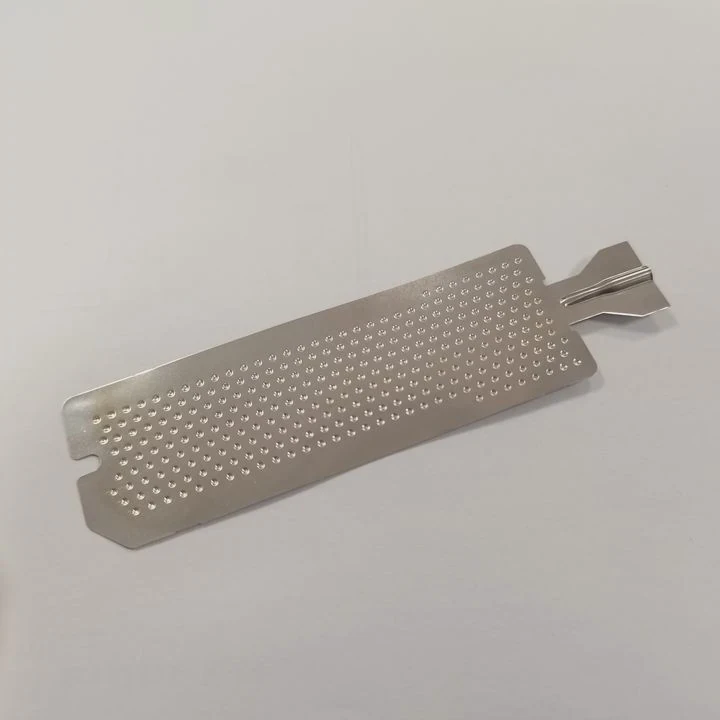
Production tooling like metal presses, brazing ovens, and vacuum systems define the upper bounds. Common sizes in production are under 300 mm per side. Going above this might require:
- Special presses for forming and bonding
- Oversized vacuum chambers for fill and seal
- Extra precautions to maintain flatness across large areas
Some manufacturers may produce chambers above 500×500 mm, but expect longer lead times, higher failure rates, and stricter handling needs.
To avoid these issues, designers often split larger surfaces into multiple chambers or use vapor chambers alongside heat pipes.
Do materials limit maximum Vapor Chamber dimensions?
The chamber’s materials define both its manufacturability and its performance.
Yes, copper and aluminum sheets have strength, thickness, and vacuum limits that affect the max workable size.
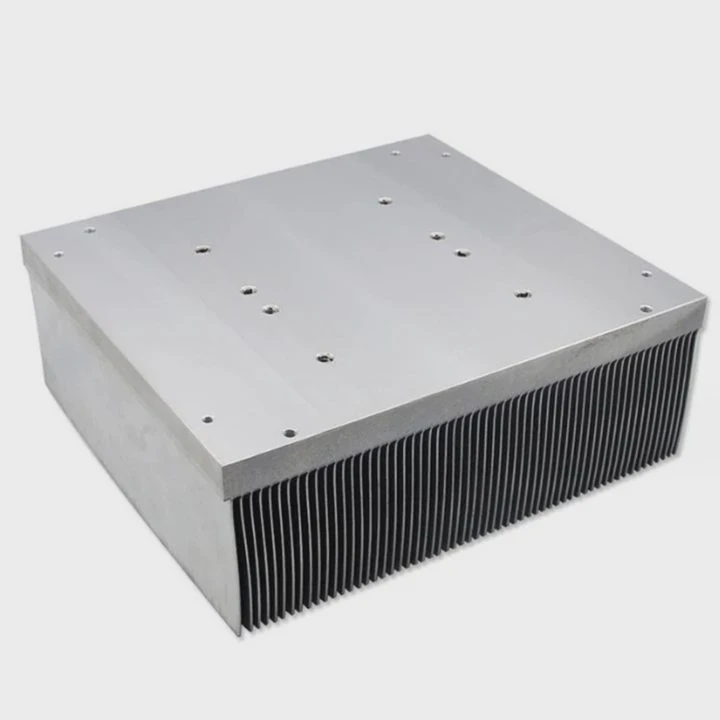
Material-related limits
| Material | Limiting Factor | Effect on Size |
|---|---|---|
| Copper | Soft, prone to deformation | May bow if too wide |
| Aluminum | Lighter but harder to weld | Needs precise bonding |
| Wick structure | Capillary performance reduces over length | Dry-out risk on large area |
| Sealing method | Vacuum leaks more likely on long joints | Affects yield and cost |
Large vapor chambers may also require thicker base plates or internal support posts to prevent warping under vacuum. This increases weight and size, reducing the value of using a vapor chamber in the first place.
Internal wicks also have a maximum capillary reach. If the fluid return path is too long, the chamber will underperform. So, wick design must scale with area, adding complexity.
Are custom molds required for oversized designs?
Mass production of oversized vapor chambers usually can’t rely on standard tooling.
Yes, large vapor chambers often require custom molds, forming dies, or bonding fixtures.
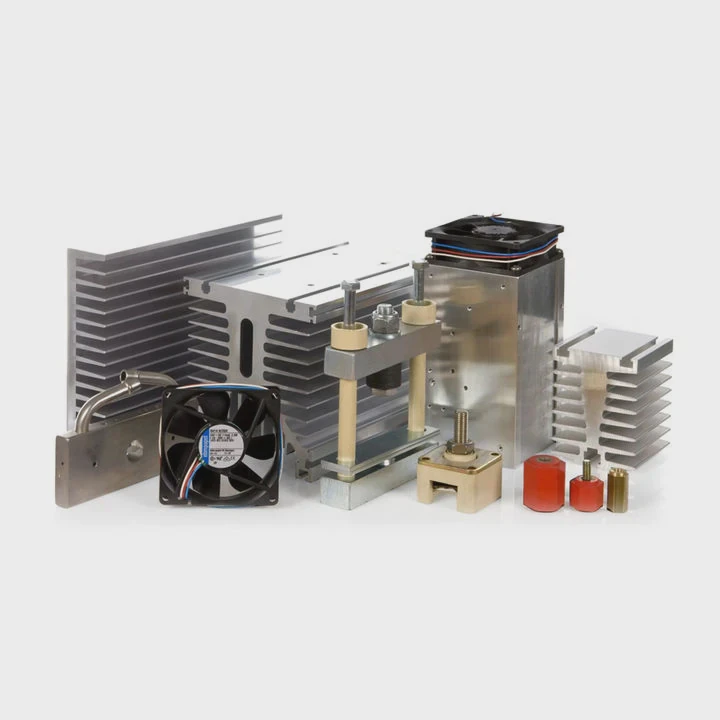
In a small form factor, manufacturers can use common stamping tools and vacuum bonders. But large designs push tooling beyond standard ranges.
What custom tooling may be needed:
- Stamping dies: For new chamber outlines or embosses
- Bonding fixtures: To align and compress during sealing
- Vacuum fill systems: Larger internal volume needs longer fill cycles
- Internal support tooling: For placing posts or stiffeners
For prototypes or low-volume runs, some manufacturers use CNC-machined housings or flat-plate bonding techniques. But for anything over a few dozen units, proper tooling becomes mandatory.
This adds weeks of lead time and upfront costs. If size can be reduced or broken into modular units, tooling needs — and risks — drop dramatically.
Can large sizes affect structural integrity?
Big vapor chambers aren’t just hard to make — they’re harder to keep reliable.
Yes, large vapor chambers can bow, collapse, or leak under thermal or vacuum pressure if not supported properly.
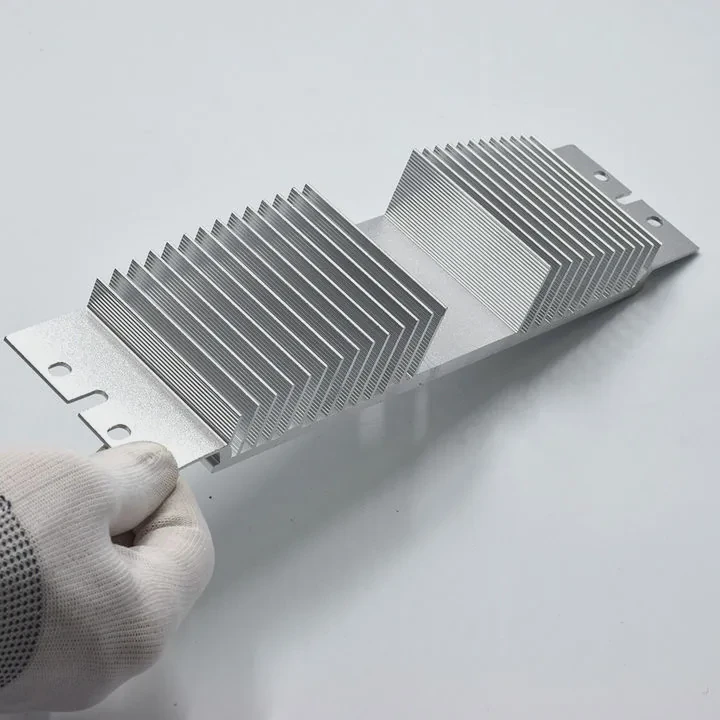
Structural risks with large chambers:
| Risk | Description |
|---|---|
| Bowing and warping | Plates lose flatness across long spans |
| Seal fatigue | Edge bonds under stress from pressure and thermal cycles |
| Dry-out zones | Uneven wick return due to long fluid travel paths |
| Internal collapse | Thin walls may crumple under mechanical pressure |
| Clamping issues | Poor contact across curved or sagging surfaces |
Adding internal columns can help, but this increases assembly complexity. If used improperly, posts can block vapor flow or create dead zones.
Weight also increases fast with size — especially when using thick copper. Heavy units can stress mounting points or deform during installation.
Designers must validate mechanical stability through FEA and physical testing — especially for mission-critical use cases like telecom or automotive modules.
Conclusion
Vapor chambers offer amazing thermal performance, but their size is not unlimited. Manufacturing tools, materials, and structural integrity all impose practical limits — especially beyond 300×400 mm. Custom tooling can stretch those boundaries, but at the cost of time and complexity. For best results, design within standard sizes or divide larger heat spreaders into modular zones.
TAGS
Latest Articles

Volume discount levels for heat sink orders?
Buyers often ask when heat sink prices start to drop with volume. Many worry they’re overpaying for small orders. This guide explains how B2B volume pricing works for thermal components. Heat sink
21 Dec,2025
Heat sink long-term supply contract options?
Many buyers want stable pricing and reliable delivery for heat sinks. But without a clear contract, risks grow over time. This article explores how to secure better long-term supply deals. Long-term
21 Dec,2025
Tooling cost for new heat sink profiles?
Many engineers struggle to understand why tooling for custom heat sinks costs so much. They worry about budgeting and production timelines. This article breaks down the cost drivers behind tooling.
21 Dec,2025
Heat sink custom sample process steps?
Sometimes, starting a custom heat sink project feels overwhelming—too many steps, too many unknowns, and too many risks. You want a sample, but not endless delays. The process for requesting and
20 Dec,2025
Standard B2B terms for heat sink payments?
When buyers and sellers in B2B heat sink markets talk about payment, many don’t fully understand what’s standard. This can lead to delayed orders, miscommunication, and even lost business
20 Dec,2025
Heat sink pricing factors for large orders?
Heat sinks are vital for many systems. When prices rise, projects stall and budgets break. This problem can hit teams hard without warning. Large order heat sink pricing depends on many factors. You
20 Dec,2025Related Articles
- Vapor Chamber life cycle testing process?
- Vapor Chamber maximum heat flux capacity?
- Vapor Chamber surface flatness tolerance?
- Vapor Chamber for defense industry electronics?
- Standard Vapor Chamber copper purity requirements?
- Does Vapor Chamber support rapid prototyping?
- Vapor Chamber brazing temperature requirements?
- Vapor Chamber integration in cooling modules?
- Which industry uses Vapor Chamber mostly?
- Vapor Chamber roughness standards for contact surfaces?
- Vapor Chamber best filling liquids?
- Vapor Chamber sealing method recommendations?
Author
Dr. Emily Chen
Chief AI Researcher
Leading expert in thermal dynamics and AI optimization with over 15 years of experience in data center efficiency research.
Categories
Latest Products






Recommend Categories
- Liquid cooling plate Manufacturer
- Industrial Heat Sink Manufacturer
- Standard Heat Sink Manufacturer
- Aluminum Heat Sink Manufacturer
- Copper Heat Sink Manufacturer
- Anodized Heatsink Manufacturer
- Stamping heat sink Manufacturer
- Die Casting Heatsink Manufacturer
- Soldering heat sink Manufacturer
- CNC Parts Manufacturer
Latest Products
- Wholesale Aluminum Radiator
- Water Cooling Plate Kit
- Water Cooling Heat Sink
- Water Cooling Heat Sink Kit
- Stainless Steel Water Distributor
- Server Water Cooling Plate Kit
- Server Liquid Cooling System
- Server Aluminum Cooling Kit
- S19 Full Cover Cooling Plate
- S19 Cooling Plate Kit
- S19 Aluminum Cooling Plate
Contact Expert
Have questions about this article? Reach out to our experts directly.