Can Vapor Chamber work in subzero temperatures?
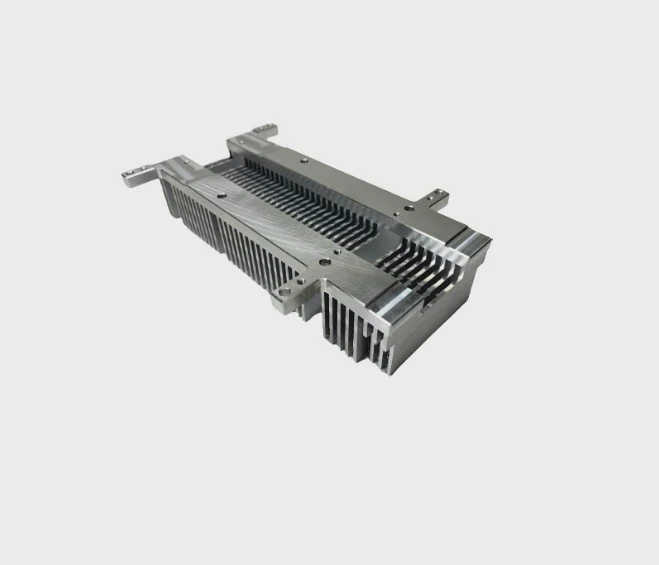
Cold conditions might freeze working fluids and stop vapor chambers from functioning—but is that always the case?
Yes, vapor chambers can operate in subzero temperatures with appropriate fluid selection and design, although startup time and efficiency may be affected.
Let’s explore the science and practical limits of using vapor chambers in cold climates or space-like conditions.
Can Vapor Chambers operate below freezing point?
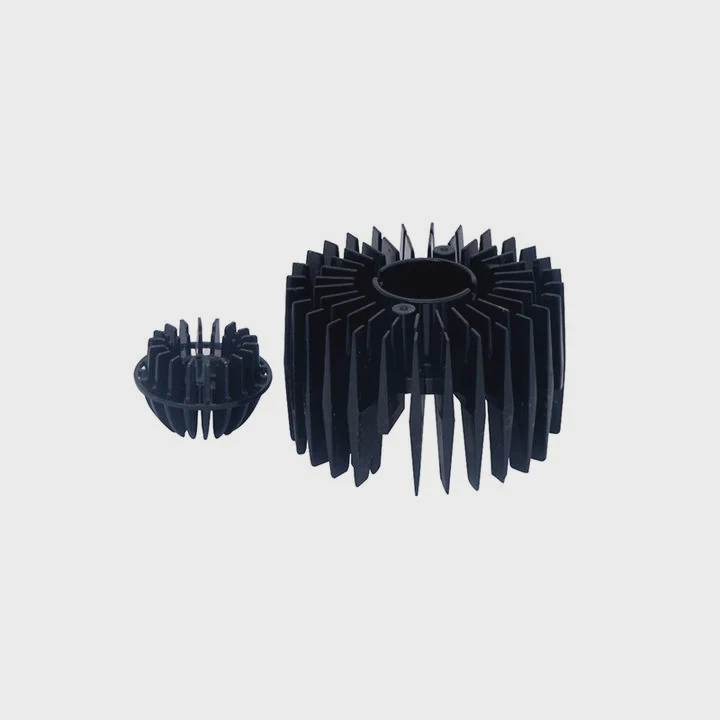
Standard vapor chambers use water, which freezes at 0°C, so they don’t work well in subzero conditions unless specially modified. However, with different fluids, subzero operation is possible.
Yes, vapor chambers can work below freezing if filled with low-freezing-point fluids like methanol or ammonia, instead of water.
Temperature Range by Fluid Type
| Fluid Type | Freezing Point | Operating Range |
|---|---|---|
| Water | 0°C | 5°C to 150°C |
| Methanol | -97°C | -50°C to 100°C |
| Ammonia | -77°C | -40°C to 60°C |
| Acetone | -95°C | -30°C to 70°C |
Designers must match the vapor pressure and compatibility of the fluid with the chamber’s material, especially under vacuum.
In aerospace, defense, and high-altitude electronics, vapor chambers using alternative fluids are common. These versions function even when ambient temperatures drop below zero for extended periods.
What fluid types enable low-temp Vapor Chamber use?
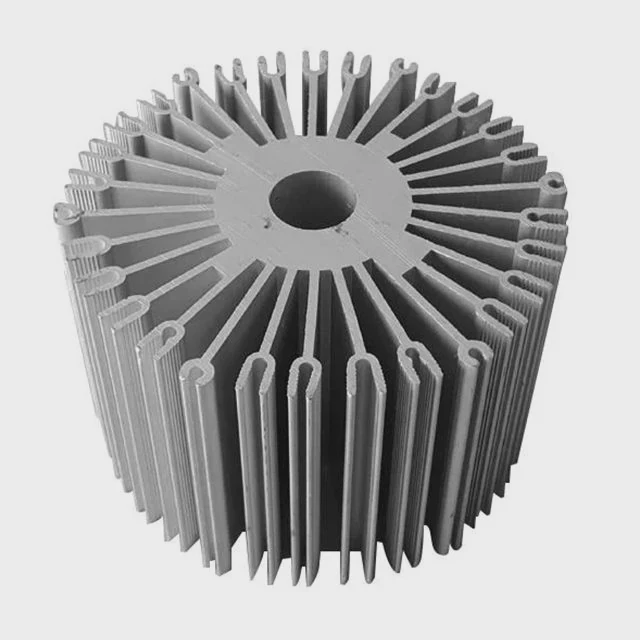
To ensure the vapor chamber operates at low temperatures, the working fluid must remain in liquid-vapor phase at the target environment. Water fails below 0°C, so alternatives are needed.
Low-freezing-point fluids like methanol, ammonia, and acetone enable vapor chambers to function in cold conditions, including subzero temperatures.
Properties of Common Low-Temp Fluids
| Fluid | Freezing Point | Boiling Point | Notes |
|---|---|---|---|
| Methanol | -97°C | 64.7°C | Safe, stable, commonly used |
| Ammonia | -77°C | -33.3°C | High thermal conductivity, toxic |
| Acetone | -95°C | 56°C | Flammable, for sealed use only |
| Fluorocarbons | -100°C approx | Varies | Very stable, used in aerospace |
These fluids offer:
- Low startup threshold in cold ambient
- Efficient phase-change behavior at lower temps
- Safe operation under moderate vacuum levels
Compatibility Considerations
Before switching fluids, engineers check:
- Wick material compatibility (some corrode with ammonia)
- Chamber material sealing performance
- Fluid lifetime and stability under vacuum
Choosing the right fluid is essential not just for performance, but also for safety and long-term reliability in harsh environments.
Does freezing impact Vapor Chamber start-up time?
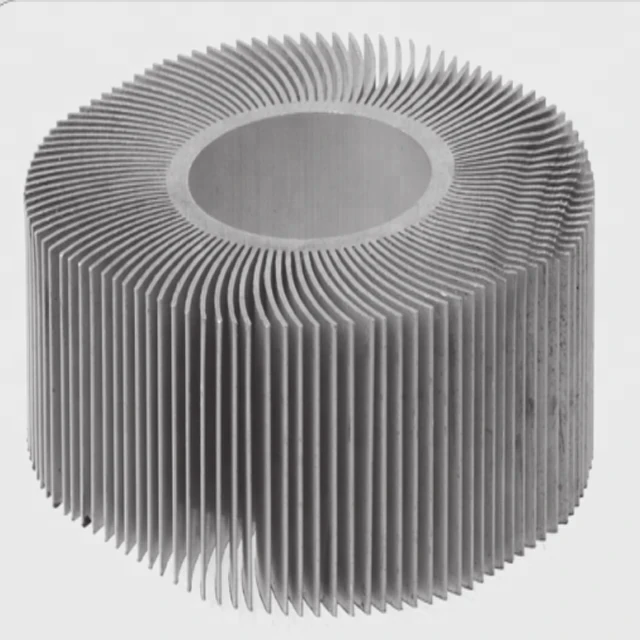
Yes. If the fluid freezes, the vapor chamber won’t operate until it thaws. But if a low-freezing-point fluid is used, the vapor chamber can start up immediately—even in subzero air temperatures.
Yes, freezing delays start-up if water is used. Low-temp fluids like methanol allow fast start-up at cold temperatures.
Startup Behavior by Fluid Type
| Fluid | Behavior Below 0°C |
|---|---|
| Water | Freezes, no function until thawed |
| Methanol | Works instantly down to -40°C |
| Ammonia | Starts up fast, but higher vapor pressure |
| Fluorocarbons | Slow start, low heat capacity |
Factors that affect start-up time:
- Initial ambient temperature
- Heat load applied at start
- Chamber orientation (affects wick flow)
- Fluid quantity and wick saturation level
For devices in standby mode (e.g., sensors or satellites), having the vapor chamber start immediately when heat is detected is critical. That’s why freezing-point-resistant fluids are chosen.
Are there cold-weather tests for Vapor Chambers?
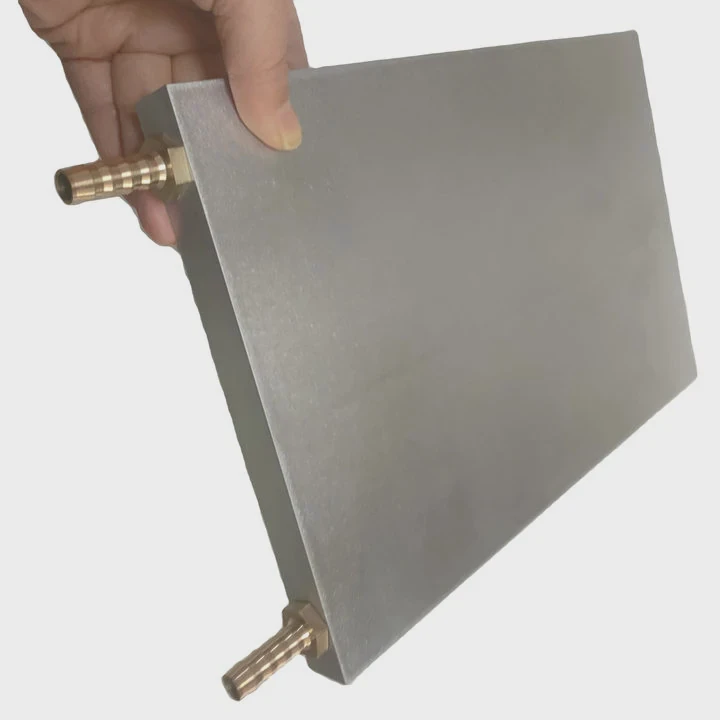
Yes, vapor chambers designed for extreme or outdoor environments must pass cold-weather testing to verify they can start and operate under low-temperature conditions.
Yes, cold-weather tests simulate freezing, thawing, and subzero operation to confirm vapor chamber reliability in cold environments.
Common Cold-Weather Tests
| Test Type | Purpose |
|---|---|
| Thermal cycling (-40°C to +80°C) | Simulates temperature extremes |
| Freeze-thaw durability | Verifies no damage from fluid expansion |
| Cold start-up response | Measures time to function at low temp |
| Orientation test at cold | Tests wick capillary action in cold states |
| Pressure test after freezing | Ensures no leaks or deformation |
These tests are required for:
- Aerospace-grade vapor chambers
- Outdoor LED cooling modules
- Cold-climate sensors or control panels
- Telecom systems in alpine zones
Vapor chambers that pass these tests are often qualified to standards like:
MIL-STD-810 (military thermal cycles)
GJB150 (Chinese environmental reliability)
RTCA DO-160 (aviation electronics)
Conclusion
Yes, vapor chambers can operate in subzero temperatures, but only with the right working fluids and design. Using methanol or ammonia enables reliable startup and heat spreading even in freezing climates. Proper cold testing ensures they perform as expected in aerospace, outdoor, and high-altitude systems.
TAGS
Latest Articles

Volume discount levels for heat sink orders?
Buyers often ask when heat sink prices start to drop with volume. Many worry they’re overpaying for small orders. This guide explains how B2B volume pricing works for thermal components. Heat sink
21 Dec,2025
Heat sink long-term supply contract options?
Many buyers want stable pricing and reliable delivery for heat sinks. But without a clear contract, risks grow over time. This article explores how to secure better long-term supply deals. Long-term
21 Dec,2025
Tooling cost for new heat sink profiles?
Many engineers struggle to understand why tooling for custom heat sinks costs so much. They worry about budgeting and production timelines. This article breaks down the cost drivers behind tooling.
21 Dec,2025
Heat sink custom sample process steps?
Sometimes, starting a custom heat sink project feels overwhelming—too many steps, too many unknowns, and too many risks. You want a sample, but not endless delays. The process for requesting and
20 Dec,2025
Standard B2B terms for heat sink payments?
When buyers and sellers in B2B heat sink markets talk about payment, many don’t fully understand what’s standard. This can lead to delayed orders, miscommunication, and even lost business
20 Dec,2025
Heat sink pricing factors for large orders?
Heat sinks are vital for many systems. When prices rise, projects stall and budgets break. This problem can hit teams hard without warning. Large order heat sink pricing depends on many factors. You
20 Dec,2025Related Articles
- Typical cycle testing for Vapor Chamber durability?
- Can Vapor Chamber replace heat pipes?
- Vapor Chamber usage in telecom base stations?
- Vapor Chamber heat resistance under overload?
- Vapor Chamber quality assurance checklist?
- Vapor Chamber for high power LED modules?
- Vapor Chamber impact resistance specifications?
- Does Vapor Chamber support rapid prototyping?
- Standard Vapor Chamber copper purity requirements?
- Vapor Chamber for defense industry electronics?
- Vapor Chamber surface flatness tolerance?
- Vapor Chamber maximum heat flux capacity?
Author
Dr. Emily Chen
Chief AI Researcher
Leading expert in thermal dynamics and AI optimization with over 15 years of experience in data center efficiency research.
Categories
Latest Products






Recommend Categories
- Liquid cooling plate Manufacturer
- Industrial Heat Sink Manufacturer
- Standard Heat Sink Manufacturer
- Aluminum Heat Sink Manufacturer
- Copper Heat Sink Manufacturer
- Anodized Heatsink Manufacturer
- Stamping heat sink Manufacturer
- Die Casting Heatsink Manufacturer
- Soldering heat sink Manufacturer
- CNC Parts Manufacturer
Latest Products
- Wholesale Aluminum Radiator
- Water Cooling Plate Kit
- Water Cooling Heat Sink
- Water Cooling Heat Sink Kit
- Stainless Steel Water Distributor
- Server Water Cooling Plate Kit
- Server Liquid Cooling System
- Server Aluminum Cooling Kit
- S19 Full Cover Cooling Plate
- S19 Cooling Plate Kit
- S19 Aluminum Cooling Plate
Contact Expert
Have questions about this article? Reach out to our experts directly.