Which industry uses Vapor Chamber mostly?
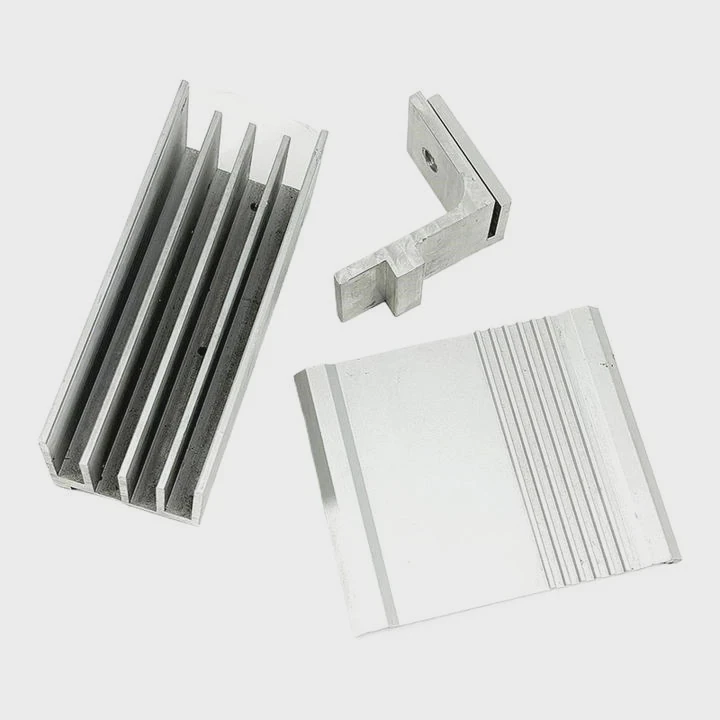
In today’s high-performance devices, heat can become a silent killer. The way we manage that heat determines if a product thrives or fails.
In short: vapor chambers are already mainstream in electronics, with growing use in EVs and telecom—but electronics remains the largest user for now.
Let’s explore this in detail.
What industries use the most Vapor Chambers today?
Vapor chambers (also called two-dimensional heat spreaders) are used wherever there is a need to spread high heat fluxes over a surface rapidly. They are adopted in several industries:
The main users include electronics, telecom, EVs, and aerospace sectors. Among them, electronics still lead in scale and application diversity.
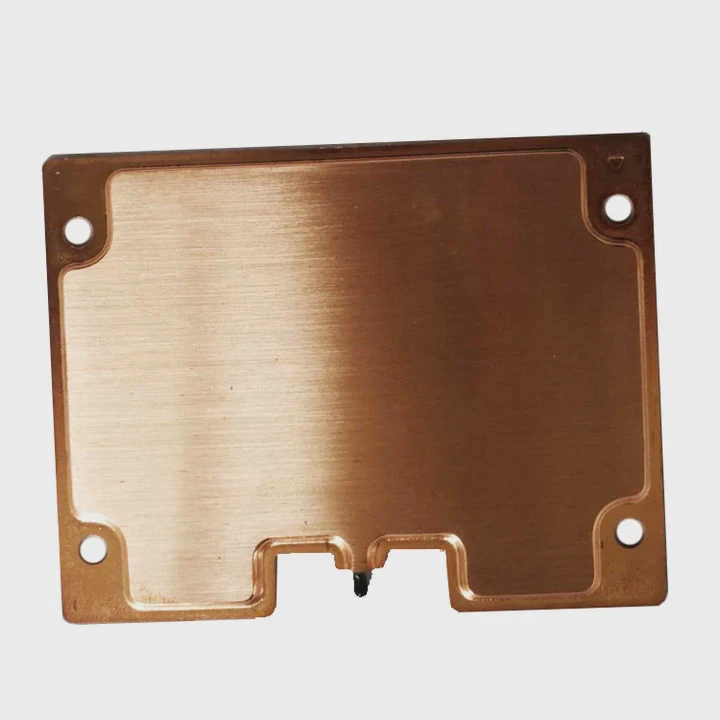
Primary industries
Consumer electronics & high-performance computing (HPC)
These include smartphones, tablets, laptops, gaming consoles, servers. They require thin form-factor, high heat dissipation.Telecommunications / data centre / network equipment
As telecom equipment and servers pack higher densities, thermal management becomes critical.Automotive / electric vehicles (EVs)
The automotive sector is adopting vapor chambers for battery modules, power electronics cooling.Aerospace / defense / industrial equipment
While smaller in volume compared to electronics, these sectors use vapor chambers for high-reliability systems with demanding thermal loads.
Estimated relative usage
| Industry | Usage scale (qualitative) | Key driver |
|---|---|---|
| Consumer electronics / HPC | Highest | High volume, thin devices, high heat flux |
| Telecom / network/data centre | High | High power densities, reliability |
| Automotive / EV | Growing | Battery & power electronics cooling |
| Aerospace / industrial | Niche but critical | High reliability, extreme conditions |
Is the electronics sector the top consumer?
Yes — the electronics sector is currently the top consumer of vapor chambers.
The electronics sector leads because volume is high, devices are compact, heat flux is high, and form-factor constraints demand advanced cooling like vapor chambers.
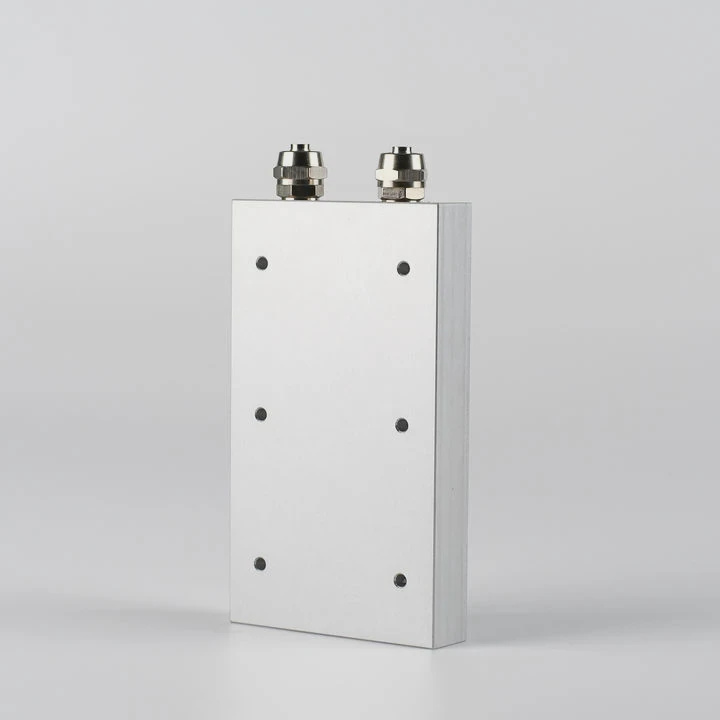
Why electronics dominate
- Volume: Billions of consumer devices are made each year.
- Thermal challenge: Processors, GPUs, mobile SoCs generate high heat in small spaces.
- Form factor: Vapor chambers are flat and ideal for slim device designs.
- Cost vs benefit: Premium devices justify vapor chamber costs due to performance gains.
Limitations
- Lower-end electronics still avoid vapor chambers due to cost.
- Other sectors like EVs and telecom may have higher individual device cost/value, but electronics win in total volume.
Do EVs account for rising Vapor Chamber usage?
Yes — EVs (electric vehicles) and automotive power electronics are increasingly important for vapor chamber usage.
EVs are driving one of the fastest growth rates in vapor chamber demand, especially for battery and power module cooling.
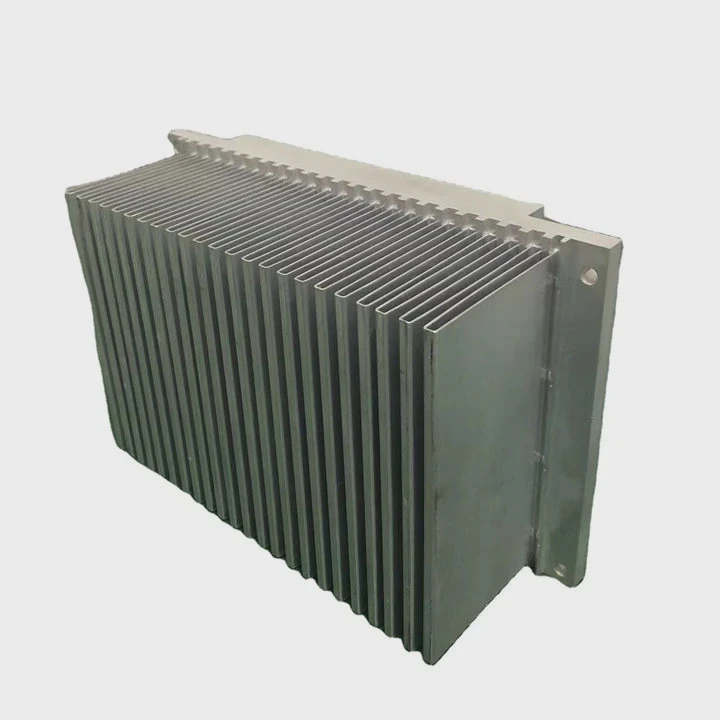
Why growth in EVs?
1. Thermal demands of EV systems
EVs contain high-power electronics, batteries, and electric motors, all generating significant heat.
2. Trend to lighter systems
Automotive designers want lighter and more compact cooling systems. Vapor chambers are ideal replacements for heavier solutions.
3. Integration into modules
Vapor chambers can help spread heat across large battery or power module surfaces before other cooling steps.
4. Adoption path
Automotive requires rigorous testing and reliability. Once proven, vapor chambers are likely to see broader adoption in EV platforms.
Table: Comparison of usage
| Metric | Electronics sector | EV/Automotive sector |
|---|---|---|
| Current volume usage | Very high | Lower |
| Growth rate | Moderate to high | Very high |
| Major driver | Compact form & volume | Thermal control in batteries |
| Likelihood to overtake | Already dominant | Future growth driver |
Are telecom companies large-scale users of Vapor Chambers?
Yes — telecom companies and data center system makers are important users, especially in network and 5G equipment.
Telecom companies are strong vapor chamber users in base stations, servers, and optical modules, though their usage is smaller in unit count than electronics.
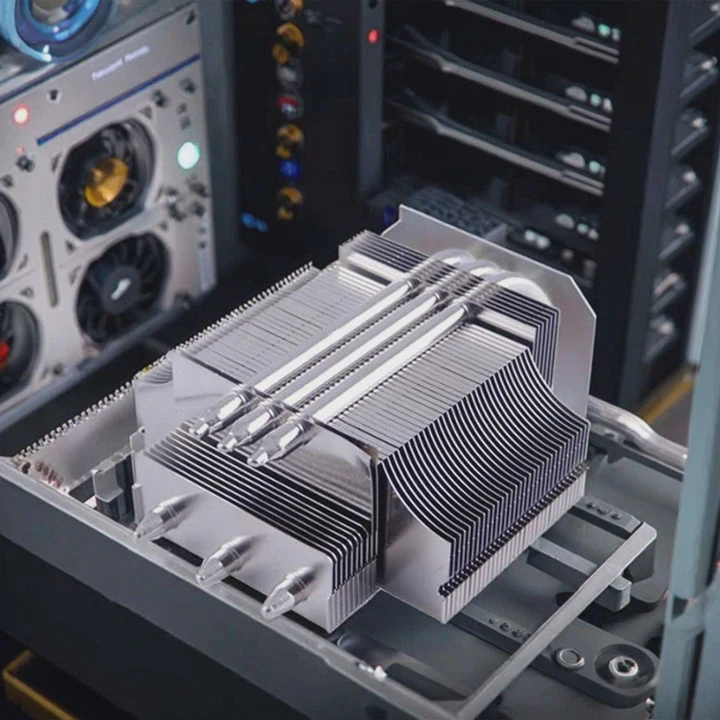
Telecom Use Cases
- 5G base stations: Vapor chambers spread heat from power amplifiers or densely packed PCBs.
- Data centers: Servers and high-speed routers generate heat that vapor chambers help manage.
- Optical modules: Compact, high-power devices benefit from flat, efficient heat spreaders.
Adoption Analysis
| Factor | Telecom Sector |
|---|---|
| Adoption rate | Significant and growing |
| Volume compared to CE | Lower in unit count |
| Thermal complexity | High |
| Role in systems | Often as heat spreaders before other coolers |
| Growth potential | High, especially with 5G/6G, edge computing |
Conclusion
To summarise:
- The electronics sector is the biggest vapor chamber user today.
- EVs are a rising application, especially in battery and power control.
- Telecoms play a strategic role, especially in 5G and high-density servers.
Focusing on electronics gives immediate ROI, while EV and telecom sectors offer strong long-term potential.
TAGS
Latest Articles

Volume discount levels for heat sink orders?
Buyers often ask when heat sink prices start to drop with volume. Many worry they’re overpaying for small orders. This guide explains how B2B volume pricing works for thermal components. Heat sink
21 Dec,2025
Heat sink long-term supply contract options?
Many buyers want stable pricing and reliable delivery for heat sinks. But without a clear contract, risks grow over time. This article explores how to secure better long-term supply deals. Long-term
21 Dec,2025
Tooling cost for new heat sink profiles?
Many engineers struggle to understand why tooling for custom heat sinks costs so much. They worry about budgeting and production timelines. This article breaks down the cost drivers behind tooling.
21 Dec,2025
Heat sink custom sample process steps?
Sometimes, starting a custom heat sink project feels overwhelming—too many steps, too many unknowns, and too many risks. You want a sample, but not endless delays. The process for requesting and
20 Dec,2025
Standard B2B terms for heat sink payments?
When buyers and sellers in B2B heat sink markets talk about payment, many don’t fully understand what’s standard. This can lead to delayed orders, miscommunication, and even lost business
20 Dec,2025
Heat sink pricing factors for large orders?
Heat sinks are vital for many systems. When prices rise, projects stall and budgets break. This problem can hit teams hard without warning. Large order heat sink pricing depends on many factors. You
20 Dec,2025Related Articles
- Vapor Chamber integration in cooling modules?
- Vapor Chamber brazing temperature requirements?
- Vapor Chamber size limitations in manufacturing?
- Vapor Chamber life cycle testing process?
- Vapor Chamber maximum heat flux capacity?
- Vapor Chamber surface flatness tolerance?
- Vapor Chamber roughness standards for contact surfaces?
- Vapor Chamber best filling liquids?
- Vapor Chamber sealing method recommendations?
- How to bond Vapor Chamber to heatsink?
- Can Vapor Chamber be powder coated?
- Does Vapor Chamber need thermal insulation?
Author
Dr. Emily Chen
Chief AI Researcher
Leading expert in thermal dynamics and AI optimization with over 15 years of experience in data center efficiency research.
Categories
Latest Products






Recommend Categories
- Liquid cooling plate Manufacturer
- Industrial Heat Sink Manufacturer
- Standard Heat Sink Manufacturer
- Aluminum Heat Sink Manufacturer
- Copper Heat Sink Manufacturer
- Anodized Heatsink Manufacturer
- Stamping heat sink Manufacturer
- Die Casting Heatsink Manufacturer
- Soldering heat sink Manufacturer
- CNC Parts Manufacturer
Latest Products
- Wholesale Aluminum Radiator
- Water Cooling Plate Kit
- Water Cooling Heat Sink
- Water Cooling Heat Sink Kit
- Stainless Steel Water Distributor
- Server Water Cooling Plate Kit
- Server Liquid Cooling System
- Server Aluminum Cooling Kit
- S19 Full Cover Cooling Plate
- S19 Cooling Plate Kit
- S19 Aluminum Cooling Plate
Contact Expert
Have questions about this article? Reach out to our experts directly.