Does Vapor Chamber support rapid prototyping?
Waiting too long for a prototype can stall your entire project. Missed deadlines and long cycles increase costs fast.
Vapor chambers can support rapid prototyping if designs are simple, tooling is available, and the process stays within standard limits.
When you’re under pressure to test thermal performance quickly, vapor chambers can be part of your prototyping plan — but you must manage constraints.
Can Vapor Chambers be made quickly for testing?
Building test samples often means working with small quantities and short deadlines.
Yes, vapor chambers can be made quickly when using off-the-shelf formats or standard designs without special tooling.
Many thermal solution providers offer vapor chamber samples or small-batch builds for evaluation. These often follow a simple process:
- Use standard copper plates with predefined sizes
- Add a generic wick structure (mesh or sintered powder)
- Fill with common working fluid like deionized water
- Seal with known bonding or welding tools
- Perform basic leak and thermal testing
If no new tooling is required, and materials are in stock, these builds may take 1–3 weeks. Some manufacturers offer pre-configured vapor chambers that can be mounted to your test board with thermal interface material (TIM) for immediate evaluation.
Keep in mind, the simpler the shape, the faster the turnaround. Rectangular, thin chambers are the fastest to produce. Once designs involve curves, multilayers, or non-standard features, the timeline grows quickly.
What limits rapid prototyping of Vapor Chambers?
Not all prototypes are fast or easy. Custom requests introduce delays.
Factors like tooling, material sourcing, and wick customization are key limits on fast vapor chamber prototyping.
Common limiting factors
| Limiting Factor | Impact on Speed |
|---|---|
| Custom chamber geometry | May require new stamping or bonding dies |
| New wick design | Needs testing for capillary performance |
| Non-standard fluid | Extra safety or sourcing steps needed |
| Vacuum sealing setup | Precision required; can’t be rushed |
| High test requirements | Adds time for leak, cycle, and aging tests |
Prototype builds must still follow correct vacuum and sealing processes. Even in low volumes, thermal performance depends on proper internal pressure and clean fluid filling. Cutting corners here leads to failed tests or false results.
Also, if the chamber is meant for reliability-sensitive uses — like automotive or telecom — the prototype may need additional validation. This adds time for tests like helium leak checks, vibration resistance, or high-temperature cycles.
Are there low-volume tools for prototype builds?
Not every factory supports small runs, but some specialize in it.
Yes, many vapor chamber makers have dedicated equipment for low-volume or sample production.
These tools allow flexible adjustment of plate sizes, wick placement, and fill amounts. Some even use semi-manual setups for small orders, bypassing full production lines.
Available tools and methods:
- CNC-cut chamber plates for shape flexibility
- Laser or resistance welding tools for short-run sealing
- Modular jigs for assembling mesh or powder wicks
- Small vacuum filling chambers with fluid injection control
- Bench-top helium leak detectors for QA
Some vendors also offer pre-production services that combine simulation with prototype fabrication. They may build a quick mockup to confirm thermal performance before moving to mass tooling.
For very complex builds, 3D printing is starting to play a role. Some research groups have printed copper vapor chamber housings with internal wick structures integrated into the print. While not mainstream, this approach could shrink prototyping time in the future.
Do custom designs delay Vapor Chamber prototyping?
Unique designs bring engineering value — but they slow down testing.
Yes, vapor chamber prototypes take longer when design includes non-standard shapes, materials, or performance features.
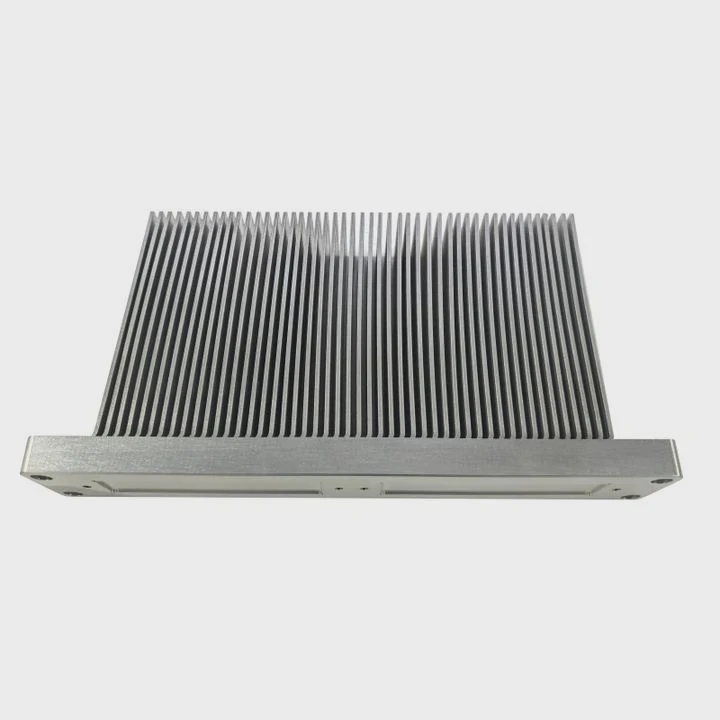
Custom prototypes usually require:
- New housing drawings and CAD models
- Custom stamping or machining
- Wick design adjustment and flow testing
- Process tuning for sealing and vacuum fill
- Fixture design for mounting or functional test
Even if your team finishes the design quickly, the manufacturer must review and validate it. This includes ensuring manufacturability, material compatibility, and safety of the working fluid at test conditions.
Additionally, complex shapes often create sealing challenges. Non-flat edges or holes for mounting introduce leak paths that need engineering attention.
How to reduce prototype delays
| Strategy | Benefit |
|---|---|
| Reuse existing housing sizes | Skip tooling and speed up sourcing |
| Use standard wick + water combo | Avoid custom fill process |
| Avoid plated or coated surfaces | Simplify welding and testing |
| Combine thermal modeling + test | Fewer physical build iterations needed |
| Ask for sample parts first | Validate quickly with available stock |
Fast prototyping of vapor chambers is possible — but not when every part of the design is custom. Keeping early builds simple allows thermal teams to learn fast, iterate, and move forward with confidence.
Conclusion
Vapor chambers support rapid prototyping when designs are standard and vendors are ready. If you’re building thermal systems and need quick test results, choose known shapes and materials to shorten lead times. Custom builds take more time — but with planning, you can balance performance goals and development speed.
TAGS
Latest Articles

Volume discount levels for heat sink orders?
Buyers often ask when heat sink prices start to drop with volume. Many worry they’re overpaying for small orders. This guide explains how B2B volume pricing works for thermal components. Heat sink
21 Dec,2025
Heat sink long-term supply contract options?
Many buyers want stable pricing and reliable delivery for heat sinks. But without a clear contract, risks grow over time. This article explores how to secure better long-term supply deals. Long-term
21 Dec,2025
Tooling cost for new heat sink profiles?
Many engineers struggle to understand why tooling for custom heat sinks costs so much. They worry about budgeting and production timelines. This article breaks down the cost drivers behind tooling.
21 Dec,2025
Heat sink custom sample process steps?
Sometimes, starting a custom heat sink project feels overwhelming—too many steps, too many unknowns, and too many risks. You want a sample, but not endless delays. The process for requesting and
20 Dec,2025
Standard B2B terms for heat sink payments?
When buyers and sellers in B2B heat sink markets talk about payment, many don’t fully understand what’s standard. This can lead to delayed orders, miscommunication, and even lost business
20 Dec,2025
Heat sink pricing factors for large orders?
Heat sinks are vital for many systems. When prices rise, projects stall and budgets break. This problem can hit teams hard without warning. Large order heat sink pricing depends on many factors. You
20 Dec,2025Related Articles
- Vapor Chamber impact resistance specifications?
- Can Vapor Chamber work in subzero temperatures?
- Typical cycle testing for Vapor Chamber durability?
- Can Vapor Chamber replace heat pipes?
- Vapor Chamber usage in telecom base stations?
- Vapor Chamber heat resistance under overload?
- Standard Vapor Chamber copper purity requirements?
- Vapor Chamber for defense industry electronics?
- Vapor Chamber surface flatness tolerance?
- Vapor Chamber maximum heat flux capacity?
- Vapor Chamber life cycle testing process?
- Vapor Chamber size limitations in manufacturing?
Author
Dr. Emily Chen
Chief AI Researcher
Leading expert in thermal dynamics and AI optimization with over 15 years of experience in data center efficiency research.
Categories
Latest Products






Recommend Categories
- Liquid cooling plate Manufacturer
- Industrial Heat Sink Manufacturer
- Standard Heat Sink Manufacturer
- Aluminum Heat Sink Manufacturer
- Copper Heat Sink Manufacturer
- Anodized Heatsink Manufacturer
- Stamping heat sink Manufacturer
- Die Casting Heatsink Manufacturer
- Soldering heat sink Manufacturer
- CNC Parts Manufacturer
Latest Products
- Wholesale Aluminum Radiator
- Water Cooling Plate Kit
- Water Cooling Heat Sink
- Water Cooling Heat Sink Kit
- Stainless Steel Water Distributor
- Server Water Cooling Plate Kit
- Server Liquid Cooling System
- Server Aluminum Cooling Kit
- S19 Full Cover Cooling Plate
- S19 Cooling Plate Kit
- S19 Aluminum Cooling Plate
Contact Expert
Have questions about this article? Reach out to our experts directly.