Standard Vapor Chamber copper purity requirements?
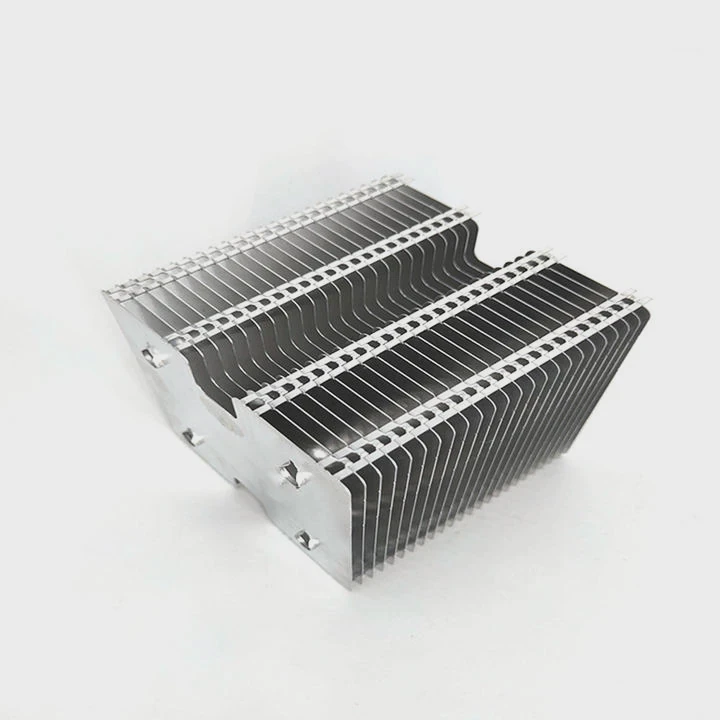
Copper purity in vapor chambers matters for performance, reliability and manufacturability. This blog covers the standard copper purity used, how different applications change the requirements, the effects of impurity levels on thermal performance, and whether purity certification is necessary.
What copper purity is standard in Vapor Chambers?
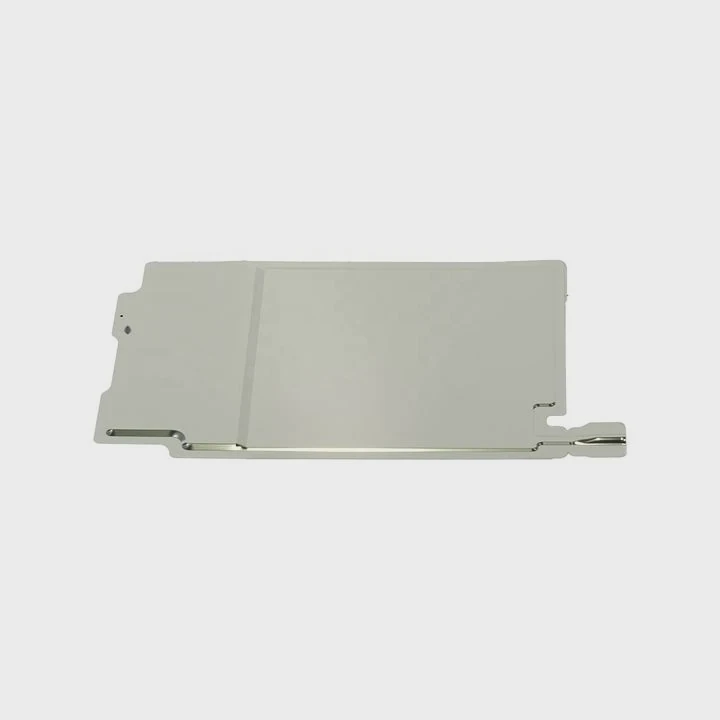
In many vapor chamber designs, manufacturers use high‑conductivity copper—or “oxygen‑free” copper—for the shell and base plate. Oxygen‑free copper (OFC) or oxygen‑free high conductivity copper (OFHC) typically means copper with very low levels of oxygen and other impurities. For example, one classification lists OFHC copper as 99.99 % pure with oxygen in the order of 0.001 % or less.
The practical standard for a premium vapor chamber would therefore be copper around 99.9 % to 99.99 % purity.
For many applications, using a “high‑conductivity” copper grade rather than the absolute highest grade still offers very good thermal performance—so typical shells might use a grade meeting standard high‑conductivity copper criteria rather than ultra‑premium metal.
In short: if you are specifying a vapor chamber and see “high‑conductivity copper shell” or “oxygen‑free copper shell”, assume copper purity in the high 99 % range, ideally 99.9 %+.
Do applications require different copper grades?
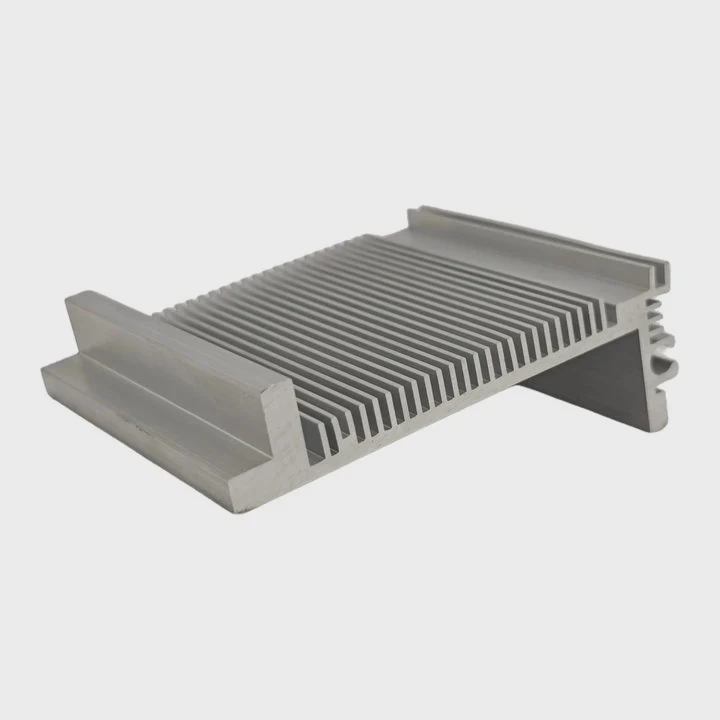
Yes. The needed copper grade depends on the environment, thermal load, reliability demands and manufacturing cost constraints. For example:
- In consumer electronics (e.g., laptops, mobile devices) where cost, volume and space are dominant, designers may accept standard high‑conductivity copper (e.g., 99.9 % or so) because the thermal path isn’t pushing the absolute limits.
- In industrial, aerospace, vacuum, or harsh‑environment applications where reliability, outgassing, thermal cycling and long lifetime matter, designers often prefer the highest purity copper (e.g., OFHC, ~99.99 %) because it offers maximum conductivity and fewer internal defects.
- In large format or heavy duty modules (e.g., data centre cooling, power electronics) the mechanical stresses, brazing, thermal cycling may benefit from a copper grade with both good conductivity and good structural behavior (which may mean a premium copper alloy or OFHC).
- If the environment involves corrosive gases, high humidity or plating/coating needs, the base copper grade must be compatible with additional finish/plating and still meet conductivity and mechanical requirements.
Thus, choice of copper grade is a trade‑off: performance vs cost vs manufacturability vs reliability. You should align copper grade requirement with the application class.
How does impurity level affect heat transfer?
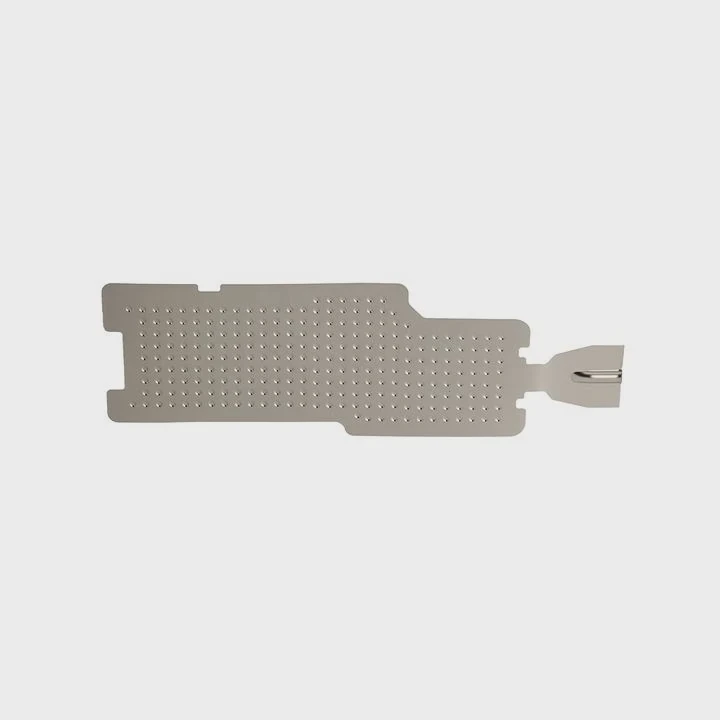
Impurity levels have a tangible effect on copper’s thermal conductivity, mechanical performance and long‑term reliability. Here’s how:
- Copper with fewer impurities and minimal oxygen content tends to have higher thermal conductivity, because fewer defects and less scattering occur inside the metal matrix. That means better ability to conduct heat from the vapor chamber shell into the fins/heatsink.
- If the copper contains higher impurity levels, this can raise its internal resistance, reduce effective thermal conductivity, and therefore increase temperature difference (ΔT) across the shell for a given heat load. In a high‑flux vapor chamber, that extra resistance may degrade performance or reduce the margin.
- Impurities or higher oxygen content may lead to additional issues: potential embrittlement under thermal cycling or vacuum, increased risk of micro‑voids or grain boundary defects, which can impair both thermal and mechanical reliability.
- Although the shell conduction may not always be the dominant resistance path in a vapor chamber (wick structure, vapour transport, interface resistance may dominate), in high performance designs all resistances matter. Using higher‑purity copper helps reduce one of those resistances.
- In practice, going from a standard high‑conductivity copper to an ultra‑high‑purity copper may give modest gains in performance—but in ultra‑high‑flux or tightly constrained systems, that gain can justify the cost.
In summary: impurity level is a key material parameter. For thermal spreaders like vapor chambers targeted at demanding applications, specifying a high grade copper helps maintain optimum performance and reliability.
Is certification needed for copper purity?
Yes—in many cases you will want certification of copper purity when the application justifies it.
Here are key points:
- When your vapor chamber is for a critical reliability application (aerospace, rail, medical, vacuum), it is wise to require material certificates from the copper supplier or mill. The certificate should show chemical composition (Cu % by weight, oxygen content, major impurity levels), thermal/electrical conductivity, and batch traceability.
- Many manufacturing or OEM contracts will require copper material certificates (for example, in accordance with material standards or internal specs) so you can trace from raw material to finished product.
- In less critical or cost‑sensitive applications (consumer electronics, moderate duty) you might accept “high‑conductivity copper” spec without full mill certificate—though you should still verify supplier capability, conductivity, and finish.
- Certification can also support downstream processes: e.g., if brazing, vacuum sealing, plating or reliability tests are required, you benefit from knowing the base copper purity and behavior under those processes.
- In short: if you require top performance or long lifetime, ask for copper grade indication plus certificate; if you are in a more cost‑driven scenario you may specify a grade and functional spec without full documentation.
Conclusion
For vapor chambers, copper purity is a foundational material specification. The standard tends to be high‑conductivity copper, often in the 99.9 % to 99.99 % purity range (especially when labelled “oxygen‑free”). Depending on application class, you may choose different copper grades balancing cost and performance. Impurity levels affect heat transfer and reliability, so specifying the right grade is important. Where performance or reliability is critical, certification of copper purity is strongly recommended. When specifying a vapor chamber, include copper grade, expected conductivity, impurity limits and whether certificate of material is required.
TAGS
Latest Articles

Volume discount levels for heat sink orders?
Buyers often ask when heat sink prices start to drop with volume. Many worry they’re overpaying for small orders. This guide explains how B2B volume pricing works for thermal components. Heat sink
21 Dec,2025
Heat sink long-term supply contract options?
Many buyers want stable pricing and reliable delivery for heat sinks. But without a clear contract, risks grow over time. This article explores how to secure better long-term supply deals. Long-term
21 Dec,2025
Tooling cost for new heat sink profiles?
Many engineers struggle to understand why tooling for custom heat sinks costs so much. They worry about budgeting and production timelines. This article breaks down the cost drivers behind tooling.
21 Dec,2025
Heat sink custom sample process steps?
Sometimes, starting a custom heat sink project feels overwhelming—too many steps, too many unknowns, and too many risks. You want a sample, but not endless delays. The process for requesting and
20 Dec,2025
Standard B2B terms for heat sink payments?
When buyers and sellers in B2B heat sink markets talk about payment, many don’t fully understand what’s standard. This can lead to delayed orders, miscommunication, and even lost business
20 Dec,2025
Heat sink pricing factors for large orders?
Heat sinks are vital for many systems. When prices rise, projects stall and budgets break. This problem can hit teams hard without warning. Large order heat sink pricing depends on many factors. You
20 Dec,2025Related Articles
- Does Vapor Chamber support rapid prototyping?
- Vapor Chamber impact resistance specifications?
- Can Vapor Chamber work in subzero temperatures?
- Typical cycle testing for Vapor Chamber durability?
- Can Vapor Chamber replace heat pipes?
- Vapor Chamber usage in telecom base stations?
- Vapor Chamber for defense industry electronics?
- Vapor Chamber surface flatness tolerance?
- Vapor Chamber maximum heat flux capacity?
- Vapor Chamber life cycle testing process?
- Vapor Chamber size limitations in manufacturing?
- Vapor Chamber brazing temperature requirements?
Author
Dr. Emily Chen
Chief AI Researcher
Leading expert in thermal dynamics and AI optimization with over 15 years of experience in data center efficiency research.
Categories
Latest Products






Recommend Categories
- Liquid cooling plate Manufacturer
- Industrial Heat Sink Manufacturer
- Standard Heat Sink Manufacturer
- Aluminum Heat Sink Manufacturer
- Copper Heat Sink Manufacturer
- Anodized Heatsink Manufacturer
- Stamping heat sink Manufacturer
- Die Casting Heatsink Manufacturer
- Soldering heat sink Manufacturer
- CNC Parts Manufacturer
Latest Products
- Wholesale Aluminum Radiator
- Water Cooling Plate Kit
- Water Cooling Heat Sink
- Water Cooling Heat Sink Kit
- Stainless Steel Water Distributor
- Server Water Cooling Plate Kit
- Server Liquid Cooling System
- Server Aluminum Cooling Kit
- S19 Full Cover Cooling Plate
- S19 Cooling Plate Kit
- S19 Aluminum Cooling Plate
Contact Expert
Have questions about this article? Reach out to our experts directly.