Vapor Chamber brazing temperature requirements?
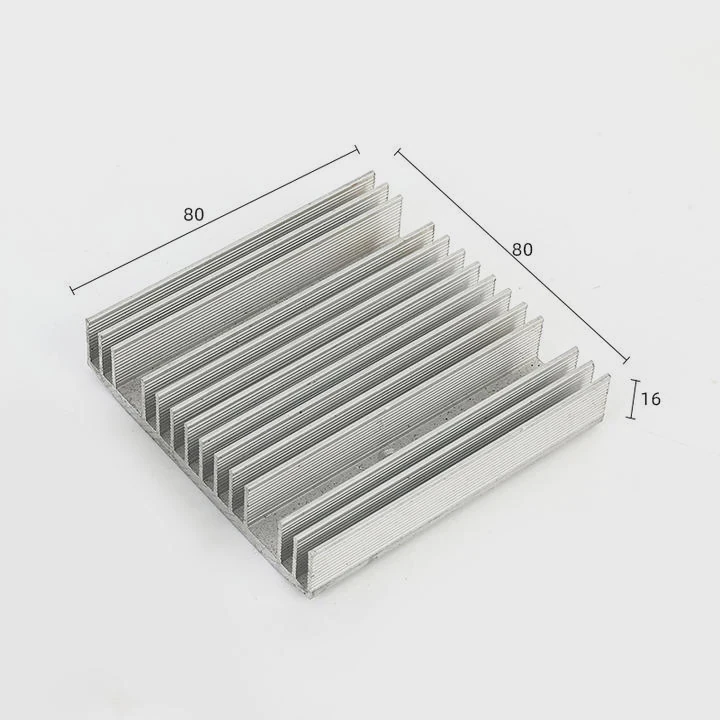
In manufacturing high‑performance vapor chambers, the brazing step plays a critical role in sealing the chamber, forming the internal structure and ensuring long‑term integrity. Selecting the correct brazing temperature is essential to joint strength, internal structure integrity and build yield.
We’ll explore: what temperature is typically used, material choice effects, production‑level oven requirements and risks of overheating.
What temperature is used for Vapor Chamber brazing?
For vapor chambers — particularly those with copper shells and sintered copper wicks plus water or other working fluid inside — brazing typically uses vacuum or controlled‑atmosphere furnaces at elevated temperatures. While the exact temperature depends on the filler alloy, joint design and assembly size, some guidance is available:
- When brazing copper assemblies with copper‑based filler metals in vacuum, the temperature is on the order of ~1,110‑1,120 °C (≈ 2,025‑2,050 °F) to properly melt and flow the filler.
- The brazing cycle also includes ramp‑up, holding at temperature, then controlled cooling to avoid distortion.
- The temperature must be high enough to ensure wetting and flow of the filler metal, joint integrity and hermetic sealing under vacuum or inert atmosphere.
Key take‑aways: Expect brazing temps around ~1,000‑1,150 °C for a fully copper system. The exact number depends on filler alloy and joint design.
Does material choice affect brazing temperature?
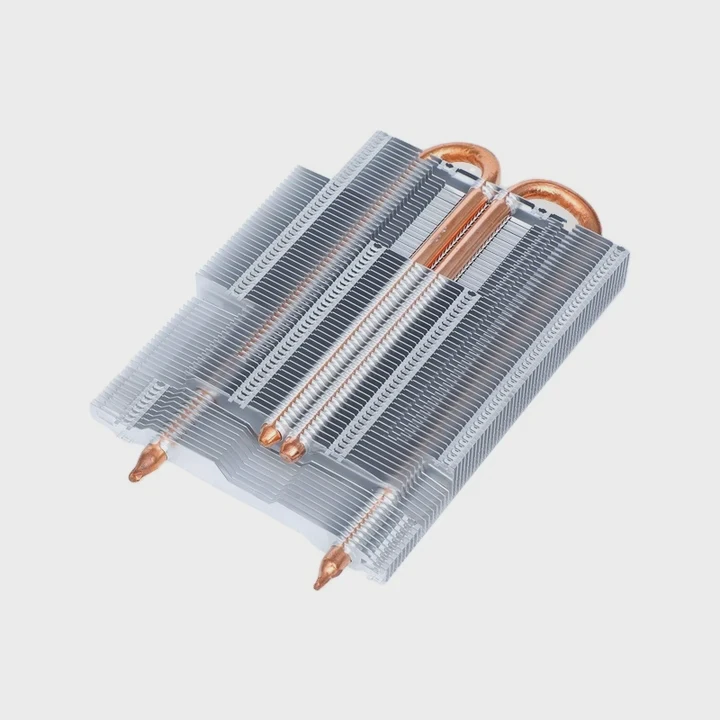
Yes — the material system (shell, wick, filler alloy, plating/coating) will significantly influence the required brazing temperature, choice of filler, and furnace atmosphere.
- If the shell and wick are both copper and the filler is a high‑temperature copper alloy, the brazing temperature will be at the higher end (~1,100 °C).
- If there’s a lower‑melting filler alloy (e.g., silver‑based or bronze‑based) or a different shell material (e.g., copper alloy, stainless steel, nickel plating), then the recommended brazing temperature may be lower.
- If plating or coatings (e.g., nickel, protective finishes) are present on the copper shell, the filler and process temperature must be compatible with those coatings — you may choose a lower temperature filler or adjust the process to protect the coating.
- The wall thickness, chamber size and support structure also affect how much heat distortion will occur at high temperature, so designers may reduce brazing temperature (via alloy choice) to control deformation.
In other words: Material choices affect filler metal, joint design and tolerable temperature, so you must define the material stack to select the correct brazing temperature.
Are high‑temp brazing ovens needed for production?

Yes — for production of high‑quality vapor chambers, particularly copper‑shell types requiring full vacuum brazing, industrial high‑temperature vacuum or inert‑gas furnaces are essentially required.
Key production requirements:
- The furnace must reach and maintain ~1,000‑1,150 °C (or more depending on filler) with uniform temperature across the load to ensure consistent joints.
- It must provide vacuum or inert‑gas atmosphere (to avoid oxidation of copper parts, filler, and internal wick) and manage outgassing.
- Controlled ramp‑up and ramp‑down rates are needed so thin shells don’t warp, wick doesn’t degrade, or internal structure is compromised.
- Fixtures and tooling must hold parts precisely during heating to manage warpage, maintain joint gaps and support internal structure.
- For high volume manufacturing, reproducibility, yield, and cycle time all matter – meaning equipment and process control must be robust.
Thus, yes — when you are manufacturing premium vapor chambers you need a proper vacuum brazing furnace capable of high temperature and atmosphere control. Lower performance or lower cost units might use alternative bonding methods, but for maximum performance the high‑temp vacuum brazing route is standard.
Can overheating damage the Vapor Chamber interior?
Absolutely — overheating or using improper brazing conditions can damage interior components of a vapor chamber. Risks include warpage, bulging, wick damage, internal voids, seal failures and reduced thermal performance.
Damage mechanisms to watch:
- Shell deformation / bulging: At high temperature, internal pressure (from residual gases, vapor of working fluid or metal) may cause the chamber to bulge or warp if structural supports are inadequate. For instance, if the chamber has thin walls or internal pillars insufficient, internal pressure at high brazing temperature may exceed tolerance.
- Wick structure degradation: The sintered or mesh wick inside may suffer grain growth, collapse of pore structure, sintered bonds failing, or thermal stresses that degrade capillary return performance.
- Working fluid contamination or outgassing: If moisture or gas remains inside, elevated temperature causes vaporisation or gas expansion, which may create micro‑cracks, voids or contamination of the wick.
- Joint or filler failure: If temperature is too high, filler alloy may over‑flow, base metal may melt or distortion may occur, creating weak joints or internal voids.
- Interface flatness change: After brazing, surface flatness may suffer due to thermal expansion/contraction cycles, which raises thermal interface resistance when used in application.
To prevent damage:
- Pre‑clean and evacuate thoroughly to minimise residual gases.
- Use internal supports or pillars so thin shells don’t collapse or bulge.
- Control heating rate and cooling rate to minimise thermal gradients.
- Choose filler and process temperature appropriate to shell/wick materials and wall thickness.
- Post‑brazing inspect deformation, leak‑rate, internal wick integrity.
So yes — overheating is a real risk, and must be controlled to ensure the vapor chamber functions reliably.
Conclusion
For vapor chamber fabrication, the brazing temperature is a critical process parameter. In many copper‑shell vapor chambers using vacuum brazing with copper or copper‑based filler alloys, the temperature may run around ~1,000‑1,150 °C. Material choices (shell, wick, filler) influence the required temperature and process route. High‑temperature vacuum furnaces with precise atmosphere and thermal control are normally required for production. On the flip side, excessive brazing temperature or poorly managed process may damage the chamber interior — causing deformation, wick damage, voids or seal failure. When specifying or producing vapor chambers, rigorous control of brazing temperature, atmosphere, heating/cooling profiles and structural supports is essential for performance and manufacturability.
TAGS
Latest Articles

Volume discount levels for heat sink orders?
Buyers often ask when heat sink prices start to drop with volume. Many worry they’re overpaying for small orders. This guide explains how B2B volume pricing works for thermal components. Heat sink
21 Dec,2025
Heat sink long-term supply contract options?
Many buyers want stable pricing and reliable delivery for heat sinks. But without a clear contract, risks grow over time. This article explores how to secure better long-term supply deals. Long-term
21 Dec,2025
Tooling cost for new heat sink profiles?
Many engineers struggle to understand why tooling for custom heat sinks costs so much. They worry about budgeting and production timelines. This article breaks down the cost drivers behind tooling.
21 Dec,2025
Heat sink custom sample process steps?
Sometimes, starting a custom heat sink project feels overwhelming—too many steps, too many unknowns, and too many risks. You want a sample, but not endless delays. The process for requesting and
20 Dec,2025
Standard B2B terms for heat sink payments?
When buyers and sellers in B2B heat sink markets talk about payment, many don’t fully understand what’s standard. This can lead to delayed orders, miscommunication, and even lost business
20 Dec,2025
Heat sink pricing factors for large orders?
Heat sinks are vital for many systems. When prices rise, projects stall and budgets break. This problem can hit teams hard without warning. Large order heat sink pricing depends on many factors. You
20 Dec,2025Related Articles
- Vapor Chamber size limitations in manufacturing?
- Vapor Chamber life cycle testing process?
- Vapor Chamber maximum heat flux capacity?
- Vapor Chamber surface flatness tolerance?
- Vapor Chamber for defense industry electronics?
- Standard Vapor Chamber copper purity requirements?
- Vapor Chamber integration in cooling modules?
- Which industry uses Vapor Chamber mostly?
- Vapor Chamber roughness standards for contact surfaces?
- Vapor Chamber best filling liquids?
- Vapor Chamber sealing method recommendations?
- How to bond Vapor Chamber to heatsink?
Author
Dr. Emily Chen
Chief AI Researcher
Leading expert in thermal dynamics and AI optimization with over 15 years of experience in data center efficiency research.
Categories
Latest Products






Recommend Categories
- Liquid cooling plate Manufacturer
- Industrial Heat Sink Manufacturer
- Standard Heat Sink Manufacturer
- Aluminum Heat Sink Manufacturer
- Copper Heat Sink Manufacturer
- Anodized Heatsink Manufacturer
- Stamping heat sink Manufacturer
- Die Casting Heatsink Manufacturer
- Soldering heat sink Manufacturer
- CNC Parts Manufacturer
Latest Products
- Wholesale Aluminum Radiator
- Water Cooling Plate Kit
- Water Cooling Heat Sink
- Water Cooling Heat Sink Kit
- Stainless Steel Water Distributor
- Server Water Cooling Plate Kit
- Server Liquid Cooling System
- Server Aluminum Cooling Kit
- S19 Full Cover Cooling Plate
- S19 Cooling Plate Kit
- S19 Aluminum Cooling Plate
Contact Expert
Have questions about this article? Reach out to our experts directly.