Best industry practices for Vapor Chamber testing?
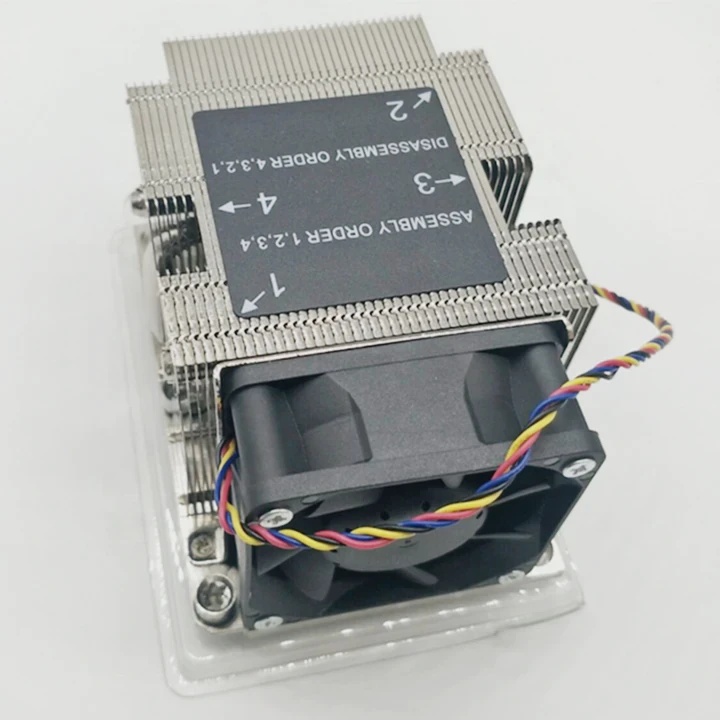
I see too many failures when vapor chambers go into real use without solid testing. Poor thermal performance, leaks, or reliability issues often cost time and money. Good test practices can prevent that.
The best industry practices combine functional, leak, and thermal tests — plus environment, pressure and life‑cycle checks — to verify each vapor chamber meets design and reliability standards before delivery.
Below I explain which tests matter, why every unit should be checked, whether there are standard methods, and how to build a robust test protocol. This will help you avoid field failures and guarantee quality.
What are the best industry practices for testing Vapor Chambers?
I have seen vapor chambers fail even with nominal specs. That risk worries engineers and buyers. Testing that covers all failure modes helps avoid surprises.
Best practice means a multi‑stage test plan: leak test, thermal resistance test, pressure/humidity cycling, shock/vibration, and optionally burn‑in. These checks together confirm both function and long‑term reliability.
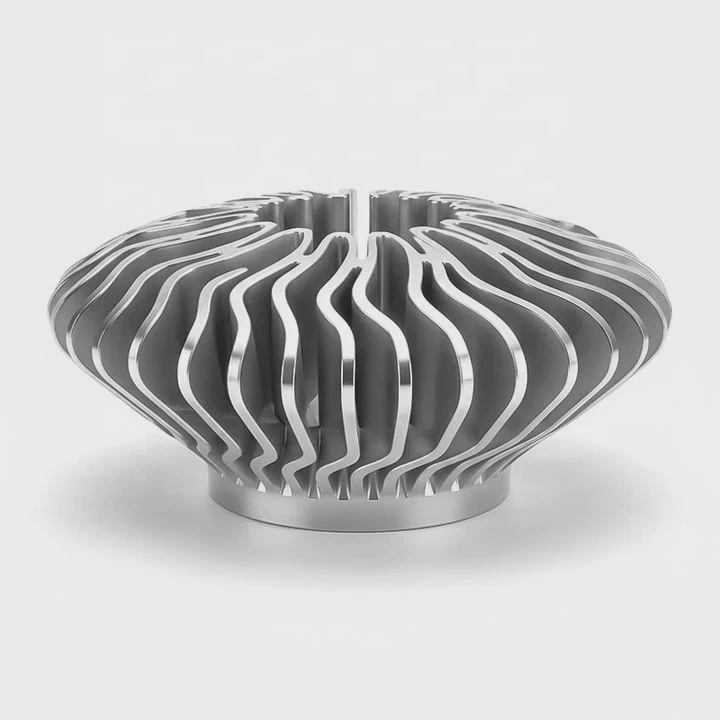
In practice, a good test program does more than just “does it turn on.” Vapor chambers are thermal‑management devices. They must move heat efficiently and stay sealed under stress. That means verifying thermal performance, leak tightness, mechanical integrity, aging resistance, and consistency across units.
Key test types and goals
- Leak testing – sealing under vacuum or pressure to check for micro leaks.
- Thermal resistance measurement – measuring delta‑T across the chamber under known heat load.
- Pressure / humidity / thermal cycling – to simulate real‑world environment changes (temperature swings, humidity, vibration).
- Shock and vibration testing – especially for devices used in transportation or mobile hardware.
- Burn‑in / life‑cycle testing – long‑term heating/cooling cycles to reveal latent faults.
- Visual and dimensional inspection – checking welds, solder, brazing joints, flatness, mounting surfaces.
Often the test flow starts with leak and visual inspection, then thermal test, then environmental cycles, and finally a validation thermal test. That confirms nothing degraded after stress.
Here is a simplified view:
| Test Stage | Purpose |
|---|---|
| Leak / pressure check | Ensure chamber is sealed; no leaks under vacuum or pressure |
| Thermal resistance test | Verify heat spread and conduction meet design specs |
| Environmental cycling (temp / humidity / pressure) | Simulate field conditions — detect fatigue, seal degradation |
| Shock & vibration | Reveal weak welds or structural issues under mechanical stress |
| Post‑cycle thermal test | Confirm performance remains stable after stress |
| Burn‑in / life‑cycle | Expose latent manufacturing defects over time |
I often advise using instruments like helium leak detectors, thermal chambers with calorimetric measurement, and environmental chambers for cycling. Each method stresses a different aspect. A chamber that passes only thermal test may leak later. A sealed chamber may underperform thermally. Only combination gives confidence.
Beyond tests, best practice includes documenting results per unit, tracking batch and serial numbers, and retaining logs. That allows traceability. If a problem appears in field later, quality team can trace back to batch, test logs and maybe raw data. That supports root‑cause analysis and continuous improvement.
In summary, a multi‑axis testing program gives a high level of confidence in both function and reliability, and reduces risk for both manufacturer and customer.
Should every unit undergo functional, leak and thermal testing?
Skipping tests on some units seems like a cost saver. But that introduces risk. That worry grows when production volumes scale or when units go to critical systems.
Yes — every vapor chamber should undergo at least basic functional, leak and thermal testing. Spot‑checking only works for non‑critical parts. For thermal modules and heat spreaders, per‑unit testing ensures consistent quality and avoids random failures.
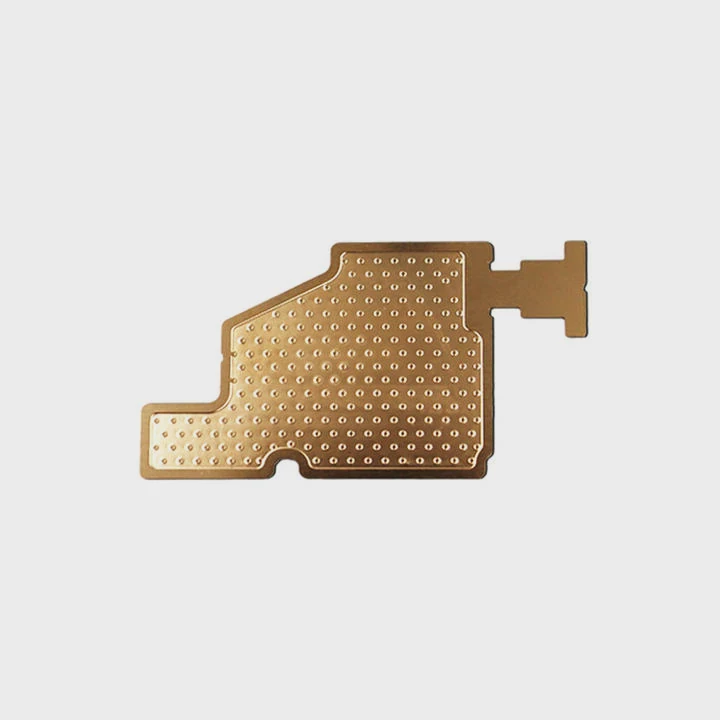
When vapor chambers are used in high‑performance electronics, servers, or critical systems, a single failure can cause system shutdown or worse, product recalls. Random sampling may miss a faulty unit. I once saw a case where a batch passed sample tests but 5% of units failed leak test after shipment — causing costly returns. That experience shows sampling is risky.
Full per‑unit testing makes sense when:
- The chamber handles high heat flux or is part of a critical thermal path.
- The chamber is exposed to harsh environment (vibration, pressure change, humidity).
- The chamber joins complex systems where replacement is hard or expensive.
Spot‑checking may suffice only when chambers are used in low‑risk, low‑heat, easily replaceable modules.
Below is a table to compare sampling vs 100% testing:
| Scenario / Risk Level | Recommended Test Coverage |
|---|---|
| High heat flux / critical thermal load | 100% functional + leak + thermal test |
| Exposure to vibration, humidity, cycling | 100% including environmental cycles |
| Consumer‑grade, low‑spec thermal load | At least sample 10–20%, ideally more |
| Easy to replace, low cost modules | Sampling may be acceptable, if risk is low |
Per‑unit testing adds cost and time. But it ensures each chamber delivered meets specs. That reduces warranty claims and builds customer trust. For custom or OEM clients, this confidence often outweighs slight cost increase.
In addition, when using per‑unit tests, records should include serial numbers, test date, conditions, and results. That supports traceability and helps manage quality over time.
Therefore, for serious thermal products — especially for B2B/industrial customers — full testing for every unit is best practice. It aligns with quality and reliability goals.
Are standard test methods documented for Vapor Chambers?
Many companies wonder if there is an industry standard they can cite. Without shared standards, test protocols vary a lot. That variation can cause inconsistent quality between suppliers.
There is no universal standard solely for vapor‑chamber testing. Some standards cover thermal, pressure and leak testing generally, but they often need adaptation. Most companies build custom protocols based on available standards plus internal requirements.
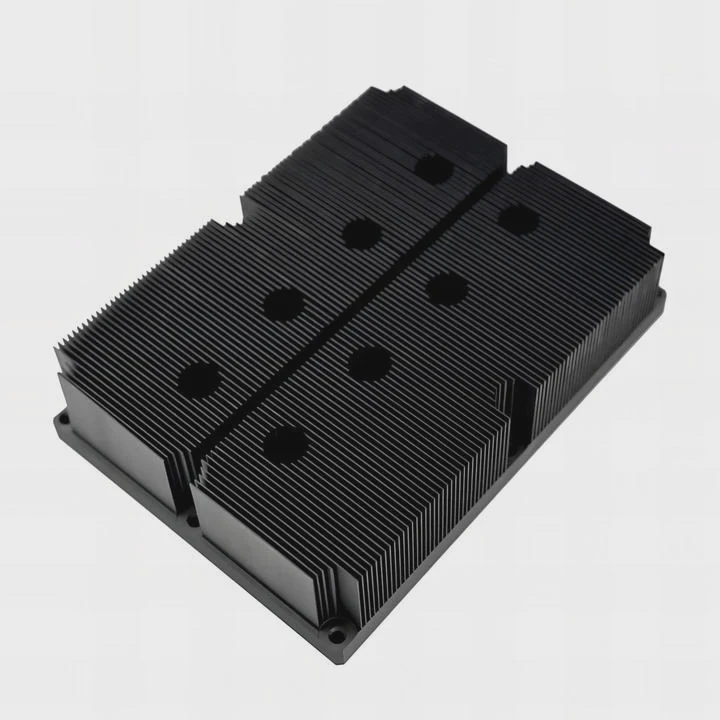
I looked for published global standards that define vapor chamber test requirements. I found some general standards for heat pipes, heat sinks, pressure vessels, or hermetic seal testing. For example, standards for leak testing by vacuum or pressure, or thermal cycling of electronics. But none focus specifically on vapor chambers. That means test engineers need combine multiple standards or build custom procedures.
Common referenced standards and their drawbacks
- Leak and hermeticity standards – these define acceptable leak rate thresholds for sealed components. They work for vapor chambers, but do not say how to apply thermal load or cycling.
- Thermal test standards – general electronics thermal test or heat‑sink thermal resistance measurement. They often assume conduction or convection, not vapor transport inside sealed chamber.
- Environmental and reliability standards – like thermal cycling (JEDEC‑style), humidity, vibration standards for electronics. They help but need parameter tuning for vapor chamber materials and brazing.
Using these standards requires careful adaptation. Test engineers need to decide load levels, cycling amplitude, duration, measurement points, acceptance criteria.
Because of lack of unified standard, many leading manufacturers develop internal standards. These build upon general standard practices but include extra steps like post‑cycle leak test or post‑thermal‑load warp measurement.
Risk of no standard
When different suppliers use different protocols, product performance varies. One supplier may pass leak test but skip environmental stress — chambers may fail soon after deployment. Another may test only thermal resistance but not seal integrity. That inconsistency causes unpredictable results for buyers.
Therefore many serious OEMs ask their vendors to supply test protocol documents and sample results. That helps guarantee consistency.
In my view, vendors should document their full test matrix — listing each test, parameters (e.g. temperature ramp, hold time, pressure levels), measurement methods, acceptance criteria. Clients should review those documents before qualifying a vendor.
Because of this gap in universal standards, industry players who care about quality often benchmark their own protocols against harsh conditions even beyond real use. This helps build buffers.
Thus the best practice when using vapor chambers is to demand full documentation of test methods from suppliers and to insist on protocols that combine seal integrity, thermal performance, environmental stress, and final verification.
How to establish a quality test protocol for Vapor Chambers?
It can feel hard to build a test plan from scratch. Many variables. Many risks. Many trade‑offs between cost and confidence. But a clear protocol brings reliability and repeatability.
To build a good protocol: define goals, map failure modes, choose tests to cover them, set acceptance criteria, document, and review regularly. Keep protocol simple but comprehensive. Then scale up to full production testing.

Step by step to build a protocol
Define requirements and risk profile
Understand where vapor chamber will be used. High heat, vibration, pressure, humidity? Field replacement hard or easy? That defines how strict testing must be.List potential failure modes
Common failures: seal leak, solder/brazing failure, thermal resistance drift, structural deformation, air ingress, wick failure.Choose tests to cover all modes
For each failure mode pick one or more tests — leak test for seal, thermal test for conduction, cycling for stress, vibration for mechanical, burn‑in for latent faults.Set acceptance criteria
Decide acceptable leak rate (e.g. helium leak of < X), thermal resistance threshold, flatness tolerance, mechanical deformation thresholds, number of cycles to pass.Define test flow and order
E.g. leak → thermal → environmental cycles → vibration → final thermal → report. Order matters: early tests catch early issues, final tests confirm integrity after stress.Create documentation template
Include serial number, batch, date, test conditions, results, operator, and pass/fail.Pilot test and refine
Run first few units. Check if test catches known weak units. Adjust parameters if too strict or too lax.Scale to full production
Once stable, apply to every unit (or defined sample size) depending on risk and cost.Periodic review and calibration
Regularly review test results, failure trends, and adjust protocol. Calibrate equipment to avoid drift.
Example protocol outline
| Stage | Test Type | Conditions & Notes |
|---|---|---|
| 1 | Leak / pressure | Vacuum leak detection or pressure rise test, threshold 1e‑6 mbar·L/s |
| 2 | Thermal resistance | Apply defined heat load, measure temp drop over known area |
| 3 | Thermal cycling | –40 °C ↔ 85 °C, 10 cycles, hold times to simulate daily use |
| 4 | Humidity + pressure cycling | High humidity + pressure swings where relevant |
| 5 | Vibration / shock | As per application (e.g. rail / automotive) |
| 6 | Final thermal test | Same as stage 2, compare against baseline |
I advise using a “golden unit” (a prototype known good chamber) as reference. That unit sets baseline for thermal resistance, flatness, weight, etc. Use it at start and periodically for calibration.
Why this matters
Without a documented protocol, each batch could vary. I know of cases where thermal performance drifted 10–15% over time because no post‑cycle test was done. That affected system reliability. Proper protocol gives early warning and prevents mass defects.
Also documentation adds value. Customers appreciate suppliers that provide test reports. That builds trust and supports quality audits.
Finally, a good protocol speeds up internal processes. New staff, new line or new design — the protocol gives clear instructions. That ensures consistency across shifts and over time.
Conclusion
Good vapor chamber quality depends on rigorous test practices. A strong protocol uses leak testing, thermal performance checks, environmental and mechanical stress, and final verification. Testing every unit may cost more but avoids failures, reduces risk, and builds trust. Clear documentation and periodic review make the protocol sustainable and effective.
TAGS
Latest Articles

Volume discount levels for heat sink orders?
Buyers often ask when heat sink prices start to drop with volume. Many worry they’re overpaying for small orders. This guide explains how B2B volume pricing works for thermal components. Heat sink
21 Dec,2025
Heat sink long-term supply contract options?
Many buyers want stable pricing and reliable delivery for heat sinks. But without a clear contract, risks grow over time. This article explores how to secure better long-term supply deals. Long-term
21 Dec,2025
Tooling cost for new heat sink profiles?
Many engineers struggle to understand why tooling for custom heat sinks costs so much. They worry about budgeting and production timelines. This article breaks down the cost drivers behind tooling.
21 Dec,2025
Heat sink custom sample process steps?
Sometimes, starting a custom heat sink project feels overwhelming—too many steps, too many unknowns, and too many risks. You want a sample, but not endless delays. The process for requesting and
20 Dec,2025
Standard B2B terms for heat sink payments?
When buyers and sellers in B2B heat sink markets talk about payment, many don’t fully understand what’s standard. This can lead to delayed orders, miscommunication, and even lost business
20 Dec,2025
Heat sink pricing factors for large orders?
Heat sinks are vital for many systems. When prices rise, projects stall and budgets break. This problem can hit teams hard without warning. Large order heat sink pricing depends on many factors. You
20 Dec,2025Related Articles
- Demand trend for Vapor Chamber manufacturing
- Is Vapor Chamber recyclable material?
- Vapor Chamber technical support availability?
- Estimated lifespan of Vapor Chamber in industry?
- Vapor Chamber functional testing standards?
- Cost saving ideas for Vapor Chamber production?
- Can Vapor Chamber be exported worldwide?
- Vapor Chamber Ergonomic Installation Guide?
- How to compare Vapor Chamber suppliers?
- Are Vapor Chamber prices decreasing?
- Vapor Chamber thermal simulation accuracy?
- Vapor Chamber for battery thermal runaway control?
Author
Dr. Emily Chen
Chief AI Researcher
Leading expert in thermal dynamics and AI optimization with over 15 years of experience in data center efficiency research.
Categories
Latest Products






Recommend Categories
- Liquid cooling plate Manufacturer
- Industrial Heat Sink Manufacturer
- Standard Heat Sink Manufacturer
- Aluminum Heat Sink Manufacturer
- Copper Heat Sink Manufacturer
- Anodized Heatsink Manufacturer
- Stamping heat sink Manufacturer
- Die Casting Heatsink Manufacturer
- Soldering heat sink Manufacturer
- CNC Parts Manufacturer
Latest Products
- Wholesale Aluminum Radiator
- Water Cooling Plate Kit
- Water Cooling Heat Sink
- Water Cooling Heat Sink Kit
- Stainless Steel Water Distributor
- Server Water Cooling Plate Kit
- Server Liquid Cooling System
- Server Aluminum Cooling Kit
- S19 Full Cover Cooling Plate
- S19 Cooling Plate Kit
- S19 Aluminum Cooling Plate
Contact Expert
Have questions about this article? Reach out to our experts directly.