Is Vapor Chamber recyclable material?
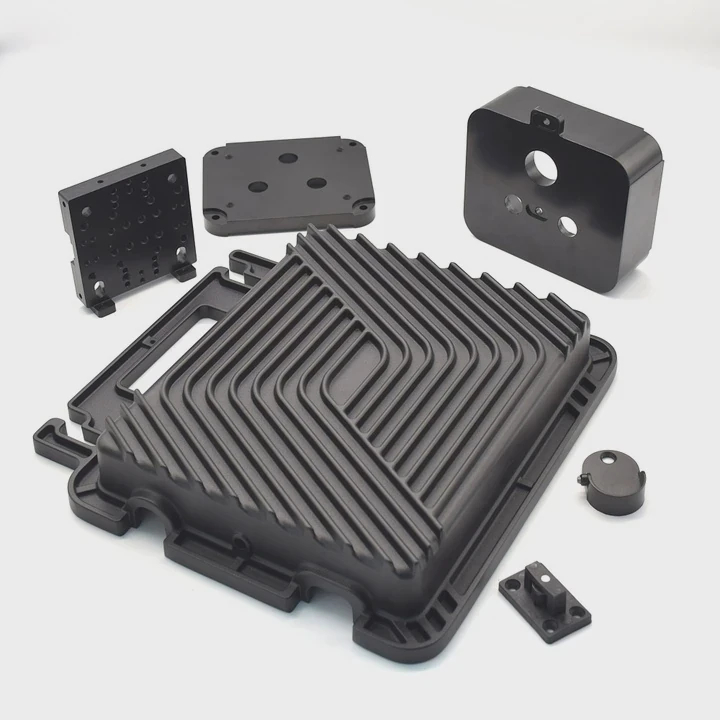
Many people are building devices that use vapor chambers and wonder what happens when these reach end‑of‑life. They worry about waste and environmental harm. This article digs into those issues with clear answers.
In short: vapor chambers can be partially recycled, but recycling depends on the materials used, the local recycling system, and how the chamber is designed. Full recycling often remains a challenge.
Let us walk through four key questions to see what is possible.
Can Vapor Chambers be recycled at end-of-life?
Many users ask: can a vapor chamber be recycled when it is no longer useful?
Yes, but only parts of a vapor chamber are likely to be recycled. Much depends on how the chamber is freed from other device parts and local recycling rules.
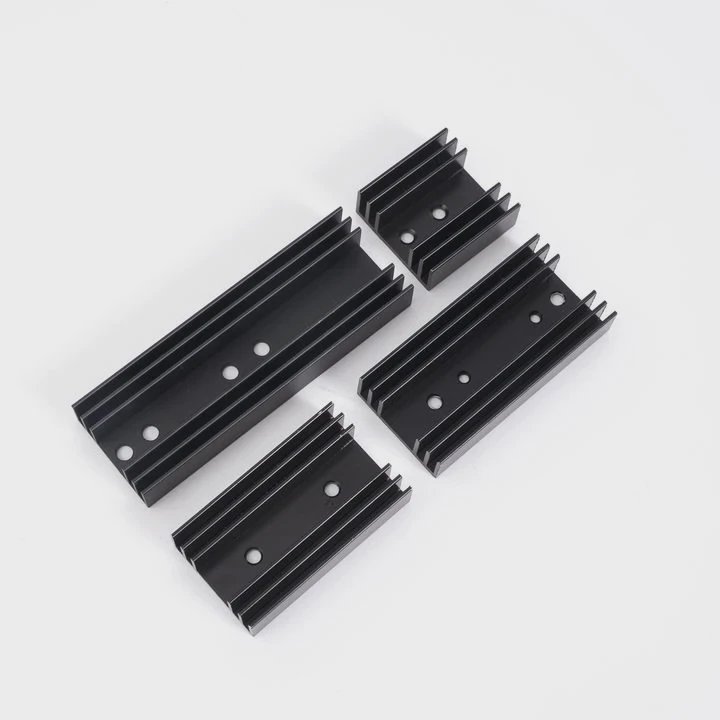
When a vapor chamber reaches end-of-life, recycling depends on several factors. One important factor is whether the chamber is soldered or bonded to other parts like motherboard, housing, or heat sinks. If it is soldered in, removal becomes hard. If it is attached with screws or clips, the chamber may be removed intact. Once removed, the outer shell — often made of aluminum — can be treated like scrap metal. Aluminum is widely accepted in metal recycling programs. So in many places, the shell could be recycled.
Inside the chamber, the situation is more complex. The chamber holds working fluid (usually a small amount of liquid, like water or a refrigerant) and internal wick or structure. Such parts may not qualify as scrap metal in typical recycling streams. The wick might be sintered metal powder or copper mesh, or even a composite. If made of metal, these might be recycled. However, the fluid often is lost during disposal or vented out. That fluid may be hazardous or non‑hazardous, depending on what authors used. If hazardous, safe disposal is required, not ordinary recycling.
Finally, local laws matter a lot. In many places, scrap-metal collectors or electronic-waste recycling centers accept “loose metal pieces.” If the vapor chamber is detached, people can treat it as scrap aluminum. But many electronic‑waste centers require full devices or larger assemblies. A lone vapor chamber might be rejected if not part of larger electronic hardware.
In summary, a vapor chamber can be recycled — mainly the outer shell and metallic internals — if removed correctly and accepted by local recyclers. Full recycling of all parts is rare.
Are the materials used in Vapor Chambers recoverable?
Which materials inside a vapor chamber can we recover? Are they valuable or reusable?
The most recoverable materials from a vapor chamber are metals, especially aluminum or copper. Internal fluids and wicks are harder to recover safely or reuse.
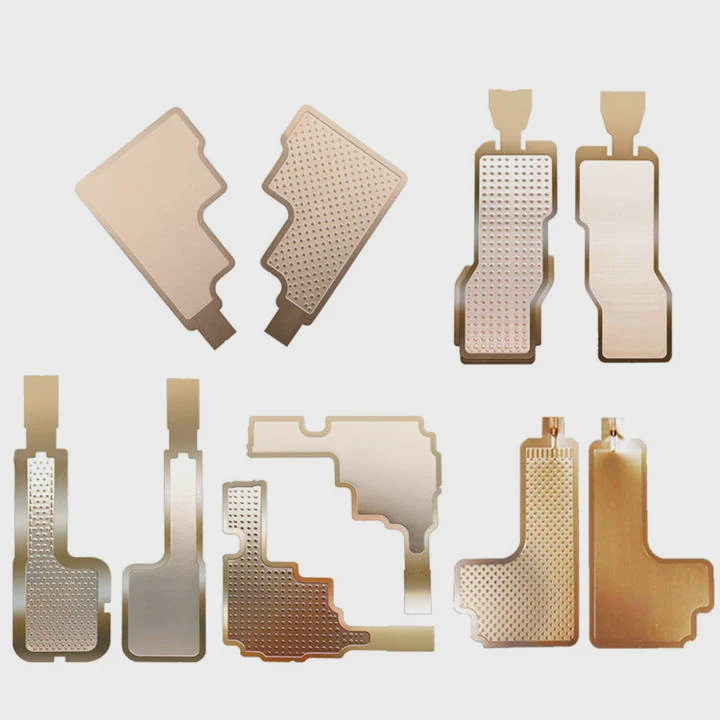
To understand recoverability, we should list the common materials in a vapor chamber. Typically, the outer shell is aluminum or sometimes copper. Inside is a metal wick or mesh, often copper or sintered metal powder. Then there is a small amount of working fluid — often distilled water, sometimes ethanol, or other refrigerants. Some designs might use solder or brazing material at seams.
Here is a simple table summarizing materials and their recoverability:
| Material or component | Recoverable / Recyclable? | Notes |
|---|---|---|
| Aluminum outer shell | Yes — high chance | Accepted by most scrap metal recyclers |
| Copper wick / internal mesh | Yes — often recyclable metal | Must be separated from non-metal parts |
| Solder / brazing metal | Possibly — if recovered as scrap metal | Depends on recycling center policy |
| Working fluid (liquid) | Hardly — usually lost or contaminated | Often vented / drained; may be hazardous |
| Composite additives / flux | Rarely recoverable | Mixed materials complicate recycling |
Metals like aluminum and copper have market value as scrap. A recycler can melt them down and reuse them. This is usually the easiest and most reliable recovery path.
The working fluid presents a big challenge. Even if non-toxic (like water), once mixed with residue or contaminants, most recycling centers will not take it. If fluid is refrigerant or has chemicals (like glycol or alcohol), disposal requires special handling. This often leads to disposal as hazardous waste rather than recycling.
The wick material is more promising if it is pure metal. But often it is bonded to the outer shell or contaminated with solder or residue. That complicates recovery. Separating it requires manual or mechanical work, which is expensive and seldom done just for vapor chambers.
In practice, recoverable value comes mainly from the outer shell and internal metallic parts. All other parts — fluid, small bits, contamination — are usually lost or discarded.
Do recycling programs exist for vapor chamber components?
Is there a formal recycling program for vapor chambers or small heat‑management parts?
Not really. There is almost no program that targets vapor chambers alone. Recycling tends to fall under broader electronic‑waste or scrap‑metal programs.
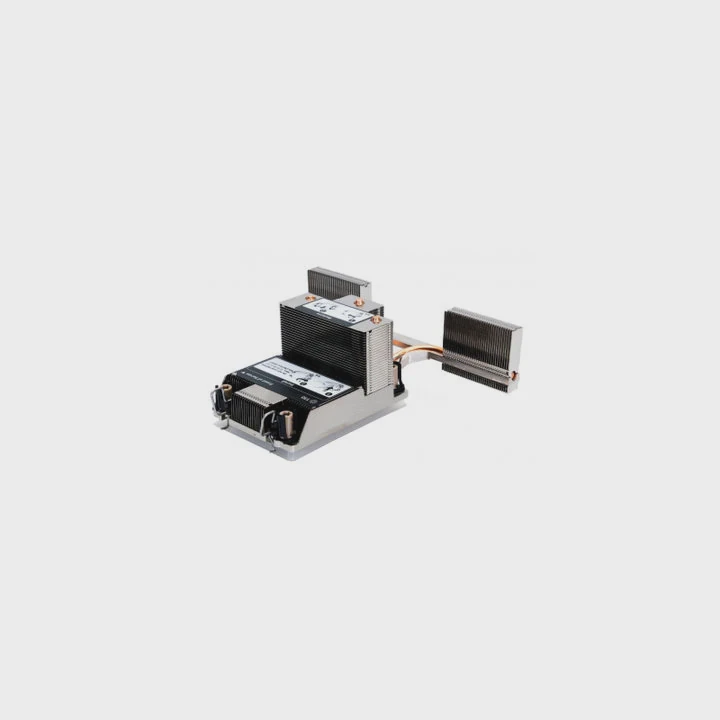
When I looked for dedicated recycling programs for vapor chambers, I found none. Most electronic‑waste (e‑waste) programs focus on full devices: laptops, phones, desktop computers, motherboards, batteries, etc. These programs rarely list small internal heat components such as vapor chambers. That means if a device is submitted for e‑waste recycling, the vapor chamber is treated like any other internal component — if removed physically, it may go to scrap metal recycling. Otherwise it stays with the device and is incinerated or shredded.
Metal scrapyards sometimes accept any loose aluminum or copper pieces. If someone removes a vapor chamber and takes it to a scrapyard, they may get credit for the metal weight. But this requires manual separation.
Large electronics manufacturers or recycling centers seldom specify that they extract vapor chambers. For example, when a laptop is recycled, recyclers focus on plastics, batteries, heavy metals, circuit boards. Heat spreaders or cooling plates may be part of the “metal scrap” pile if not attached to PCB. But there is no guarantee they are separated or recycled individually.
For many users, the default outcome is landfill or incineration. Unless the vapor chamber is carefully removed and brought to a metal recycler, chances are it becomes waste.
This lack of dedicated programs underscores a bigger issue: many thermal components in electronics are “recycling orphans.” They are too small to matter on their own, too specialized for general metal recycling, and often attached inside devices. Without extra pull from consumers or regulation, they remain unrecovered.
Therefore, if one cares about recycling a vapor chamber, one should plan ahead. Remove it before disposing a device. Then bring the separated metal parts to a metal recycler or scrap‑metal dealer. Accept that internal fluids and solder might not be recoverable.
Does design for recyclability impact Vapor Chamber cost or structure?
If manufacturers design vapor chambers with recycling in mind, does that change cost or how they are built?
Yes. Designing vapor chambers for easy recycling usually increases cost and can change the structure. Simpler, modular and easy‑to‑disassemble designs come at trade‑offs.
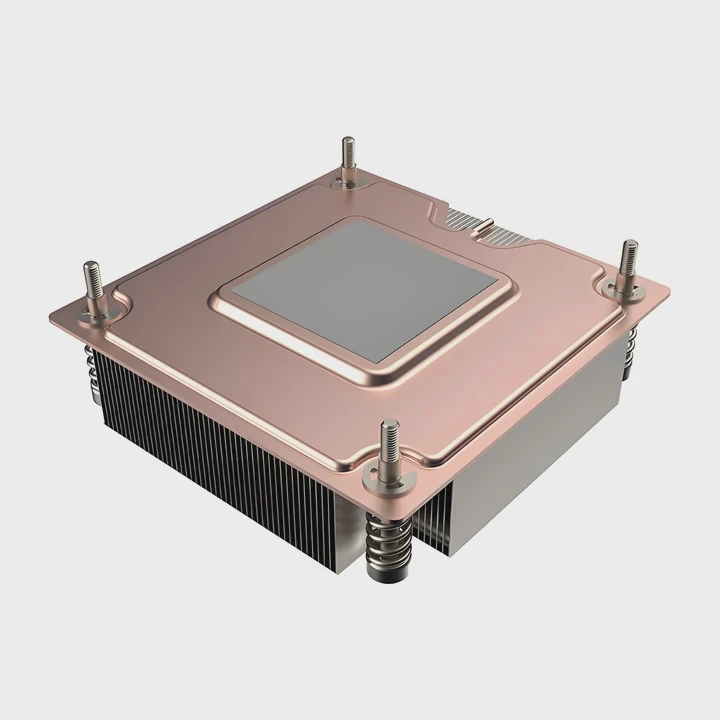
When a vapor chamber is built, it is often soldered or brazed to guarantee a tight, leak‑free seal. That is good for performance. But soldered seams make disassembly very hard. A design optimized for recyclability would avoid solder or permanent bonds. Instead it would use screws, clamps, or mechanical fasteners. That allows the shell to open, fluid to drain, wick to be removed, and metals to be separated.
But that changes the design. An openable shell needs tight mechanical tolerances to avoid leaks. Designers may need extra gaskets, seals, or even removable internal trays to hold wick and fluid. These parts may add thickness, increase size, or reduce thermal efficiency. The chamber might lose some thermal performance because of joints, seams, or gaskets compared to a welded design.
Also cost increases. Using mechanical fasteners or removable parts adds manufacturing steps: separate pieces, assembly lines with screws or rivets, quality checks for leak tightness, and potential quality issues over time (seals degrade). That increases labor, parts count, and quality testing. For a high-volume product, even a small cost per unit adds up.
Here is a table summarizing trade‑offs of design for recyclability:
| Design choice | Benefit for recyclability | Cost or structural drawback |
|---|---|---|
| Mechanical fastening (screws/clips) | Easy disassembly; shell can be removed | More parts; higher assembly cost; potential leaks |
| Removable internal tray / wick holder | Wick and fluid separate; better metal recovery | Increased shell size; slightly worse cooling |
| Use of recyclable solder or flux‑free joints | Easier scrap metal separation | May reduce joint strength; higher risk of leaks |
| Modular fluid drain ports | Fluid can be drained safely before recycle | Adds complexity; risk of leaks; extra seals |
In practice, many manufacturers avoid these design choices. They choose welded or soldered designs because they deliver better heat transfer, lower cost, and reliable sealing. For mass production, performance and cost wins over recyclability.
Only in niche cases — for example, high‑end servers or environmentally certified electronics — would a manufacturer consider designing vapor chambers for recyclability. That often appeals only when there is regulatory pressure, circular‑economy programs, or customer demand.
Therefore, yes, design for recyclability changes chamber structure and cost. For many applications, these trade‑offs outweigh the benefits.
Conclusion
Vapor chambers offer partial recyclability through their metal shells and internal metal parts. Liquid, solder, and mixed materials remain hard to recover. No dedicated recycling program exists. Making chambers easy to recycle requires design trade‑offs that raise cost and may reduce performance.
Growing awareness and policy may improve vapor chamber recyclability in future.
TAGS
Latest Articles

Volume discount levels for heat sink orders?
Buyers often ask when heat sink prices start to drop with volume. Many worry they’re overpaying for small orders. This guide explains how B2B volume pricing works for thermal components. Heat sink
21 Dec,2025
Heat sink long-term supply contract options?
Many buyers want stable pricing and reliable delivery for heat sinks. But without a clear contract, risks grow over time. This article explores how to secure better long-term supply deals. Long-term
21 Dec,2025
Tooling cost for new heat sink profiles?
Many engineers struggle to understand why tooling for custom heat sinks costs so much. They worry about budgeting and production timelines. This article breaks down the cost drivers behind tooling.
21 Dec,2025
Heat sink custom sample process steps?
Sometimes, starting a custom heat sink project feels overwhelming—too many steps, too many unknowns, and too many risks. You want a sample, but not endless delays. The process for requesting and
20 Dec,2025
Standard B2B terms for heat sink payments?
When buyers and sellers in B2B heat sink markets talk about payment, many don’t fully understand what’s standard. This can lead to delayed orders, miscommunication, and even lost business
20 Dec,2025
Heat sink pricing factors for large orders?
Heat sinks are vital for many systems. When prices rise, projects stall and budgets break. This problem can hit teams hard without warning. Large order heat sink pricing depends on many factors. You
20 Dec,2025Related Articles
- Vapor Chamber technical support availability?
- Estimated lifespan of Vapor Chamber in industry?
- Vapor Chamber functional testing standards?
- Cost saving ideas for Vapor Chamber production?
- Required energy evaluation for Vapor Chamber?
- Vapor Chamber for thermal cycling environments?
- Demand trend for Vapor Chamber manufacturing
- Best industry practices for Vapor Chamber testing?
- Can Vapor Chamber be exported worldwide?
- Vapor Chamber Ergonomic Installation Guide?
- How to compare Vapor Chamber suppliers?
- Are Vapor Chamber prices decreasing?
Author
Dr. Emily Chen
Chief AI Researcher
Leading expert in thermal dynamics and AI optimization with over 15 years of experience in data center efficiency research.
Categories
Latest Products






Recommend Categories
- Liquid cooling plate Manufacturer
- Industrial Heat Sink Manufacturer
- Standard Heat Sink Manufacturer
- Aluminum Heat Sink Manufacturer
- Copper Heat Sink Manufacturer
- Anodized Heatsink Manufacturer
- Stamping heat sink Manufacturer
- Die Casting Heatsink Manufacturer
- Soldering heat sink Manufacturer
- CNC Parts Manufacturer
Latest Products
- Wholesale Aluminum Radiator
- Water Cooling Plate Kit
- Water Cooling Heat Sink
- Water Cooling Heat Sink Kit
- Stainless Steel Water Distributor
- Server Water Cooling Plate Kit
- Server Liquid Cooling System
- Server Aluminum Cooling Kit
- S19 Full Cover Cooling Plate
- S19 Cooling Plate Kit
- S19 Aluminum Cooling Plate
Contact Expert
Have questions about this article? Reach out to our experts directly.