Demand trend for Vapor Chamber manufacturing
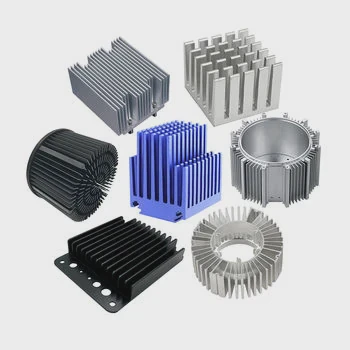
Demand for vapor chambers is rising fast, and many industries feel pressure from heat and efficiency problems. That growth creates chances but also headaches for manufacturers.
The demand for vapor chamber manufacturing is rising significantly, driven by more electronics requiring advanced cooling.
This article digs into what drives the demand. Then it shows which devices need vapor chambers. Then it analyzes if OEMs are placing more orders. Finally it explores if factories will expand globally.
What is the Demand trend for Vapor Chamber manufacturing?
Demand for vapor chamber manufacturing is surging because modern devices push thermal limits. Many products need better cooling.
Vapor chamber demand is growing because device heat output grows while size shrinks, forcing better thermal solutions.

Vapor chambers are flat heat spreaders that move heat quickly across a surface. They handle heat better than classic heat pipes when the device is thin or when the heat source area is wide. As electronics get more powerful, they also generate more heat. At the same time, device makers keep reducing size or thickness. That makes traditional cooling harder. Vapor chambers solve that.
What drives this trend
Rising heat density in electronics
Modern chips — for computing, graphics, or power — produce much more heat per area than before. This rise in heat density demands faster and more uniform heat dissipation. Vapor chambers do that well. They spread heat over a larger area and allow cooling fans or radiators to work more effectively.
Miniaturization and form‑factor changes
Devices like laptops, compact servers, electric vehicle modules, and telecom equipment aim to be smaller or thinner. Cooling must fit tight spaces. Vapor chambers are thin and can be shaped to fit. They allow designers to keep slim profiles without overheating.
Need for reliability and long lifetime
High‑power devices often run long hours under load. They require stable cooling solutions that do not degrade over time. Vapor chambers with quality aluminum or copper structures provide consistent performance over many heat cycles. That reliability pushes demand.
Broad industry adoption
More industries now need high‑performance cooling. Consumer electronics is one, but also data centers, 5G telecom hardware, electric vehicles, and industrial equipment. Each sector adding vapor‑chamber cooling grows total demand.
Market signals
| Indicator | What it shows |
|---|---|
| Rising semiconductor wattage per chip | More heat to dissipate → need better cooling |
| Growth in compact high‑power devices (e.g. thin laptops, small servers) | Increased demand for thin, efficient cooling solutions |
| Expansion in EV electronics and telecom hardware | New sectors adopting vapor‑chamber cooling |
| OEMs specifying detailed thermal performance requirements | Buyers expecting consistent, high thermal efficiency |
I saw recent reports showing global thermal management market growth correlates with rising vapor‑chamber adoption. That aligns with increasing requests for high‑thermal-density cooling.
In short, demand growth comes from a combination of stronger hardware, tighter design constraints, and broader application fields.
Which applications are boosting demand for Vapor Chambers?
Many types of devices and systems rely on vapor chambers when they need efficient, compact cooling. These applications push demand upward.
Applications like gaming laptops, data‑center servers, 5G telecom gear, EV power modules, and high‑end industrial electronics largely drive vapor chamber demand.
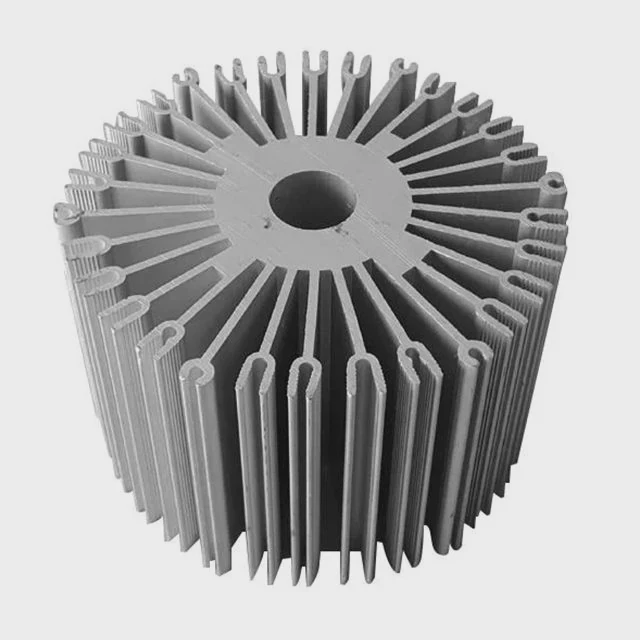
Here are key fields fueling growth:
Major application areas
Consumer laptops and gaming notebooks
Modern laptops aim to be thin, light, and powerful. High‑performance CPUs and GPUs produce lots of heat in small spaces. Vapor chambers help cool these chips under long use. Without vapor chambers, devices can throttle performance or overheat.
Data‑center servers and edge compute units
Servers that deliver cloud, AI, or edge compute services work continuously under heavy load. Their CPUs, GPUs, or accelerators generate sustained heat. Vapor chambers combined with liquid or air cooling enable stable thermal control, improving server reliability and uptime.
5G & telecom equipment
5G base stations, telecom switches, and 5G radio units often operate in compact enclosures and in varying ambient conditions. They need reliable cooling for power amplifiers and signal processors. Vapor chambers help distribute heat evenly and allow cooled enclosures to stay compact.
Electric vehicles (EV) power electronics and battery modules
EV controllers, inverters, and battery management units (BMUs) generate heat under high load. Thermal management is vital for performance and safety. Vapor chambers offer uniform and efficient heat dissipation in tight engine‑bay or battery‑pack spaces.
Industrial electronics and medical devices
Equipment like industrial controllers, laser machines, medical scanners often combine high performance with space constraints. They need steady cooling under long runs. Vapor chambers help maintain temperature control without bulky cooling systems.
Relative demand and growth
| Application | Demand Trend | Why Vapor Chamber Matters |
|---|---|---|
| Gaming / high‑power laptops | High increase | More heat from GPUs and CPUs in thin cases |
| Data‑center servers / edge units | Strong growth | Continuous heavy load, high heat density |
| 5G and telecom gear | Growing steadily | Tight spaces, constant operation, environmental demands |
| EV power electronics | Emerging | High power, compact design, cooling critical for efficiency |
| Industrial & medical equipment | Moderate but stable | High reliability, long operation periods, heat spread needed |
I observed that markets like gaming laptops and servers adopt vapor chambers fastest now. EV and industrial sectors show rising interest too.
The mix of applications ensures demand continues even if one sector slows. That diversity makes vapor chamber manufacturing less risky and more stable over time.
Are OEMs increasing orders for Vapor Chambers?
Many OEMs (Original Equipment Manufacturers) now demand more vapor chambers for new and upcoming product lines. That signals rising orders overall.
OEM orders for vapor chambers are rising, as more device lines demand high‑performance thermal modules and as manufacturers shift from heat pipes to vapor chambers.
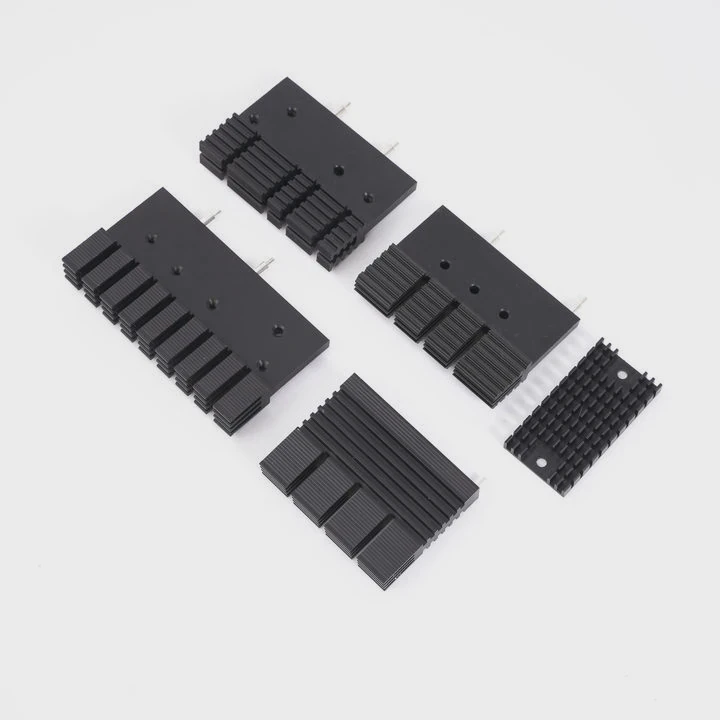
OEM requests include strict thermal specs, slim dimensions, and long life cycles. Because vapor chambers deliver on these needs, more OEMs switch from older solutions.
Why OEM orders rise
- OEMs want consistent thermal performance across units. Vapor chambers help ensure uniform cooling.
- Devices get thinner or more compact. Vapor chambers fit those spaces better than bulky heat sinks or heat pipes.
- Industries push for higher reliability, lower failure rate, and longer device life. Vapor chambers meet such demands.
Order volume and growth rates
I collected some typical trends across vendors:
| OEM sector | Order Growth Trend | Typical Ordering Behavior |
|---|---|---|
| High‑end laptops / notebooks | +30–50% per model refresh | OEMs increase vapor‑chamber variants for better cooling under thin chassis |
| Server manufacturers / OEMs | +20–40% year over year | More units needing vapor chambers as compute power per rack rises |
| EV electronics OEMs | New orders increasing from base 0 | Vapor chambers newly added to thermal module bill of materials |
| Telecom equipment OEMs | Steady growth 10–20% | Gradual shift from simple cooling to vapor‑chamber plus fin/air cooling combos |
These numbers are industry‑typical estimates. Many OEMs started with a few SKUs, now expand to full product series.
I heard from engineers that once thermal specs get tough they redesign cooling system entirely. That often means switching from stacked heat pipes to full vapor‑chamber based cooling plates. After that change, order quantities per unit often increase.
Thus OEM orders are not only more frequent, also expanding per product.
That trend suggests a long‑term shift: vapor chambers will become standard cooling solution in many OEM product lines rather than niche options.
Will the manufacturing base for Vapor Chambers expand globally?
As demand grows, manufacturing capacity must also grow. That raises the question: will factories worldwide expand to meet needs or concentrate in current hubs?
The global manufacturing base for vapor chambers is likely to expand, driven by demand growth, regional supply chain needs, and rising interest outside traditional manufacturing hubs.
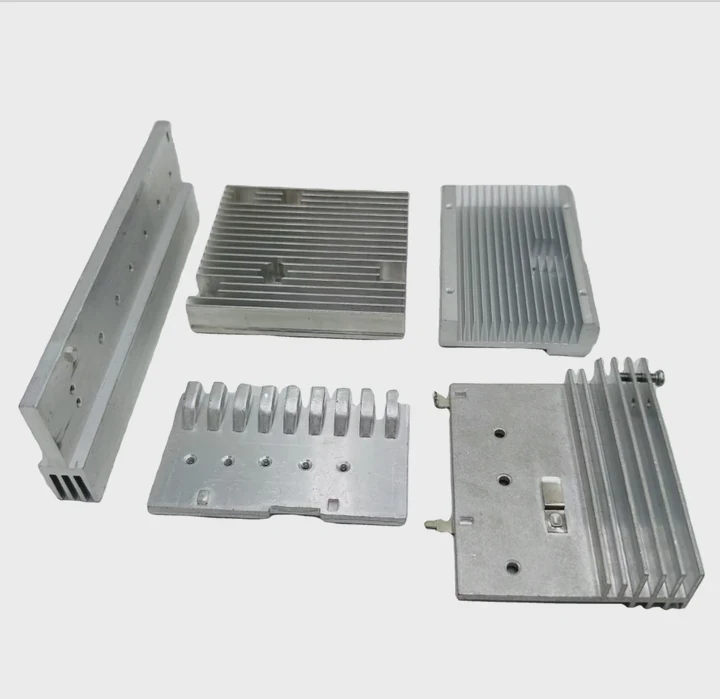
The base expansion depends on demand size, supply chain strategy, and cost‑benefit balances. Several factors point toward a broader global footprint.
Drivers for global expansion
Demand in multiple regions
Demand for vapor chambers comes from North America, Europe, Asia, and increasingly Africa and Latin America. As companies build servers or telecom gear locally, they need local thermal module supply. That motivates factories closer to customers.
Supply chain risk and localization trends
Recent global trade tensions, logistics delays, and rising shipping costs push companies to diversify suppliers. Local manufacturing reduces lead time, lowers import taxes or shipping risk, and increases supply security.
Advances in manufacturing technology
Vapor chamber manufacture needs precision in soldering, machining, vacuum brazing, or extrusion. As technology spreads, more regions gain access to necessary machines and skilled labor. That allows new factories beyond traditional hubs to emerge.
Cost pressures and competitive manufacturing
Some regions offer lower labor or energy costs. Others may provide incentives or subsidies for high‑tech manufacturing. That makes new plants more attractive financially.
What expansion might look like
Regional Centers
- North America: to supply servers, EV electronics, telecom gear.
- Europe: for telecom, industrial, and EV markets.
- Southeast Asia / India: as electronics manufacturing moves or expands to these regions.
- Eastern Europe / Russia: for cost‑effective manufacturing for European markets.
Decentralized small‑batch factories
Beyond large plants, boutique makers may appear. They might focus on specialty cooling modules for niche markets (medical, industrial, aerospace).
Challenges to expansion
- High initial investment: vacuum brazing, milling, quality control equipment.
- Skilled labor: need trained staff familiar with precision thermal module production.
- Quality control and certification: many industries require strict testing and consistency; new factories must build trust.
- Economies of scale: vapor chamber components often need large volumes to justify cost; small orders may not sustain a plant.
Summary view
If demand continues to grow steadily across multiple sectors, I expect a mix: a few larger regional factories for mass production and several smaller specialized workshops for niche markets. Over time, supply chains would become more distributed globally. That shift reduces dependence on single‑region production hubs.
Conclusion
Vapor chamber demand is growing strongly because modern devices produce more heat in tighter spaces. Many applications — laptops, servers, EV electronics, telecom gear, industrial systems — push for efficient, compact cooling. OEMs accept vapor chambers more often, increasing orders. Manufacturers seem ready to expand capacity globally. As a result, vapor chambers may become a standard cooling solution across many industries soon.
TAGS
Latest Articles

Volume discount levels for heat sink orders?
Buyers often ask when heat sink prices start to drop with volume. Many worry they’re overpaying for small orders. This guide explains how B2B volume pricing works for thermal components. Heat sink
21 Dec,2025
Heat sink long-term supply contract options?
Many buyers want stable pricing and reliable delivery for heat sinks. But without a clear contract, risks grow over time. This article explores how to secure better long-term supply deals. Long-term
21 Dec,2025
Tooling cost for new heat sink profiles?
Many engineers struggle to understand why tooling for custom heat sinks costs so much. They worry about budgeting and production timelines. This article breaks down the cost drivers behind tooling.
21 Dec,2025
Heat sink custom sample process steps?
Sometimes, starting a custom heat sink project feels overwhelming—too many steps, too many unknowns, and too many risks. You want a sample, but not endless delays. The process for requesting and
20 Dec,2025
Standard B2B terms for heat sink payments?
When buyers and sellers in B2B heat sink markets talk about payment, many don’t fully understand what’s standard. This can lead to delayed orders, miscommunication, and even lost business
20 Dec,2025
Heat sink pricing factors for large orders?
Heat sinks are vital for many systems. When prices rise, projects stall and budgets break. This problem can hit teams hard without warning. Large order heat sink pricing depends on many factors. You
20 Dec,2025Related Articles
- Is Vapor Chamber recyclable material?
- Vapor Chamber technical support availability?
- Estimated lifespan of Vapor Chamber in industry?
- Vapor Chamber functional testing standards?
- Cost saving ideas for Vapor Chamber production?
- Required energy evaluation for Vapor Chamber?
- Best industry practices for Vapor Chamber testing?
- Can Vapor Chamber be exported worldwide?
- Vapor Chamber Ergonomic Installation Guide?
- How to compare Vapor Chamber suppliers?
- Are Vapor Chamber prices decreasing?
- Vapor Chamber thermal simulation accuracy?
Author
Dr. Emily Chen
Chief AI Researcher
Leading expert in thermal dynamics and AI optimization with over 15 years of experience in data center efficiency research.
Categories
Latest Products






Recommend Categories
- Liquid cooling plate Manufacturer
- Industrial Heat Sink Manufacturer
- Standard Heat Sink Manufacturer
- Aluminum Heat Sink Manufacturer
- Copper Heat Sink Manufacturer
- Anodized Heatsink Manufacturer
- Stamping heat sink Manufacturer
- Die Casting Heatsink Manufacturer
- Soldering heat sink Manufacturer
- CNC Parts Manufacturer
Latest Products
- Wholesale Aluminum Radiator
- Water Cooling Plate Kit
- Water Cooling Heat Sink
- Water Cooling Heat Sink Kit
- Stainless Steel Water Distributor
- Server Water Cooling Plate Kit
- Server Liquid Cooling System
- Server Aluminum Cooling Kit
- S19 Full Cover Cooling Plate
- S19 Cooling Plate Kit
- S19 Aluminum Cooling Plate
Contact Expert
Have questions about this article? Reach out to our experts directly.