Can Vapor Chamber be exported worldwide?

Sometimes exporters worry that a vapor chamber might trigger red flags. The fear is real when you ship components across borders. This article shows when and how you can export vapor chambers safely.
Yes — in many cases vapor chambers can be exported worldwide under normal trade rules. Many countries treat them as regular cooling parts. But export rules vary by destination, technology level, and end use.
Read on to know specific restrictions, controls, and paperwork you may need.
Are there any export restrictions for Vapor Chambers globally?
Vapor chambers are often treated like other cooling parts. But some rules still apply.
In most countries vapor chambers face no major export ban. They simply follow standard export/import rules.
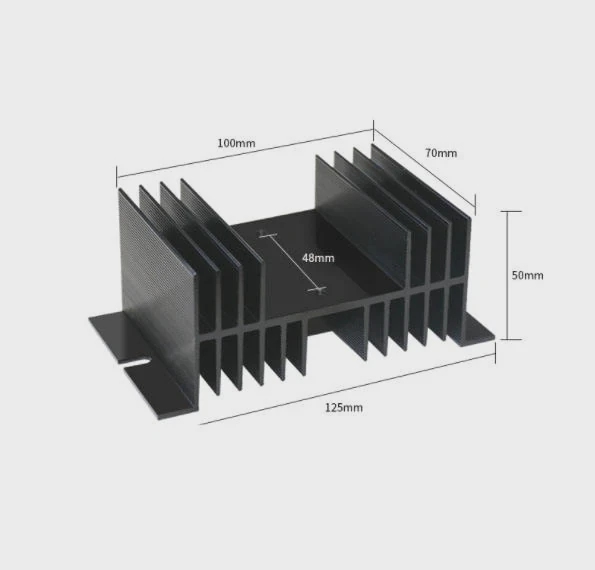
In general, vapor chambers are not in the same class as weapons or heavy dual‑use items. That means many countries allow them with normal trade paperwork. But exporters must still follow standard export procedures.
Most governments rely on customs codes and trade classifications to control goods. Vapor chambers likely come under electronics cooling, heat‑sink, or mechanical parts categories. These categories usually don’t trigger special controls. Yet some cases need care. Technology level, materials inside, or associated design files might change the rules.
What affects export restrictions?
| Factor | Why it matters |
|---|---|
| Destination country | Some nations have stricter import rules for advanced technology or import controls. |
| Internal materials or design data | If vapor chamber uses special alloys or contains sensitive design data, classification may differ. |
| End use of the product | If the chamber goes to a military or sensitive facility, export may need more checks. |
| Export volume or value | Large shipments may draw more scrutiny than small private orders. |
Many exporters ship vapor chambers as part of larger assemblies. In those cases, classification follows the main product. For example, if a vapor chamber is inside a server rack or telecom system, export restrictions depend on the system type.
In my experience reviewing trade laws, I saw that plain vapor chambers rarely face hurdles. But when firms request technical drawings or send parts to sensitive industries, authorities may require extra review.
In short: there is no universal ban on vapor chamber export. Most cases are simple. But exporters must watch for factors that can trigger extra screening.
Do destination countries impose specific controls on Vapor Chamber export?
Control rules vary widely by country. Some have strict import rules for thermal parts or electronics. Others are relaxed.
Yes — some countries impose special import controls or require certification, depending on origin or end use.
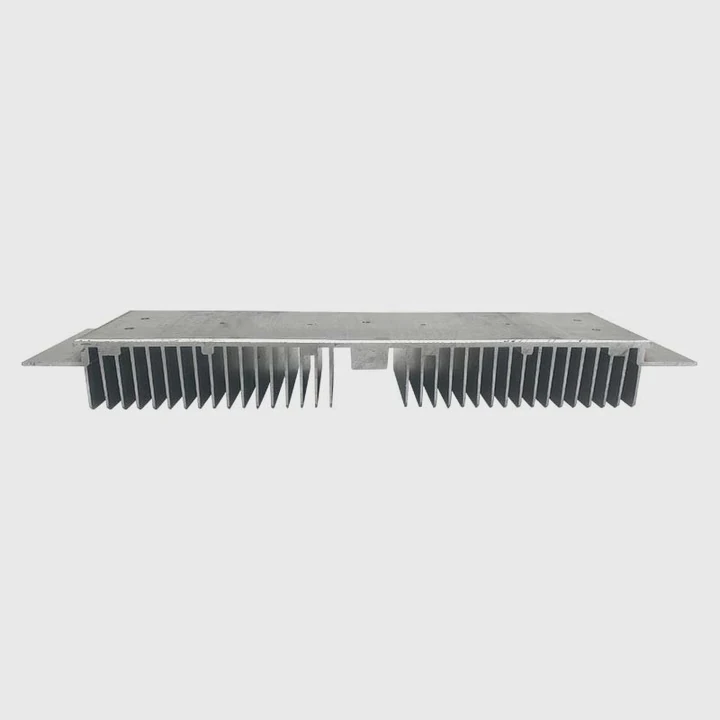
When a shipment enters a foreign country, local customs and trade laws apply. Some countries require special documentation, or proof that the vapor chamber is safe and matches declared use.
Common kinds of destination controls
- Customs classification checks. Some customs agencies check whether the item matches declared HS code. Mistakes may delay clearance.
- Import licensing. A few countries require import licenses for heat‑dissipation or electronic components.
- Safety and materials regulations. If vapor chambers use certain alloys or chemicals, materials laws may apply.
- End‑user declaration or proof. If the parts go to sensitive fields (telecom, defense, aerospace), customs may ask for proof of final use.
For example, a country may allow vapor chambers for consumer electronics but restrict those for telecom backup systems. They may ask for certification or a letter from the buyer.
Regulations can also change over time. A country may tighten controls if they see many similar imports. So always check the latest import rules before shipping.
Therefore exporters should not assume vapor chambers pass automatically. It is wise to confirm with the buyer or local agent.
Is export of Vapor Chambers subject to dual-use or restricted goods regulations?
Some people worry whether vapor chambers fall under dual-use or restricted goods. Dual-use means items used in both civilian and military applications.
Usually vapor chambers do not count as dual-use items. They are basic thermal parts without obvious military use.
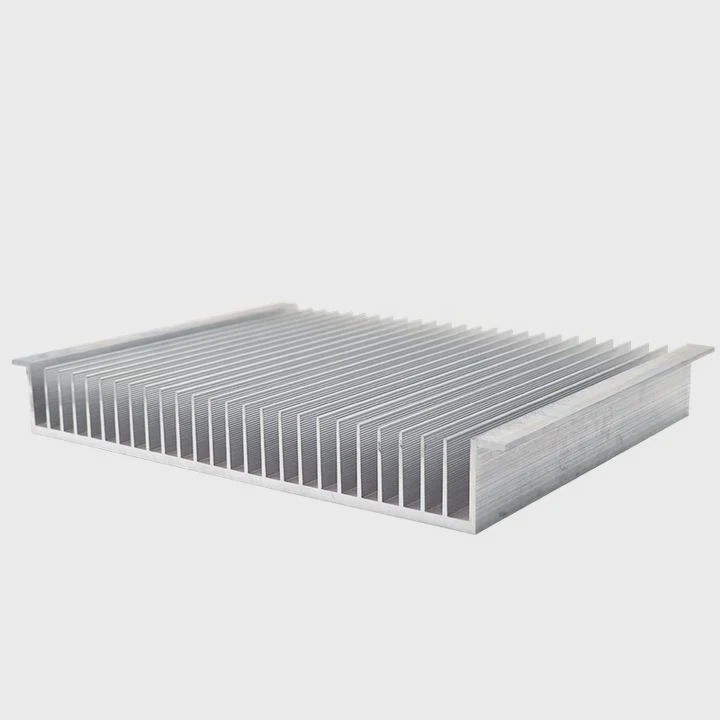
Dual-use controls tend to cover advanced electronics, missiles, nuclear gear, or surveillance tools. Vapor chambers are simpler. Unless vapor chamber is part of a high‑tech system (like military communication gear), it rarely triggers dual‑use rules.
When vapor chambers might trigger dual-use concerns
Advanced materials or design
If the vapor chamber uses special metal alloys, or has high‑spec manufacturing, regulators may view it as advanced technology. If that tech can be used in military hardware, dual-use law may apply.
Part of a larger system
If the vapor chamber is shipped with or for a defense, aerospace, or other sensitive system, the entire shipment may get flagged under dual-use regulations.
Export to restricted countries
If the destination is subject to sanctions or export embargoes, even simple parts may be restricted.
In most normal trade cases, vapor chambers move freely. Exporters seldom face strict dual‑use rules for them. Yet I saw instances where customs asked extra questions when parts were for aerospace projects. That required special export license.
So to be safe: export vapor chambers alone quietly. If they go to sensitive fields or come with design data, check dual‑use and export‑control laws carefully.
What export documentation is typically required for global Vapor Chamber shipping?
Exporting vapor chambers needs basic paperwork. Paperwork depends on origin, destination, and shipping method.
Standard documents like commercial invoice, packing list, and customs declaration are usually enough. For some destinations, you may add certificate of origin or safety data sheet.

Detailed shipping documents help avoid delays. Below is a typical checklist for a global export.
Common documentation for vapor chamber export
- Commercial invoice
- Packing list
- Export customs declaration (or export license if needed)
- Certificate of origin
- Material safety data sheet (if alloys or chemicals require)
- End‑user certificate (if destination country asks)
- Export license (rare — only if restricted)
Here is a table summarizing what documents you need based on destination:
| Destination type | Required documents |
|---|---|
| Country with normal import rules | Invoice, packing list, customs declaration, certificate of origin |
| Country with special controls | All above + material data sheet, end‑user certificate, sometimes export license |
| Sensitive end‑use (e.g. aerospace, defense) | All above + end‑user certificate + maybe export license |
When shipping, always keep proper HS code and product description. Clear description avoids mis‑classification. If you ship many pieces, label each box well to match invoice.
If vapor chamber contains special alloys or hazardous materials (rare), include a materials or safety sheet. Some countries require that even for normal parts.
Finally, if buyer or destination asks, add an end‑user declaration. This helps prove the parts will only be used in allowed systems. I once helped with a shipment to a telecom firm. Providing a clear end‑user letter sped customs clearance.
Conclusion
Exporting vapor chambers is usually safe under normal trade rules. Many countries only need basic documents. Restrictions arise mainly if parts go to sensitive sectors or restricted nations. Always check destination laws and supply clear paperwork.
TAGS
Latest Articles

Volume discount levels for heat sink orders?
Buyers often ask when heat sink prices start to drop with volume. Many worry they’re overpaying for small orders. This guide explains how B2B volume pricing works for thermal components. Heat sink
21 Dec,2025
Heat sink long-term supply contract options?
Many buyers want stable pricing and reliable delivery for heat sinks. But without a clear contract, risks grow over time. This article explores how to secure better long-term supply deals. Long-term
21 Dec,2025
Tooling cost for new heat sink profiles?
Many engineers struggle to understand why tooling for custom heat sinks costs so much. They worry about budgeting and production timelines. This article breaks down the cost drivers behind tooling.
21 Dec,2025
Heat sink custom sample process steps?
Sometimes, starting a custom heat sink project feels overwhelming—too many steps, too many unknowns, and too many risks. You want a sample, but not endless delays. The process for requesting and
20 Dec,2025
Standard B2B terms for heat sink payments?
When buyers and sellers in B2B heat sink markets talk about payment, many don’t fully understand what’s standard. This can lead to delayed orders, miscommunication, and even lost business
20 Dec,2025
Heat sink pricing factors for large orders?
Heat sinks are vital for many systems. When prices rise, projects stall and budgets break. This problem can hit teams hard without warning. Large order heat sink pricing depends on many factors. You
20 Dec,2025Related Articles
- Best industry practices for Vapor Chamber testing?
- Demand trend for Vapor Chamber manufacturing
- Is Vapor Chamber recyclable material?
- Vapor Chamber technical support availability?
- Estimated lifespan of Vapor Chamber in industry?
- Vapor Chamber functional testing standards?
- Vapor Chamber Ergonomic Installation Guide?
- How to compare Vapor Chamber suppliers?
- Are Vapor Chamber prices decreasing?
- Vapor Chamber thermal simulation accuracy?
- Vapor Chamber for battery thermal runaway control?
- Latest innovation in Vapor Chamber materials?
Author
Dr. Emily Chen
Chief AI Researcher
Leading expert in thermal dynamics and AI optimization with over 15 years of experience in data center efficiency research.
Categories
Latest Products






Recommend Categories
- Liquid cooling plate Manufacturer
- Industrial Heat Sink Manufacturer
- Standard Heat Sink Manufacturer
- Aluminum Heat Sink Manufacturer
- Copper Heat Sink Manufacturer
- Anodized Heatsink Manufacturer
- Stamping heat sink Manufacturer
- Die Casting Heatsink Manufacturer
- Soldering heat sink Manufacturer
- CNC Parts Manufacturer
Latest Products
- Wholesale Aluminum Radiator
- Water Cooling Plate Kit
- Water Cooling Heat Sink
- Water Cooling Heat Sink Kit
- Stainless Steel Water Distributor
- Server Water Cooling Plate Kit
- Server Liquid Cooling System
- Server Aluminum Cooling Kit
- S19 Full Cover Cooling Plate
- S19 Cooling Plate Kit
- S19 Aluminum Cooling Plate
Contact Expert
Have questions about this article? Reach out to our experts directly.