Vapor Chamber technical support availability?
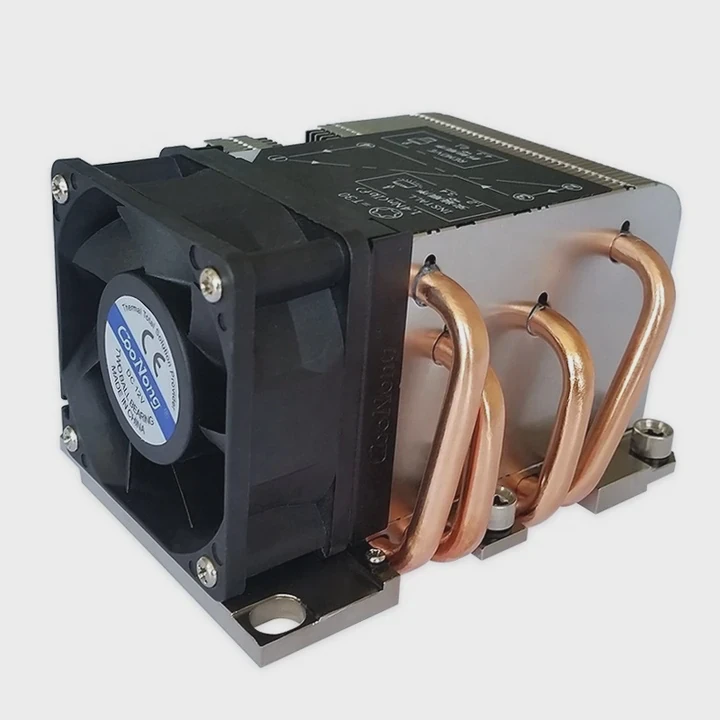
Many companies buy vapor chambers for heat management. Some worry about support over time or design help when new devices launch. Will they get help if trouble happens?
Suppliers often give basic data, design help, remote support, and sometimes lifecycle care — but support level varies a lot across suppliers.
If you are thinking about using vapor chambers in real products, you need to know what support you can expect. Below I break down what typical offers look like and what to check carefully.
What level of technical support is provided for Vapor Chambers?
Good technical support can make or break a thermal solution. The level of support depends a lot on supplier capacity and your own needs.
Most suppliers give datasheets, thermal performance data, and basic email or phone help; some go further with on‑site support or full integration assistance.
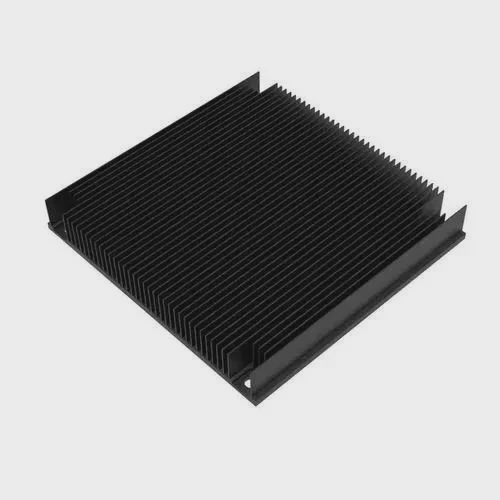
Many suppliers divide support into a few levels. Basic support usually covers spec sheets, thermal resistance curves, recommended usage conditions. Mid‑level support adds help during integration — advice on placement, orientation, heat load balancing. High‑level support may include custom design, testing with your actual board, and on‑site visits if needed.
Support levels — what you may get
| Support Level | Typical Services Provided |
|---|---|
| Basic | Spec sheet, standard datas, email/phone questions |
| Integration guidance | Advice on layout, geometry, heat source placement, mounting |
| Custom design input | Adjusted chamber size, wick structure, fill volume for your design |
| On‑site or lab help | Prototypes, testing of final product, installation advice |
Some suppliers only offer Basic support. That can work if design is simple or you have thermal engineers in house. Others — especially those used to B2B custom projects — provide Integration or Custom design help. This is key when your product has tight spaces, high heat flux, or unusual shape.
I once worked with a supplier who gave custom wick design and returned thermal test reports with real samples. That support made a big difference. With just a datasheet, we would have needed many test rounds ourselves. With their help, we saved time and avoided repeated failures.
Good support often comes when supplier has broad process capability: experience with forming, welding, leak testing, thermal cycling, etc. If supplier shows they control every manufacturing step, they likely can support you beyond just selling a part. That helps if your system changes design quickly. In short: you must ask what support level you get before committing to a supplier.
Do suppliers offer thermal design consultancy with Vapor Chambers?
Many buyers expect suppliers to help not just supply parts but design them into real products. That is especially true if the product is new or complex in layout.
Yes — some suppliers offer thermal design consultancy, helping select or adapt a vapor chamber to your product needs.
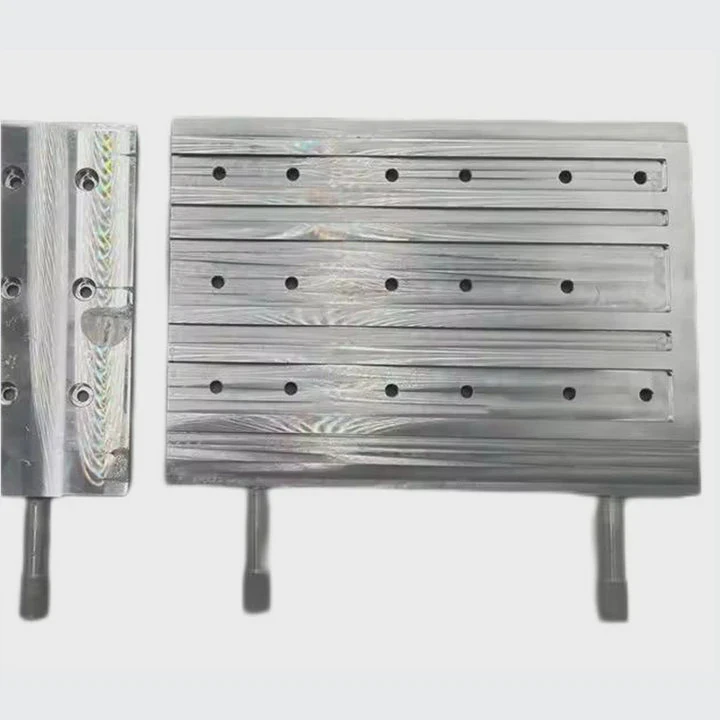
Thermal design consultancy can cover several tasks. A supplier may analyze your heat sources, model heat flow, recommend chamber geometry, and suggest mounting style. They may use simulation tools or past data to estimate temperatures. They may also ask for your device layout, power consumption, ambient conditions. Based on that, they pick wick structure, fill volume, chamber thickness, contact surfaces.
This service saves you from trial‑and‑error testing. Without consultancy you may need many prototype builds. That costs time and money. With consultancy you get a design suggestion first. Then you test only once or twice. That often leads to success faster.
What design help may include
- Review of your PCB layout or heat source map
- Selection of chamber size and shape to match footprint
- Suggest internal wick type (sin‑wicks, groove, powder bed)
- Advice on mounting orientation and contact surfaces
- Fill volume and vacuum level suggestions according to power load
- Basic thermal simulation or guideline using past data
If your supplier has strong process control and thermal testing ability, their design advice is more reliable. If they only sell standard parts, design help may be limited to generic rules. In that case you still need your own thermal engineer or test rig.
In many cases the best path is to use supplier consultancy for first version, then run thermal tests yourself. Then refine design if needed. That gives you balance between speed and control.
If you want to use vapor chambers in new, powerful systems — high power electronics, batteries, EV inverters, power supplies — then design consultancy becomes more than nice-to-have. It becomes almost necessary. Without it you risk poor cooling, short lifetime, or thermal throttling.
Is remote troubleshooting available for Vapor Chamber installations?
After a vapor chamber is installed in your product, things sometimes go wrong. Installation may be incorrect. Heat paths may change. Environmental conditions may differ from lab. Remote support may help to debug.
Many suppliers offer remote troubleshooting — via email, phone, video, or by reviewing thermal logs — but actual fixes still may require physical inspection or redesign.
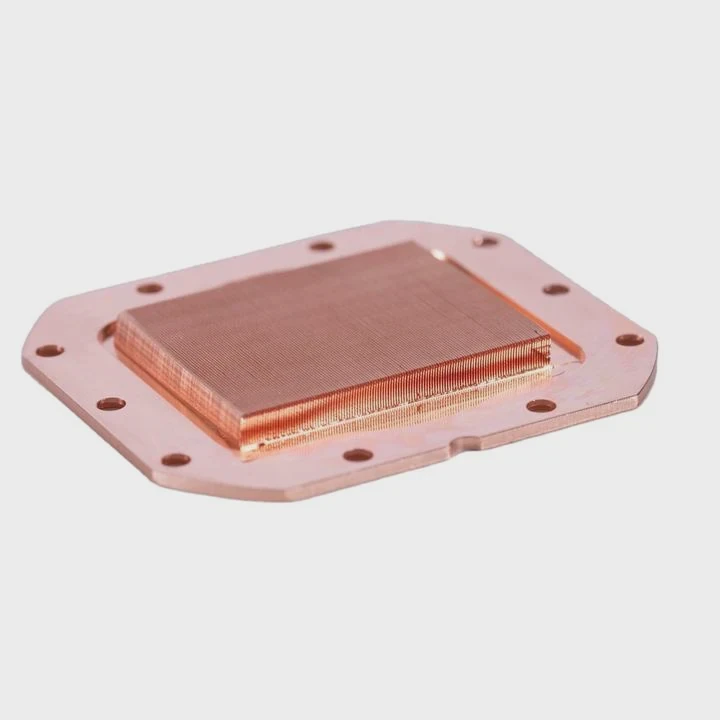
Remote troubleshooting often starts with basic questions: What is the temperature rise? Where is heat concentrated? What is ambient and airflow? Supplier may ask for thermal images, sensor logs, or config files. They may suggest check for contact pressure, mounting flatness, or verifying thermal interface material. They also may guide you how to test wick performance or check for leaks.
If issue is simple — like poor thermal contact, wrong orientation, insufficient airflow — remote advise may solve it. If issue is more complex — like fluid migration, micro‑leak, or manufacturing defect — remote help can only point to cause. You may need to send unit back, or replicate problem in lab.
Common remote‑solvable issues
| Issue Type | What Supplier Can Suggest Remotely |
|---|---|
| Poor contact between heat source and chamber | Improve mounting pressure; reapply thermal paste |
| Incorrect orientation or airflow | Change airflow direction or orientation |
| Over‑rating or under‑estimating heat load | Reduce load or improve heat dissipation |
| Loose fittings or interface parts | Check screws, screws torque, gasket seating |
Even when remote support fails, good supplier may offer next step: ship replacement, accept return, send a test chamber, or schedule on‑site evaluation (for large clients). That depends on contract and supplier size.
When you plan large production runs, remote troubleshooting helps a lot. It reduces downtime and helps catch design mistakes early. But remote help is only part of support. Build good communication and clear test results if you rely on remote help.
How is lifecycle support planned for Vapor Chambers?
Thermal solutions often live many years. Vapor chambers face wear and tear. Users need support over entire lifecycle — from first install to end‑of‑life.
Some suppliers plan lifecycle support: they offer warranties, spare units, retesting advice, and guidance for maintenance or redesign. Others leave lifecycle care entirely to the buyer.
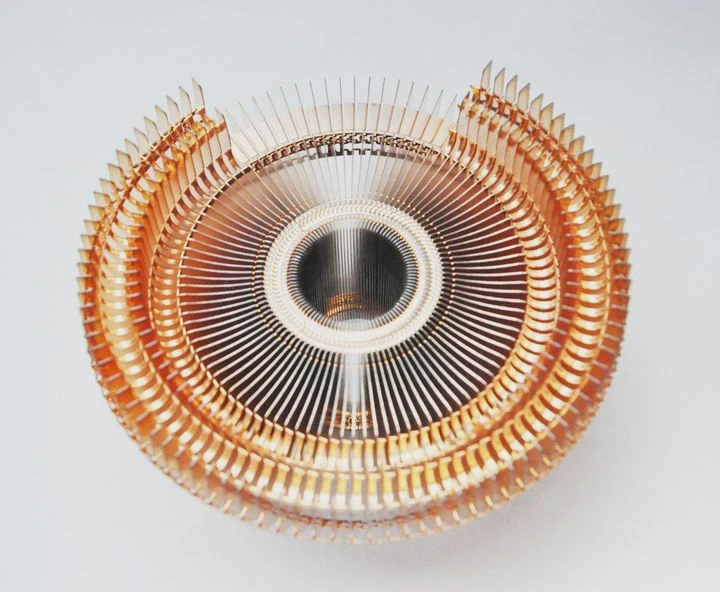
Lifecycle support may include initial reliability tests, periodic reassessment guidance, spare parts supply, and design updates. A reliable supplier may track chamber performance over time. They may suggest leak test loops every certain hours of operation. They may help if thermal performance degrades. They may offer replacement or refurbishment services.
What good lifecycle support involves
- Warranty period for sealing, fluid loss, or performance degradation
- Spare parts or spare chambers ready for emergency replacement
- Testing protocols for periodic checks (leak test, vacuum check, pressure test)
- Guidance for end‑of‑life disposal or recycling
- Updated designs if product heats up more than expected — to handle future loads
Some suppliers even log batch numbers and offer traceability. That helps when devices are field‑serviced or under long warranty. If a vapor chamber fails years later, traceability helps decide if issue is manufacturing defect or misuse.
If you expect long operating life — like in industrial equipment, servers, telecom racks — lifecycle support becomes very important. You want consistent performance over time. You want supplier to be ready to help. Without it you may get performance drop, failures, or reliability complaints.
If your supplier cannot give lifecycle support, you must build that plan yourself. That means own testing lab, spare inventory, periodic checks. That adds cost. So when you choose supplier, ask explicitly about lifecycle care.
Conclusion
Technical support for vapor chambers matters a lot. Suppliers vary. Some offer only datasheets. Others give design help, remote troubleshoot, and lifecycle care. Make sure support matches your needs before committing to vapor‑chamber solutions.
TAGS
Latest Articles

Volume discount levels for heat sink orders?
Buyers often ask when heat sink prices start to drop with volume. Many worry they’re overpaying for small orders. This guide explains how B2B volume pricing works for thermal components. Heat sink
21 Dec,2025
Heat sink long-term supply contract options?
Many buyers want stable pricing and reliable delivery for heat sinks. But without a clear contract, risks grow over time. This article explores how to secure better long-term supply deals. Long-term
21 Dec,2025
Tooling cost for new heat sink profiles?
Many engineers struggle to understand why tooling for custom heat sinks costs so much. They worry about budgeting and production timelines. This article breaks down the cost drivers behind tooling.
21 Dec,2025
Heat sink custom sample process steps?
Sometimes, starting a custom heat sink project feels overwhelming—too many steps, too many unknowns, and too many risks. You want a sample, but not endless delays. The process for requesting and
20 Dec,2025
Standard B2B terms for heat sink payments?
When buyers and sellers in B2B heat sink markets talk about payment, many don’t fully understand what’s standard. This can lead to delayed orders, miscommunication, and even lost business
20 Dec,2025
Heat sink pricing factors for large orders?
Heat sinks are vital for many systems. When prices rise, projects stall and budgets break. This problem can hit teams hard without warning. Large order heat sink pricing depends on many factors. You
20 Dec,2025Related Articles
- Estimated lifespan of Vapor Chamber in industry?
- Vapor Chamber functional testing standards?
- Cost saving ideas for Vapor Chamber production?
- Required energy evaluation for Vapor Chamber?
- Vapor Chamber for thermal cycling environments?
- Can Vapor Chamber be combined with heat sinks?
- Is Vapor Chamber recyclable material?
- Demand trend for Vapor Chamber manufacturing
- Best industry practices for Vapor Chamber testing?
- Can Vapor Chamber be exported worldwide?
- Vapor Chamber Ergonomic Installation Guide?
- How to compare Vapor Chamber suppliers?
Author
Dr. Emily Chen
Chief AI Researcher
Leading expert in thermal dynamics and AI optimization with over 15 years of experience in data center efficiency research.
Categories
Latest Products






Recommend Categories
- Liquid cooling plate Manufacturer
- Industrial Heat Sink Manufacturer
- Standard Heat Sink Manufacturer
- Aluminum Heat Sink Manufacturer
- Copper Heat Sink Manufacturer
- Anodized Heatsink Manufacturer
- Stamping heat sink Manufacturer
- Die Casting Heatsink Manufacturer
- Soldering heat sink Manufacturer
- CNC Parts Manufacturer
Latest Products
- Wholesale Aluminum Radiator
- Water Cooling Plate Kit
- Water Cooling Heat Sink
- Water Cooling Heat Sink Kit
- Stainless Steel Water Distributor
- Server Water Cooling Plate Kit
- Server Liquid Cooling System
- Server Aluminum Cooling Kit
- S19 Full Cover Cooling Plate
- S19 Cooling Plate Kit
- S19 Aluminum Cooling Plate
Contact Expert
Have questions about this article? Reach out to our experts directly.