Vapor Chamber functional testing standards?

When a vapor chamber fails in use, it can damage the entire system. Without clear testing standards, many problems go unnoticed until it’s too late.
Functional testing standards for vapor chambers focus on thermal resistance, heat spreading, vacuum hold, leak integrity, and structural pressure tolerance. These tests ensure stable performance in actual use.
Many engineers still wonder which tests are essential and how often they must be done. Let’s walk through the key tests, industry guidelines, and how to build a dependable testing routine.
What functional tests are standard for Vapor Chambers?
Thermal devices often fail not from poor design, but from weak validation. Vapor chambers need more than just a leak test—they must prove they spread heat fast and hold vacuum well.
Standard tests include thermal resistance, thermal spread, vacuum integrity, pressure endurance, and leak detection. Together, they confirm that vapor chambers are built to perform.
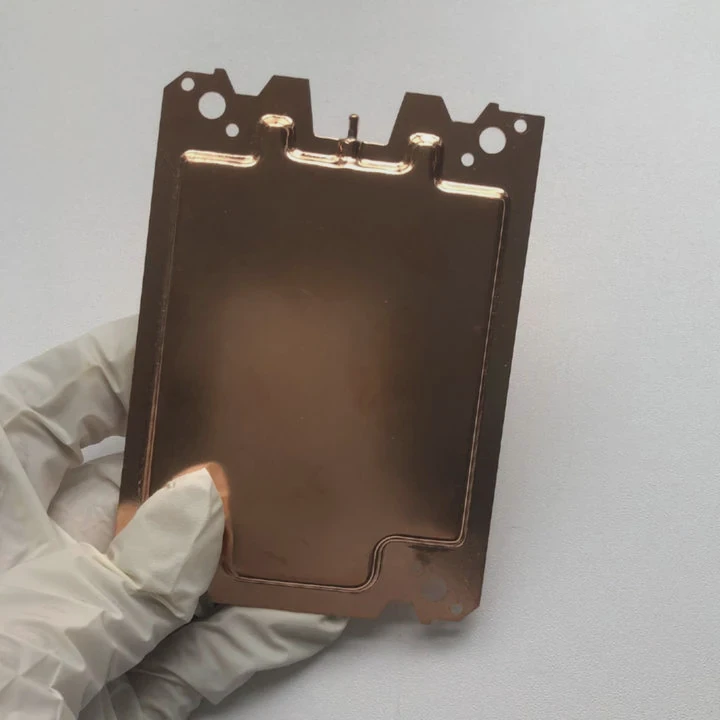
Why these tests are essential
Vapor chambers operate through phase change inside a sealed shell. Any small failure—like weak sealing, poor wick design, or trapped gas—can ruin the chamber’s performance.
Here’s a breakdown of key test types:
| Test Type | What It Verifies | Common Failure Outcome |
|---|---|---|
| Thermal Resistance | How well the chamber conducts heat | High heat spots, device overheating |
| Thermal Spread | Uniform heat distribution on surface | Uneven temperature, local failures |
| Vacuum Hold | Chamber maintains internal vacuum | Gas ingress, performance drop |
| Leak Test | No visible or hidden leaks | Slow vacuum loss, fluid evaporation |
| Pressure Tolerance | Chamber can resist internal pressure | Bulging, cracking, structural failure |
The role of thermal and mechanical testing
Thermal testing checks if the vapor chamber spreads heat efficiently. This can be done by applying known heat and measuring surface temperatures. If heat only stays at the center, then the chamber is not spreading heat properly.
Vacuum integrity testing involves pulling a vacuum and monitoring pressure changes. A good vapor chamber should maintain low pressure over time. If pressure rises, there’s likely a leak or trapped gas.
Pressure or burst tests simulate worst-case internal expansion. These confirm that welded seams and inner supports can handle peak stress without deformation.
The most reliable testing systems apply these tests together. That helps detect both thermal and mechanical faults early. In actual production, these tests are performed on samples or entire batches, depending on the customer’s need.
Are thermal spread and vacuum hold tests required?
Skipping important tests to save cost often leads to expensive failures later. Even well-built vapor chambers can fail if tested poorly.
Yes. Thermal spread and vacuum hold tests are essential. They detect defects that normal resistance or leak tests often miss.
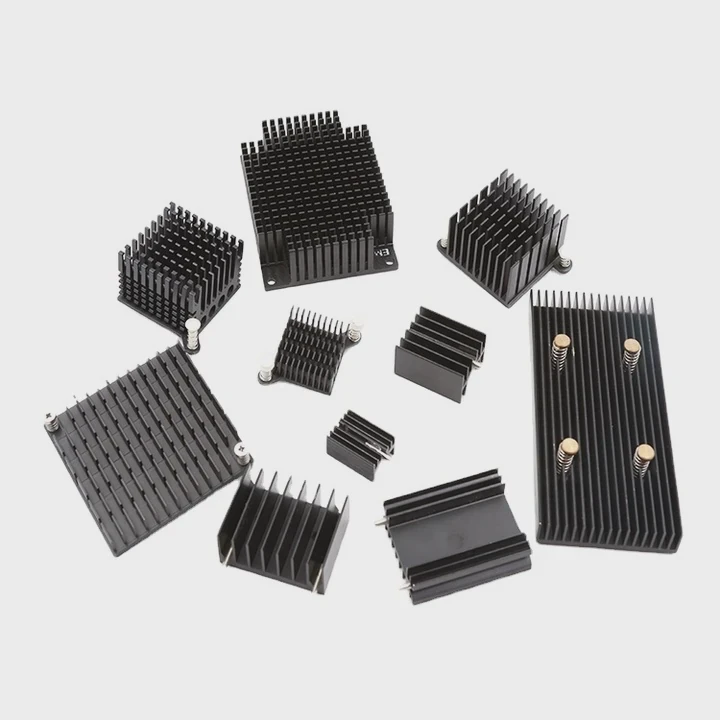
Why you should never skip these two tests
Some failures only show up in spread tests. Others appear only when vacuum is held over time. Here’s why both are key:
Thermal Spread Test: Heat distribution matters
While thermal resistance gives one number, it doesn’t show how heat moves. A chamber might have a low resistance yet form hot spots due to bad internal wick paths. That hurts device performance.
Thermal spread tests simulate real-world heat loads. Engineers place sensors or use infrared cameras to see how well the chamber spreads heat. Poor spread means redesign is needed.
Vacuum Hold Test: Seal strength under stress
Sealing is vital for vapor chamber life. Even tiny leaks ruin performance. Some leaks don’t show under normal air pressure but only when the chamber is in vacuum.
Vacuum hold tests measure pressure changes over hours or days. A stable vacuum proves good welding, proper filling, and tight sealing. Many high-end OEMs treat this test as mandatory.
When are they critical?
These two tests should be used at:
- First sample validation
- After process changes
- Periodic production check
- Before final shipment for critical parts
Even if you trust the production line, these two tests catch silent defects. For example, trapped air bubbles may pass leak test but fail vacuum hold test later. That is a hidden risk most can’t afford.
Which industry standards apply to Vapor Chamber performance testing?
Many buyers ask if there are fixed rules. The short answer: no single global standard, but there are trusted frameworks that manufacturers follow.
Thermal testing uses JEDEC guides, sealing checks follow IPC or MIL standards, and most vendors create their own test specs based on these.
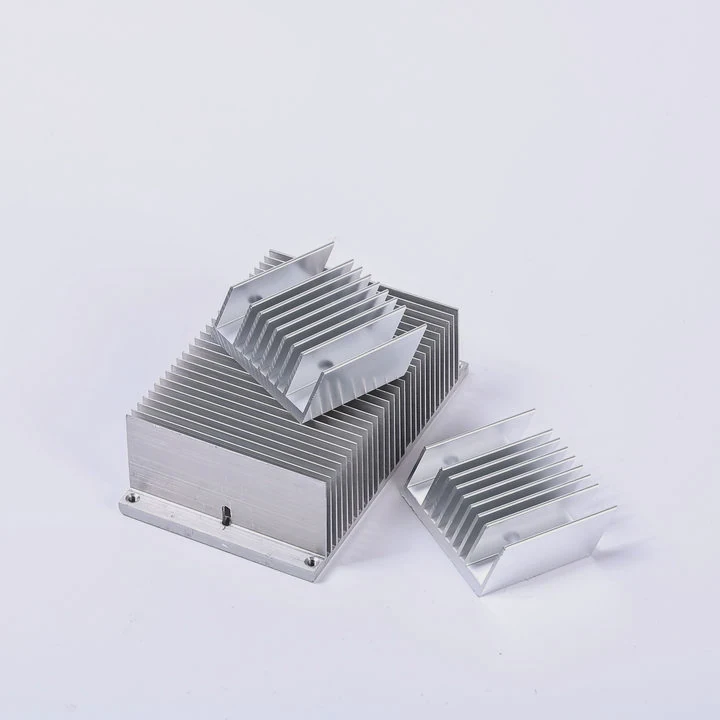
Common reference standards
Though no universal vapor chamber standard exists, several guidelines help define performance criteria:
| Standard / Guide | Area Covered | Usage in Vapor Chamber Testing |
|---|---|---|
| JEDEC JESD51-14 | Thermal characterization | Thermal resistance and spread |
| MIL-STD-810 | Environmental stress | Thermal cycling, pressure, vibration |
| IPC-CC-830, IPC-A-610 | Seal and assembly validation | Leak detection and visual inspection |
| Internal QC Specs | Custom OEM test plans | Full functional validation |
Most test labs and vendors use JEDEC methods to measure heat flow. These methods define how to place heat sources, where to measure temperatures, and how to analyze the results.
For leak tests and vacuum hold checks, standards from IPC or military specifications guide the setup. For example, MIL-STD-810 provides methods for testing sealed parts under vibration, pressure, and temperature swings.
Why internal specs matter
Because vapor chambers are custom, many manufacturers define their own test pass/fail criteria. These include:
- Allowable vacuum pressure rise in 24 hours
- Max delta-T under 50W or 100W loads
- Acceptable deformation under burst pressure
- IR map patterns from thermal spread tests
These internal specs are often stricter than public standards. Large OEMs might add more rules for their specific application.
Sample multi-step test process
Here’s a simplified testing flow based on actual practices:
| Step | Test Type | Based on | Outcome Needed |
|---|---|---|---|
| Prototype | Thermal resistance | JESD51-14 | Less than 0.1°C/W |
| Assembly line | Vacuum hold | Internal QC + MIL-style | Vacuum holds under 0.1 mbar change |
| Batch sampling | Leak + IR scan | IPC + internal limits | No bubble, IR spread above 85% area |
| Final QA | Pressure tolerance | Vendor-defined method | No visible bulge at 2x normal pressure |
Most reliable manufacturers create such hybrid plans. That gives buyers more confidence, especially in high-value markets like aerospace or EV battery systems.
How often should functional tests be repeated for batches?
Many buyers assume tests are done once at the start. But that’s not enough. Performance must be validated regularly.
Test frequency depends on batch size, application risk, and product history. For most, testing each batch with sample checks is best practice.
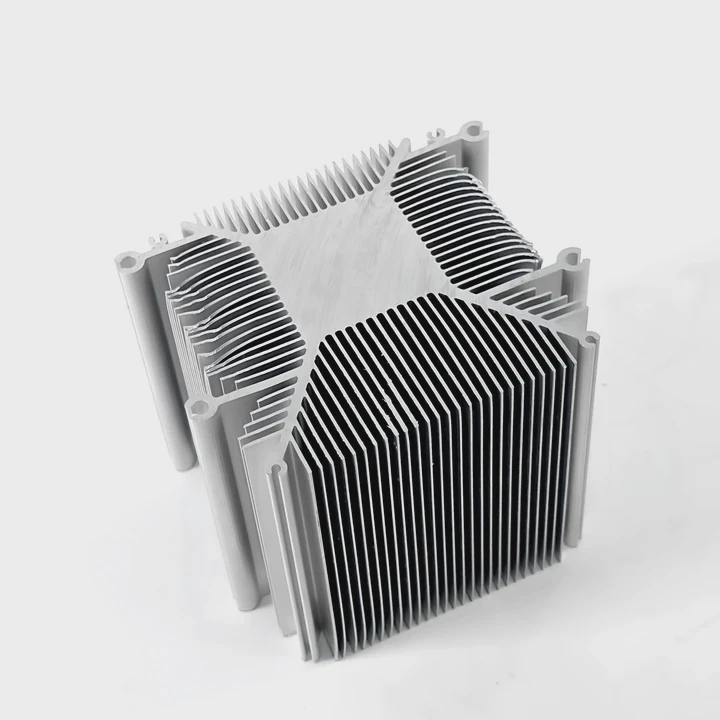
Sample frequency plans
A fixed plan helps avoid drift in production quality. Here’s one widely used approach:
| Batch Size | Testing Frequency | What to Test |
|---|---|---|
| < 100 units | Test all units | Full function tests |
| 100 – 1000 units | Sample 5–10% | Thermal + vacuum + leak |
| > 1000 units | Sample 50–100 units per 1000 | Focus on high-risk chambers |
When to increase test rate
Some triggers should lead to more testing:
- Change in filling fluid or wick structure
- New welding or sealing process
- New tooling or worker shift
- Field failure reported
- New application type (e.g., higher power)
If the vapor chamber is for aerospace, military, or EV batteries, it’s common to test every unit. That adds cost, but removes risk.
When sample testing is enough
For stable production runs with good history, 5–10% sample testing gives a balance. The goal is early detection. If a few samples fail, test more or halt production.
This test pattern is simple but effective. It saves cost while keeping quality in control.
Conclusion
Functional testing of vapor chambers must cover heat spreading, vacuum integrity, and sealing reliability. Thermal spread and vacuum hold tests are not optional—they are critical. Though there’s no single standard, combining JEDEC, IPC, and MIL guidelines with in-house rules gives strong control. Regular batch testing ensures stable quality from first unit to last.
TAGS
Latest Articles

Volume discount levels for heat sink orders?
Buyers often ask when heat sink prices start to drop with volume. Many worry they’re overpaying for small orders. This guide explains how B2B volume pricing works for thermal components. Heat sink
21 Dec,2025
Heat sink long-term supply contract options?
Many buyers want stable pricing and reliable delivery for heat sinks. But without a clear contract, risks grow over time. This article explores how to secure better long-term supply deals. Long-term
21 Dec,2025
Tooling cost for new heat sink profiles?
Many engineers struggle to understand why tooling for custom heat sinks costs so much. They worry about budgeting and production timelines. This article breaks down the cost drivers behind tooling.
21 Dec,2025
Heat sink custom sample process steps?
Sometimes, starting a custom heat sink project feels overwhelming—too many steps, too many unknowns, and too many risks. You want a sample, but not endless delays. The process for requesting and
20 Dec,2025
Standard B2B terms for heat sink payments?
When buyers and sellers in B2B heat sink markets talk about payment, many don’t fully understand what’s standard. This can lead to delayed orders, miscommunication, and even lost business
20 Dec,2025
Heat sink pricing factors for large orders?
Heat sinks are vital for many systems. When prices rise, projects stall and budgets break. This problem can hit teams hard without warning. Large order heat sink pricing depends on many factors. You
20 Dec,2025Related Articles
- Cost saving ideas for Vapor Chamber production?
- Required energy evaluation for Vapor Chamber?
- Vapor Chamber for thermal cycling environments?
- Can Vapor Chamber be combined with heat sinks?
- Reliable bonding method for Vapor Chamber joints?
- How clean should Vapor Chamber surfaces be?
- Estimated lifespan of Vapor Chamber in industry?
- Vapor Chamber technical support availability?
- Is Vapor Chamber recyclable material?
- Demand trend for Vapor Chamber manufacturing
- Best industry practices for Vapor Chamber testing?
- Can Vapor Chamber be exported worldwide?
Author
Dr. Emily Chen
Chief AI Researcher
Leading expert in thermal dynamics and AI optimization with over 15 years of experience in data center efficiency research.
Categories
Latest Products






Recommend Categories
- Liquid cooling plate Manufacturer
- Industrial Heat Sink Manufacturer
- Standard Heat Sink Manufacturer
- Aluminum Heat Sink Manufacturer
- Copper Heat Sink Manufacturer
- Anodized Heatsink Manufacturer
- Stamping heat sink Manufacturer
- Die Casting Heatsink Manufacturer
- Soldering heat sink Manufacturer
- CNC Parts Manufacturer
Latest Products
- Wholesale Aluminum Radiator
- Water Cooling Plate Kit
- Water Cooling Heat Sink
- Water Cooling Heat Sink Kit
- Stainless Steel Water Distributor
- Server Water Cooling Plate Kit
- Server Liquid Cooling System
- Server Aluminum Cooling Kit
- S19 Full Cover Cooling Plate
- S19 Cooling Plate Kit
- S19 Aluminum Cooling Plate
Contact Expert
Have questions about this article? Reach out to our experts directly.