Cost saving ideas for Vapor Chamber production?
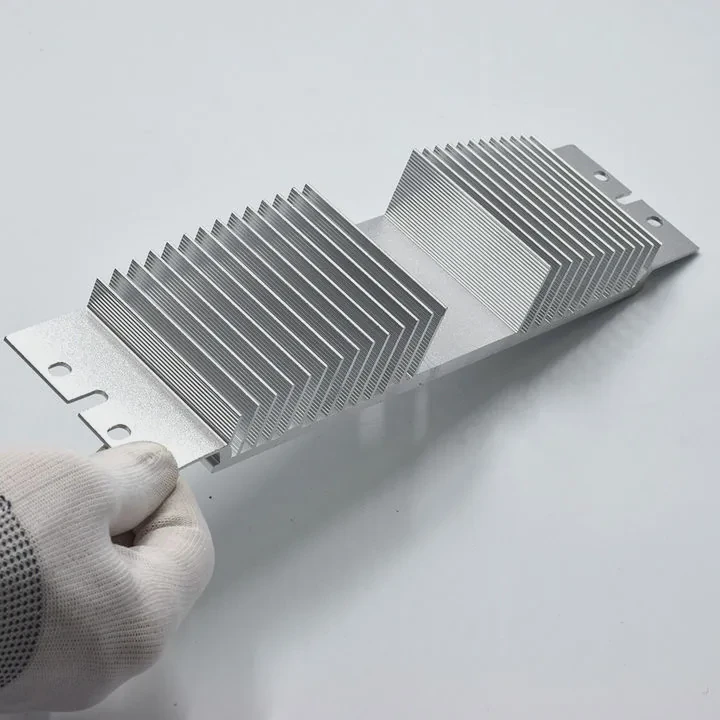
Cost pressure often kills a manufacturing project before it starts. Many firms struggle to lower costs while keeping quality. In vapor chamber production, smart cost‑saving can change that dramatically.
Cost saving in vapor chamber production depends on smart design, streamlined workflows, and test-backed choices that cut waste without hurting performance.
Lower cost matters. It lets companies stay competitive and win more orders. It also frees budget for better R&D and better customer value. Below I explore key areas that cut cost but keep quality.
What techniques reduce production cost of Vapor Chambers?
Reducing cost often comes from process design and manufacturing choices. Smart techniques can drop costs while keeping performance stable.
Techniques like simplified chamber shape, standardization, batch processing, and reducing assembly steps lower per‑unit cost without harming cooling efficiency.
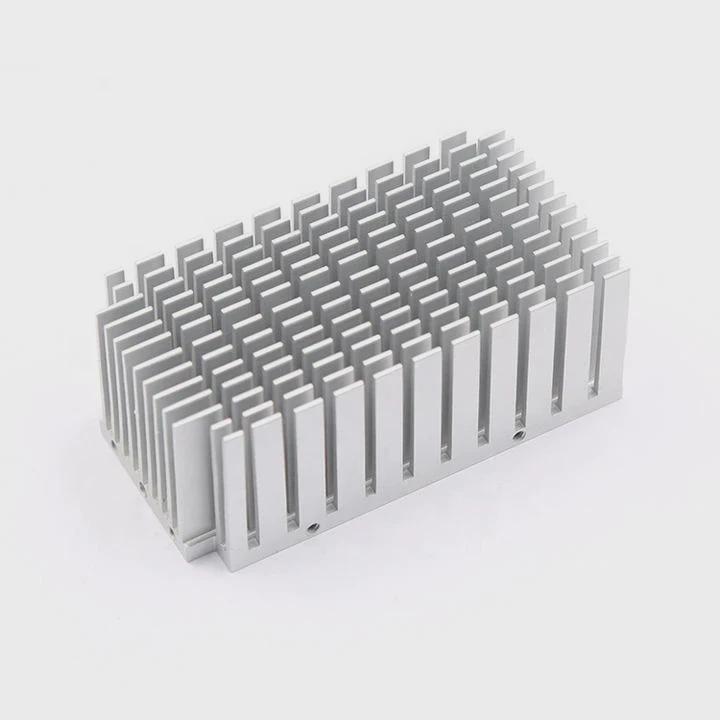
Better techniques help. For example, designing the chamber with fewer bends or curves reduces machining time. Matching components into standard sizes helps reuse tooling and fixtures. Grouping units and processing them together in batch saves labor and machine time. Minimizing manual welding or soldering also reduces defects and rework.
Key technique areas and why they matter
| Technique | Cost benefit | Risk / Notes |
|---|---|---|
| Simplified chamber shape & uniform plates | Less machining time, easier alignment | Might limit layout flexibility in final product |
| Standardized parts & shared tooling | Lower tooling cost per unit, easier stock management | Reduces customization per customer |
| Batch processing of multiple chambers | Lower labor per unit, better machine utilization | Requires careful scheduling and quality control |
| Minimizing manual steps (e.g. automated welding) | Lower labor, fewer defects | Requires upfront investment in fixtures or machines |
| Reducing internal voids / unnecessary volume | Less material used, faster heat treatment / cleaning | Must maintain thermal performance |
These techniques help cut cost by lowering labor time, reducing materials waste, and improving repeatability. For example, a simpler internal structure still provides ample vapor volume but speeds up machining and cleaning.
When steps are batched or standardized, workers can build muscle memory rather than learning slightly different procedures each time. That reduces error and rework. It also speeds up throughput.
Another major saving comes from reducing complexity. Often, designers want fancy curved channels or custom shapes to fit a product. But each custom shape raises cost — through extra CNC time, more fixtures, more inspection. If the design accepts simpler flat plates and standard cutouts, the savings are huge.
Finally, documenting every process carefully helps too. With good drawings, clear tolerances, and standard inspection plans, quality issues drop. That lowers rework and scrap rates, which saves both material and labor investment.
Using these techniques together compounds benefits. Each one alone helps, but combining simplification, standardization, and batch workflow gives biggest cost reduction per unit while keeping thermal performance strong.
Can automation reduce labor cost in Vapor Chamber manufacturing?
Automation can cut labor hours sharply. Machines can do welding, cutting, inspection faster. That lowers cost per chamber.
Automated cutting, welding, inspection and handling reduce labor cost, improve consistency, and cut defects — saving big over many units.
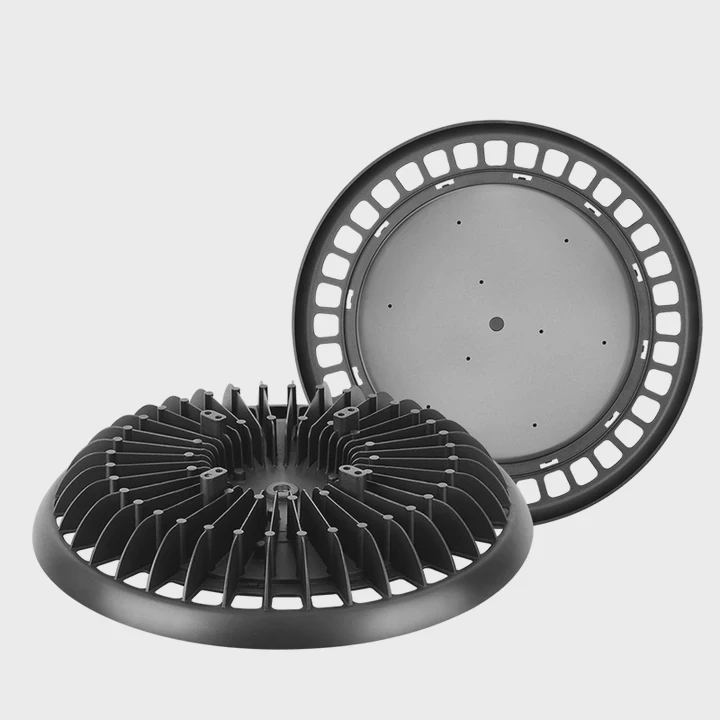
Manual steps often slow production. Workers cut plates, align parts, weld, polish, inspect. Each step adds time and human error. Machines do much faster. Automated CNC cutting ensures each plate is identical. Robotic or fixture‑based welding lowers welding time and improves consistency. Automated leak testing or vacuum testing finds flaws early.
Where automation helps most
- Cutting and shaping plates — CNC or laser cutting ensures precise shapes. It reduces scrap and rework, and speeds up throughput.
- Joining/welding — Using fixtures or robotic welders makes joint quality consistent. It also reduces labor cost per joint and lowers human error.
- Cleaning and surface prep — Machines can clean and prep many parts at once. That ensures uniformity and speeds yield.
- Quality inspection — Automated leak testing, pressure testing and vacuum tests catch defects early. That avoids finishing-defect scrappage.
- Material handling and logistics inside plant — Robots or conveyors move parts between stations. That reduces worker walking time and improves flow.
When manufacturing volume is high, labor cost becomes big part of total cost. Automation reduces that. Even if automation needs upfront investment, over many units the cost per unit drops.
When automation makes sense — and when not
- If demand is low or production is small batch, automation may not pay back quickly.
- For highly customized chambers with different shapes per order, automation is harder. Fixtures may need frequent change.
- If the parts are delicate or require careful manual handling, automation may cause damage.
For high-volume, stable designs, automation almost always reduces cost. It also improves consistency. In vapor chamber production, welding joints or sealing often need precision. Machines do better than humans in many cases.
Over time, automation brings additional benefits. Consistent quality, fewer defects, less rework, and shorter cycle time. That improves overall throughput. Also, workers can shift to tasks that need judgment — design tuning, quality engineering — improving overall value for the manufacturer.
Are material substitutes viable for cost control?
Changing material can lower material cost. But must keep thermal and mechanical performance. Some substitutes work, some don’t.
Substituting lower‑cost aluminum alloys or using thinner sheet thickness can reduce material cost, only if thermal conductivity and strength stay acceptable.
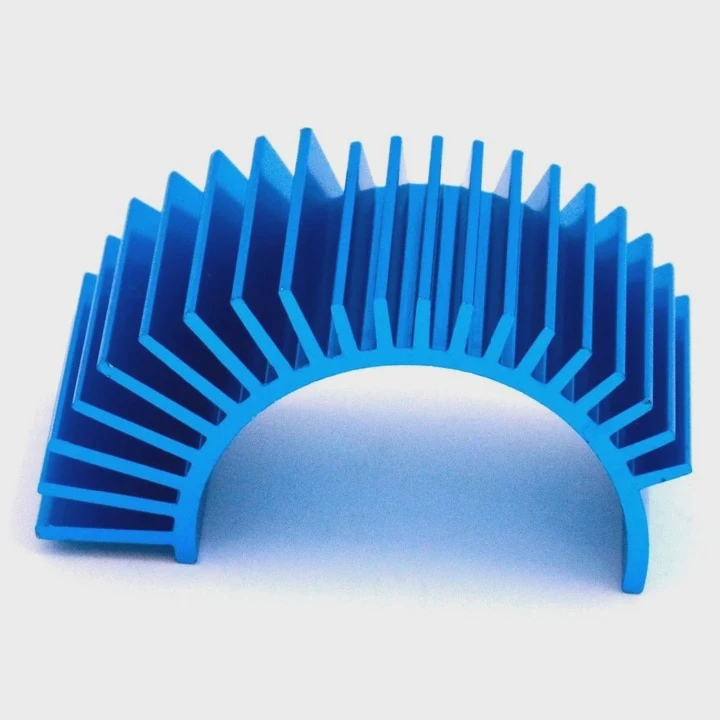
Material cost is big portion of total. Many vapor chambers use high‑grade aluminum or copper for excellent conductivity. But copper is expensive and heavy. Some aluminum alloys offer good conductivity at lower cost and lighter weight.
Thinner sheets also save material cost. If the chamber design stays strong enough, thinner walls cut cost per unit. But reducing thickness too much can risk bending or leaks under internal pressure or thermal cycling.
Comparison of material options
| Material / Option | Typical Cost per kg | Thermal conductivity* | Pros | Cons |
|---|---|---|---|---|
| High‑grade aluminum (standard) | Low to moderate | Good | Light, cheap, easy to shape | Lower conductivity than copper |
| Copper or copper‑alloy base plates | High | Excellent | Best heat spread, high reliability | Heavy, expensive, harder to fabricate |
| Lower‑grade aluminum alloy (economy) | Lower | Moderate | Cheap, light | Slightly lower performance, may need thicker walls |
| Thinner sheet / plate with same alloy | Lower | Same as alloy | Save material, light | Risk of deformation, leak, reduced strength |
* Conductivity relative, not absolute value.
Using economy-grade aluminum with careful design can cut cost a lot. The chamber might need slightly thicker walls or better structural support. Designers must check mechanical stress, seal strength, thermal expansion under cycling, and long-term durability.
Sometimes combining alloys helps. For example, use high-grade alloy where heat flux is high (base plate), and economy alloy for outer shells or less critical parts. This hybrid approach balances cost and performance.
What to watch out for
- Thermal conductivity: new alloy must maintain enough heat spread to meet cooling specs.
- Mechanical strength & rigidity under pressure and thermal cycles.
- Corrosion resistance, especially in humid or corrosive environment.
- Welding or brazing compatibility: some alloys weld easily; others need special treatment.
- Consistency of supply: cheaper alloy sometimes means more variability.
In many cases, material substitutes are viable when design constraints are clear and engineering validation is done. The key is to test full chamber: thermal cycles, stress tests, leak tests. Only passing those tests justifies material substitution.
In other words, material substitution can deliver cost savings — but only if the final product still meets specs. Cutting cost at the raw material stage is tempting, but must not compromise reliability.
Does yield improvement significantly affect unit cost?
Yield matters a lot. More good units from the same batch means lower cost per unit. Even small yield improvements can cut cost sharply.
Improving yield by reducing scrap, rework, and defects directly drops cost per chamber. A 5–10% yield increase can reduce unit cost by nearly the same percentage.
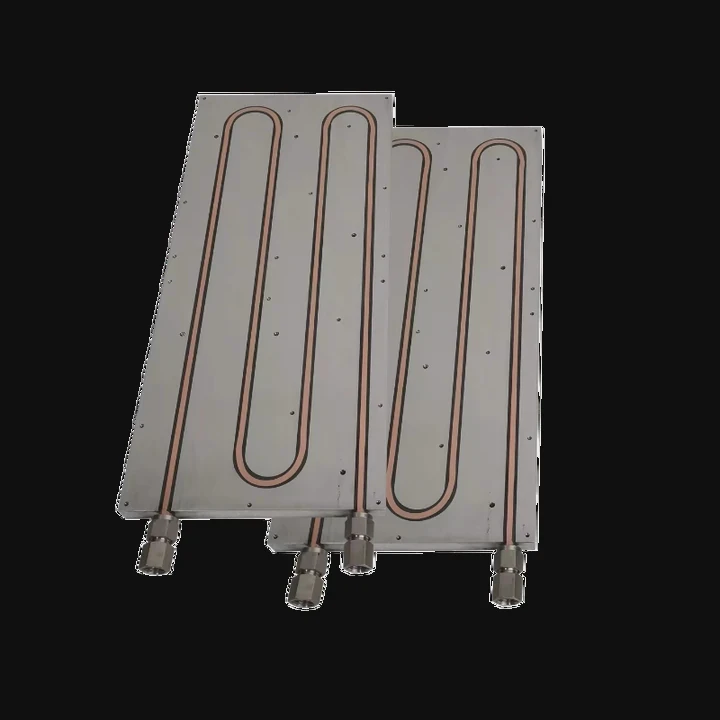
Waste hurts profit. If 10% of units fail leak test or mechanical test, cost per good unit rises. If scrap goes down, fewer materials wasted and fewer labor hours wasted. That reduces overall cost significantly.
Key factors that determine yield
- Quality of raw materials (alloy consistency, sheet flatness)
- Precision in cutting and welding
- Clean handling to avoid contamination or deformation
- Proper assembly procedures and inspections
- Effective process controls and worker training
Example: Impact of yield on cost
Suppose a batch uses 100 kg of aluminum and some consumables. If 10 chambers are made and 1 fails (10% scrap), cost of scrap is spread over the 9 good ones. If scrap drops to 0 or 1%, cost per good unit declines.
| Batch size (good + scrap) | Scrap rate | Units accepted | Effective cost multiplier |
|---|---|---|---|
| 10 | 10% | 9 | ~1.11× cost per unit |
| 10 | 5% | 9.5 ≈ 9 or 10 | ~1.05× |
| 100 | 10% | 90 | ~1.11× |
| 100 | 2% | 98 | ~1.02× |
This simple table shows why yield matters. Even a small scrap rate adds cost across all units.
Steps to improve yield
- Source good, certified raw material with tight tolerance.
- Use precise cutting and forming. CNC or laser cutting helps.
- Use fixtures or robotic welding to reduce human error.
- Clean work environment to avoid contamination or dust that causes leaks.
- Use consistent, documented process flows. Do not rely on “skilled worker memory.”
- Test early and often — e.g. radiation leak tests, pressure tests before full finishing.
- Track process data: record scrap reasons, time per piece, failure points. Analyze patterns.
Long term benefits of yield improvement
With high yield, the company wastes less material and labor. That reduces per‑unit cost. Also, reliability improves. Fewer defects mean better customer satisfaction and fewer returns or failures in the field. That reduces warranty or recall cost. Over time, those savings exceed initial costs for better process control.
Better yield also supports scaling. If production doubles or triples, low scrap rate keeps cost per unit stable. If scrap is high, scaling just magnifies waste and cost. Good yield lets production grow without cost penalty.
Good yield makes the manufacturing process predictable. That helps quoting accurate prices to clients. It also helps shipping schedules and supply‑chain management. Consistent results build trust with customers and allow better planning.
Conclusion
Cost saving in vapor chamber production comes from smart design, automation, material choices, and yield focus. Combining these gives real cost drops. Quality and performance must stay in focus. With the right balance, production becomes efficient, stable, and profitable.
TAGS
Latest Articles

Volume discount levels for heat sink orders?
Buyers often ask when heat sink prices start to drop with volume. Many worry they’re overpaying for small orders. This guide explains how B2B volume pricing works for thermal components. Heat sink
21 Dec,2025
Heat sink long-term supply contract options?
Many buyers want stable pricing and reliable delivery for heat sinks. But without a clear contract, risks grow over time. This article explores how to secure better long-term supply deals. Long-term
21 Dec,2025
Tooling cost for new heat sink profiles?
Many engineers struggle to understand why tooling for custom heat sinks costs so much. They worry about budgeting and production timelines. This article breaks down the cost drivers behind tooling.
21 Dec,2025
Heat sink custom sample process steps?
Sometimes, starting a custom heat sink project feels overwhelming—too many steps, too many unknowns, and too many risks. You want a sample, but not endless delays. The process for requesting and
20 Dec,2025
Standard B2B terms for heat sink payments?
When buyers and sellers in B2B heat sink markets talk about payment, many don’t fully understand what’s standard. This can lead to delayed orders, miscommunication, and even lost business
20 Dec,2025
Heat sink pricing factors for large orders?
Heat sinks are vital for many systems. When prices rise, projects stall and budgets break. This problem can hit teams hard without warning. Large order heat sink pricing depends on many factors. You
20 Dec,2025Related Articles
- Required energy evaluation for Vapor Chamber?
- Vapor Chamber for thermal cycling environments?
- Can Vapor Chamber be combined with heat sinks?
- Reliable bonding method for Vapor Chamber joints?
- How clean should Vapor Chamber surfaces be?
- Is Vapor Chamber suitable for mass production?
- Vapor Chamber functional testing standards?
- Estimated lifespan of Vapor Chamber in industry?
- Vapor Chamber technical support availability?
- Is Vapor Chamber recyclable material?
- Demand trend for Vapor Chamber manufacturing
- Best industry practices for Vapor Chamber testing?
Author
Dr. Emily Chen
Chief AI Researcher
Leading expert in thermal dynamics and AI optimization with over 15 years of experience in data center efficiency research.
Categories
Latest Products






Recommend Categories
- Liquid cooling plate Manufacturer
- Industrial Heat Sink Manufacturer
- Standard Heat Sink Manufacturer
- Aluminum Heat Sink Manufacturer
- Copper Heat Sink Manufacturer
- Anodized Heatsink Manufacturer
- Stamping heat sink Manufacturer
- Die Casting Heatsink Manufacturer
- Soldering heat sink Manufacturer
- CNC Parts Manufacturer
Latest Products
- Wholesale Aluminum Radiator
- Water Cooling Plate Kit
- Water Cooling Heat Sink
- Water Cooling Heat Sink Kit
- Stainless Steel Water Distributor
- Server Water Cooling Plate Kit
- Server Liquid Cooling System
- Server Aluminum Cooling Kit
- S19 Full Cover Cooling Plate
- S19 Cooling Plate Kit
- S19 Aluminum Cooling Plate
Contact Expert
Have questions about this article? Reach out to our experts directly.