Estimated lifespan of Vapor Chamber in industry?
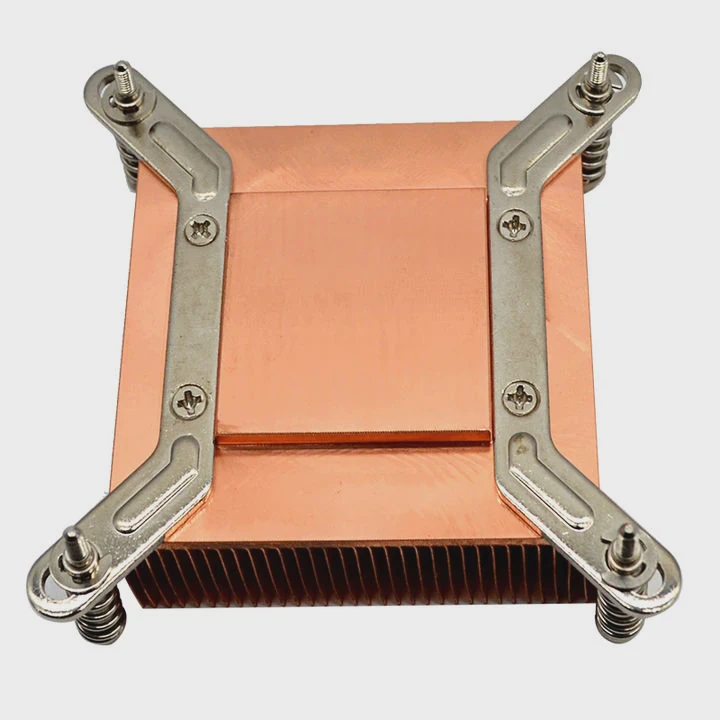
High-heat kills electronics. In industrial setups, this risk multiplies. Vapor chambers help — but do they last long enough to truly protect your investment?
A high-quality vapor chamber can last over 10 years in industrial use, provided it’s designed well and used in stable, clean conditions.
It’s not just about surviving — it’s about performing consistently over time. Let’s break down what affects that.
What is the estimated operational lifespan of a Vapor Chamber in industrial use?
Heat pipes and vapor chambers are both passive cooling technologies. Unlike fans or pumps, they have no moving parts. That makes them reliable — but not invincible.
In industrial environments, the estimated lifespan of a vapor chamber typically ranges from 5 to 15 years, depending on design quality, application, and environment. Some may even outlast the host system.
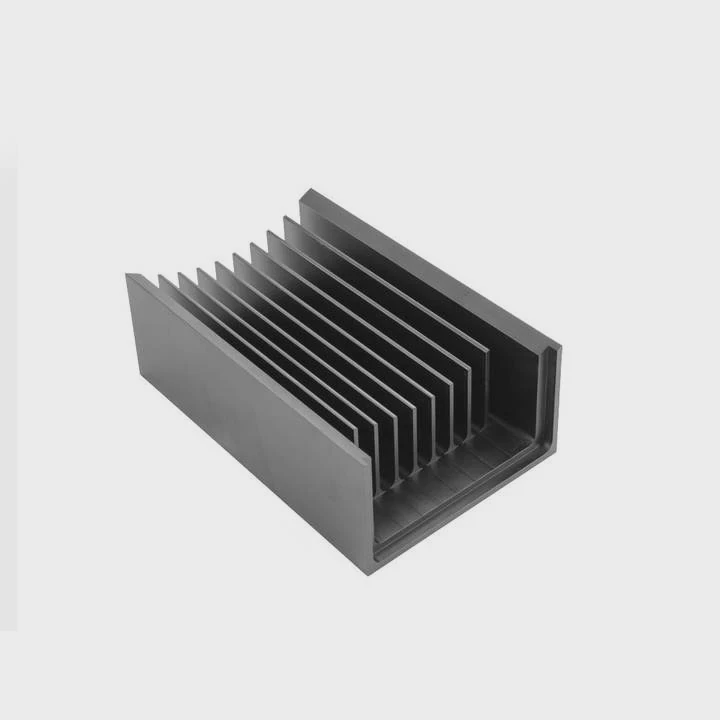
Vapor chambers rely on a sealed vacuum cavity, working fluid, and capillary wick. As long as the system remains sealed and uncontaminated, it will continue to transfer heat efficiently. Their longevity depends on:
- Seal integrity
- Internal fluid purity
- Wick structure durability
- Operating temperature range
- Environmental exposure (dust, vibration, chemicals)
In consumer-grade applications, 5–7 years may be enough. But in industry, devices are expected to run longer.
Lifespan ranges by application type
| Application Type | Typical Vapor Chamber Lifespan |
|---|---|
| Consumer Devices | 5–10 years |
| Data Center Servers | 7–12 years |
| Industrial Controls | 10–15 years |
| Harsh Industrial | 5–10 years (with mitigation) |
In critical systems like telecom racks or power modules, chambers are often built to match the full lifecycle of the equipment — up to 20 years in some cases.
Do industrial deployments require longer lifespan than consumer?
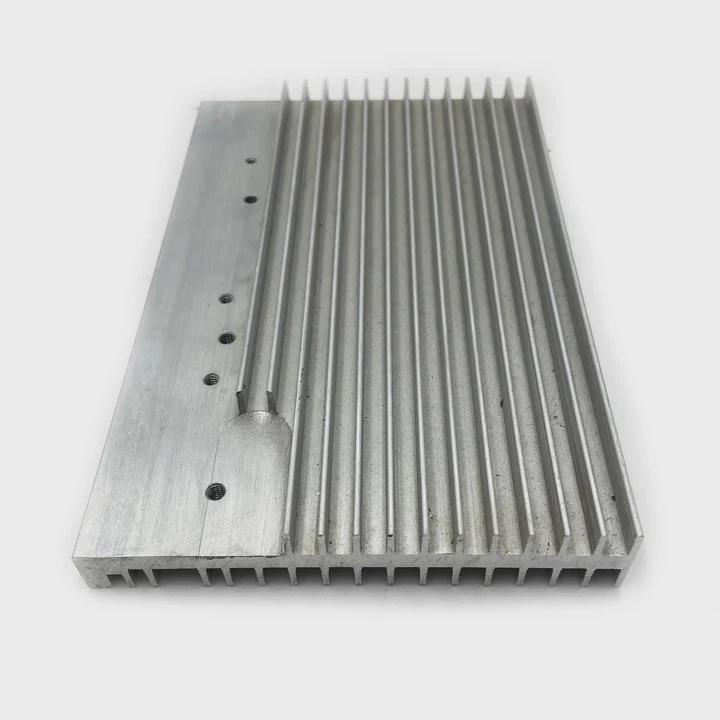
Consumer electronics are designed for short upgrade cycles. Industrial systems are not. In industry, every shutdown is costly — sometimes dangerously so.
Yes, industrial deployments require vapor chambers with significantly longer and more reliable lifespan than consumer electronics.
Laptops or gaming consoles usually get replaced in under 7 years. Industrial gear? Often runs for a decade or more. Some telecom or automation systems are expected to function without thermal failure for 15+ years.
Engineers designing for industrial systems usually select:
- Thicker wall chambers
- Robust seam welds
- High-purity working fluids
- Custom shapes for thermal load spreading
- Environment-resistant packaging
Why the difference matters
| Comparison Item | Consumer Use | Industrial Use |
|---|---|---|
| Upgrade Frequency | 3–7 years | 10–20 years |
| Environment | Indoors, controlled | May include dust, vibration, chemicals |
| Downtime Cost | Low | Very high |
| Design Priorities | Size, cost | Reliability, durability |
| Typical Materials | Copper, aluminum | Copper + special alloys |
This makes it clear why industrial vapor chambers need to be engineered and tested to higher standards than their consumer counterparts.
What factors reduce lifespan in industrial applications?
Even the best design won’t last long in a poor environment. Several stressors can shorten a vapor chamber’s lifespan dramatically.
Key factors include poor manufacturing, thermal cycling, vibration, corrosion, and overloading the chamber’s heat transfer limit.
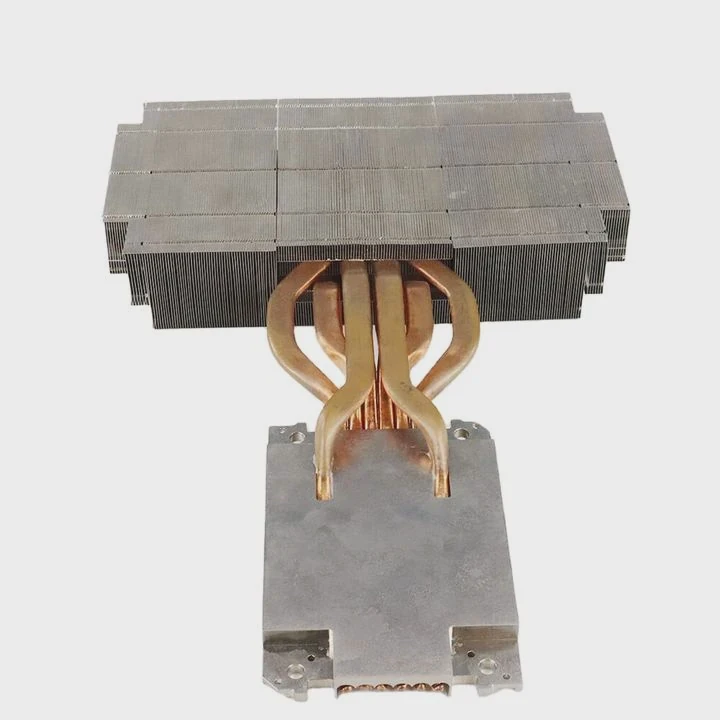
Main failure modes and their impact
| Failure Factor | What Happens | Risk Level |
|---|---|---|
| Seal failure | Fluid leaks out, chamber fails | High |
| Wick degradation | Reduced capillary flow, hotspots | Medium |
| Contaminants inside | Blocks flow paths, poor evaporation | High |
| Mechanical stress | Warping, pressure loss | Medium |
| Extreme temperatures | Alters pressure, fluid breakdown | High |
1. Manufacturing quality
If the vapor chamber has poor welds, impure working fluid, or faulty wick structure, it might fail early — even under mild conditions. Industrial chambers often undergo vacuum leak testing, helium detection, and X-ray inspection to prevent this.
2. Repeated thermal cycling
Frequent heating and cooling stresses the chamber’s welds, wick bonding, and even its structure. Over time, microcracks can appear in the weld seam or between layers of the wick.
3. Vibration and mechanical shock
High-vibration environments like railway systems or heavy machinery can slowly fatigue the welds or create seal damage. Vibration-damping mounts can help extend chamber life in such settings.
4. Harsh environments
Humidity, corrosive gases, dust, or conductive particles can all affect the performance and longevity of a vapor chamber. Even though the chamber is sealed, prolonged exposure to such conditions can corrode external interfaces or affect contact thermal resistance.
5. Improper mounting or use
Over-tightening screws or mounting on uneven surfaces can warp the chamber. That impairs thermal contact and can stress internal components.
When designing for long-term deployment, it’s important to match the vapor chamber’s performance rating with real-world worst-case operating conditions.
Are warranties aligned with expected lifespan of Vapor Chambers?

Warranties are often shorter than the true expected lifespan. That doesn’t mean the chamber won’t last — but manufacturers hedge risk.
No, most warranties are shorter than the vapor chamber’s actual lifespan, especially in industrial use.
A typical consumer product might carry a 1–3 year warranty. Yet, its vapor chamber may continue to function well beyond that. In industrial systems, warranties range more widely — sometimes up to 5–10 years — depending on the supplier and contract terms.
Why the mismatch?
- Warranties cover liability — not engineering expectations.
- Real-world conditions vary too much to guarantee 10–20 year function.
- Some OEMs provide performance service contracts instead of warranties.
Example breakdown of warranty vs lifespan
| Application | Warranty Offered | True Lifespan Potential |
|---|---|---|
| Consumer GPU | 2 years | 7–10 years |
| Industrial Server Module | 5 years | 10–15 years |
| Telecom System | 7 years | 15+ years |
What to look for instead
Rather than relying only on warranty terms, system designers often ask for:
- Life cycle test data
- Thermal cycling test results
- Vacuum retention test records
- Fluid degradation analysis
- End-of-life thermal performance estimates
These offer a clearer picture of real-world durability than warranty documents alone.
Conclusion
Industrial vapor chambers can last well over a decade if designed right, made well, and used in stable conditions. Their real lifespan usually outpaces warranties — but success depends on seal quality, materials, and environment. Industrial systems need longer-lasting, more rugged vapor chambers than consumer tech — and their design reflects that.
TAGS
Latest Articles

Volume discount levels for heat sink orders?
Buyers often ask when heat sink prices start to drop with volume. Many worry they’re overpaying for small orders. This guide explains how B2B volume pricing works for thermal components. Heat sink
21 Dec,2025
Heat sink long-term supply contract options?
Many buyers want stable pricing and reliable delivery for heat sinks. But without a clear contract, risks grow over time. This article explores how to secure better long-term supply deals. Long-term
21 Dec,2025
Tooling cost for new heat sink profiles?
Many engineers struggle to understand why tooling for custom heat sinks costs so much. They worry about budgeting and production timelines. This article breaks down the cost drivers behind tooling.
21 Dec,2025
Heat sink custom sample process steps?
Sometimes, starting a custom heat sink project feels overwhelming—too many steps, too many unknowns, and too many risks. You want a sample, but not endless delays. The process for requesting and
20 Dec,2025
Standard B2B terms for heat sink payments?
When buyers and sellers in B2B heat sink markets talk about payment, many don’t fully understand what’s standard. This can lead to delayed orders, miscommunication, and even lost business
20 Dec,2025
Heat sink pricing factors for large orders?
Heat sinks are vital for many systems. When prices rise, projects stall and budgets break. This problem can hit teams hard without warning. Large order heat sink pricing depends on many factors. You
20 Dec,2025Related Articles
- Vapor Chamber functional testing standards?
- Cost saving ideas for Vapor Chamber production?
- Required energy evaluation for Vapor Chamber?
- Vapor Chamber for thermal cycling environments?
- Can Vapor Chamber be combined with heat sinks?
- Reliable bonding method for Vapor Chamber joints?
- Vapor Chamber technical support availability?
- Is Vapor Chamber recyclable material?
- Demand trend for Vapor Chamber manufacturing
- Best industry practices for Vapor Chamber testing?
- Can Vapor Chamber be exported worldwide?
- Vapor Chamber Ergonomic Installation Guide?
Author
Dr. Emily Chen
Chief AI Researcher
Leading expert in thermal dynamics and AI optimization with over 15 years of experience in data center efficiency research.
Categories
Latest Products






Recommend Categories
- Liquid cooling plate Manufacturer
- Industrial Heat Sink Manufacturer
- Standard Heat Sink Manufacturer
- Aluminum Heat Sink Manufacturer
- Copper Heat Sink Manufacturer
- Anodized Heatsink Manufacturer
- Stamping heat sink Manufacturer
- Die Casting Heatsink Manufacturer
- Soldering heat sink Manufacturer
- CNC Parts Manufacturer
Latest Products
- Wholesale Aluminum Radiator
- Water Cooling Plate Kit
- Water Cooling Heat Sink
- Water Cooling Heat Sink Kit
- Stainless Steel Water Distributor
- Server Water Cooling Plate Kit
- Server Liquid Cooling System
- Server Aluminum Cooling Kit
- S19 Full Cover Cooling Plate
- S19 Cooling Plate Kit
- S19 Aluminum Cooling Plate
Contact Expert
Have questions about this article? Reach out to our experts directly.