Best shipping method for Vapor Chamber?
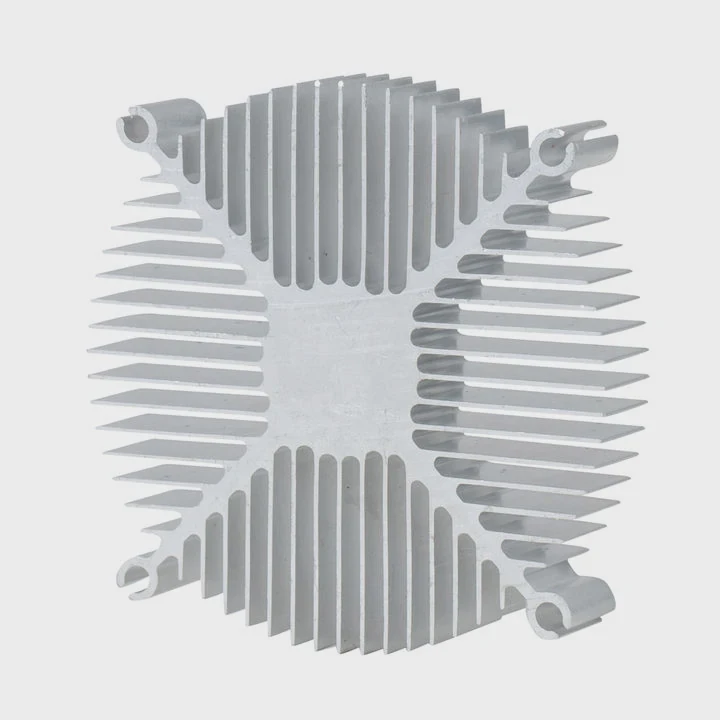
Shipping high‑value, heat‑sensitive components like vapor chambers brings logistics worries—damage, cost blow‑ups, delays.
The optimal shipping method for your vapor chambers depends on volume, value, time‑sensitivity and fragility.
Next we’ll explore each key question so you can match your shipment strategy to your requirements and minimise risk and cost.
What is the most cost‑effective shipping method for Vapor Chambers?
You face pressure on cost and yet your product is delicate and high‑value.
For cost‑effectiveness, sea freight often wins when you ship in volume and have longer lead‑times.
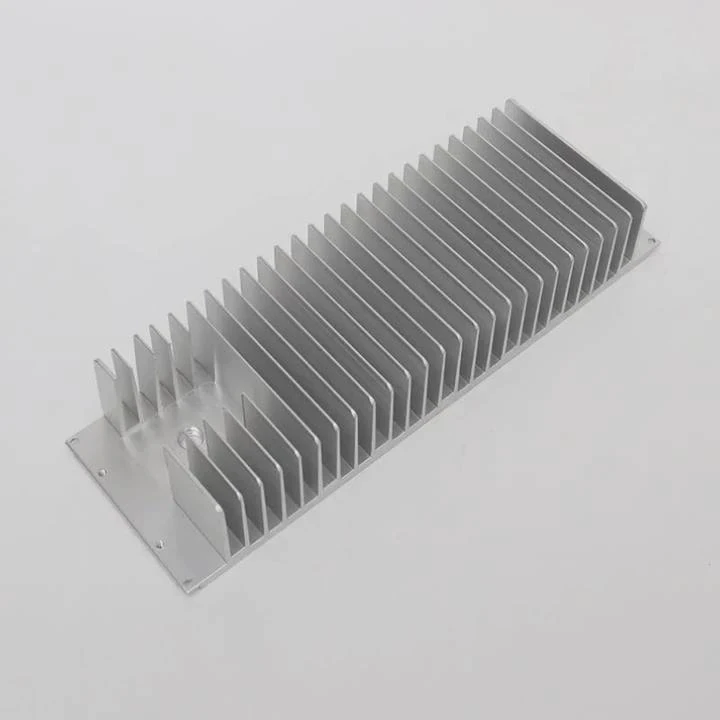
Key factors in cost‑effectiveness
| Factor | Why it matters |
|---|---|
| Volume/weight | Larger shipments dilute fixed costs (handling, documentation, packaging) and make full container loads (FCL) economical. |
| Unit value | If the component value is high, you may accept higher freight cost to reduce risk of damage or delays. |
| Lead‑time flexibility | If you can afford weeks of transit, slower but cheaper shipping is viable. |
| Damage/handling risk | High risk means you may need specialised packaging, monitoring, or premium carriers, which add cost. |
| Destination infrastructure | If destination port/airport handling is poor, costs may rise in terms of damage or extra handling. |
Why sea freight tends to be cheaper
Research shows that ocean transport offers significantly lower cost per ton/km compared to air freight. Some data suggests air freight may cost 5‑6 times more than sea freight.
If you ship moderate to large volumes of vapor chambers, sea freight will likely deliver the best cost outcome, provided lead time is not critical.
When cost‑effectiveness may override sea freight
- If your shipment is very small, ocean shipping consolidates into a higher cost per unit.
- If you need just‑in‑time delivery, delay costs can outweigh shipping savings.
- If the vapor chambers are ultra‑delicate or valuable, air freight may save damage cost.
In summary: choose sea freight for bulk, non‑urgent shipments and use faster/higher cost modes when value is high or timing is tight.
Is air freight suitable for small Vapor Chamber shipments?
You have a small batch of vapor chambers and need them delivered quickly—air freight seems appealing.
Yes — air freight is often the right choice for small, high‑value, time‑sensitive shipments of vapor chambers.
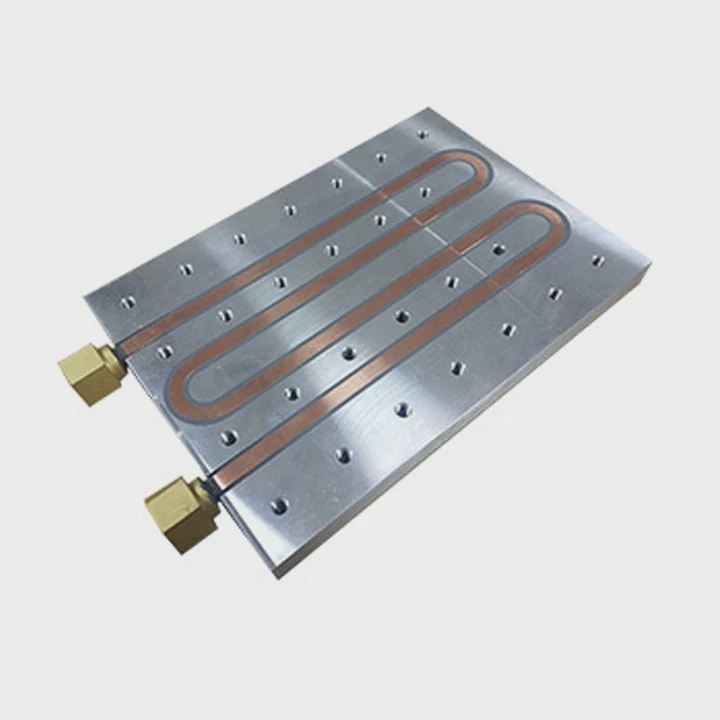
Why air freight works for small shipments
- Speed: Delivers in days, not weeks.
- Lower inventory cost: Faster transit frees up capital.
- Security: Fewer hand-offs, tighter control.
- High value/low weight match: Justifies premium cost.
Considerations / limitations
- Cost: Much higher per kg than sea.
- Size limits: Restrictions on oversized or special goods.
- Packaging still critical: Needs anti-static, cushioned, robust boxes.
- Time vs cost: Rushing when not urgent can waste budget.
Practical checklist
| Condition | If “Yes” then air freight likely suitable |
|---|---|
| Small batch (few units) | ✅ |
| Urgent delivery (few days) | ✅ |
| High unit value | ✅ |
| Good packaging/documentation | ✅ |
| Efficient destination customs | ✅ |
| Budget available | ✅ |
Air freight works best when most of these boxes are ticked.
When should you choose sea freight for Vapor Chambers?
You’re shipping a large batch of vapor chambers and time is moderate—sea freight may shine in this scenario.
You should choose sea freight when you ship bulk volumes, have longer lead‑time, and seek lowest cost per unit delivery.
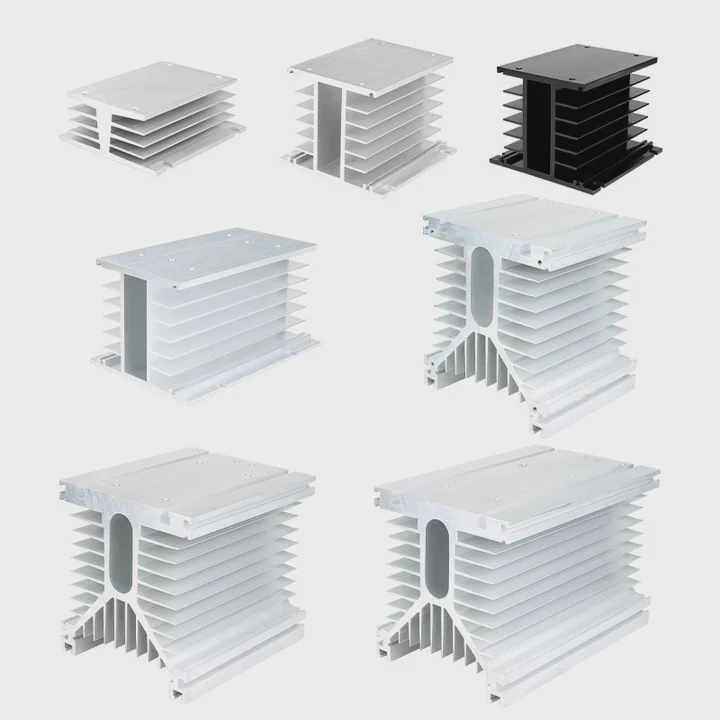
When sea freight is the right choice
- High volumes: Maximises cost per unit.
- Flexible timelines: Acceptable if transit is 4–8 weeks.
- Lower urgency: Cost beats speed.
- Heavy/large formats: Suits big modules or aluminium frames.
- Forecasted demand: Ideal for planned replenishment.
Key considerations
- Packaging: Still must protect from shock, moisture, and stacking weight.
- Partial container risk: LCL (Less than Container Load) adds handling and cost.
- Inventory planning: Slower means more capital tied up.
- Port handling risk: Ensure packaging and labeling are robust.
- Environmental impact: Sea freight is greener, lower CO2 per ton.
Best practice for exporters
- Fill full containers to reduce unit cost.
- Custom packaging with anti-static and moisture protection.
- Label clearly for orientation and fragility.
- Work with experienced forwarders.
- Align shipping schedule with customer demand forecasts.
Can courier services handle fragile Vapor Chambers?
You wonder if express courier (door‑to‑door) is viable for shipping fragile vapor chambers.
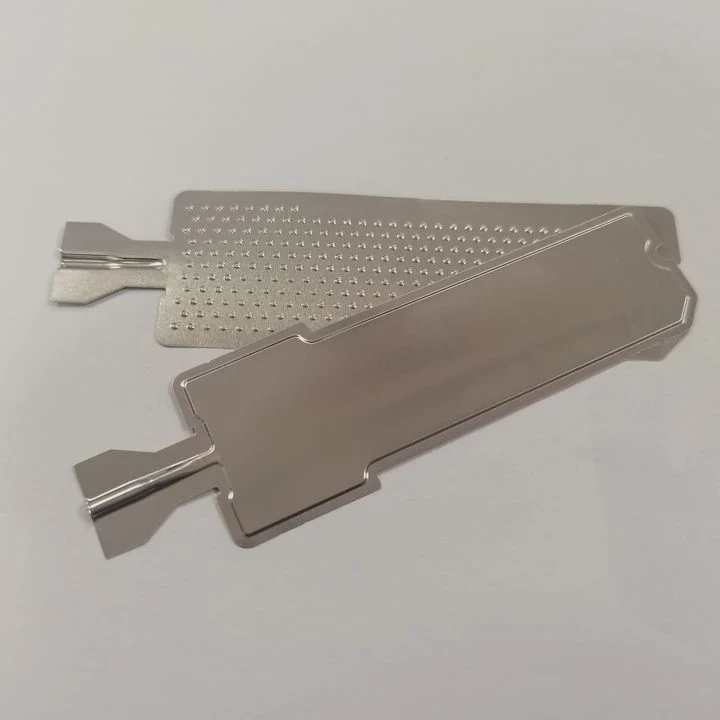
Yes — courier services can handle fragile vapor chambers, provided you package correctly and select a courier experienced in electronics/shipping high‑value components.
Why courier services may be good
- Convenience: Door-to-door, customs, tracking handled.
- Speed: Fastest for small batches.
- Special handling: Some offer electronics-friendly services.
- Fits low volume: Better than air freight for small jobs.
Packaging requirements
| Packaging Component | Purpose |
|---|---|
| Anti-static bag | Prevent electrostatic damage |
| Foam or cushion | Absorb shock |
| Double box | Strengthen structure |
| Moisture barrier | Protect against humidity |
| Clear labels | Guide handlers |
Risks and tips
- Insurance: Declare full value, confirm coverage.
- Size/weight: Must check courier’s limit.
- Last-mile: Often most risky part, reinforce packaging.
- Cost: Compare to LCL or air freight for higher volumes.
Courier service checklist
- Choose couriers with fragile/electronics experience.
- Double-pack and secure each unit.
- Label clearly for handling and customs.
- Monitor shipment if highly sensitive.
In summary: courier is a great choice for small fragile vapor chamber batches when speed, simplicity, and quality handling matter.
Conclusion
In shipping vapor chambers, there is no one‑size‑fits‑all method. Use sea freight for large volumes and relaxed lead‑time, air freight for small high‑value urgent shipments, and courier services when you need door‑to‑door convenience for few units. Match your shipping method to volume, value, timing and fragility—and ensure packaging and documentation meet the standard.
TAGS
Latest Articles

Volume discount levels for heat sink orders?
Buyers often ask when heat sink prices start to drop with volume. Many worry they’re overpaying for small orders. This guide explains how B2B volume pricing works for thermal components. Heat sink
21 Dec,2025
Heat sink long-term supply contract options?
Many buyers want stable pricing and reliable delivery for heat sinks. But without a clear contract, risks grow over time. This article explores how to secure better long-term supply deals. Long-term
21 Dec,2025
Tooling cost for new heat sink profiles?
Many engineers struggle to understand why tooling for custom heat sinks costs so much. They worry about budgeting and production timelines. This article breaks down the cost drivers behind tooling.
21 Dec,2025
Heat sink custom sample process steps?
Sometimes, starting a custom heat sink project feels overwhelming—too many steps, too many unknowns, and too many risks. You want a sample, but not endless delays. The process for requesting and
20 Dec,2025
Standard B2B terms for heat sink payments?
When buyers and sellers in B2B heat sink markets talk about payment, many don’t fully understand what’s standard. This can lead to delayed orders, miscommunication, and even lost business
20 Dec,2025
Heat sink pricing factors for large orders?
Heat sinks are vital for many systems. When prices rise, projects stall and budgets break. This problem can hit teams hard without warning. Large order heat sink pricing depends on many factors. You
20 Dec,2025Related Articles
- Customs documents needed for Vapor Chamber import?
- Vapor Chamber packaging for export to USA?
- How long to prototype Vapor Chamber?
- Vapor Chamber standard Incoterms for export?
- Vapor Chamber quotation based on drawings?
- Typical Vapor Chamber mold cost?
- Vapor Chamber Global Shipping Lead Time?
- Vapor Chamber HS code for customs?
- How to reduce Vapor Chamber shipping cost?
- Vapor Chamber bulk order logistics solution?
- Typical warranty period for Vapor Chamber?
- Vapor Chamber storage temperature guidelines?
Author
Dr. Emily Chen
Chief AI Researcher
Leading expert in thermal dynamics and AI optimization with over 15 years of experience in data center efficiency research.
Categories
Latest Products






Recommend Categories
- Liquid cooling plate Manufacturer
- Industrial Heat Sink Manufacturer
- Standard Heat Sink Manufacturer
- Aluminum Heat Sink Manufacturer
- Copper Heat Sink Manufacturer
- Anodized Heatsink Manufacturer
- Stamping heat sink Manufacturer
- Die Casting Heatsink Manufacturer
- Soldering heat sink Manufacturer
- CNC Parts Manufacturer
Latest Products
- Wholesale Aluminum Radiator
- Water Cooling Plate Kit
- Water Cooling Heat Sink
- Water Cooling Heat Sink Kit
- Stainless Steel Water Distributor
- Server Water Cooling Plate Kit
- Server Liquid Cooling System
- Server Aluminum Cooling Kit
- S19 Full Cover Cooling Plate
- S19 Cooling Plate Kit
- S19 Aluminum Cooling Plate
Contact Expert
Have questions about this article? Reach out to our experts directly.