Customs documents needed for Vapor Chamber import?
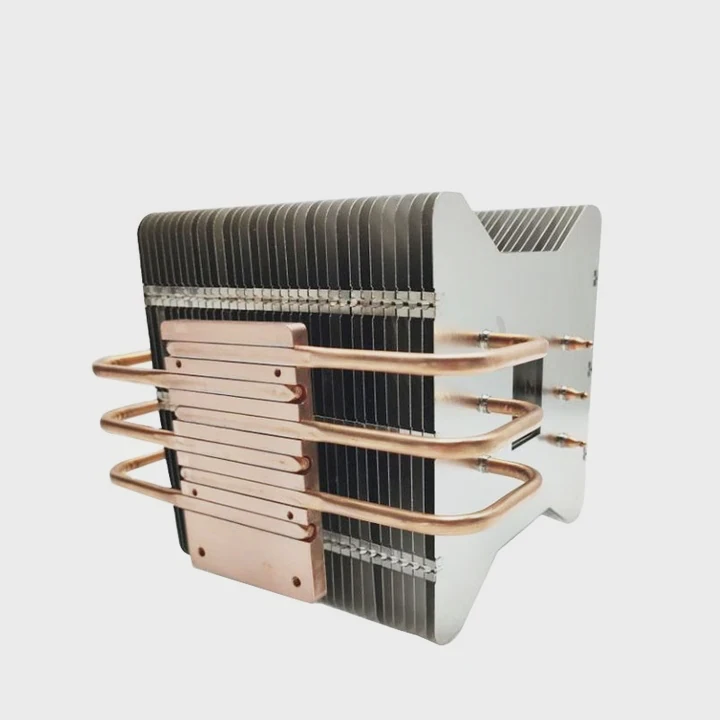
Importing high-tech components like vapor chambers can quickly become a customs headache if documentation isn’t perfect.
To import vapor‑chambers you’ll typically need a commercial invoice, packing list, customs declaration (with HS code), possibly a certificate of origin, and any licence/permit required by the destination country.
Let’s dig deeper.
What customs documents are required to import Vapor Chambers?
Importing technical components often brings surprise document demands.
You’ll need core documents such as the commercial invoice, packing list, bill of lading/air‑waybill, customs declaration with HS code, plus any special licences or certificates depending on the product and destination.
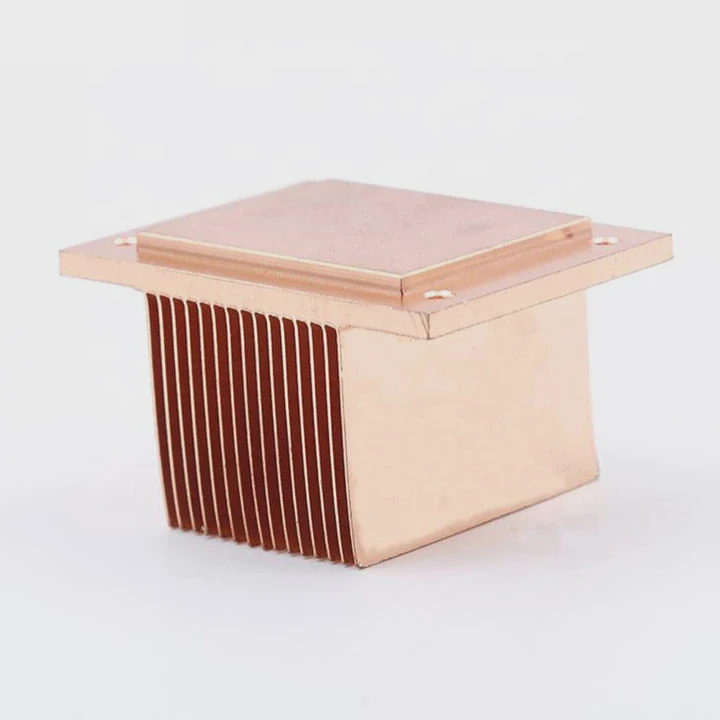
Key documents
| Document | Purpose | Key details |
|---|---|---|
| Commercial Invoice | Shows value, supplier/buyer, description | Must list exactly what is being imported; include unit price, currency, Incoterms. |
| Packing List | Details how the goods are packed, weights, dimensions | Helps customs inspect and verify contents. |
| Bill of Lading / Air Waybill | Transport document showing shipment, ownership & contract with carrier | Required to clear goods and release them from carrier. |
| Customs Declaration | Entry filing with customs authority, using correct HS/commodity code, country of origin, value etc. | Filed through customs broker or clearance agent. |
| Import/Export Licences & Permits | If product falls under dual‑use, restricted, etc. | Check if vapor chambers for aerospace or semiconductors are controlled. |
| Certificate of Origin | Declares where the goods are manufactured | Useful for tariff benefits or required by buyer. |
When exporting vapor chambers, ensure every document is aligned. The descriptions should be consistent across the invoice, packing list and declaration. Also confirm whether your destination requires specific licences or quality certificates for thermal components.
Do Vapor Chamber shipments need a certificate of origin?
Origin documentation can often be overlooked until goods are held up at customs.
A certificate of origin is not always mandatory, but many customs authorities or buyers will request it to verify origin for tariff or trade‐preference purposes, especially for high-tech imports.
A Certificate of Origin (CO) helps customs determine if your product qualifies for trade benefits. It also supports transparency in high-value B2B transactions. Vapor chambers, due to their advanced applications, might fall under industries where origin scrutiny is stricter.
When CO is necessary:
- Buyer contract or payment terms (like a letter of credit) demands it.
- Import country has preferential tariffs for goods from your country.
- The product’s classification requires verifying origin (e.g., under a free trade agreement).
- It’s standard policy for industrial buyers or government contractors.
Tips for Vapor Chamber Exports:
- Use the official chamber of commerce in your country to issue COs.
- Ensure it matches your invoice in product names, weights, and quantities.
- Keep all manufacturing documentation in case of future audits.
A CO can help speed up clearance, lower tariffs, and reduce back-and-forth with customs.
Is a packing list mandatory for Vapor Chamber imports?
Packing lists might seem trivial, but customs treat them seriously.
Yes – a packing list is almost always required for imports; customs authorities commonly require it to verify shipment contents, weight/dimensions and assist clearance.
The packing list supports both logistics handling and customs inspection. Without it, even if all other documents are present, customs can delay your clearance or flag your shipment for inspection.
What to include in your packing list:
| Field | Description |
|---|---|
| Exporter and Importer Info | Full company name, address |
| Product Description | Clear description including model/part numbers |
| Quantity | Number of units per item |
| Gross and Net Weight | In kg or lbs, as per country standard |
| Packaging | Type and size (e.g. pallets, crates) |
| Dimensions | L x W x H for each package |
| Handling Instructions | If needed (fragile, upright, etc.) |
| Related Documents | Invoice reference, PO number |
It should match your invoice line by line. This prevents delays and ensures all documentation is internally consistent.
Customs uses this to verify physical shipments and make sure quantities and weights declared on the invoice match what’s actually arriving.
Which customs codes apply to Vapor Chambers?
Choosing the wrong HS code can cost you duties, time and risk customs questions.
Vapour chambers (as heat spreaders / heat sinks) are commonly classified under HS heading 8473 (parts/accessories for machines of heading 8469–8472) such as sub-heading 8473.30.99, or alternately under 8504 or 8419⁄8418 depending on function – always verify with destination customs.
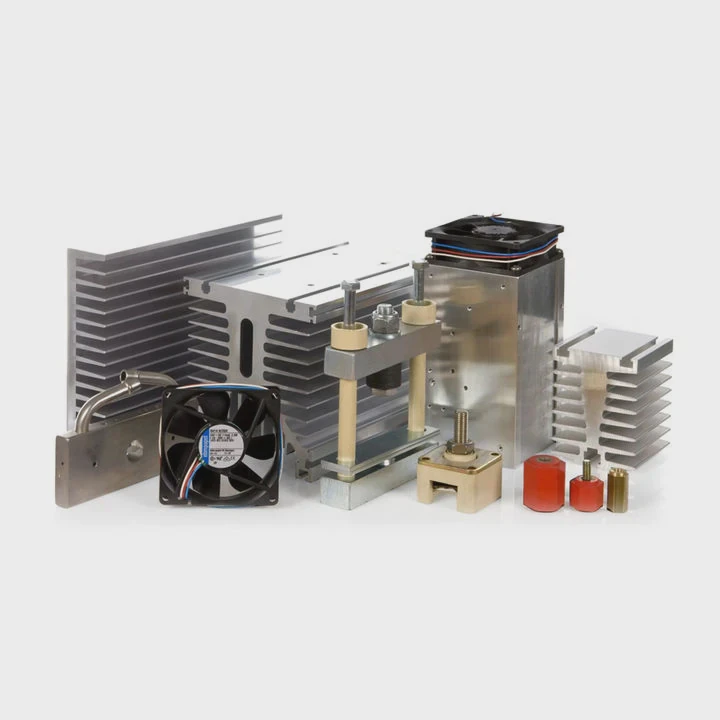
Common HS codes used:
| HS Code | Description | Typical Use |
|---|---|---|
| 8473.30.99 | Parts for machines of heading 8471 | Common for vapor chambers in electronics |
| 8504.90 | Parts of electrical transformers | If vapor chamber is integrated in power electronics |
| 8419.89 | Machinery for heat exchange | For stand-alone thermal systems |
| 8418.99 | Parts of refrigerators/freezers | Rarely applicable unless in HVAC-type cooling |
Choosing the correct code:
- Determine primary function: Is it part of a machine or a complete system?
- Check the integration: Is it an accessory or stand-alone?
- Use destination country’s tariff tool: E.g., UK’s Trade Tariff or EU TARIC.
- Consult your customs broker: Especially if your shipments vary in assembly or complexity.
Misclassification can lead to:
- Overpayment or underpayment of duties
- Delays and product holds
- Penalties during customs audits
It’s a good idea to prepare a classification sheet explaining your logic for using a specific code. This helps in customs checks and keeps internal records clean.
Conclusion
Importing vapor chambers involves more than just shipping. Get your invoice, packing list, HS code, and potentially certificate of origin right to avoid costly customs delays. When unsure, consult a customs expert — proper documentation saves time, money, and your reputation.
TAGS
Latest Articles

Volume discount levels for heat sink orders?
Buyers often ask when heat sink prices start to drop with volume. Many worry they’re overpaying for small orders. This guide explains how B2B volume pricing works for thermal components. Heat sink
21 Dec,2025
Heat sink long-term supply contract options?
Many buyers want stable pricing and reliable delivery for heat sinks. But without a clear contract, risks grow over time. This article explores how to secure better long-term supply deals. Long-term
21 Dec,2025
Tooling cost for new heat sink profiles?
Many engineers struggle to understand why tooling for custom heat sinks costs so much. They worry about budgeting and production timelines. This article breaks down the cost drivers behind tooling.
21 Dec,2025
Heat sink custom sample process steps?
Sometimes, starting a custom heat sink project feels overwhelming—too many steps, too many unknowns, and too many risks. You want a sample, but not endless delays. The process for requesting and
20 Dec,2025
Standard B2B terms for heat sink payments?
When buyers and sellers in B2B heat sink markets talk about payment, many don’t fully understand what’s standard. This can lead to delayed orders, miscommunication, and even lost business
20 Dec,2025
Heat sink pricing factors for large orders?
Heat sinks are vital for many systems. When prices rise, projects stall and budgets break. This problem can hit teams hard without warning. Large order heat sink pricing depends on many factors. You
20 Dec,2025Related Articles
- Vapor Chamber packaging for export to USA?
- How long to prototype Vapor Chamber?
- Vapor Chamber standard Incoterms for export?
- Vapor Chamber quotation based on drawings?
- Typical Vapor Chamber mold cost?
- Vapor Chamber OEM price request?
- Best shipping method for Vapor Chamber?
- Vapor Chamber Global Shipping Lead Time?
- Vapor Chamber HS code for customs?
- How to reduce Vapor Chamber shipping cost?
- Vapor Chamber bulk order logistics solution?
- Typical warranty period for Vapor Chamber?
Author
Dr. Emily Chen
Chief AI Researcher
Leading expert in thermal dynamics and AI optimization with over 15 years of experience in data center efficiency research.
Categories
Latest Products






Recommend Categories
- Liquid cooling plate Manufacturer
- Industrial Heat Sink Manufacturer
- Standard Heat Sink Manufacturer
- Aluminum Heat Sink Manufacturer
- Copper Heat Sink Manufacturer
- Anodized Heatsink Manufacturer
- Stamping heat sink Manufacturer
- Die Casting Heatsink Manufacturer
- Soldering heat sink Manufacturer
- CNC Parts Manufacturer
Latest Products
- Wholesale Aluminum Radiator
- Water Cooling Plate Kit
- Water Cooling Heat Sink
- Water Cooling Heat Sink Kit
- Stainless Steel Water Distributor
- Server Water Cooling Plate Kit
- Server Liquid Cooling System
- Server Aluminum Cooling Kit
- S19 Full Cover Cooling Plate
- S19 Cooling Plate Kit
- S19 Aluminum Cooling Plate
Contact Expert
Have questions about this article? Reach out to our experts directly.