Vapor Chamber packaging for export to USA?

Exporting high‑value components like vapor chambers often fails because packaging is treated as an after‑thought.
Proper packaging for vapor chambers destined for the USA must meet export durability, moisture protection, labelling, and timber treatment standards.
Below I walk through key questions about packaging exported vapor chambers — so you can design your packing process with confidence.
What packaging is required for exporting Vapor Chambers to the USA?
Many exporters underestimate the transit hazards — shock, vibration, humidity, and stacking loads — that await their products.
Packaging must protect vapor chambers against mechanical damage, environmental threats and legal export regulations when shipping to the USA.
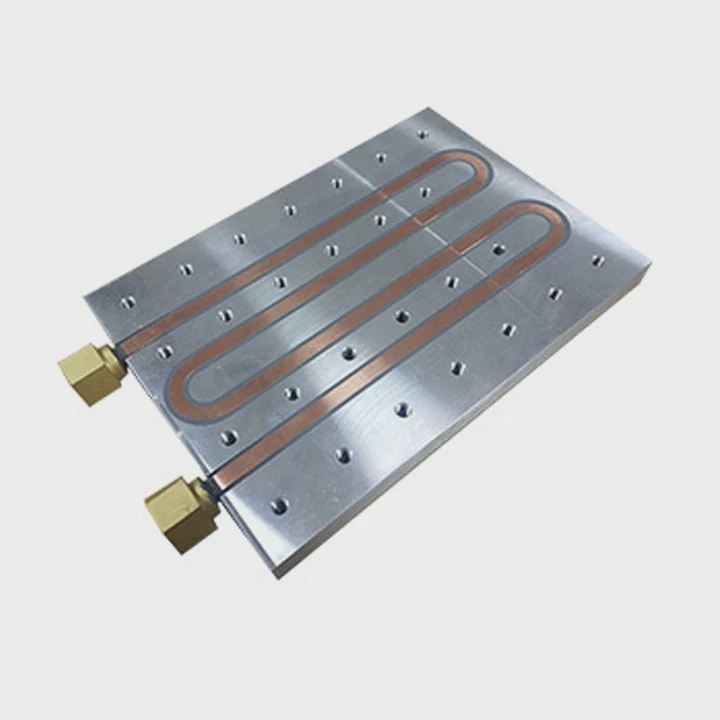
When exporting precision thermal management components like vapor chambers, packaging plays a dual role: protection during transit and compliance with export/import regulations.
From a mechanical protection viewpoint: international shipping involves multiple handling steps — container loading/unloading, port transfers, truck or rail movement — which introduce vibration, drops, compression, and stacking loads. The packaging must prevent internal movement, absorb vibration and be strong enough to withstand external forces.
For environmental threats: temperature swings, humidity, condensation, and salt air during ocean or air freight require moisture‑resistant materials. The use of moisture‑proof layers is strongly recommended.
For legal compliance: using wooden pallets or crates means following ISPM 15 regulations for international wood packaging.
Also, exporters must include a proper export packing list, clear labels, and special handling instructions.
| Requirement Category | Key Considerations for Vapor Chambers |
|---|---|
| Mechanical Protection | Foam inserts, anti‑shock material, double‑boxing if needed |
| Environmental Protection | Moisture barrier bags, desiccants, sealed liners |
| Transport Compliance | ISPM 15-treated wood, pallet stability |
| Documentation & Labelling | Packing list, “Fragile” labels, origin markings |
| Suitable Inner Packaging | Anti‑static bags, bubble wrap, foam cushions |
Vapor chambers should be treated as high‑value, moisture and shock‑sensitive thermal components. Internal packaging must avoid scratches or bending. Outer packaging should survive the journey to the USA. The packaging must be engineered, not improvised.
Are moisture barriers needed for Vapor Chamber packaging?
Moisture ingress is a silent killer of metal thermal components and electronics — it can cause corrosion, delamination or reduced performance.
Yes — moisture barrier systems are strongly advised when shipping vapor chambers, especially if they contain sensitive surfaces or are part of electronic assemblies.
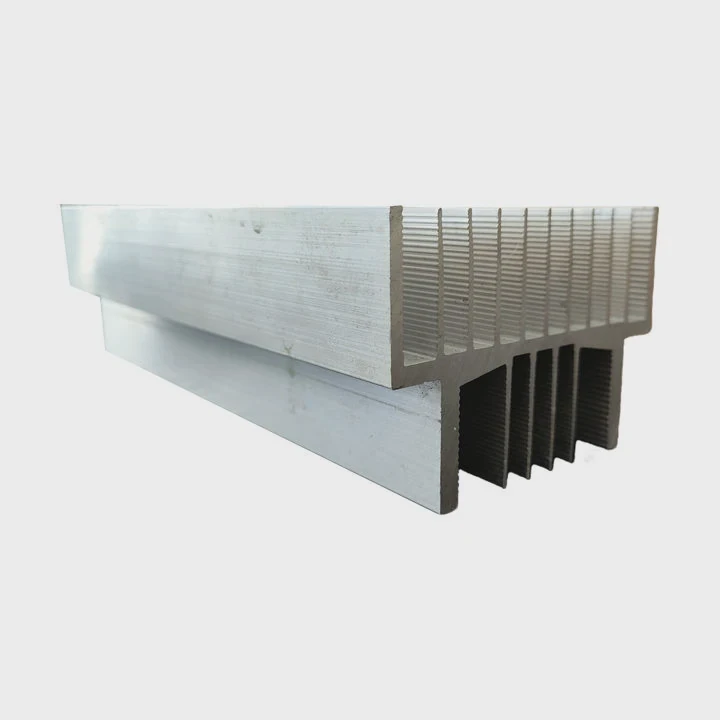
Vapor chambers are sealed metallic containers, often copper-based with internal wick and working fluid. While the chamber is hermetic, external surfaces may oxidize. Moisture could damage interfaces, joints, or connected electronics.
Electronics shipping practices suggest using barrier bags, desiccants, and vacuum sealing to prevent humidity issues. These measures apply equally to thermal modules.
Steps for Moisture Protection
- Use anti-static moisture-barrier bags with low water vapor transmission.
- Place desiccant packets and a humidity indicator card inside each sealed bag.
- Vacuum-seal or heat-seal the bag to remove air and minimize humidity.
- Use a secondary moisture-resistant liner inside the shipping box if needed.
- Label clearly with “Dry Package” and “Keep Dry”.
Moisture barrier packaging ensures components arrive without oxidation, adhesive failure, or bond weakening. Especially during ocean freight or in humid storage, this layer is essential. Even rugged vapor chambers need this step for protection in real-world conditions.
How are Vapor Chambers protected during long-distance shipping?
Long‑distance shipping subjects packages to stacking pressure, vibration, temperature swings, and often rough handling at ports — skipping proper protection invites costly damage.
Protection involves internal cushioning, rigid external crates or pallets, moisture control, and clear handling instructions to ensure vapor chambers arrive in perfect condition.
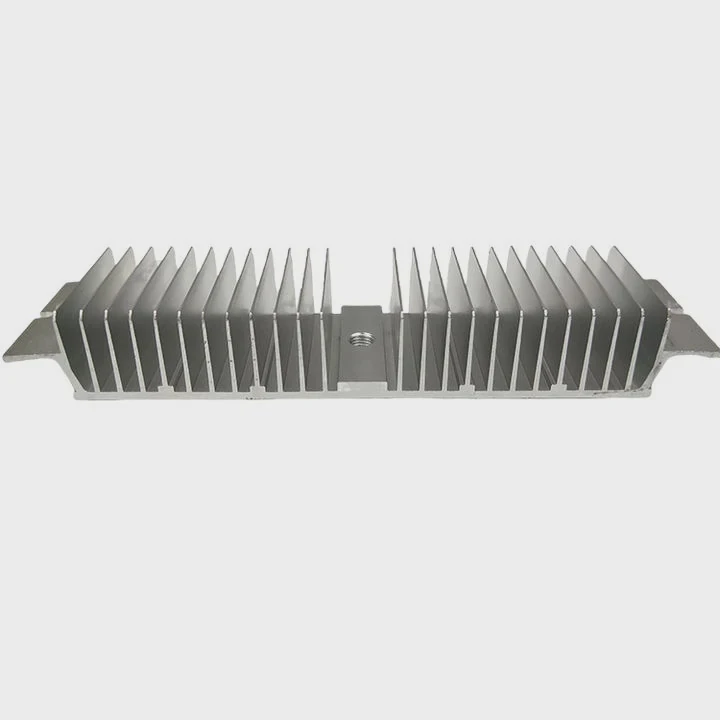
From factory to customer, vapor chambers may face sea freight, trucks, rails, warehouses, and loading docks. At every point, shock, drops, and moisture are real risks. To protect each chamber, we use multiple protection layers.
Internal Packaging Layers
- Custom-molded foam or trays that match the chamber shape
- Moisture-barrier bags with desiccants
- Strong double-wall corrugated boxes
- Support braces for large/heavy units
Palletization and External Protection
- Secure box to pallet using straps and corner guards
- Stretch-wrap the pallet for stability
- If needed, place the box into a wooden or plywood crate for extra defense
- Ensure all items are centered and not overhanging
Environmental and Labeling Measures
- Mark with “Fragile”, “This Side Up”, and “Keep Dry” stickers
- Use shock/tilt indicators if high-value shipment
- Consider desiccant blocks in pallet or crate corners
- Choose water-resistant boards or treated plywood
- Avoid reused or degraded packaging materials
Final Validation
Before shipping, simulate shock/vibration events with drop tests. Follow ISTA standards where possible. Take photos of each package. Use inspection records to ensure repeatability. If damage occurs, these logs help pinpoint failure points and improve the process.
When done right, this layered strategy prevents damage during long routes and keeps your vapor chamber functional, clean, and ready for immediate installation.
Is wooden crate packaging used for Vapor Chamber exports?
Wooden crates are conventionally used in export‑packing when items are large, heavy, or need exceptional protection — but they also carry special regulation burdens.
Yes — wooden crates are commonly used to export vapor chambers, especially larger ones, provided they meet wood‑treatment standards (e.g., ISPM 15) and appropriate packing design.
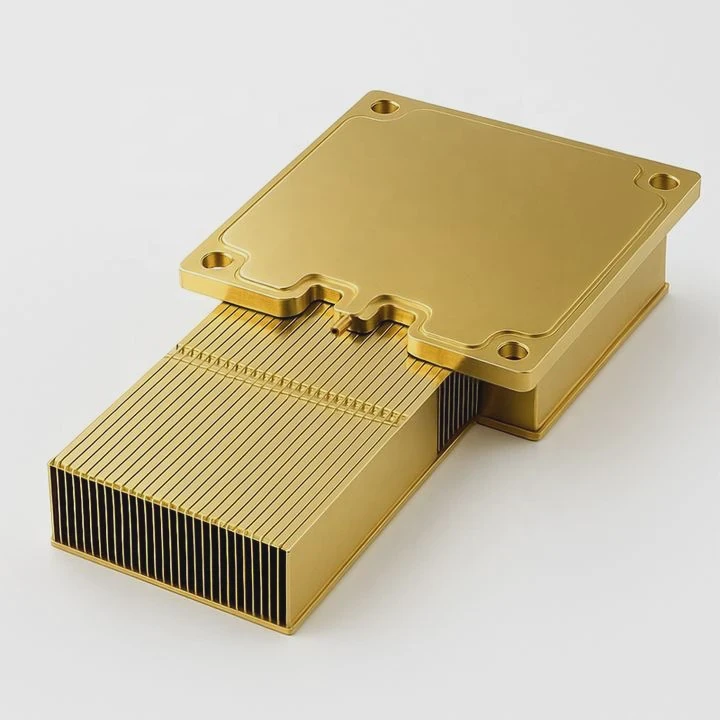
Many vapor chambers are small enough for palletized cartons, but some — especially if integrated into assemblies or large panels — require heavy-duty crates. Crates offer rigidity, stackability, and protection against impact and load pressure.
When Wooden Crates Make Sense
- Large or heavy vapor chambers that can’t fit standard boxes
- Modules that are sensitive to compression or vibration
- Situations requiring blocking/bracing to secure load in shipping container
Wooden Crate Requirements
- All wood used must be ISPM 15-compliant (heat-treated or fumigated)
- Crates must allow internal bracing or foam protection for the part
- Exterior must include clear markings: country of origin, handling symbols, and compliance stamps
Even inside crates, inner packaging layers remain critical — moisture barrier bags, foam, and desiccants must still be used. Crates only solve part of the risk; interior conditioning is equally important.
| Pros of Wooden Crates | Cons of Wooden Crates |
|---|---|
| Strong frame protects against forklift damage | More expensive than cartons |
| Ideal for stacking and heavy loads | Requires ISPM treatment |
| Allows better bracing for large modules | Bulkier, takes more shipping space |
In general, choose wooden crates for high-value or oversized exports. If space, regulation, or cost are concerns, strong double-wall cartons with foam may be enough. Evaluate by size, weight, and shipping risk.
Conclusion
Exporting vapor chambers to the USA demands more than simply wrapping and boxing. You must ensure mechanical robustness, moisture protection, and regulatory compliance. With the right layered packaging strategy — including internal cushioning, moisture barrier, robust outer container (crate or pallet), clear labelling and documentation — you greatly reduce risk of damage and customer returns.
TAGS
Latest Articles

Volume discount levels for heat sink orders?
Buyers often ask when heat sink prices start to drop with volume. Many worry they’re overpaying for small orders. This guide explains how B2B volume pricing works for thermal components. Heat sink
21 Dec,2025
Heat sink long-term supply contract options?
Many buyers want stable pricing and reliable delivery for heat sinks. But without a clear contract, risks grow over time. This article explores how to secure better long-term supply deals. Long-term
21 Dec,2025
Tooling cost for new heat sink profiles?
Many engineers struggle to understand why tooling for custom heat sinks costs so much. They worry about budgeting and production timelines. This article breaks down the cost drivers behind tooling.
21 Dec,2025
Heat sink custom sample process steps?
Sometimes, starting a custom heat sink project feels overwhelming—too many steps, too many unknowns, and too many risks. You want a sample, but not endless delays. The process for requesting and
20 Dec,2025
Standard B2B terms for heat sink payments?
When buyers and sellers in B2B heat sink markets talk about payment, many don’t fully understand what’s standard. This can lead to delayed orders, miscommunication, and even lost business
20 Dec,2025
Heat sink pricing factors for large orders?
Heat sinks are vital for many systems. When prices rise, projects stall and budgets break. This problem can hit teams hard without warning. Large order heat sink pricing depends on many factors. You
20 Dec,2025Related Articles
- How long to prototype Vapor Chamber?
- Vapor Chamber standard Incoterms for export?
- Vapor Chamber quotation based on drawings?
- Typical Vapor Chamber mold cost?
- Vapor Chamber OEM price request?
- Usual payment terms for Vapor Chamber orders?
- Customs documents needed for Vapor Chamber import?
- Best shipping method for Vapor Chamber?
- Vapor Chamber Global Shipping Lead Time?
- Vapor Chamber HS code for customs?
- How to reduce Vapor Chamber shipping cost?
- Vapor Chamber bulk order logistics solution?
Author
Dr. Emily Chen
Chief AI Researcher
Leading expert in thermal dynamics and AI optimization with over 15 years of experience in data center efficiency research.
Categories
Latest Products






Recommend Categories
- Liquid cooling plate Manufacturer
- Industrial Heat Sink Manufacturer
- Standard Heat Sink Manufacturer
- Aluminum Heat Sink Manufacturer
- Copper Heat Sink Manufacturer
- Anodized Heatsink Manufacturer
- Stamping heat sink Manufacturer
- Die Casting Heatsink Manufacturer
- Soldering heat sink Manufacturer
- CNC Parts Manufacturer
Latest Products
- Wholesale Aluminum Radiator
- Water Cooling Plate Kit
- Water Cooling Heat Sink
- Water Cooling Heat Sink Kit
- Stainless Steel Water Distributor
- Server Water Cooling Plate Kit
- Server Liquid Cooling System
- Server Aluminum Cooling Kit
- S19 Full Cover Cooling Plate
- S19 Cooling Plate Kit
- S19 Aluminum Cooling Plate
Contact Expert
Have questions about this article? Reach out to our experts directly.