Typical Vapor Chamber mold cost?
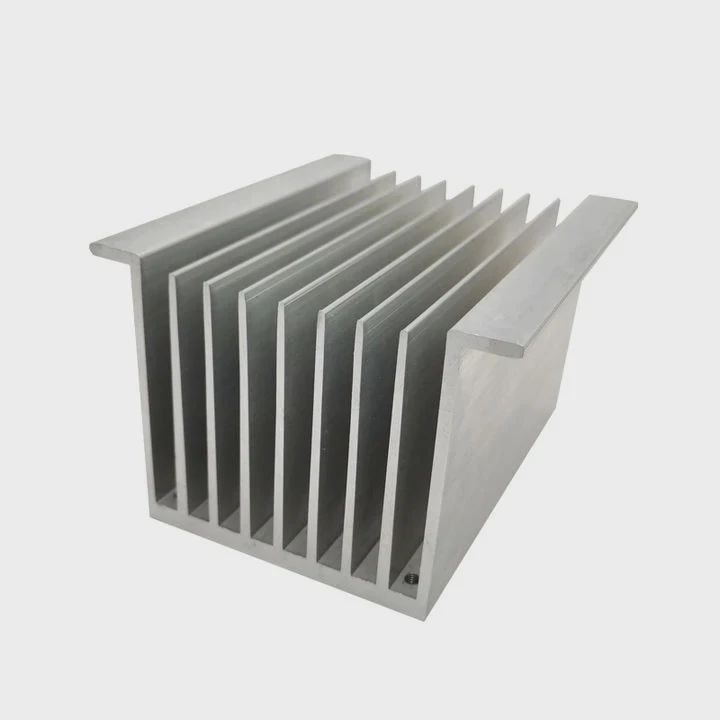
Knowing the tooling cost early in the process prevents nasty budget surprises when you’re sourcing vapor chambers.
Mould cost for vapor chambers typically depends on complexity, material, quantity and supplier capability — expect anything from a few thousand to tens of thousands of USD for large‑volume toolsets.
Here’s a breakdown of what to ask, how complexity drives cost, and how to structure discussions around refunds, amortisation and one‐time fees.
What is the usual cost for Vapor Chamber molds?
Moulding (or tooling) cost is a major upfront investment when sourcing custom components like vapor chambers.
Tooling costs usually range from US\(5,000 to over US\)50,000 depending on size, complexity, internal features and production volume.
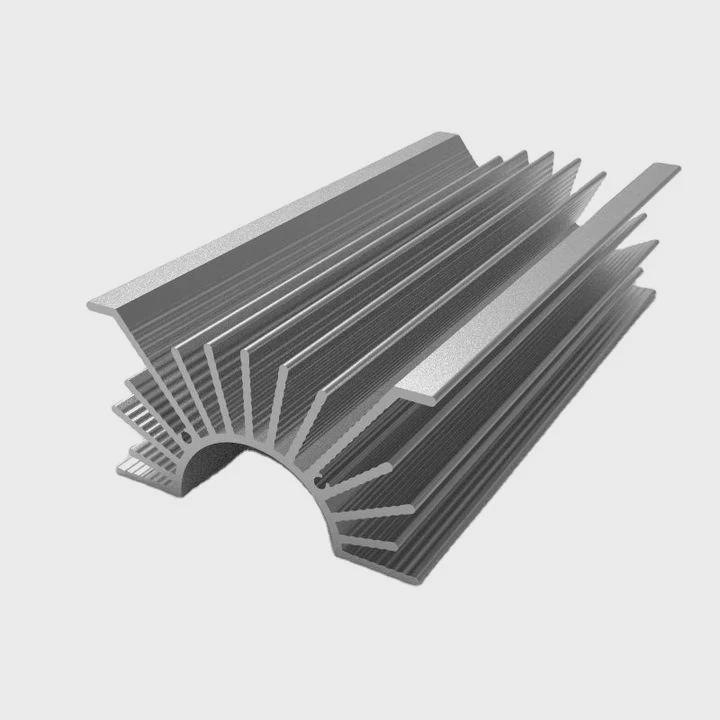
Estimated tooling cost ranges for vapor chambers
| Tooling category | Estimate (USD) | Key drivers |
|---|---|---|
| Simple tool, low complexity | \(5,000–\)20,000 | Basic shape, standard material |
| Medium complexity tool | \(20,000–\)50,000 | Custom features, wick structures |
| High complexity tool | $50,000+ | Multi-cavity, thin walls, aerospace-grade |
The total tooling cost also depends on the supplier’s capabilities, whether you need vacuum jigs, laser welding fixtures, or test stations built into the mold setup.
Always ask the supplier:
- What’s the tooling price?
- Is it separate from unit cost?
- How many units will the tool last for (tool life)?
- Are revisions or maintenance included?
How does mold complexity affect the cost?
As complexity increases, so does cost. Precision thermal components like vapor chambers often require advanced tooling that pushes prices up.
More complex shapes, tighter tolerances, and multi-functional tooling increase both machining time and material requirements.
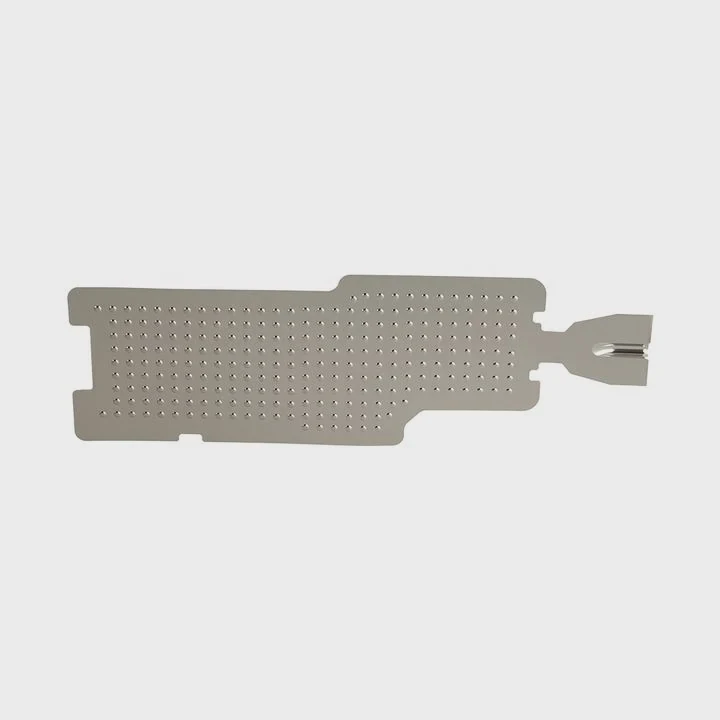
Factors that increase mold complexity
- Material choice: High-performance copper or composite alloys cost more and demand harder tooling.
- Internal geometry: Wick structures and vapor channels require precise machining and laser-weld alignment.
- Tolerance requirements: Tight specs (±0.05 mm) and high flatness standards mean better-quality tooling.
- Wall thickness: Ultra-thin walls demand special forming tools and higher inspection control.
- Tooling durability: For high volumes, suppliers will recommend hardened tool steels and longer-life jigs.
Example: Cost escalation by complexity
| Feature | Basic mold | Complex mold |
|---|---|---|
| Straight flat surface | ✓ | ✓ |
| Integrated vapor channels | ✗ | ✓ |
| Ultra-thin wall support | ✗ | ✓ |
| Vacuum sealing fixtures | ✗ | ✓ |
| Aerospace certification | ✗ | ✓ |
You should always request a tooling breakdown to see how complexity contributes to the price. If you’re unsure, provide your drawing and ask suppliers for tooling feasibility feedback.
Are mold costs refundable on large orders?
This is one of the most asked questions by buyers dealing with custom thermal components.
In most cases, mold costs are non-refundable, but can be amortised over high-volume orders through price discounts or per-unit cost reduction.
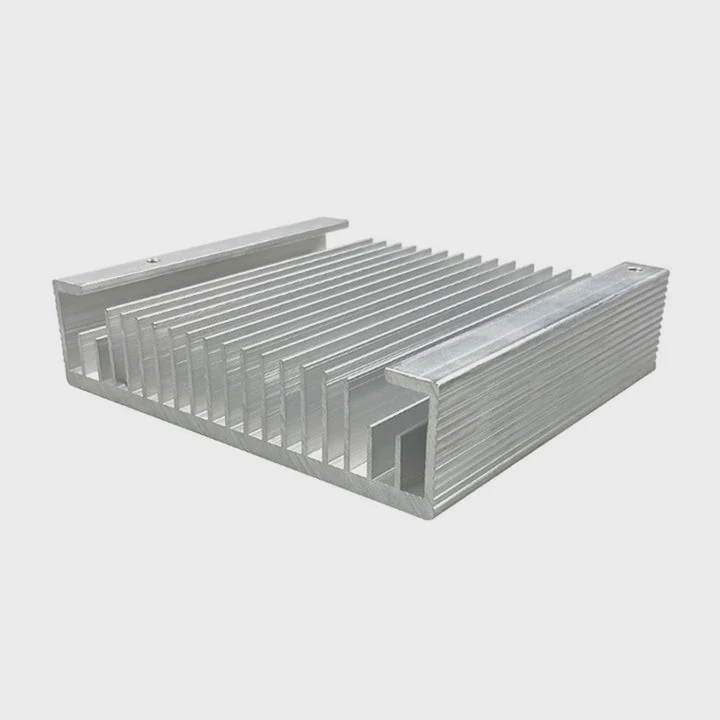
Common refund scenarios
- Amortisation only: Supplier spreads mold cost over a fixed number of units (e.g., 10,000 pcs). After that, unit price may decrease.
- Volume-based rebate: Supplier agrees to refund a portion of tooling cost after you hit a volume target (e.g., 50,000 pcs).
- Cost absorption for long-term projects: For multi-year high-volume contracts, mold costs may be waived or partially absorbed upfront.
- No refund: In low-volume or prototype production, mold cost is paid entirely by buyer with no rebate or amortisation.
Buyer tips
- Negotiate a volume commitment in writing that triggers a refund or discount.
- Ask for a “tooling credit schedule” — e.g., $10,000 credited after 100,000 pcs shipped.
- Clarify whether future part revisions require new molds (additional costs).
- Ensure you’re not paying full mold cost again for small changes or upgrades.
The higher your total volume, the better your leverage for mold refunds or long-term amortisation.
Do suppliers charge a one-time mold fee for Vapor Chambers?
Yes. Most vapor chamber manufacturers charge a separate, one-time mold fee, especially for custom designs.
This mold fee covers the design, machining, and testing of the forming tools, weld jigs, and vacuum fixtures used in production.
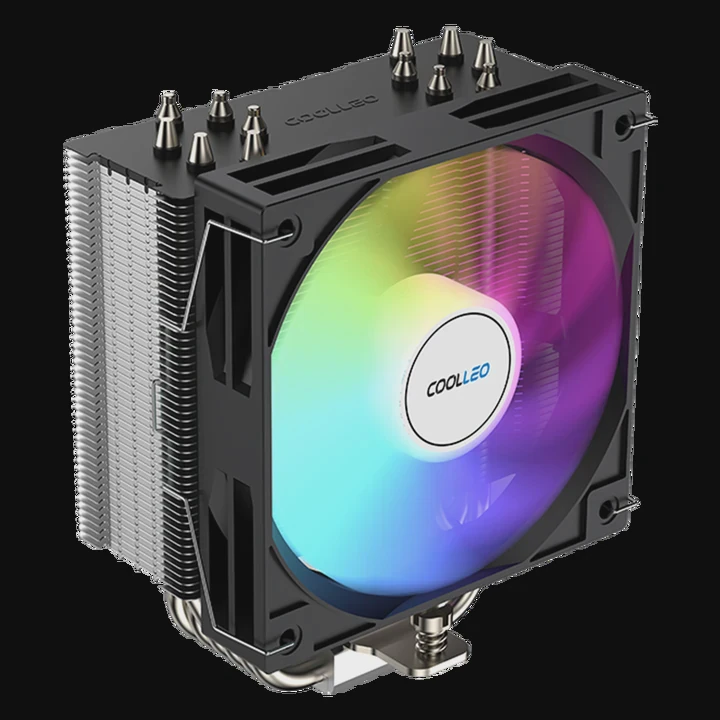
What’s included in a typical mold fee?
| Included item | Usually in fee? |
|---|---|
| Custom tool design and CAD review | ✓ |
| CNC tool steel mold block | ✓ |
| Laser weld fixtures | ✓ |
| Vacuum/pressure test jigs | ✓ |
| Initial trial run | ✓ |
| Quality validation reports | Sometimes |
| Post-delivery mold maintenance | Sometimes |
Questions to ask your supplier
- Is this mold fee one-time or will it apply to future batches?
- Will revisions be free or quoted separately?
- Who owns the mold after payment? Buyer or supplier?
- Can molds be transferred to another factory if needed?
If your vapor chamber design is stable and volume is high, you should try to negotiate a mold cost sharing model. For example: supplier absorbs part of the fee in exchange for long-term exclusivity or order guarantee.
Conclusion
Tooling cost for vapor chambers ranges from \(5,000 to over \)50,000, depending on design complexity, production volume, and required features. Advanced thermal designs, vacuum sealing, and high flatness demands push costs higher. Mold fees are typically charged one-time but can be amortised or partially refunded in high-volume contracts. Buyers should always request a breakdown of tooling cost, clarify amortisation terms, and negotiate ownership and revision rights in advance.
TAGS
Latest Articles

Volume discount levels for heat sink orders?
Buyers often ask when heat sink prices start to drop with volume. Many worry they’re overpaying for small orders. This guide explains how B2B volume pricing works for thermal components. Heat sink
21 Dec,2025
Heat sink long-term supply contract options?
Many buyers want stable pricing and reliable delivery for heat sinks. But without a clear contract, risks grow over time. This article explores how to secure better long-term supply deals. Long-term
21 Dec,2025
Tooling cost for new heat sink profiles?
Many engineers struggle to understand why tooling for custom heat sinks costs so much. They worry about budgeting and production timelines. This article breaks down the cost drivers behind tooling.
21 Dec,2025
Heat sink custom sample process steps?
Sometimes, starting a custom heat sink project feels overwhelming—too many steps, too many unknowns, and too many risks. You want a sample, but not endless delays. The process for requesting and
20 Dec,2025
Standard B2B terms for heat sink payments?
When buyers and sellers in B2B heat sink markets talk about payment, many don’t fully understand what’s standard. This can lead to delayed orders, miscommunication, and even lost business
20 Dec,2025
Heat sink pricing factors for large orders?
Heat sinks are vital for many systems. When prices rise, projects stall and budgets break. This problem can hit teams hard without warning. Large order heat sink pricing depends on many factors. You
20 Dec,2025Related Articles
- Vapor Chamber OEM price request?
- Usual payment terms for Vapor Chamber orders?
- Heat distribution comparison Vapor Chamber vs. heat pipe?
- Does Vapor Chamber require ventilation space?
- How to protect Vapor Chamber during transit?
- Vapor Chamber global sourcing strategies?
- Vapor Chamber quotation based on drawings?
- Vapor Chamber standard Incoterms for export?
- How long to prototype Vapor Chamber?
- Vapor Chamber packaging for export to USA?
- Customs documents needed for Vapor Chamber import?
- Best shipping method for Vapor Chamber?
Author
Dr. Emily Chen
Chief AI Researcher
Leading expert in thermal dynamics and AI optimization with over 15 years of experience in data center efficiency research.
Categories
Latest Products






Recommend Categories
- Liquid cooling plate Manufacturer
- Industrial Heat Sink Manufacturer
- Standard Heat Sink Manufacturer
- Aluminum Heat Sink Manufacturer
- Copper Heat Sink Manufacturer
- Anodized Heatsink Manufacturer
- Stamping heat sink Manufacturer
- Die Casting Heatsink Manufacturer
- Soldering heat sink Manufacturer
- CNC Parts Manufacturer
Latest Products
- Wholesale Aluminum Radiator
- Water Cooling Plate Kit
- Water Cooling Heat Sink
- Water Cooling Heat Sink Kit
- Stainless Steel Water Distributor
- Server Water Cooling Plate Kit
- Server Liquid Cooling System
- Server Aluminum Cooling Kit
- S19 Full Cover Cooling Plate
- S19 Cooling Plate Kit
- S19 Aluminum Cooling Plate
Contact Expert
Have questions about this article? Reach out to our experts directly.