Coating choices for Vapor Chamber exterior?
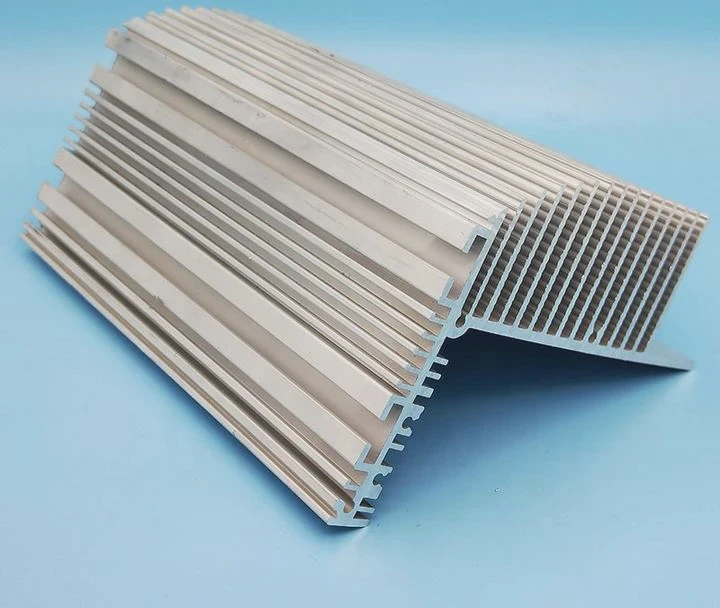
Every vapor chamber user worries about surface finish. Poor coating can lead to rust, poor reliability, or uneven cooling in harsh environments.
Surface coatings on vapor chambers often include anodizing, nickel plating, and occasionally spray‑on protective layers. These coatings help with durability, aesthetics, and environmental protection without drastic cost increase.
This article explores the most common coatings for vapor chamber exteriors. It shows how coatings influence corrosion resistance, compares nickel plating to anodizing, and checks whether coatings affect thermal performance. The goal is to help you choose wisely when specifying vapor chamber surface treatment.
What coatings are commonly used on Vapor Chamber surfaces?
Few things feel worse than seeing a shiny vapor chamber get dull or corrode too soon. Good coatings avoid that problem.
The most common coatings for vapor chambers are anodized aluminum, electroless nickel plating, and sometimes epoxy or ceramic spray coatings for special uses. These cover the main methods used in mass‑production and custom thermal products.
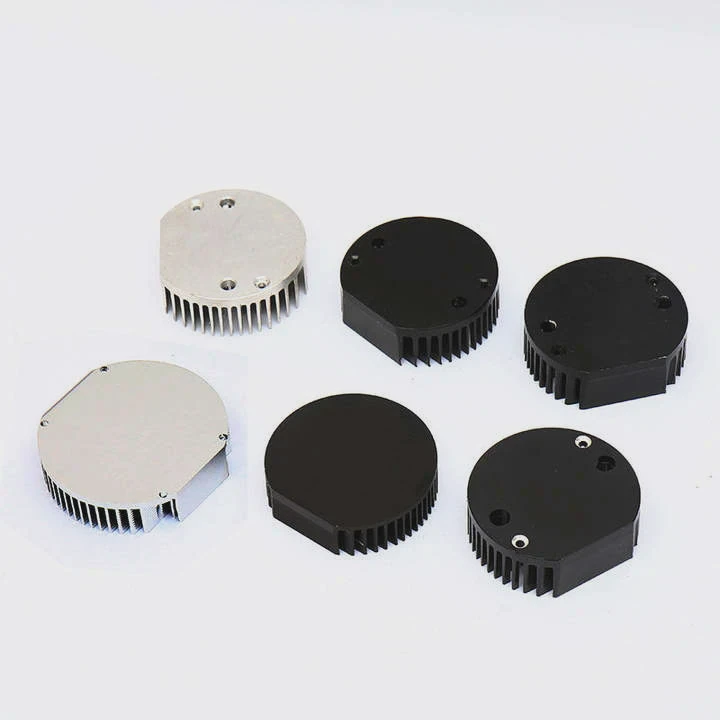
When you look at vapor chambers, you will likely find one of three surface finishes.
- Anodizing — an electrochemical process often used on aluminum vapor chambers. It converts the surface aluminum into a durable oxide layer. This layer can be thin or thick depending on specification. It keeps the metal safe from environment and gives a consistent finish.
- Electroless nickel plating — a chemical deposition that coats the base metal (aluminum or other alloy) with a nickel‑phosphorus or nickel‑boron layer. This gives a smooth, corrosion‑resistant, harder surface. It works well when you need a metal surface rather than an oxide.
- Spray coatings (epoxy, ceramic, or paint-based) — these are less common but used when parts need extra chemical resistance or special color/insulation. They are more often used for external shells than core vapor chamber surfaces.
Sometimes, manufacturers combine processes. For example, the chamber may be nickel‑plated and then a thin polymer spray applied. This happens when they want both corrosion resistance and visual conformal coating.
Overall, anodizing and nickel plating remain the most widely used coatings in vapor chamber manufacturing. The choice depends on cost, final application, and desired surface traits.
Do coatings improve corrosion resistance?
Bad coatings make a vapor chamber fail in tough environments. Good coatings extend life and reduce maintenance needs.
Yes, good coatings — especially anodizing and nickel plating — significantly improve corrosion resistance compared to bare metal surfaces. They form a protective barrier that blocks moisture, oxygen, and corrosive agents.
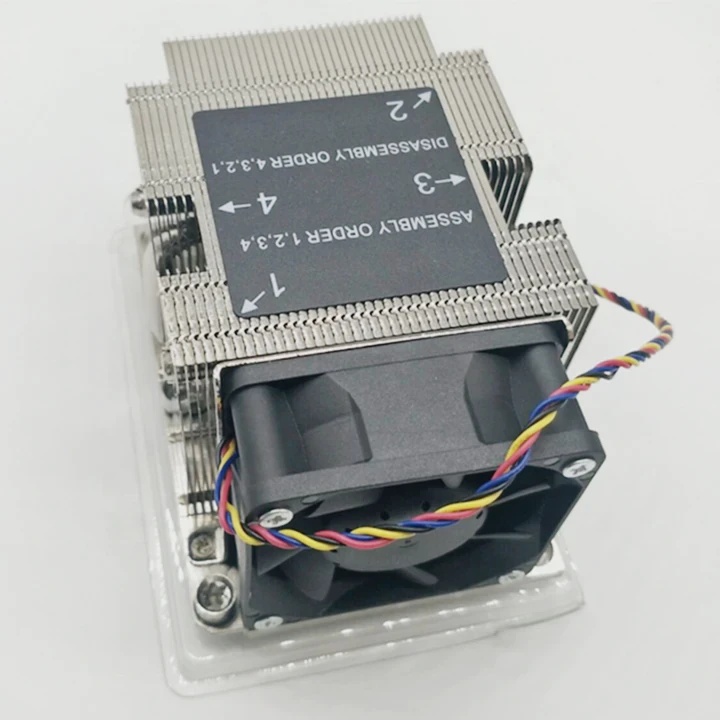
How coatings protect
| Coating Type | Protection Mechanism | Typical Benefit |
|---|---|---|
| Anodizing | Forms aluminum oxide layer, chemically stable | Good resistance to oxidation and mild salt spray |
| Electroless Nickel | Dense nickel-phosphorus layer, non‑porous | Strong barrier vs moisture and many chemicals |
| Spray coatings | Physical barrier over metal surface | Extra chemical resistance, optional insulation |
With anodized surface, the original aluminum becomes a ceramic-like oxide. This oxide layer is stable and does not rust. It slows down any reaction with water or humidity. That is why many vapor chambers use anodized finish as standard.
Electroless nickel plating adds a uniform metal layer that does not contain iron or other rust‑prone metals. The nickel‑phosphorus alloy is stable, and the layer is dense and smooth. That helps a lot if the device will face humidity, salt spray (for coastal regions), or mild chemical exposure.
Spray coatings act like a shield. They cover the metal and block direct contact with moisture or corrosive agents. However, their long-term resilience depends on quality of adhesion and proper curing. Poor spray coating may crack or peel under stress or thermal cycles, and that will expose the underlying metal.
In real use, corrosion often starts at edges or seams where coating is thinner or damaged. So uniform application matters. Quality control is key.
In summary, coatings dramatically raise corrosion resistance. Without coating, a bare vapor chamber could oxidize or corrode quickly in humid or salty environments. With coating, life of the chamber improves significantly.
Is nickel plating better than anodizing?
Choosing between two common coatings feels tricky. Many factors must be weighed.
Nickel plating offers a harder metal surface and stronger chemical resistance. Anodizing gives a lightweight, stable oxide layer. Which is better depends on the application needs. There is no universal answer.
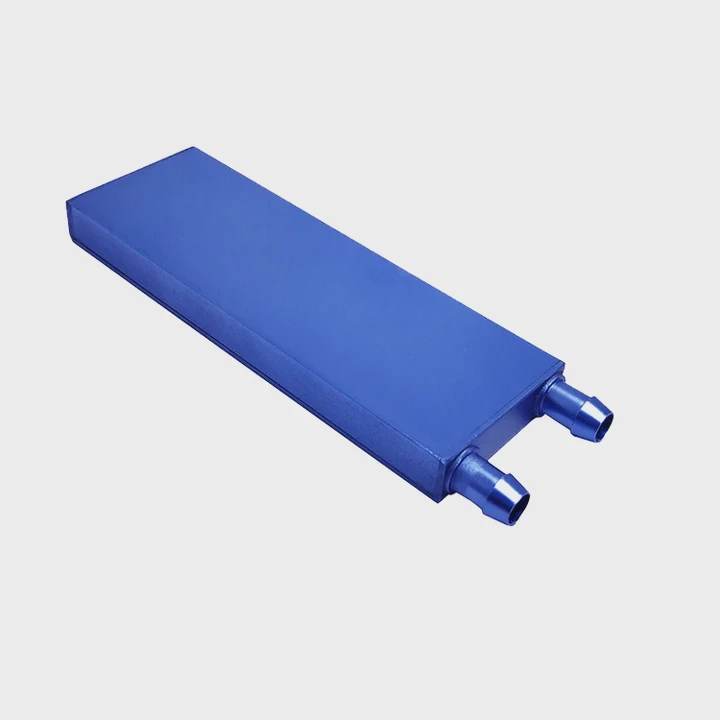
When nickel plating wins
Nickel plating can be better if the vapor chamber will face mechanical wear, heavy handling, or exposure to aggressive chemicals. The metal layer is tough. It resists scratching, abrasion, and chemicals. Nickel‑phosphorus coatings also resist many acids, alkalis, and salt environments. For parts that may be handled in manufacturing or installed in rugged equipment, that hardness and durability matter.
Another advantage is uniform coating even on complex shapes. Electroless nickel does not rely on electrical conductivity patterns, so it clings evenly on cavities, thin fins, or inner surfaces. This helps in complex vapor chamber designs with internal fins or tight corners.
When anodizing wins
Anodizing is simpler, cheaper, and adds minimal weight. The oxide layer is light. That is good for thermal parts where heat capacity and weight matter. Anodized surface stays stable across temperature cycles. It also avoids introducing a different metal — useful when you want to keep thermal expansion behavior uniform across assembly.
The oxide layer also bonds well with paint or adhesives if needed. In many thermal modules, anodized vapor chambers go straight into heat sinks or casings. The oxide finish is enough for protection with minimal cost or weight penalty.
Comparison Table
| Feature | Nickel Plating | Anodizing |
|---|---|---|
| Surface Hardness | High — harder and wear resistant | Moderate — oxide is hard but brittle |
| Chemical / Corrosion Resistance | Very good — resists many chemicals and salt spray | Good — stable oxide resists oxidation, but weaker vs harsh chemicals |
| Weight Impact | Slight increase (dense nickel layer) | Minimal impact (oxide is light) |
| Cost and Complexity | Higher cost, more process steps | Lower cost, simpler process |
| Coating Uniformity | Very uniform even on complex shapes | Good, but can thin on edges or sharp corners |
In many cases, plating may suit harsher industrial environments. Anodizing works better when designers prioritize weight, thermal neutrality, or cost.
In short: nickel plating is better for strength and chemical resistance. Anodizing is often better for thermal parts when weight and simplicity matter.
Can coatings affect thermal performance?
Many avoid talking about thermal effects. But coatings always matter in heat transfer designs.
Coatings can slightly impact thermal performance — mostly by adding thermal resistance at the interface or altering surface emissivity. In most designs the change is small. But in high‑performance cooling systems, it can matter.
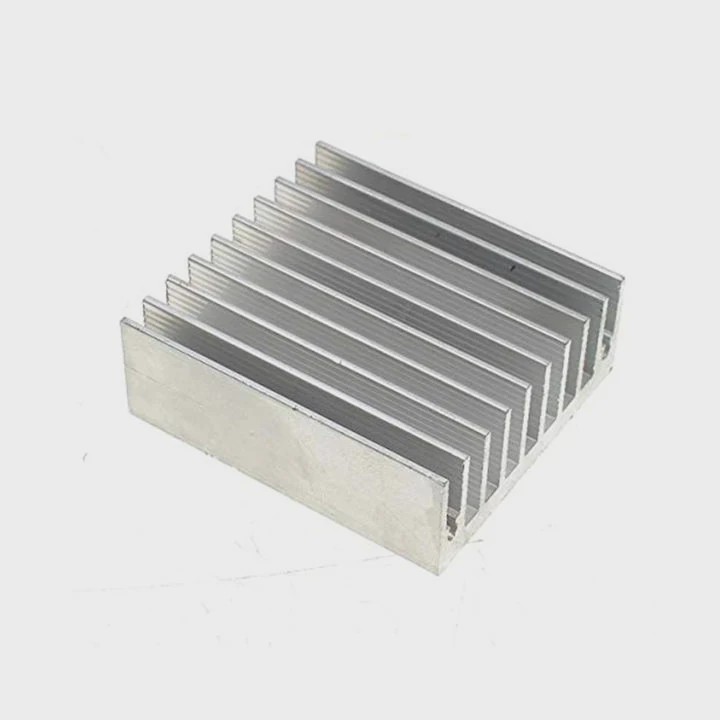
Surface conductivity and thermal resistance
A coating adds a thin layer between the metal core and the external environment. If the coating is metal-based (like nickel), its thermal conductivity is lower than bare copper or aluminum but still much higher than air or paint. The extra layer may add small thermal resistance. In many vapor chamber applications, this difference is negligible.
If the coating is non-metal (spray paint or epoxy), thermal conductivity drops a lot. That extra resistance can impair heat transfer, especially if external fins rely on conduction through the coated surface. In that case, the coating becomes a thermal bottleneck.
Surface emissivity and radiation
Another factor is surface emissivity. A coating changes how well the surface radiates heat. A dark or rough coating may increase emissivity. That helps if the device relies on radiation or convection in air. A shiny nickel layer reflects infrared; that lowers emissivity. That may slow cooling under passive conditions.
In designs where vapor chamber attaches directly to a cold plate or heat sink, emissivity matters less. Conduction dominates. In open-air or fan‑cooling systems, emissivity can play a bigger role.
Example comparison
| Cooling Scenario | Coating Type | Likely Effect on Thermal Performance |
|---|---|---|
| Direct conduction to sink | Nickel plating or anodizing | Minor difference vs bare metal |
| Air cooling with fins | Dark paint or ceramic spray | Emissivity raised → marginally better radiation cooling |
| Air cooling with shiny metal | Shiny nickel plating | Emissivity low → radiation cooling slightly weaker |
In some high‑performance systems a careful designer might choose a dark spray coating to boost radiation. In others they pick bare metal or nickel plating for conduction.
In most vapor chamber modules used in electronics or thermal equipment, the coating effect on conduction is minimal. That is because the heat path is internal and external heat sink is metal‑to‑metal.
Still: when requirements demand maximum thermal performance and lowest thermal resistance, it is wise to evaluate coating impact.
Conclusion
Coating choice matters. Anodizing, electroless nickel plating, and occasional spray coatings serve different needs. Nickel plating gives strength and chemistry resistance. Anodizing keeps weight low and is straightforward. Coatings can slightly change thermal transfer or surface radiation. Pick coating based on environment, mechanical needs, and thermal design goals.
TAGS
Latest Articles

Volume discount levels for heat sink orders?
Buyers often ask when heat sink prices start to drop with volume. Many worry they’re overpaying for small orders. This guide explains how B2B volume pricing works for thermal components. Heat sink
21 Dec,2025
Heat sink long-term supply contract options?
Many buyers want stable pricing and reliable delivery for heat sinks. But without a clear contract, risks grow over time. This article explores how to secure better long-term supply deals. Long-term
21 Dec,2025
Tooling cost for new heat sink profiles?
Many engineers struggle to understand why tooling for custom heat sinks costs so much. They worry about budgeting and production timelines. This article breaks down the cost drivers behind tooling.
21 Dec,2025
Heat sink custom sample process steps?
Sometimes, starting a custom heat sink project feels overwhelming—too many steps, too many unknowns, and too many risks. You want a sample, but not endless delays. The process for requesting and
20 Dec,2025
Standard B2B terms for heat sink payments?
When buyers and sellers in B2B heat sink markets talk about payment, many don’t fully understand what’s standard. This can lead to delayed orders, miscommunication, and even lost business
20 Dec,2025
Heat sink pricing factors for large orders?
Heat sinks are vital for many systems. When prices rise, projects stall and budgets break. This problem can hit teams hard without warning. Large order heat sink pricing depends on many factors. You
20 Dec,2025Related Articles
- How to calibrate Vapor Chamber testing equipment?
- Vapor Chamber suggested testing frequency?
- Does Vapor Chamber pass aging tests?
- Vapor Chamber for industrial automation systems?
- Can Vapor Chamber improve battery safety?
- Vapor Chamber for flexible electronics?
- Vapor Chamber weight reduction possibilities?
- Vapor Chamber prototype lead time estimate?
- Can Vapor Chamber be laser cut?
- Vapor Chamber quality documentation samples?
- Standard Vapor Chamber inspection procedure?
- Does Vapor Chamber need nitrogen environment?
Author
Dr. Emily Chen
Chief AI Researcher
Leading expert in thermal dynamics and AI optimization with over 15 years of experience in data center efficiency research.
Categories
Latest Products






Recommend Categories
- Liquid cooling plate Manufacturer
- Industrial Heat Sink Manufacturer
- Standard Heat Sink Manufacturer
- Aluminum Heat Sink Manufacturer
- Copper Heat Sink Manufacturer
- Anodized Heatsink Manufacturer
- Stamping heat sink Manufacturer
- Die Casting Heatsink Manufacturer
- Soldering heat sink Manufacturer
- CNC Parts Manufacturer
Latest Products
- Wholesale Aluminum Radiator
- Water Cooling Plate Kit
- Water Cooling Heat Sink
- Water Cooling Heat Sink Kit
- Stainless Steel Water Distributor
- Server Water Cooling Plate Kit
- Server Liquid Cooling System
- Server Aluminum Cooling Kit
- S19 Full Cover Cooling Plate
- S19 Cooling Plate Kit
- S19 Aluminum Cooling Plate
Contact Expert
Have questions about this article? Reach out to our experts directly.