Vapor Chamber weight reduction possibilities?
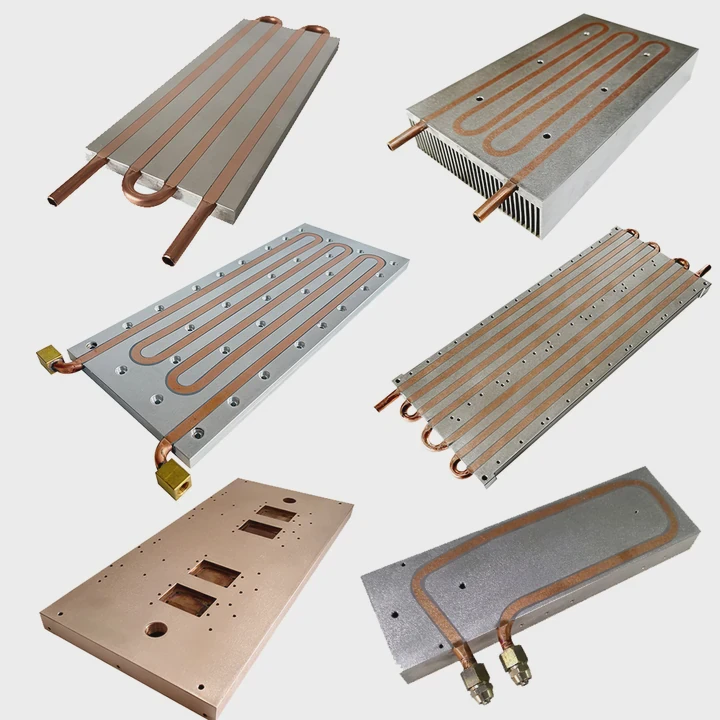
A heavy vapor chamber can slow device deployment. Reducing its weight while keeping performance is a real challenge many designers face.
It is often possible to reduce the weight of a vapor chamber without losing performance, but this must be balanced carefully with design, material choice, and manufacturing quality. The right strategies let you maintain thermal efficiency while lowering mass.
The rest of this article breaks down how weight can be cut, when it works, where risks lie, and why ultra‑light chambers matter in aerospace and high‑end systems.
Can Vapor Chamber weight be reduced without performance loss?
Sometimes designers think “lighter must mean worse heat spread.” That fear can stop them from optimizing. But with good design and smart material use, weight can drop while thermal performance stays strong.
Yes — a properly designed vapor chamber can lose mass without losing performance. Reducing internal wall thickness, optimizing internal wick or channels, and using high thermal conductivity alloys can keep heat spread and carrying capacity near original levels while cutting weight.
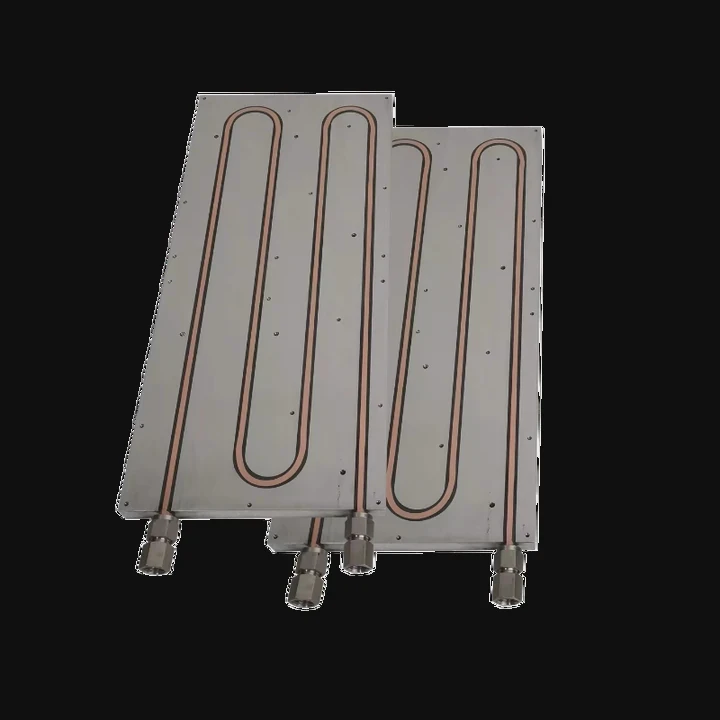
In many cases, performance depends more on internal structure and material quality than raw metal mass. If core geometry and vapor volume remain appropriate, thinning walls or using lighter alloys does not necessarily degrade thermal conduction or vapor flow. For example, internal wick or mesh thickness, vapor gap size, and contact surfaces matter more for capillary performance and heat conduction path than exterior shell mass.
Also modern manufacturing allows precise control of thickness and surface finish. That control means wall can be thin but still strong enough for vacuum, pressure, or mechanical stress. Designers often run thermal simulations and stress tests to ensure that thinner material still handles the same loads and thermal cycles.
Finally, trade‑offs between weight, cost, and reliability should be weighed. In many consumer or portable electronics, losing 20‑30% weight with negligible thermal penalty is feasible. In industrial or high‑stress environments, margin may be tighter, but careful design still achieves weight savings.
In short, it is realistic to reduce vapor chamber mass without hurting thermal performance — if the design and materials are right, and quality control is strict.
Are thinner materials viable for lightweight designs?
Using thinner metal walls or lighter alloys looks tempting. But are they really practical? Under right conditions, yes — but only if several factors are carefully managed.
Thinner materials can work well if design accounts for vapor flow, structural strength and manufacturing limits. It means validating that internal pressure, bending loads, and welding or brazing meet standards.
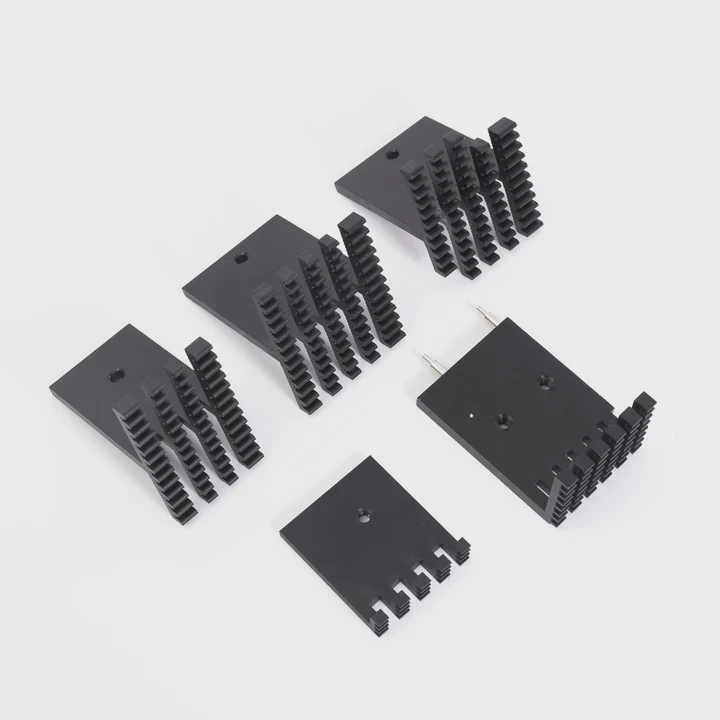
When shifting to thinner walls or lighter alloys, the following matters:
Structural strength and pressure containment
A vapor chamber holds vapor under vacuum or slight pressure difference. If walls become too thin, deformation or collapse may occur, especially under external load or during assembly. Therefore engineers must check material yield strength, stiffness, and safety margin.
Manufacturing precision and weld quality
Thin sheets require precise welding, brazing, or sealing. Flaws may cause leaks. If the joint quality degrades, performance or reliability suffers. So tight manufacturing control is essential.
Thermal path and contact quality
Thin walls may slightly deform or warp under heat. That could degrade internal contact between wick, vapor spaces, and shell. Designers must ensure flatness and contact integrity remain after fabrication and during operation.
Material selection and alloy performance
Some aluminum alloys offer better strength‑to‑weight ratio. Others resist oxidation or thermal cycling better. Using these can help keep thin walls reliable.
Here is a table summarizing typical wall‑thickness choices and viability:
| Wall thickness (typical) | Relative weight reduction | Key viability concern |
|---|---|---|
| 0.5 mm (vs 1.0 mm) | ~40–50% | Welding difficulty; risk of deformation |
| 0.7 mm | ~30–35% | Lower stiffness; needs good weld quality |
| 1.0 mm (standard) | baseline | robust but heavier |
If welding and quality control are good, 0.7 mm thickness often hits sweet‑spot: enough strength, good conduction, and noticeable weight savings. 0.5 mm can push limits; suitable for lightweight, low‑stress applications or when external support exists (e.g. enclosure or bracket).
In my past projects I saw successful use of 0.7 mm shells on vapor chambers for portable devices. The heat spread remained strong and weight dropped significantly. But only because manufacturing tolerances and weld sealing passed tight checks. Without that, thinner walls cause leaks or warping.
Therefore thinner materials are viable — but only when the whole design and manufacturing chain supports them.
What trade‑offs exist when reducing mass?
Cutting mass sounds good. But designers must watch several trade‑offs. Reducing weight can bring risks beyond just structural integrity.
Lightweight design often forces trade‑offs among mechanical strength, reliability, ease of manufacture, and sometimes long‑term durability. Trade‑offs matter most when operating in rough environments or under thermal cycling.
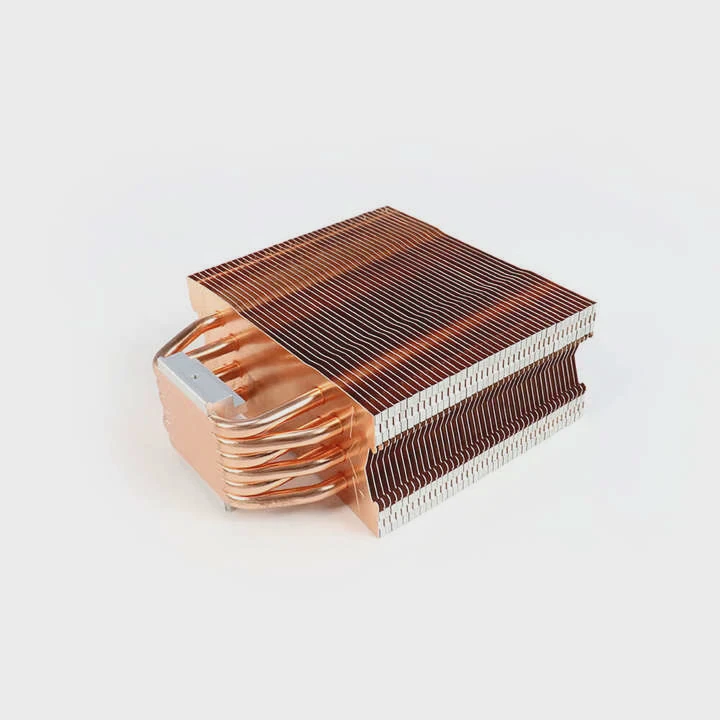
Key trade‑offs
| Trade‑off Area | What is gained with lighter design | What may be lost or risked |
|---|---|---|
| Mechanical strength | Lower mass; easier handling in assembly | Lower stiffness; risk of bending, warping, shock damage |
| Manufacturability | Lower raw material cost; less material handling | Higher precision needed; tougher welding or brazing |
| Seal and leak safety | — | Higher risk of leaks at seams or welds |
| Thermal cycle durability | — | Thin walls may fatigue under repeated heating/cooling |
| Long‑term reliability | Lower weight | Potential for failure under stress or vibration |
Further considerations
A thin shell may survive initial testing. But over many thermal cycles, repeated expansion and contraction may cause fatigue. This may lead to micro‑cracks around welds or seams. In that case the vapor chamber may lose vacuum or leak. So long‑term reliability testing becomes more important with lighter designs.
If the vapor chamber must carry mechanical load (e.g. act as part of chassis, or mounted with screws), thin walls may deform under stress. That may break contact or affect heat transfer surfaces. Designers often add ribs, external frames, or external brackets to support thin shells. That adds parts, cost, and sometimes mass back — defeating original goal.
Manufacturing cost may go up. While material cost goes down, precision welding, non‑destructive testing (e.g. X‑ray, helium leak testing), and tighter QC add labor and inspection. In many cases the cost savings from weight drop is offset by higher production scrutiny.
Also parts replacement or maintenance may become harder. A lighter vapor chamber may require gentle handling, special mounting fixtures, or controlled torque during assembly. That can slow down manufacturing or field maintenance operations.
In conclusion, designers must weigh weight savings against mechanical risks, reliability over time, manufacturing complexity, and cost. In many cases moderate thinning (like 0.7–0.8 mm) offers good balance. Aggressive thinning only suits low‑stress or well‑controlled use cases.
Do aerospace systems require ultralight chambers?
In aerospace and high‑end mobile platforms, weight matters a lot. Every gram saved helps with fuel, payload, or power budgets. So engineers often push for ultralight heat spreaders or vapor chambers.
Yes — aerospace and similar systems often require vapor chambers with minimal mass, provided they still meet stringent reliability, vibration, thermal, and structural standards. In these systems, ultralight design is not just nice, it is often essential.
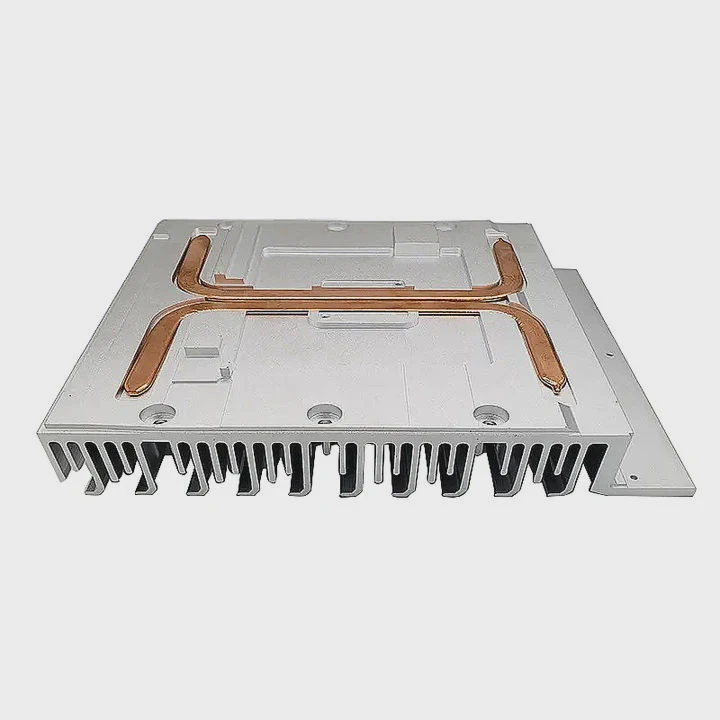
In aerospace, designers consider these demands:
Strict weight budget
Every part adds weight. Vapor chamber mass goes into total payload. Reducing even 30–40 g per unit across many units yields significant savings. That helps lower fuel consumption, increase range, or allow more payload.
Vibration and mechanical stress
Aerospace systems experience vibration, acceleration, shock, thermal cycling, and pressure variation. A lightweight chamber must handle all these without leaking or deformation. So design must include reinforced joints, strong welds, and maybe external support frames or stiffeners.
Thermal performance under worst‑case conditions
Electronics in aerospace often generate high heat but operate in harsh ambient conditions. Vapor chamber must still spread heat efficiently and interface with cold plates or radiators. Internal wick design, vapor pressure control, and external mounting influence performance as much as shell mass.
Certification and reliability testing
Aerospace parts often require certification: vibration tests, thermal shock cycles, pressure tests. A light vapor chamber must pass all. Failures in such environments are unacceptable.
Because of these requirements, aerospace vapor chambers often use: high‑strength aluminum alloys, reinforced structure, thin but carefully joined shells, external brackets or frames, and meticulous welding plus non‑destructive inspection. Sometimes external support adds small mass back, but net weight still much lower than standard heavy chambers.
Also engineers sometimes combine thin wall vapor chamber cores with carbon fiber or composite housings. Composites give structural strength, lower mass, and good insulation. The vapor core stays light. The composite shell handles mechanical loads. That hybrid design is popular for drones, satellites, high‑altitude avionics, and compact aerospace electronics.
In short, aerospace systems benefit greatly from ultralight vapor chambers. But achieving that requires careful material choice, structure design, and rigorous testing. Many lightweight solutions outside aerospace may not hold up under such harsh conditions.
Conclusion
Weight reduction for vapor chambers is feasible. Thinner shells, lighter alloys, and smart structure let mass drop while retaining thermal and mechanical function. Designers must account for strength, sealing, manufacturing quality, and long‑term reliability. In high‑demand fields like aerospace lighter chambers bring big benefits. With careful design and control, lighter does not mean worse.
TAGS
Latest Articles

Volume discount levels for heat sink orders?
Buyers often ask when heat sink prices start to drop with volume. Many worry they’re overpaying for small orders. This guide explains how B2B volume pricing works for thermal components. Heat sink
21 Dec,2025
Heat sink long-term supply contract options?
Many buyers want stable pricing and reliable delivery for heat sinks. But without a clear contract, risks grow over time. This article explores how to secure better long-term supply deals. Long-term
21 Dec,2025
Tooling cost for new heat sink profiles?
Many engineers struggle to understand why tooling for custom heat sinks costs so much. They worry about budgeting and production timelines. This article breaks down the cost drivers behind tooling.
21 Dec,2025
Heat sink custom sample process steps?
Sometimes, starting a custom heat sink project feels overwhelming—too many steps, too many unknowns, and too many risks. You want a sample, but not endless delays. The process for requesting and
20 Dec,2025
Standard B2B terms for heat sink payments?
When buyers and sellers in B2B heat sink markets talk about payment, many don’t fully understand what’s standard. This can lead to delayed orders, miscommunication, and even lost business
20 Dec,2025
Heat sink pricing factors for large orders?
Heat sinks are vital for many systems. When prices rise, projects stall and budgets break. This problem can hit teams hard without warning. Large order heat sink pricing depends on many factors. You
20 Dec,2025Related Articles
- Coating choices for Vapor Chamber exterior?
- How to calibrate Vapor Chamber testing equipment?
- Vapor Chamber suggested testing frequency?
- Does Vapor Chamber pass aging tests?
- Vapor Chamber for industrial automation systems?
- Can Vapor Chamber improve battery safety?
- Vapor Chamber prototype lead time estimate?
- Can Vapor Chamber be laser cut?
- Vapor Chamber quality documentation samples?
- Standard Vapor Chamber inspection procedure?
- Does Vapor Chamber need nitrogen environment?
- Vapor Chamber failure analysis methods?
Author
Dr. Emily Chen
Chief AI Researcher
Leading expert in thermal dynamics and AI optimization with over 15 years of experience in data center efficiency research.
Categories
Latest Products






Recommend Categories
- Liquid cooling plate Manufacturer
- Industrial Heat Sink Manufacturer
- Standard Heat Sink Manufacturer
- Aluminum Heat Sink Manufacturer
- Copper Heat Sink Manufacturer
- Anodized Heatsink Manufacturer
- Stamping heat sink Manufacturer
- Die Casting Heatsink Manufacturer
- Soldering heat sink Manufacturer
- CNC Parts Manufacturer
Latest Products
- Wholesale Aluminum Radiator
- Water Cooling Plate Kit
- Water Cooling Heat Sink
- Water Cooling Heat Sink Kit
- Stainless Steel Water Distributor
- Server Water Cooling Plate Kit
- Server Liquid Cooling System
- Server Aluminum Cooling Kit
- S19 Full Cover Cooling Plate
- S19 Cooling Plate Kit
- S19 Aluminum Cooling Plate
Contact Expert
Have questions about this article? Reach out to our experts directly.