Does Vapor Chamber need nitrogen environment?
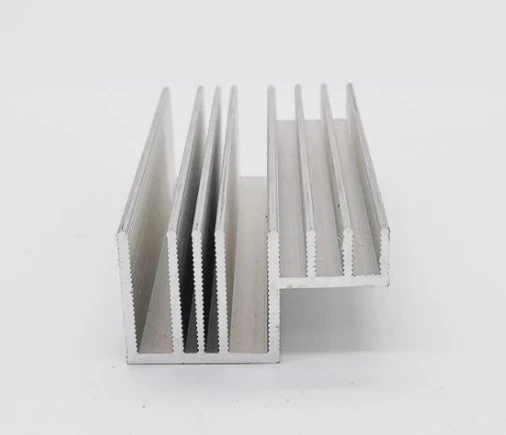
Many engineers wonder if a vapor chamber needs nitrogen. Leaks or moisture may damage performance. The thought of internal corrosion or reduced life adds worry. This question demands a clear answer to avoid costly mistakes.
Short answer: In most cases a vapor chamber does not strictly require nitrogen for storage or testing. But under some conditions — like moisture, oxidation risks, or during manufacturing — a nitrogen environment can help keep performance stable.
The answer may feel ambiguous. That is why it helps to look at various situations. Below I analyze when nitrogen helps, when it is not essential, and what trade‑offs exist. Keep reading to understand when nitrogen matters for vapor‑chamber handling or production.
Is nitrogen needed for storing or testing Vapor Chambers?
Many people fear air exposure might harm sealed devices. They wonder if storing or testing in nitrogen avoids that risk. This worry can lead to extra cost and care. Reading on will clarify.
Usually no — storage or simple testing in normal air is fine, if the chamber is sealed and dry. But in high‑humidity places or long‑term storage, nitrogen may reduce risk of moisture ingress.
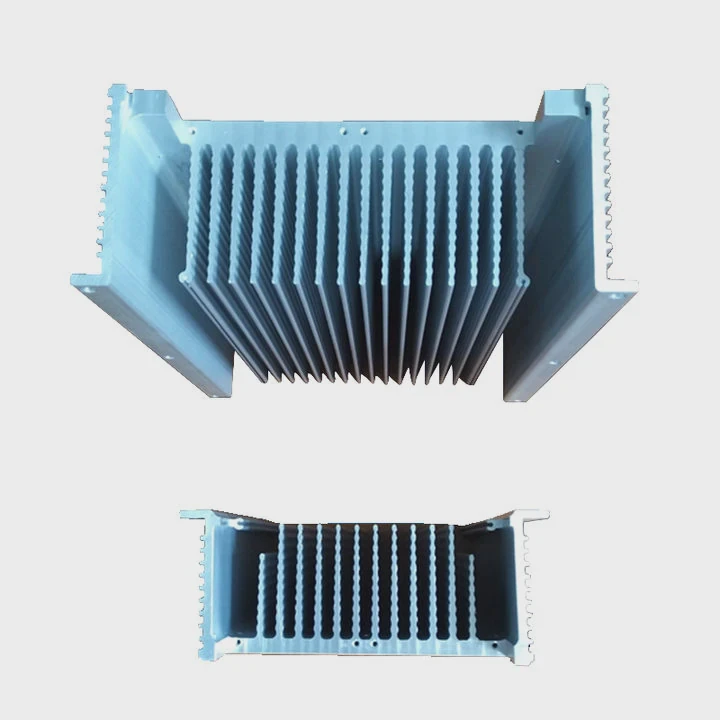
When a vapor chamber is fully sealed and the seal is robust, outside air — including oxygen and moisture — cannot reach the internal components. That makes ambient air storage acceptable. If a chamber passed leak testing and final sealing, then storing it at room conditions (dry, with moderate temperature) is usually safe.
If humidity or extreme environments apply — for example, a warehouse in a tropical climate, or storage for many months — there is a small risk of slow diffusion or micro‑leaks letting moisture in. Over long time scales, moisture inside can cause slight corrosion of internal metal surfaces, or degrade thermal paste or wick structures.
In those cases, purging with dry nitrogen (or dry air) before sealing and storing the chamber helps reduce residual moisture inside. During testing, as long as the chamber remains sealed, ambient air is fine. If tests involve thermal cycling in humid or reactive atmospheres (e.g. salt spray, high humidity), then a controlled dry nitrogen or dry air environment improves consistency and avoids corrosion or condensation that might skew results.
Thus nitrogen is not mandatory for storage/testing in most normal cases — only useful when moisture or contamination is a concern.
Do internal materials react with ambient air?
Many assume internal materials in a vapor chamber might oxidize or corrode when exposed to air. This concern can lead to nitrogen purging. The worry drives the question: Are the materials reactive? The answer affects how we handle the chamber.
Most core materials (copper, aluminum, solder) are stable when sealed. They do not react with ambient air inside a closed chamber. Reaction is unlikely unless moisture or leaks are present.
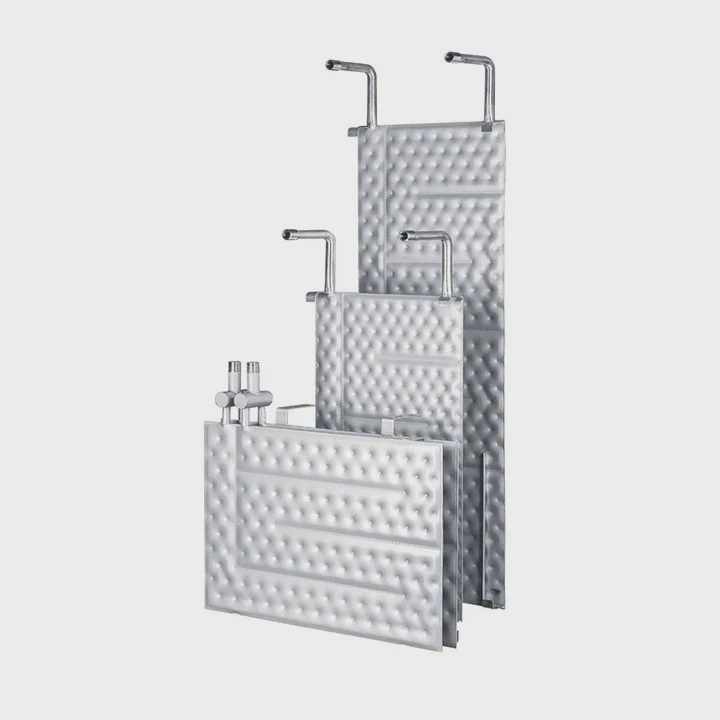
Common materials and air reaction
| Material inside vapor chamber | Typical exposure when sealed | Reaction risk in dry sealed state | Reaction risk if moisture enters |
|---|---|---|---|
| Copper tube/wall or wick | Surrounded by vacuum + vapor | Very low — copper resists oxygen without moisture | Moderate — copper may tarnish or corrode over time |
| Aluminum parts (frames, fins) | Same as above | Low — aluminum forms passive oxide layer and stays stable | Higher — moisture + oxygen may accelerate corrosion or pitting |
| Solder or brazing joints | Same environment | Low — often inert alloys | Some risk — moisture may affect flux residues or joint integrity |
| Working fluid (e.g. water, alcohol, refrigerant) | Liquid‑vapor sealed inside | No reaction | Contamination or degradation possible if air ingress occurs |
When a vapor chamber is properly sealed, the inside uses vacuum with a controlled working fluid (e.g. water or alcohol). The chamber walls and wick see no direct ambient air or moisture. That means metal parts remain stable because there is no oxygen or water to react with.
If somehow the seal fails, ambient air and moisture can slowly seep in. Over time, moisture and oxygen together could cause oxidation or corrosion. This might alter thermal conductivity or cause fluid contamination. Residues from solder flux or brazing might also react more under humidity.
So internal materials do not react as long as the chamber is sealed. Moisture plus oxygen entering through leaks or diffusion is the real concern. To be safe, some manufacturers use nitrogen purge or dry air flush before sealing.
Can nitrogen prolong component life?
Many buyers ask: if nitrogen helps avoid moisture or oxygen damage, could nitrogen storage or environment make the vapor chamber last longer? This idea appeals especially for long‑term reliability or storage before shipment.
Yes — using nitrogen or dry gas can extend lifetime when storage lasts long or ambient conditions are harsh. It has limited value once the chamber is sealed and in regular use.
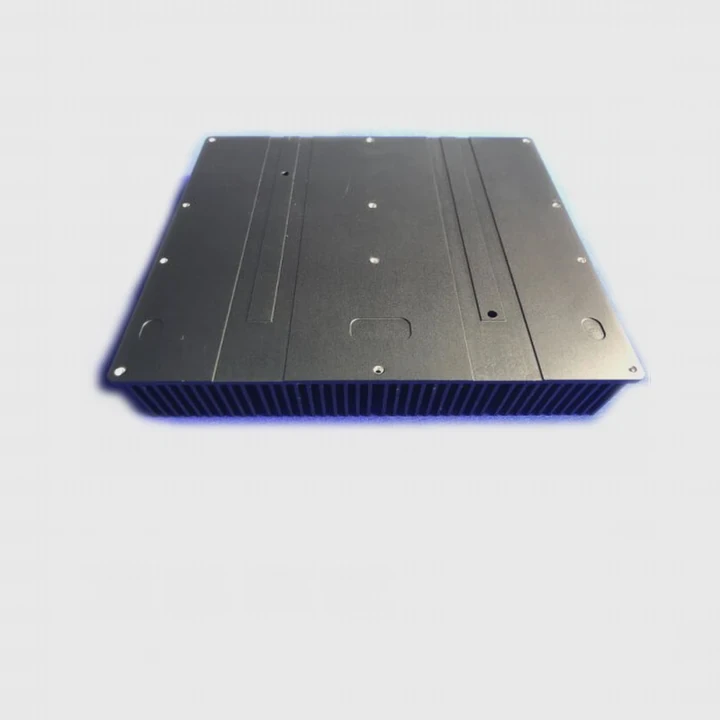
When a vapor chamber is sealed and filled correctly, the main threats to long‑term reliability come from leakage, mechanical stress, or thermal fatigue. Ambient nitrogen cannot prevent these. However, nitrogen (or dry gas) use can help at two stages: before sealing and during long storage, especially under humid or variable climate conditions.
When nitrogen helps most
- Pre‑sealing phase: Right before final sealing, flushing the internal cavity with nitrogen displaces oxygen and moisture.
- Long‑term storage in humid climates: Even sealed chambers may slowly draw in moisture over time via micro‑leaks.
Summary table of nitrogen‑benefit vs cost
| Scenario | Benefit of nitrogen/dry‑gas | Cost / Complexity | Recommendation |
|---|---|---|---|
| Pre‑seal purge | Reduces oxygen/moisture | Slight process cost | Recommended for quality build |
| Storage in high humidity | Lowers corrosion risk long‑term | Storage method cost | Use if storage > 6–12 months |
| Short term storage / ambient warehouse | Limited benefit | Extra expense | Probably not needed |
| In‑use inside final device | Negligible benefit | No effect | Not required |
Nitrogen flush or controlled storage can indeed prolong lifetime under certain conditions. But for most finished vapor chambers used quickly, the extra nitrogen adds little value.
Is nitrogen flushing used during manufacturing?
Some manufacturing processes involve welding or sealing. People worry that oxygen or moisture may remain inside and harm performance. They ask if nitrogen flushing is used in real manufacturing lines. That matters for quality.
Often yes — manufacturing lines may use nitrogen purge or dry‑gas flush before vacuum sealing or welding to improve reliability and avoid contamination.
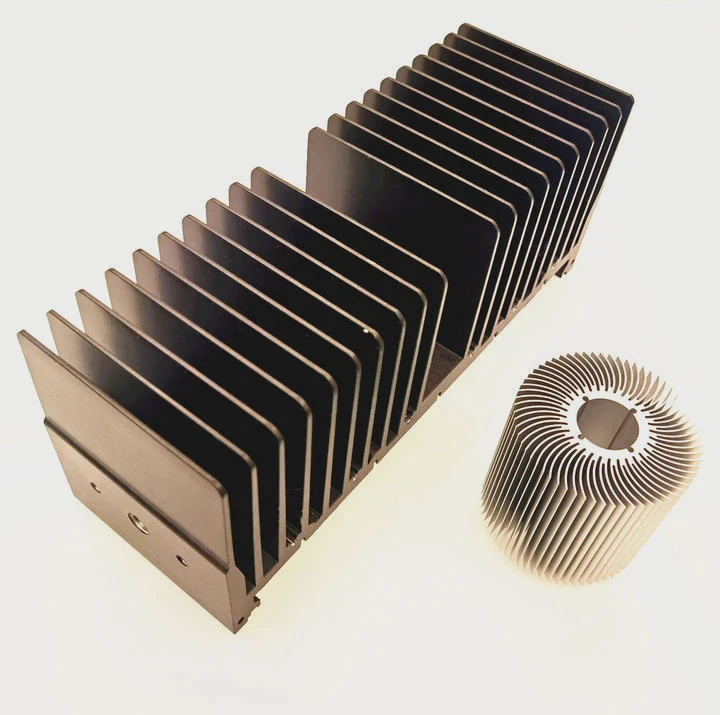
In many factories, the vapor chamber process includes forming parts, assembling wick, vacuum drying, filling, then sealing by soldering or welding. Before sealing, factories flush the inside with nitrogen or dry air. This removes oxygen and moisture.
This step helps:
- Avoid oxidation during welding — oxygen causes weak welds or residue.
- Reduce moisture inside — moisture leads to corrosion, fluid degradation, or gas bubbles under thermal cycling.
Typical Manufacturing Steps (with nitrogen flush)
| Step | Purpose |
|---|---|
| Wick + cavity assembly | Mechanical setup |
| Nitrogen / dry-air flush | Remove moisture, displace oxygen |
| Vacuum drying | Evaporate remaining gas or water |
| Working fluid fill | Add water or refrigerant |
| Final vacuum + sealing | Create sealed, stable internal environment |
| Leak / QC testing | Check for seal integrity |
High-quality manufacturers — especially for aerospace or telecom — always use nitrogen flushing. It is part of robust quality control. Lower-cost vendors may skip it, risking internal contamination.
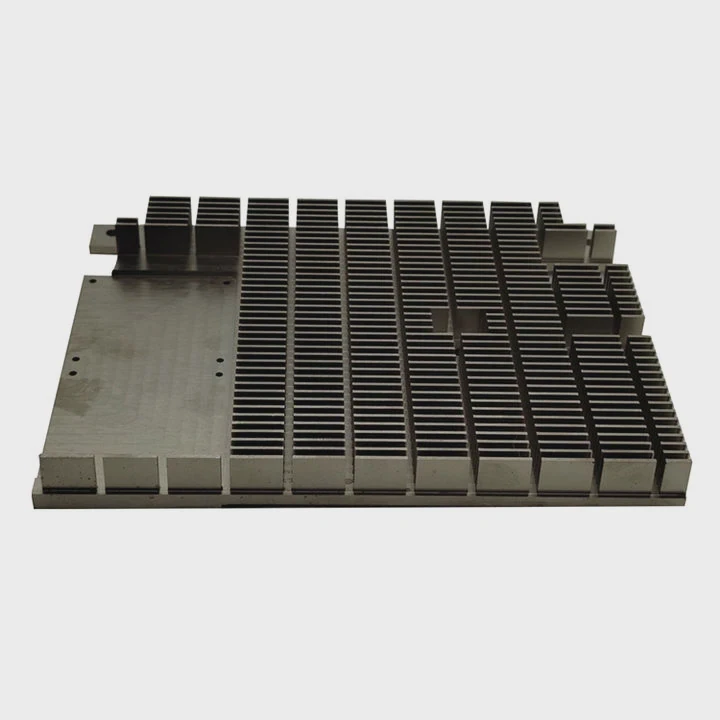
Buyers should ask if nitrogen purge, vacuum drying, and leak testing are used. These steps improve long-term stability. Process documentation and gas purity data help verify claims.
Conclusion
Nitrogen environment is not always needed for vapor chambers. For sealed, dry parts used and tested soon, ambient air works fine. Nitrogen helps mostly during manufacturing, pre‑seal phase, or long storage under humid conditions. If reliability and long life matter, a nitrogen or dry‑gas procedure adds real value.
TAGS
Latest Articles

Volume discount levels for heat sink orders?
Buyers often ask when heat sink prices start to drop with volume. Many worry they’re overpaying for small orders. This guide explains how B2B volume pricing works for thermal components. Heat sink
21 Dec,2025
Heat sink long-term supply contract options?
Many buyers want stable pricing and reliable delivery for heat sinks. But without a clear contract, risks grow over time. This article explores how to secure better long-term supply deals. Long-term
21 Dec,2025
Tooling cost for new heat sink profiles?
Many engineers struggle to understand why tooling for custom heat sinks costs so much. They worry about budgeting and production timelines. This article breaks down the cost drivers behind tooling.
21 Dec,2025
Heat sink custom sample process steps?
Sometimes, starting a custom heat sink project feels overwhelming—too many steps, too many unknowns, and too many risks. You want a sample, but not endless delays. The process for requesting and
20 Dec,2025
Standard B2B terms for heat sink payments?
When buyers and sellers in B2B heat sink markets talk about payment, many don’t fully understand what’s standard. This can lead to delayed orders, miscommunication, and even lost business
20 Dec,2025
Heat sink pricing factors for large orders?
Heat sinks are vital for many systems. When prices rise, projects stall and budgets break. This problem can hit teams hard without warning. Large order heat sink pricing depends on many factors. You
20 Dec,2025Related Articles
- Standard Vapor Chamber inspection procedure?
- Vapor Chamber quality documentation samples?
- Can Vapor Chamber be laser cut?
- Vapor Chamber prototype lead time estimate?
- Vapor Chamber weight reduction possibilities?
- Coating choices for Vapor Chamber exterior?
- Vapor Chamber failure analysis methods?
- Vapor Chamber industry certification list?
- Does Vapor Chamber meet aerospace standards?
- Vapor Chamber import regulations in USA?
- Vapor Chamber REACH analysis documentation?
- How to calculate Vapor Chamber efficiency?
Author
Dr. Emily Chen
Chief AI Researcher
Leading expert in thermal dynamics and AI optimization with over 15 years of experience in data center efficiency research.
Categories
Latest Products






Recommend Categories
- Liquid cooling plate Manufacturer
- Industrial Heat Sink Manufacturer
- Standard Heat Sink Manufacturer
- Aluminum Heat Sink Manufacturer
- Copper Heat Sink Manufacturer
- Anodized Heatsink Manufacturer
- Stamping heat sink Manufacturer
- Die Casting Heatsink Manufacturer
- Soldering heat sink Manufacturer
- CNC Parts Manufacturer
Latest Products
- Wholesale Aluminum Radiator
- Water Cooling Plate Kit
- Water Cooling Heat Sink
- Water Cooling Heat Sink Kit
- Stainless Steel Water Distributor
- Server Water Cooling Plate Kit
- Server Liquid Cooling System
- Server Aluminum Cooling Kit
- S19 Full Cover Cooling Plate
- S19 Cooling Plate Kit
- S19 Aluminum Cooling Plate
Contact Expert
Have questions about this article? Reach out to our experts directly.