Can Vapor Chamber improve battery safety?
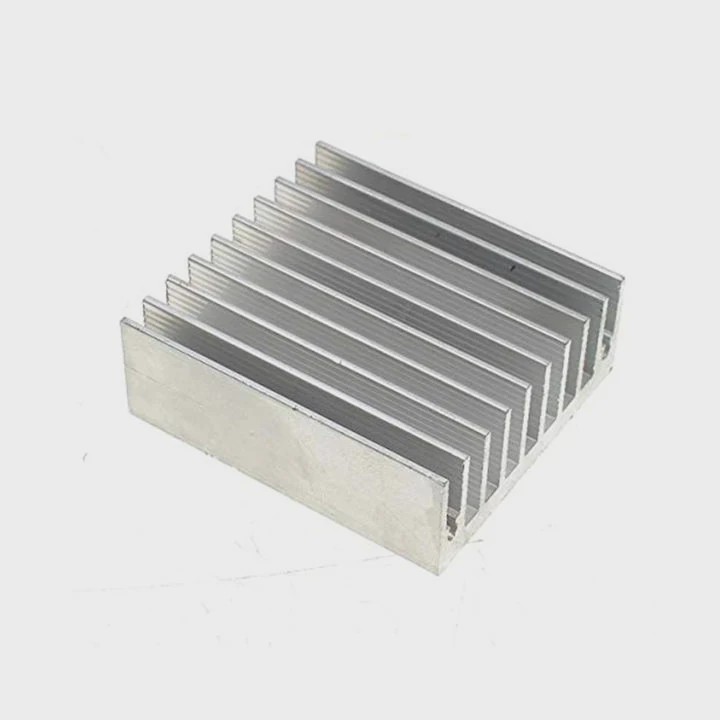
Battery fires and thermal runaway can destroy devices and threaten lives. When heat builds faster than it leaves, danger grows. Vapor chambers may offer a key to safer batteries by improving heat control.
Vapor chambers — if properly integrated — can help reduce battery overheating and may lower fire‑risk, but they are not a full guarantee. Their benefit depends on design, integration, and rigorous safety testing.
This article explores whether vapor‑chamber cooling can reduce battery fire risk, how much it helps with heat‑spread, whether passive cooling is enough, and whether safety testing with vapor chambers exists.
Does Vapor Chamber cooling reduce battery fire risk?
Heat is the root cause of many battery fires. If a battery pack overheats or one cell goes into thermal runaway, high temperature can propagate to adjacent cells. Better heat dissipation can reduce that risk.
Yes — by improving heat spread and lowering peak temperatures inside a battery pack, vapor chamber cooling can reduce the likelihood of thermal runaway and thereby lower fire risk.
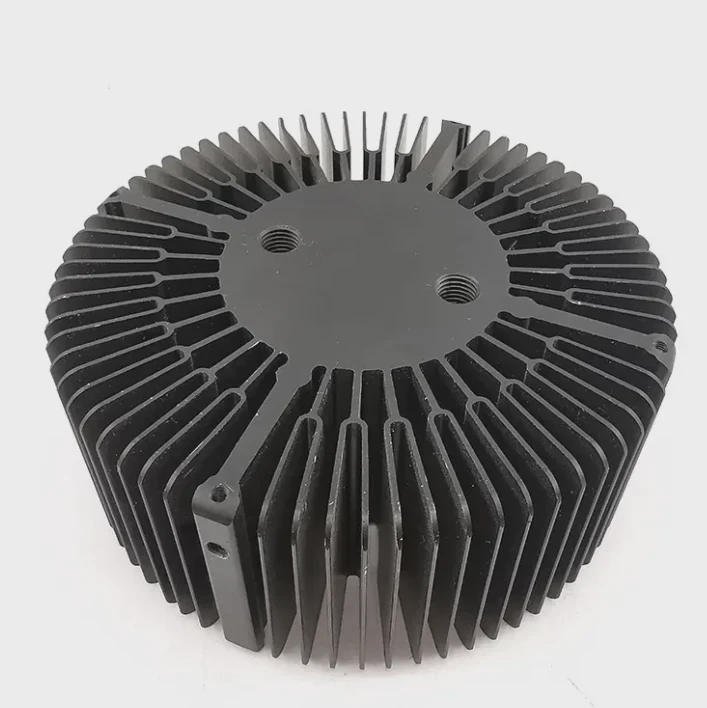
Vapor chambers have very low thermal resistance compared to many conventional passive cooling methods. For battery modules, vapor chambers can be placed between cells and housing or between cell surfaces to increase heat conduction.
By spreading heat quickly across a wider surface, they help avoid local “hot spots” inside the battery pack. In high‑power discharge or charge conditions, cells produce heat unevenly. A vapor chamber smooths temperature differences, reducing hotspots that could trigger thermal runaway.
Thermal control benefits of vapor chambers:
| Feature | Effect on battery safety |
|---|---|
| Heat spreading | Reduces local temperature spikes |
| Low thermal resistance | Keeps overall temperature lower |
| Lightweight | Does not add much mass to battery pack |
| No moving parts | Increases system reliability |
However, vapor chambers alone cannot eliminate all fire risk. Battery safety depends on the cell chemistry, internal cell protection, battery management system (BMS), manufacturing quality, and other thermal‑management components. Vapor chambers only help manage heat flow; they do not prevent internal defects, over‑charging, mechanical damage, or misuse.
Are thermal events minimized with better heat spread?
If heat spreads and dissipates faster, thermal gradients across the battery pack become smaller. That helps avoid stress, overheating, and cascading failures between cells.
Better heat spread from vapor chambers can reduce thermal gradients and temperature spikes — key factors in minimizing thermal events.
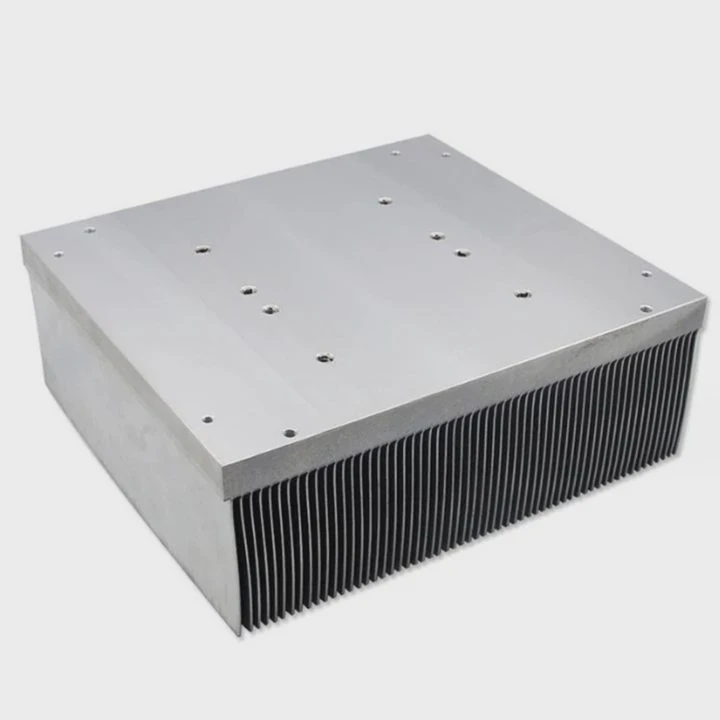
In a battery pack, uneven heating may cause one cell to run hotter than others. That cell may degrade faster, or worse, enter thermal runaway. By using a vapor chamber to bridge cells or couple cells to housing, heat from an overheating cell can diffuse to neighboring regions or to heatsinks more evenly. This reduces the chance of a single cell overheating dangerously while others stay cool.
Why heat spread matters
- Thermal gradients create internal pressure differences
- Hot cells degrade faster and age unevenly
- Uneven heat buildup triggers cascading cell failures
Studies of heat‑management in lithium‑ion battery modules show that systems combining phase‑change materials (PCM), heat pipes or vapor‑chamber style conduction, and active cooling significantly improve temperature uniformity across cells.
More uniform temperature means stress on individual cells lowers. That decreases risk of one cell going out of spec and triggering chain reactions. Thermal events such as thermal runaway or capacity loss from overheating are less likely when thermal management keeps temperature within safe ranges.
Nevertheless, thermal events can also be triggered by non‑thermal causes: manufacturing defects, mechanical damage, overcharging, or abuse. Vapor chambers do not address those. They only mitigate thermal triggers.
Can passive cooling prevent battery overheating?
Passive cooling (no fans, pumps, or moving parts) is desirable: simpler, lighter, more reliable. Vapor chambers work passively — using phase change and conduction to move heat. But is passive cooling sufficient to prevent battery overheating under heavy load?
Vapor‑chamber passive cooling can help significantly, but for high‑power or rapid‑charge/discharge batteries, passive cooling alone may not always suffice. Hybrid systems often perform better.
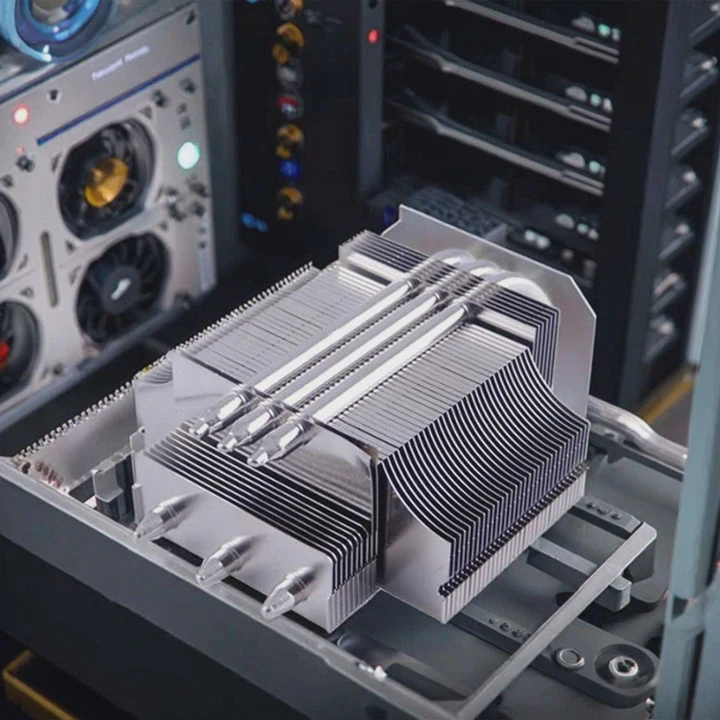
Vapor chambers have shown strong thermal performance due to low thermal resistance and efficient internal heat transfer. New designs — including thin vapor chambers with advanced wick or wick‑less structures — can handle high heat flux over small thickness.
In battery packs under moderate loads, such passive cooling may be enough to keep temperatures in safe range, especially when combined with good cell arrangement and heat‑path design.
But real‑world battery use — fast charging, high discharge, compact packing, limited external cooling — can generate more heat than passive conduction can safely dissipate. In such cases, passive cooling may delay but not prevent overheating. Many recent battery‑thermal‑management designs for electric vehicles and energy‑storage systems use hybrid cooling: combining passive elements (like phase‑change materials or vapor chambers) with active cooling (liquid cooling, air flow, coolant channels).
Passive vs Hybrid Cooling Systems:
| System Type | Pros | Cons |
|---|---|---|
| Passive only (VC) | Simple, quiet, reliable | Limited by thermal load |
| Hybrid (VC + active cooling) | Handles higher stress, balanced | More complex, costlier |
These hybrid systems deliver better temperature control under stress. They handle peak loads, help even battery temperature, and reduce reliance on bulky active systems by sharing load with passive parts.
Therefore, vapor‑chamber passive cooling improves safety and reliability especially under typical loads. But for high‑stress battery operation, combining with active cooling gives more robust protection.
Is safety testing done with integrated Vapor Chambers?
For vapor chambers to be trusted in battery systems, manufacturers must test battery packs with vapor‑chamber thermal management under realistic stress: high current, cycles, abuse, environmental extremes.
Some studies and recent research explore battery thermal management systems that integrate vapor chambers (or related phase‑change components), but full public data on long‑term safety testing remains limited.

There is growing academic and industry research on “hybrid battery thermal management systems (BTMS)” that combine conduction (via vapor chamber / heat pipe), passive phase‑change materials, and active cooling channels.
In one such study, the hybrid cooling system reduced the peak battery temperature under load, improving thermal uniformity and reducing stress on cells.
In work focusing specifically on vapor‑chamber designs, newer thin wick‑free vapor chambers have been tested for thermal resistance, power‑handling capacity and reliability under varying heat loads.
Typical testing scope for VC battery packs:
| Test Category | Description | Goal |
|---|---|---|
| Thermal stress test | Charge/discharge cycles under heavy load | Identify overheating points |
| Environmental test | Exposure to high/low temperature, humidity | Verify chamber reliability |
| Mechanical stress | Shock, vibration, compression tests | Ensure chamber does not leak or deform |
| Abuse test | Overcharge, short circuit, thermal runaway simulation | Evaluate containment and propagation behavior |
However, most publicly available studies remain at the “thermal performance” level: they show temperature reductions under load or improved heat spread. Few public studies show full battery‑lifecycle tests (many charge/discharge cycles, abuse tests, environmental stress, safety/failure tests) for battery packs that use vapor‑chamber cooling.
Moreover, many battery‑thermal‑management research efforts favor liquid cooling or PCM + liquid cooling (especially for high‑energy/power packs) rather than rely solely on passive vapor‑chamber conduction.
Therefore, while integration of vapor chambers in battery systems is under study, public safety testing data remains limited. For commercial battery products, safety certification still depends heavily on cell design, BMS, pack design, and external cooling or thermal management. Vapor chambers may be part of that design, but they are not yet a universal safety guarantee backed by broad public data.
Conclusion
Vapor chambers offer real thermal benefits for battery systems. They can improve heat spread, reduce hotspots, and lower peak temperatures. That helps reduce risk of thermal runaway triggered by overheating.
But passive cooling alone may not always suffice under high‑stress conditions. Hybrid thermal management — combining vapor chambers with active cooling or phase‑change materials — tends to give stronger safety margins.
Finally, though research into vapor‑chamber–enabled battery cooling grows, long‑term public safety data — especially tests under abuse or extreme conditions — remains limited. For full battery safety, vapor chambers are best used as part of a broader safety and thermal‑management strategy.
TAGS
Latest Articles

Volume discount levels for heat sink orders?
Buyers often ask when heat sink prices start to drop with volume. Many worry they’re overpaying for small orders. This guide explains how B2B volume pricing works for thermal components. Heat sink
21 Dec,2025
Heat sink long-term supply contract options?
Many buyers want stable pricing and reliable delivery for heat sinks. But without a clear contract, risks grow over time. This article explores how to secure better long-term supply deals. Long-term
21 Dec,2025
Tooling cost for new heat sink profiles?
Many engineers struggle to understand why tooling for custom heat sinks costs so much. They worry about budgeting and production timelines. This article breaks down the cost drivers behind tooling.
21 Dec,2025
Heat sink custom sample process steps?
Sometimes, starting a custom heat sink project feels overwhelming—too many steps, too many unknowns, and too many risks. You want a sample, but not endless delays. The process for requesting and
20 Dec,2025
Standard B2B terms for heat sink payments?
When buyers and sellers in B2B heat sink markets talk about payment, many don’t fully understand what’s standard. This can lead to delayed orders, miscommunication, and even lost business
20 Dec,2025
Heat sink pricing factors for large orders?
Heat sinks are vital for many systems. When prices rise, projects stall and budgets break. This problem can hit teams hard without warning. Large order heat sink pricing depends on many factors. You
20 Dec,2025Related Articles
- Vapor Chamber for flexible electronics?
- Typical porosity limits for Vapor Chamber material?
- Vapor Chamber bonding adhesive requirements?
- Can Vapor Chamber reduce overheating issues?
- Vapor Chamber for handheld electronics?
- Does Vapor Chamber increase performance stability?
- Vapor Chamber for industrial automation systems?
- Does Vapor Chamber pass aging tests?
- Vapor Chamber suggested testing frequency?
- How to calibrate Vapor Chamber testing equipment?
- Coating choices for Vapor Chamber exterior?
- Vapor Chamber weight reduction possibilities?
Author
Dr. Emily Chen
Chief AI Researcher
Leading expert in thermal dynamics and AI optimization with over 15 years of experience in data center efficiency research.
Categories
Latest Products
Recommend Categories
- Liquid cooling plate Manufacturer
- Industrial Heat Sink Manufacturer
- Standard Heat Sink Manufacturer
- Aluminum Heat Sink Manufacturer
- Copper Heat Sink Manufacturer
- Anodized Heatsink Manufacturer
- Stamping heat sink Manufacturer
- Die Casting Heatsink Manufacturer
- Soldering heat sink Manufacturer
- CNC Parts Manufacturer
Latest Products
- Wholesale Aluminum Radiator
- Water Cooling Plate Kit
- Water Cooling Heat Sink
- Water Cooling Heat Sink Kit
- Stainless Steel Water Distributor
- Server Water Cooling Plate Kit
- Server Liquid Cooling System
- Server Aluminum Cooling Kit
- S19 Full Cover Cooling Plate
- S19 Cooling Plate Kit
- S19 Aluminum Cooling Plate
Contact Expert
Have questions about this article? Reach out to our experts directly.