Vapor Chamber suggested testing frequency?
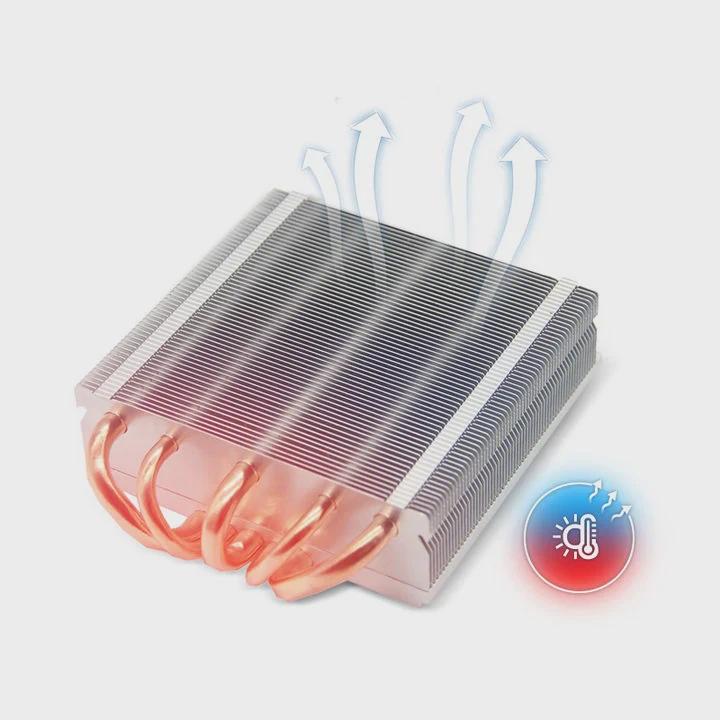
Devices often run hot and cooling modules fail over time. Many teams worry when a vapor chamber may degrade silently.
Vapor chambers should follow a structured QA testing cycle including initial validation, periodic retesting for mass production, and extra checks for high‑performance units.
This article outlines recommended testing frequency and methods for reliable vapor‑chamber deployment at scale.
How often should Vapor Chambers be tested in QA?
Building vapor chambers involves many variables. Mistakes can lead to leaks, reduced thermal performance or even failure.
At minimum, each vapor chamber design should go through three QA tests: prototype test, pre‑production batch test, and post‑production random‑sampling.

A robust QA plan begins early. First test comes after a prototype is assembled. Designers confirm sealing, wick quality, vacuum integrity, fluid balance, and thermal performance. Only after the prototype passes those checks should design move to batch production.
After the first small batch (pre‑production), a second QC run should test multiple units under thermal cycling. That reveals issues like micro‑leaks or wick settling over cycles. This pre‑production test helps catch systematic issues before full scale-up.
Once full production begins, periodic random‑sampling from each batch should verify consistency. These samples undergo leak tests, thermal performance measurements, and visual inspection before shipping. This helps ensure manufacturing stability and early detection of drift in process quality.
This QA scheme sets a baseline layer of quality protection. It balances resource use and risk. As next parts show, heavy‑duty or high‑power applications need more frequent and deeper checks.
Is periodic retesting required for mass batches?
Mass‑production often introduces variation. Minor shifts in materials, welding temperature, or wick consistency can degrade performance.
Yes. Periodic retesting (for example, every 5000–10,000 units or every production lot) is required to maintain quality and detect deviations.
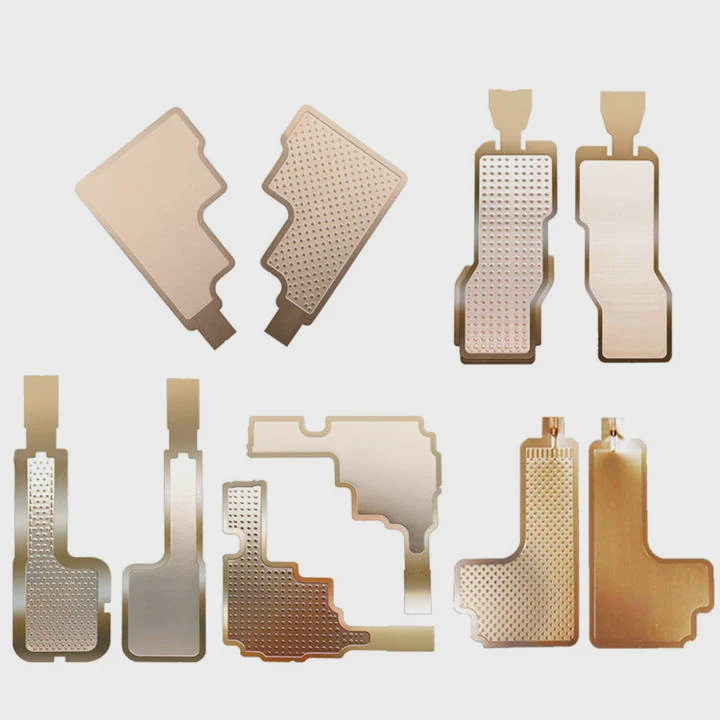
When producing vapor chambers at scale, small deviations in process variables can accumulate into serious quality issues. A batch‑level retest helps catch deviations early.
Importance of batch‑level retesting
Variation in raw materials
Metal sheets, filler, wick mesh, and brazing alloys may vary batch to batch. These variations can affect wall integrity, wick porosity, wetting behavior, or sealing stress. Without retesting, some units might leak or under‑perform thermal expectations.
Process drift over time
Welding temperature, furnace calibration, vacuum duration, fluid fill volume — all can slowly drift as equipment ages or maintenance is deferred. An occasional retest helps catch drift before many faulty units ship.
Spotting assembly defects
In mass production, assembly errors may reappear occasionally — slight misalignment, poor weld, or incomplete vacuum. Random‑sample retest can catch those before they affect customers.
Suggested retest schedule
| Trigger / Interval | Recommended Action | Main Focus |
|---|---|---|
| Every 1,000 units (small batch) | Full thermal & leak test | Process stability check |
| Every production lot (e.g. 5,000–10,000 units) | Random sampling of 1–5% of lot | Leak, vacuum integrity, fluid fill, thermal performance |
| After maintenance / tooling change | Start new lot test validations | Catch equipment‑related deviations |
| Annual audit (for regulatory or compliance markets) | Batch retest + sample long‑term soak | Long‑term reliability and quality audit |
This schedule balances cost and risk. It does not test every unit — but ensures enough coverage to catch systematic problems and recalls before wider distribution.
In my view, skipping batch‑level retests often leads to silent failures or customer complaints down the line.
Do high-performance units need more frequent checks?
High‑power devices push vapor chambers hard. Servers, GPUs, EV power electronics operate under stress and variation.
Yes. High‑performance or mission‑critical vapor chambers demand more frequent QA — including thermal‑cycle stress testing, extended soak tests, and periodic revalidation under full load.
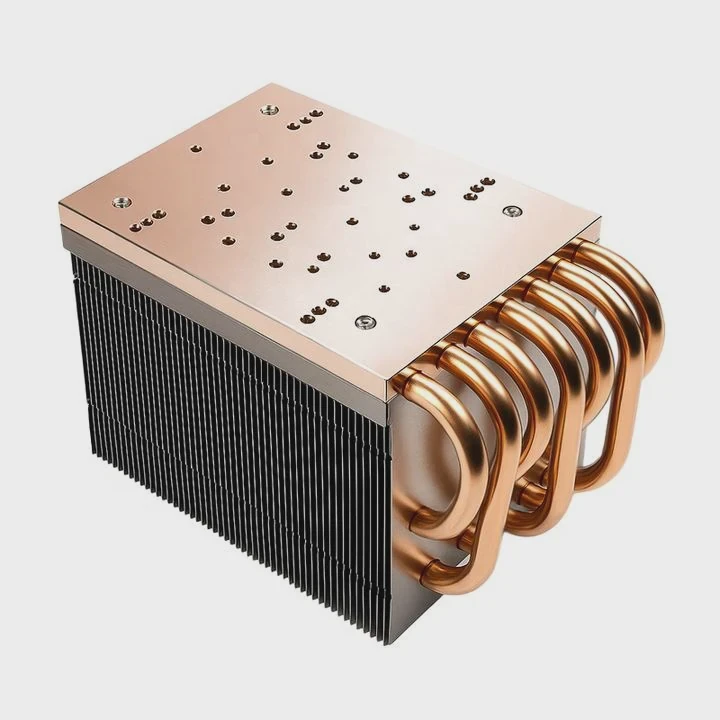
High‑power or high‑flux systems cause internal stress that is more likely to expose flaws. Regular random sampling may not catch issues that only show under heavy, repeated load. More thorough, frequent testing becomes necessary for reliability.
What extra testing is involved
- Thermal cycling between low and high temperatures repeatedly (e.g. –20 °C to 85 °C, 100+ cycles) to test structural integrity and fluid stability.
- High‑flux soak tests running at max heat load for extended periods (e.g. 48–72 hours) to detect dry‑out or wick failure.
- Leak and vacuum retention tests after stress — to confirm sealing remains sound under stress.
- Pressure/ vibration / mechanical stress tests if unit is used in mobile or harsh‑environment applications (automotive, industrial, aerospace).
Recommended frequency for high‑performance modules
| Usage Scenario | Suggested QA Frequency | Comments |
|---|---|---|
| Server / GPU rack modules | Every 100–300 units + monthly lot audit | Thermal / leak stability under heavy load |
| EV power module or battery cooling | Each batch + post‑thermal‑cycle test | Safety‑critical, high‑current heat stress |
| Telecom / industrial power electronics | Each batch + quarterly reliability test | Long duty cycles and variable load |
| Consumer high‑end laptops / GPUs | Lot sampling + multi‑cycle soak test per quarter | Ensuring consistency per generation |
In high‑performance use, QA must not assume uniform stress: each new batch or design revision should trigger full validation. This approach ensures reliability under all circumstances.
Are usage hours tracked for revalidation?
Thermal components degrade over time. Working fluid may evaporate slowly, wick pores may clog, or micro‑leaks may develop.
Yes — for critical or long‑lifetime products, tracking usage hours and scheduling revalidation or replacement improves reliability and customer trust.
Many products benefit from an in‑service monitoring and maintenance plan. Vapor chambers in servers, EVs, or industrial equipment are good candidates.
Benefits of tracking and revalidation
- Proactive failure prevention: Detect gradual performance loss before catastrophic failure.
- Maintenance scheduling: Align cooling module checks with system maintenance cycles.
- Warranty and reliability documentation: Provide evidence of long‑term stability or need for replacement.
- Quality feedback for manufacturing: Tracking life helps understand whether failures are due to design, materials or usage.
Recommended usage tracking & re‑test scheme
| Product Type | Usage Tracking Needed? | Revalidation Interval | Action on Failure |
|---|---|---|---|
| Data‑center servers | Yes (power‑on hours logged) | Every 18–24 months or after 10,000 hours | Thermal test, leak check, possible replacement |
| EV battery/power modules | Yes (drive hours + thermal cycles) | Every 12–18 months or 15,000 driving hours | Thermal and leak validation, fluid refill or replacement |
| Industrial power systems | Yes (operation hours + load cycles) | Annually or after heavy use cycles | Full check + maintenance as needed |
| Consumer laptops / devices | Optional (battery cycles) | End of warranty or after 2–3 years | Basic leak and thermal check if re‑used |
This scheme helps catch aging‑related degradation — especially useful when vapor chambers are part of long‑service systems.
Implementation considerations
- Logging usage hours or cycles requires either integration with system firmware (servers, EVs) or manual service logs (industrial systems).
- Revalidation requires access to test benches or external service providers. Plan for downtime or maintenance windows.
- Spare vibration‑resistant seals, refill kits, or replacement modules should be available for components expected to need maintenance.
Tracking usage hours and re‑validating periodically offers a safety net. It helps avoid sudden failures in critical systems and builds trust in thermal solutions over life‑cycle.
Conclusion
A proper vapor chamber QA program needs regular testing: design validation, batch retesting, and ongoing checks, especially for powerful or long‑lifetime systems. Tracking usage history and scheduling revalidation adds reliability and extends system lifetime.
TAGS
Latest Articles

Volume discount levels for heat sink orders?
Buyers often ask when heat sink prices start to drop with volume. Many worry they’re overpaying for small orders. This guide explains how B2B volume pricing works for thermal components. Heat sink
21 Dec,2025
Heat sink long-term supply contract options?
Many buyers want stable pricing and reliable delivery for heat sinks. But without a clear contract, risks grow over time. This article explores how to secure better long-term supply deals. Long-term
21 Dec,2025
Tooling cost for new heat sink profiles?
Many engineers struggle to understand why tooling for custom heat sinks costs so much. They worry about budgeting and production timelines. This article breaks down the cost drivers behind tooling.
21 Dec,2025
Heat sink custom sample process steps?
Sometimes, starting a custom heat sink project feels overwhelming—too many steps, too many unknowns, and too many risks. You want a sample, but not endless delays. The process for requesting and
20 Dec,2025
Standard B2B terms for heat sink payments?
When buyers and sellers in B2B heat sink markets talk about payment, many don’t fully understand what’s standard. This can lead to delayed orders, miscommunication, and even lost business
20 Dec,2025
Heat sink pricing factors for large orders?
Heat sinks are vital for many systems. When prices rise, projects stall and budgets break. This problem can hit teams hard without warning. Large order heat sink pricing depends on many factors. You
20 Dec,2025Related Articles
- Does Vapor Chamber pass aging tests?
- Vapor Chamber for industrial automation systems?
- Can Vapor Chamber improve battery safety?
- Vapor Chamber for flexible electronics?
- Typical porosity limits for Vapor Chamber material?
- Vapor Chamber bonding adhesive requirements?
- How to calibrate Vapor Chamber testing equipment?
- Coating choices for Vapor Chamber exterior?
- Vapor Chamber weight reduction possibilities?
- Vapor Chamber prototype lead time estimate?
- Can Vapor Chamber be laser cut?
- Vapor Chamber quality documentation samples?
Author
Dr. Emily Chen
Chief AI Researcher
Leading expert in thermal dynamics and AI optimization with over 15 years of experience in data center efficiency research.
Categories
Latest Products






Recommend Categories
- Liquid cooling plate Manufacturer
- Industrial Heat Sink Manufacturer
- Standard Heat Sink Manufacturer
- Aluminum Heat Sink Manufacturer
- Copper Heat Sink Manufacturer
- Anodized Heatsink Manufacturer
- Stamping heat sink Manufacturer
- Die Casting Heatsink Manufacturer
- Soldering heat sink Manufacturer
- CNC Parts Manufacturer
Latest Products
- Wholesale Aluminum Radiator
- Water Cooling Plate Kit
- Water Cooling Heat Sink
- Water Cooling Heat Sink Kit
- Stainless Steel Water Distributor
- Server Water Cooling Plate Kit
- Server Liquid Cooling System
- Server Aluminum Cooling Kit
- S19 Full Cover Cooling Plate
- S19 Cooling Plate Kit
- S19 Aluminum Cooling Plate
Contact Expert
Have questions about this article? Reach out to our experts directly.