Vapor Chamber for industrial automation systems?
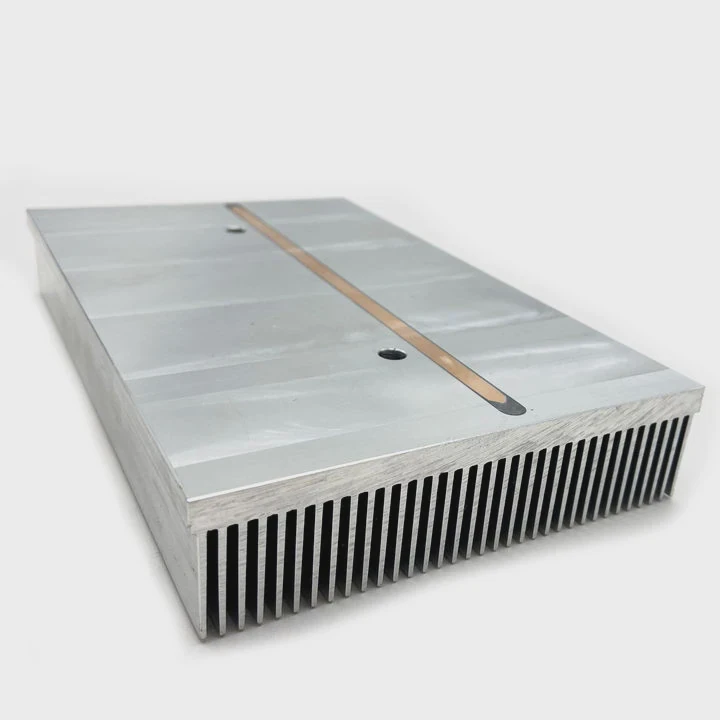
Many think vapor chambers are just for phones or laptops. But in factories and automation lines, heat is still a serious threat. Hidden, but dangerous.
Yes. Vapor chambers are increasingly used in industrial automation to manage heat in dense, sensitive components without relying on moving parts or fans.
Let’s explore how passive thermal solutions like vapor chambers are quietly changing how robots and machines stay cool under pressure.
Are Vapor Chambers used in factory automation devices?
When we think of factory equipment, we think of steel, sensors, and circuits — but not cooling tech. So, are vapor chambers inside?
Yes. Vapor chambers are now used in factory automation devices, especially in edge controllers, servo drives, industrial GPUs, and compact power systems.
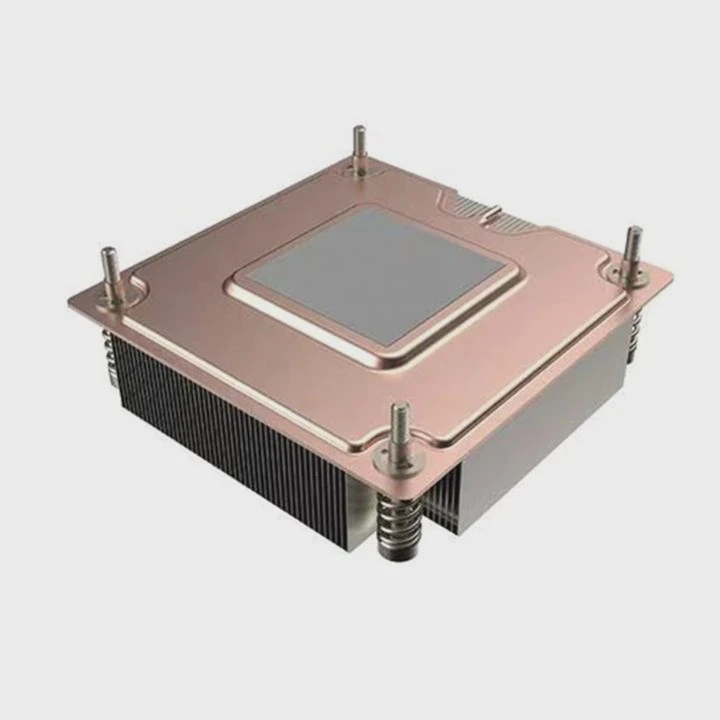
In many factory automation systems, electronics are packed into small enclosures. Space is limited. Fans bring in dust. Active cooling is hard to manage. That’s where vapor chambers come in.
They help move heat from hot chips to heat sinks or enclosures without air flow. Their flat, compact shape lets them fit easily under circuit boards or against casings. Many edge computing modules now use vapor chambers because these processors run hot, but the systems must stay sealed to block dust or moisture.
Another common place is inside servo drives. These modules generate a lot of heat, especially when managing high-speed motion. Vapor chambers spread heat evenly to heat sinks, keeping components stable.
Also, industrial AI accelerators — small modules with GPUs or FPGAs — use vapor chambers to replace noisy fans. This helps in factories where silence or vibration-free environments are critical.
Some companies design “thermal baseplates” using large-format vapor chambers. These baseplates cool multiple chips at once, reducing thermal stress and making integration easier.
Common Uses of Vapor Chambers in Automation
| Application Area | Component Example | Reason for Vapor Chamber Use |
|---|---|---|
| Edge computing | Industrial PCs, gateways | Compact form, no fan zones |
| Servo control | Servo drives | High-power density, sealed enclosures |
| Vision systems | AI modules, camera cores | Passive, low-vibration thermal spread |
| I/O controllers | PLC boards | Tight layouts, hotspot reduction |
Vapor chambers are not always visible. But they’re quietly improving heat flow inside modern automation devices.
Do robots benefit from passive thermal control?
Robots work non-stop in factories. So, do they gain anything from passive cooling?
Yes. Robots benefit from passive thermal control systems like vapor chambers, which improve performance, reduce maintenance, and enable sealed, dust-resistant designs.
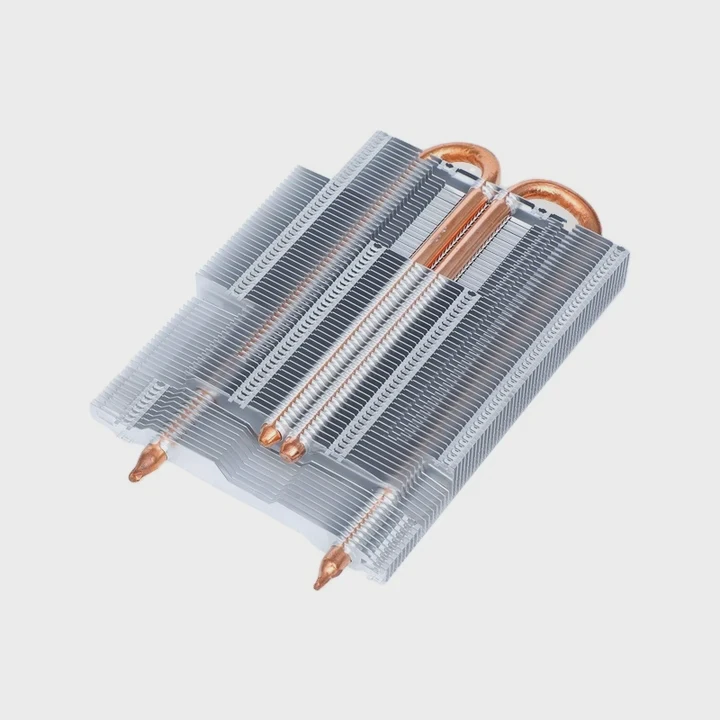
Robots in factories run long shifts in enclosed spaces. Their joints, sensors, control boards, and even hands contain embedded electronics. These modules generate heat, especially in precision or high-speed motion systems.
Adding fans near joints or rotating parts is risky. Fans fail. Dust clogs inlets. Moving parts suffer from added complexity. That’s why passive methods like vapor chambers offer strong benefits.
Inside robot arms, motor drivers and signal processors need efficient heat transfer. A vapor chamber can sit right below the chip and spread heat to a nearby surface, like the outer shell or a baseplate.
Also, camera sensors and LIDAR systems used in robots need thermal stability. Heat affects image clarity and sensor calibration. Vapor chambers help move heat without vibration — essential for visual accuracy.
In mobile robots or AGVs (automated guided vehicles), space and power are limited. Passive cooling reduces battery draw and noise. It also helps extend component lifespan without needing extra airflow.
By lowering heat stress, robots can maintain their cycle times and movement precision. Passive cooling adds stability to dynamic systems — without adding moving parts.
What components in automation systems need cooling?
Not all parts overheat. So, which ones do in automation lines?
Yes. Components like CPUs, servo amplifiers, FPGAs, power transistors, and motor drivers in automation systems generate significant heat and require advanced cooling.
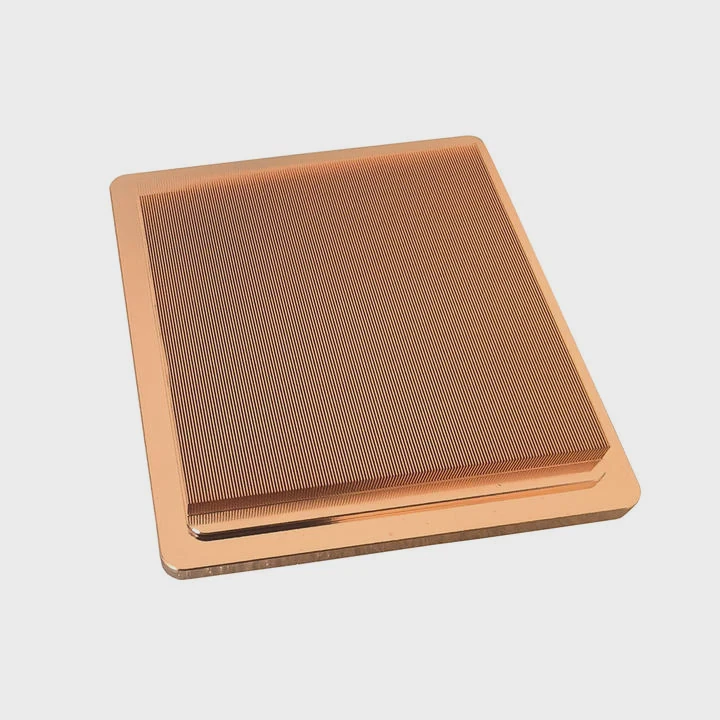
Many key components in industrial automation generate heat:
Motion control boards — These handle high-frequency switching for servo motors. They include gate drivers and power transistors that heat up during operation.
Programmable logic controllers (PLCs) — Modern PLCs include CPUs, memory modules, and real-time processing chips. They run 24⁄7, often inside closed cabinets.
Industrial GPUs or AI processors — These appear in vision-guided robots or quality control systems. AI in automation is rising, and so is its heat load.
Power conversion units — Converting AC to DC or regulating power between batteries and motors produces heat. Compact power modules are especially vulnerable.
Sensors and optics — High-resolution cameras, laser systems, and inspection heads need stable temperature for accuracy.
Key Heat-Generating Components in Automation
| Component Type | Heat Source | Cooling Need |
|---|---|---|
| Servo amplifier | Switching MOSFETs/IGBTs | High heat under load |
| PLC | Processor + memory chips | Constant operation, small enclosure |
| Machine vision system | GPU/FPGA + optics | Continuous AI inference, image clarity |
| Motion controller | Motor driver ICs | Rapid PWM control |
| Power module | Rectifiers, DC-DC converters | High-current thermal cycles |
All these parts benefit from effective thermal spreading — which vapor chambers provide. Flat, efficient, and silent, they suit high-reliability systems well.
Is reliability increased by using Vapor Chambers?
Do vapor chambers help automation equipment last longer?
Yes. Vapor chambers improve system reliability by reducing thermal cycling, eliminating fan failures, and protecting components from overheating.
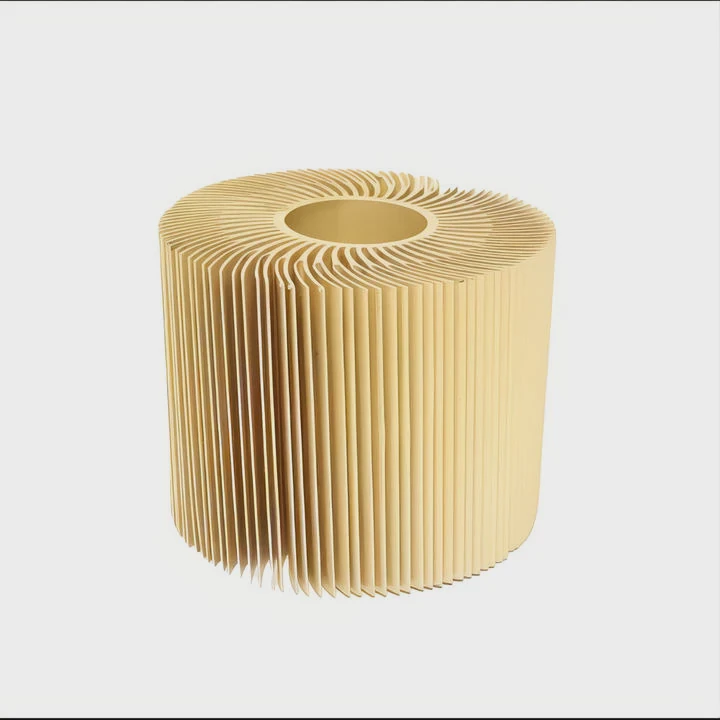
In industrial environments, uptime matters. Machines can’t afford to stop due to heat. Vapor chambers help by spreading heat evenly across surfaces, reducing local hotspots.
Hotspots can shorten chip life. Uneven heat causes thermal stress — expanding and contracting solder joints, degrading polymers, and causing micro-cracks. Vapor chambers smooth out these spikes.
Also, many automation systems use sealed boxes. This keeps out dust and humidity, but traps heat. Vapor chambers help move heat from inside components to the housing wall, allowing passive dissipation.
Compared to fans, vapor chambers don’t fail from wear. No bearings, no dust build-up, no extra power. That means one less point of failure in the system.
By avoiding fans and keeping temperatures stable, vapor chambers extend both the component life and the time between service intervals.
They also help during power surges or peak loads. When thermal loads spike briefly, vapor chambers absorb and spread that heat instantly. This avoids thermal throttling or emergency shutdowns.
Vapor Chamber Benefits for Reliability
| Reliability Factor | Impact of Vapor Chambers |
|---|---|
| Component lifespan | Reduces hotspots and thermal shock |
| MTBF (mean time between failures) | Increases by removing fan dependency |
| System uptime | Maintains stable operation under load |
| Maintenance cycle | Longer intervals, fewer part swaps |
| Shock and vibration tolerance | Passive, solid-state, no moving parts |
In short, vapor chambers help automation systems run longer, cooler, and with fewer interruptions.
Conclusion
Vapor chambers are no longer just for consumer gadgets. In factories, robots, and control boxes, they manage heat silently and efficiently. Their passive cooling boosts reliability, saves space, and reduces maintenance — making them ideal for the high-stakes world of industrial automation.
TAGS
Latest Articles

Volume discount levels for heat sink orders?
Buyers often ask when heat sink prices start to drop with volume. Many worry they’re overpaying for small orders. This guide explains how B2B volume pricing works for thermal components. Heat sink
21 Dec,2025
Heat sink long-term supply contract options?
Many buyers want stable pricing and reliable delivery for heat sinks. But without a clear contract, risks grow over time. This article explores how to secure better long-term supply deals. Long-term
21 Dec,2025
Tooling cost for new heat sink profiles?
Many engineers struggle to understand why tooling for custom heat sinks costs so much. They worry about budgeting and production timelines. This article breaks down the cost drivers behind tooling.
21 Dec,2025
Heat sink custom sample process steps?
Sometimes, starting a custom heat sink project feels overwhelming—too many steps, too many unknowns, and too many risks. You want a sample, but not endless delays. The process for requesting and
20 Dec,2025
Standard B2B terms for heat sink payments?
When buyers and sellers in B2B heat sink markets talk about payment, many don’t fully understand what’s standard. This can lead to delayed orders, miscommunication, and even lost business
20 Dec,2025
Heat sink pricing factors for large orders?
Heat sinks are vital for many systems. When prices rise, projects stall and budgets break. This problem can hit teams hard without warning. Large order heat sink pricing depends on many factors. You
20 Dec,2025Related Articles
- Can Vapor Chamber improve battery safety?
- Vapor Chamber for flexible electronics?
- Typical porosity limits for Vapor Chamber material?
- Vapor Chamber bonding adhesive requirements?
- Can Vapor Chamber reduce overheating issues?
- Vapor Chamber for handheld electronics?
- Does Vapor Chamber pass aging tests?
- Vapor Chamber suggested testing frequency?
- How to calibrate Vapor Chamber testing equipment?
- Coating choices for Vapor Chamber exterior?
- Vapor Chamber weight reduction possibilities?
- Vapor Chamber prototype lead time estimate?
Author
Dr. Emily Chen
Chief AI Researcher
Leading expert in thermal dynamics and AI optimization with over 15 years of experience in data center efficiency research.
Categories
Latest Products






Recommend Categories
- Liquid cooling plate Manufacturer
- Industrial Heat Sink Manufacturer
- Standard Heat Sink Manufacturer
- Aluminum Heat Sink Manufacturer
- Copper Heat Sink Manufacturer
- Anodized Heatsink Manufacturer
- Stamping heat sink Manufacturer
- Die Casting Heatsink Manufacturer
- Soldering heat sink Manufacturer
- CNC Parts Manufacturer
Latest Products
- Wholesale Aluminum Radiator
- Water Cooling Plate Kit
- Water Cooling Heat Sink
- Water Cooling Heat Sink Kit
- Stainless Steel Water Distributor
- Server Water Cooling Plate Kit
- Server Liquid Cooling System
- Server Aluminum Cooling Kit
- S19 Full Cover Cooling Plate
- S19 Cooling Plate Kit
- S19 Aluminum Cooling Plate
Contact Expert
Have questions about this article? Reach out to our experts directly.