Vapor Chamber prototype lead time estimate?
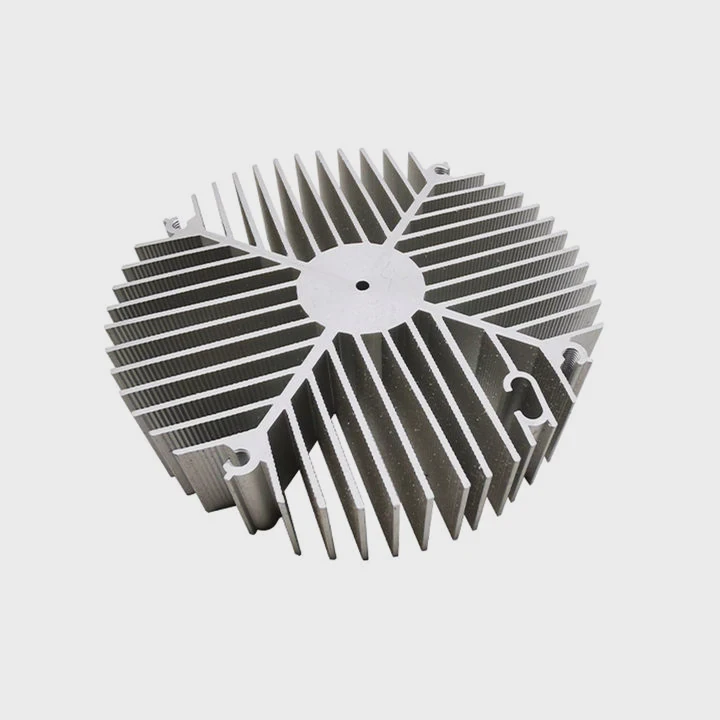
Before prototype arrives, many worry about delays and unknowns. Waiting weeks for a prototype can stall the whole project. Fast answers help avoid long hold-ups.
Typically, vapor chamber prototypes take 4–6 weeks from final design approval to delivery, though simple designs and fast communication can shorten that time.
Understanding what affects lead time helps teams plan better and avoid surprises.
What is the lead time for Vapor Chamber prototypes?
Many project managers feel anxiety when waiting for a first prototype. They need samples quickly to start testing. That need creates pressure on suppliers and designers alike.
Lead time depends on design complexity, supplier workload, and clarity of drawings — it usually ranges from one month to six weeks for a first sample.
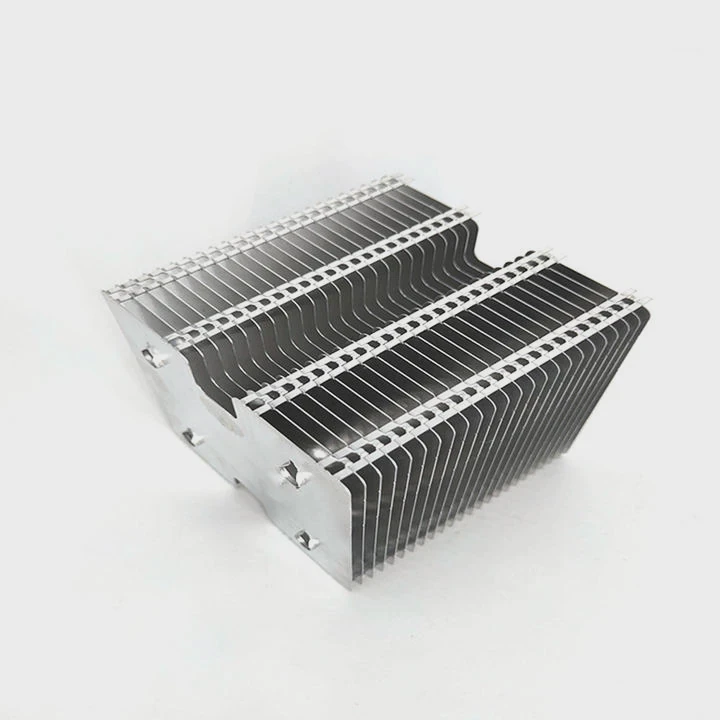
Key steps and timeline
The lead time for a vapor chamber prototype involves several steps. Each step can add time. Typical steps include design review, tooling setup (if needed), material prep, fabrication, quality check, and shipping. Delays can happen at any of those steps.
| Stage | Description | Typical Duration |
|---|---|---|
| Design Finalization | Confirm drawings and specs | 3–5 days |
| Tooling / Fixture | Setup for machining or forming | 3–7 days (if needed) |
| Material Preparation | Procuring and preparing materials | 2–4 days |
| Fabrication | Making the vapor chamber | 5–10 days |
| Inspection & Test | Leak test, thermal test, checking specs | 2–4 days |
| Packaging & Shipping | Packing, labels, courier booking | 2–5 days (overlap possible) |
Many suppliers follow a schedule close to the table above. If design is clear and material is standard, they may finish faster. If not, delays often emerge in tooling or inspection.
Cost of materials and labor also affects lead time. If a supplier has many orders queued, your lead time may slide. If supplier has free capacity, they may start quickly. Good communication helps check where they stand at each stage.
When sending design files, including final drawings, CAD, and clear notes matters. If supplier finds missing details, they may ask for clarification. That adds extra time and may push delivery beyond 6 weeks. Clear, complete files help speed the process.
Also, shipping method and destination impact final delivery. If you need express courier or you are far away, shipping adds extra days. Sometimes shipping adds as many days as fabrication. Planning ahead helps avoid long wait after factory output.
In practice, many teams assume a base case of 4–6 weeks. They book testing slots accordingly. They build buffer for design feedback, revisions, and shipping. If they underestimate lead time, prototypes may arrive too late and derail project schedule.
So lead time is not fixed. It depends on many factors beyond pure fabrication. Clear design, good supplier communication, and realistic planning help keep timeline stable.
Do design changes delay prototype production?
Design changes usually trigger stress inside fabrication. Changing wall thickness, internal wick structure, chamber shape, or port layout may seem small. Often they still require new tooling or rework of fabrication steps. That causes delay.
Yes. Each design change after tooling begins can push the prototype timeline by days or even weeks, depending on scope.
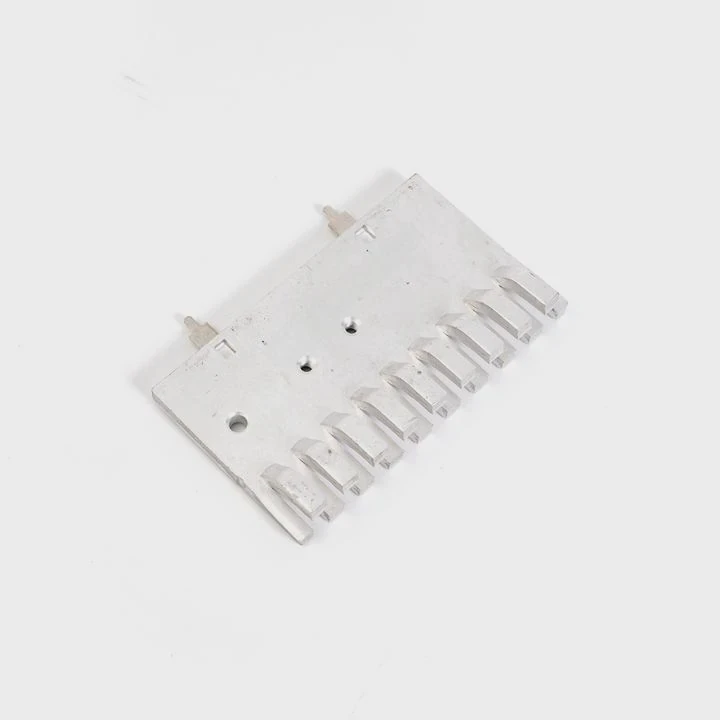
Why design changes cause delays
When a supplier receives final design drawings, they often prepare tools or jigs — for cutting, bending, welding, soldering or brazing. If design changes come after tooling starts, those tools may need modification, rework, or remake. That adds time.
Suppose base design already triggered fixture build for bending aluminum or stamping base plate. Then someone asks to move mounting holes or change chamber height. The factory must adjust or remanufacture fixtures. That might take several days to a week. Also it may require reordering material or adjusting manufacturing parameters.
Even if tooling stays the same, internal structure changes may require different wick or vapor spreader layout. That can alter welding paths, brazing sequences, or vacuum brazing parameters. Fabrication staff may need new instructions. They may even need to run a small test batch before running real parts. That again takes time.
Quality assurance must redo tests relevant to the change. For example, if internal shape changes, leak test or thermal performance test should be run again after the change. Inspection and test time remains. If testing fails, new adjustments come — further delay.
Changing design also affects documentation. Suppliers often keep records for traceability. Changing design after design approval may require updating revision number, creating new drawings, updating BOM (bill of materials), reissuing part numbers. That administrative work seldom aligns with fabrication timeline. It usually adds 1–2 days.
Frequent changes also reduce efficiency. Staff may need to halt ongoing work, adjust schedules, shift resources. That adds hidden delay—waiting for next available slot, shifting other jobs. When multiple orders come, supplier may prioritize stable orders over ones under revision. That pushes long lead time.
How to manage changes without big delay
One way is to freeze design as early as possible. After you pass design review, avoid further changes until sample is done — unless absolutely necessary. That ensures tools remain valid and fabrication flows smoothly.
If changes are unavoidable, try to batch them together. Instead of sending incremental tweaks one by one, compile all at once and send a revised design. That reduces repeated disruption.
Another way is to understand which changes require tooling update vs which don’t. Simple cosmetic changes maybe OK. But structural or internal changes likely need tooling. Use early review with fabricator to check which changes can proceed without tooling. That helps maintain timeline.
Finally, try to communicate change urgency when sending request. Suppliers often accommodate urgent updates if schedule permits. But urgency must be balanced with realism.
In short, design changes after tooling begins often cause delay—sometimes minor, sometimes large. Plan carefully. Lock down design before telling supplier to start work.
Is 2‑week delivery feasible for basic designs?
Some clients wish they could get a vapor chamber prototype in two weeks. That seems ideal when project is tight. The idea is tempting. But is it realistic?
If the design is simple, materials ready, and supplier not busy, 2‑week delivery is possible — but it is rare and often comes with extra cost or risk.
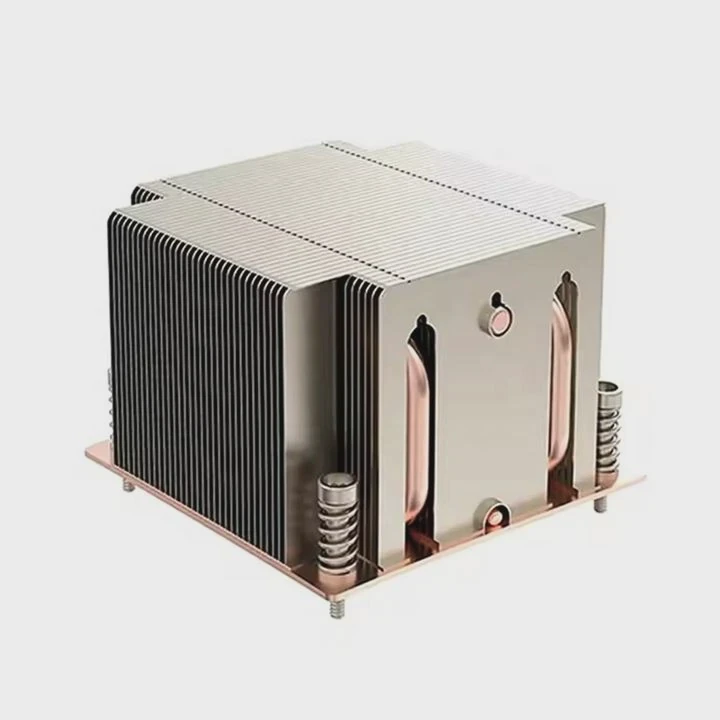
What makes 2‑week delivery possible — and risky
To finish a prototype in 2 weeks, many favorable conditions must align:
- Design must be fully complete and clear on day one. No changes after start.
- Material must be standard and available in stock.
- Supplier must have free capacity and willingness to prioritize your job.
- Fabrication steps must not require heavy tooling setup.
- Inspection and shipping must go smoothly.
If all these align, you may get a fast turnaround. For example, a simple flat vapor chamber with basic port layout, using off‑the‑shelf copper or aluminum plate, can be cut, formed, brazed or welded, inspected and shipped in a compact time.
But fast turnaround often brings trade-offs.
| Condition | Benefit | Trade‑off / Risk |
|---|---|---|
| Free supplier capacity | Quick start | Not repeatable if supplier gets busy |
| No tooling needed | Save time on setup | Limits design complexity |
| Material in stock | No wait for raw materials | May force use of generic material |
| Compressed QA and shipping | Fast delivery | Less buffer for test failures or delays |
When schedule is tight, quality may suffer. Welds or brazing joints may not get full inspection. Thermal tests may be rushed or omitted. That means the prototype might show issues only later, possibly after you build more of them.
Further, cost often goes up. Supplier may charge premium for urgent work. They may ask for rush fee. That increases prototype cost. For a simple design that you expected to pay little, you might end up paying more than you budgeted.
Also shipping time may cancel some of the speed. If you are overseas or need special transport, courier may take several days. Even if factory finishes in 10 days, shipping may take 3–5 days. Then you lose much of the 2‑week advantage.
When 2‑week delivery makes sense
If project timeline is tight and design is simple, and if supplier agrees, 2‑week delivery may help. Use it when you only need a form‑fit-check or basic verification. Use it only as rough prototype, not final verified parts.
If you plan early for a full test and production run later, a quick sample can help find major glaring issues. But don’t rely on it for final qualification.
If speed is crucial, be ready to pay extra and accept risk. Use this carefully with small, simple designs — not for complex systems.
Can suppliers fast‑track urgent samples?
Sometimes projects hit unexpected delays. Deadline looms. Suppliers may offer to fast‑track urgent samples. That is tempting. But you need to know what it means.
Suppliers can fast‑track urgent samples when you pay rush fees or commit to a larger future order — but fast‑track often shares risk with you.
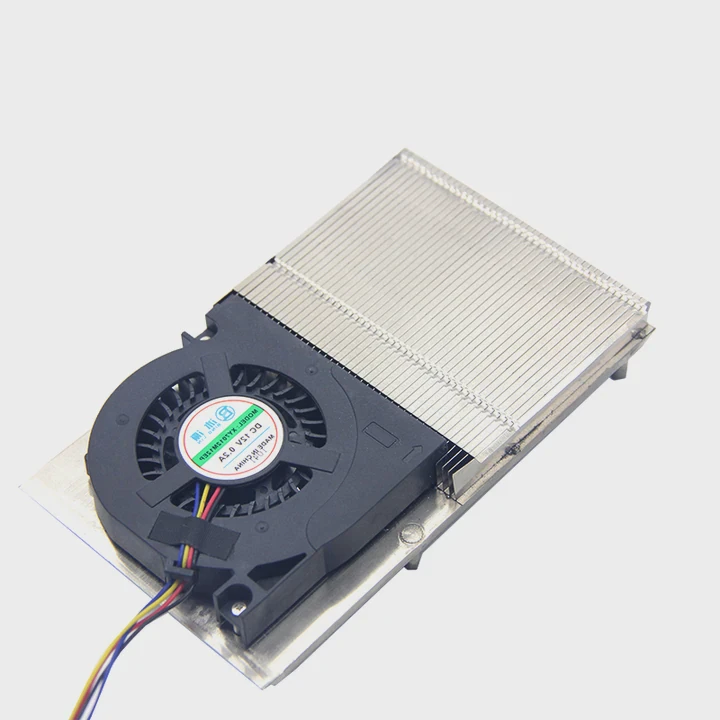
What fast‑tracking involves
Fast‑tracking means supplier moves your order to the front of the queue. They may:
- Assign extra labor or overtime
- Skip queue for material procurement
- Reduce downtime between steps
- Use express shipping for delivery
They may also compress internal waiting time. For example, skip weekends between fabrication steps, combine multiple steps on same day, or run quality inspection parallel to other tasks.
Fast‑tracking demands supplier resource. That resource has a cost. So usually supplier asks for a rush fee, or expects future larger orders. That fee may be 20–50% more than regular price for the same part.
Trade‑offs and risks of fast‑track
| Factor | Benefit of Fast‑Track | Risk or Cost |
|---|---|---|
| Speed | Prototype arrives quickly | Less margin for mistakes |
| Priority | Less wait time for tooling or materials | Supplier may reduce QA time |
| Communication speed | Faster updates and feedback | You must respond fast to queries |
| Price | You get what you need soon | Rush fee increases prototype cost |
When fast‑track is active, supplier may cut slack on testing depth. They may do only basic leak check or superficial thermal test. More detailed reliability tests or longer bake cycles may be skipped. That increases risk of issues later.
Also fast‑track often means less time for documentation, inspection photos, non‑conformance tracking, or traceability. That can make debugging harder if prototype shows failure later.
When to ask for fast‑track
Fast‑track is useful when you need a form‑fit sample, pre‑assembly check, or to meet an urgent client demonstration. Use it only when you plan to do full testing later.
If you plan to send sample to lab for full thermal and reliability tests, rush sample may save initial time, but lab failure may force rework. That doubles time overall.
If you schedule production or mass manufacturing soon, rushing prototype may compromise long‑term design stability. Use fast‑track only for quick evaluation, not for final validation.
How to approach supplier for fast‑track
- Provide clear design and all files together.
- Explain urgency and reason — request start date, target delivery date.
- Offer rush fee or commit to follow‑on orders.
- Confirm which steps may be shortened — ask if testing or inspection will be full or partial.
- Plan for full testing later even if fast‑track succeeds.
Fast‑track is a tool. Use it wisely. It gives you speed. It also shifts risk back to you.
Conclusion
Prototype lead time for vapor chambers often runs 4–6 weeks. Design changes almost always delay that timeline. Two‑week delivery is possible only for simple designs under ideal conditions and at higher cost. Suppliers can fast‑track urgent samples, but that brings higher risk and cost. Plan early, lock design, and communicate clearly to avoid delays and surprises.
TAGS
Latest Articles

Volume discount levels for heat sink orders?
Buyers often ask when heat sink prices start to drop with volume. Many worry they’re overpaying for small orders. This guide explains how B2B volume pricing works for thermal components. Heat sink
21 Dec,2025
Heat sink long-term supply contract options?
Many buyers want stable pricing and reliable delivery for heat sinks. But without a clear contract, risks grow over time. This article explores how to secure better long-term supply deals. Long-term
21 Dec,2025
Tooling cost for new heat sink profiles?
Many engineers struggle to understand why tooling for custom heat sinks costs so much. They worry about budgeting and production timelines. This article breaks down the cost drivers behind tooling.
21 Dec,2025
Heat sink custom sample process steps?
Sometimes, starting a custom heat sink project feels overwhelming—too many steps, too many unknowns, and too many risks. You want a sample, but not endless delays. The process for requesting and
20 Dec,2025
Standard B2B terms for heat sink payments?
When buyers and sellers in B2B heat sink markets talk about payment, many don’t fully understand what’s standard. This can lead to delayed orders, miscommunication, and even lost business
20 Dec,2025
Heat sink pricing factors for large orders?
Heat sinks are vital for many systems. When prices rise, projects stall and budgets break. This problem can hit teams hard without warning. Large order heat sink pricing depends on many factors. You
20 Dec,2025Related Articles
- Vapor Chamber weight reduction possibilities?
- Coating choices for Vapor Chamber exterior?
- How to calibrate Vapor Chamber testing equipment?
- Vapor Chamber suggested testing frequency?
- Does Vapor Chamber pass aging tests?
- Vapor Chamber for industrial automation systems?
- Can Vapor Chamber be laser cut?
- Vapor Chamber quality documentation samples?
- Standard Vapor Chamber inspection procedure?
- Does Vapor Chamber need nitrogen environment?
- Vapor Chamber failure analysis methods?
- Vapor Chamber industry certification list?
Author
Dr. Emily Chen
Chief AI Researcher
Leading expert in thermal dynamics and AI optimization with over 15 years of experience in data center efficiency research.
Categories
Latest Products






Recommend Categories
- Liquid cooling plate Manufacturer
- Industrial Heat Sink Manufacturer
- Standard Heat Sink Manufacturer
- Aluminum Heat Sink Manufacturer
- Copper Heat Sink Manufacturer
- Anodized Heatsink Manufacturer
- Stamping heat sink Manufacturer
- Die Casting Heatsink Manufacturer
- Soldering heat sink Manufacturer
- CNC Parts Manufacturer
Latest Products
- Wholesale Aluminum Radiator
- Water Cooling Plate Kit
- Water Cooling Heat Sink
- Water Cooling Heat Sink Kit
- Stainless Steel Water Distributor
- Server Water Cooling Plate Kit
- Server Liquid Cooling System
- Server Aluminum Cooling Kit
- S19 Full Cover Cooling Plate
- S19 Cooling Plate Kit
- S19 Aluminum Cooling Plate
Contact Expert
Have questions about this article? Reach out to our experts directly.