Does Vapor Chamber pass aging tests?
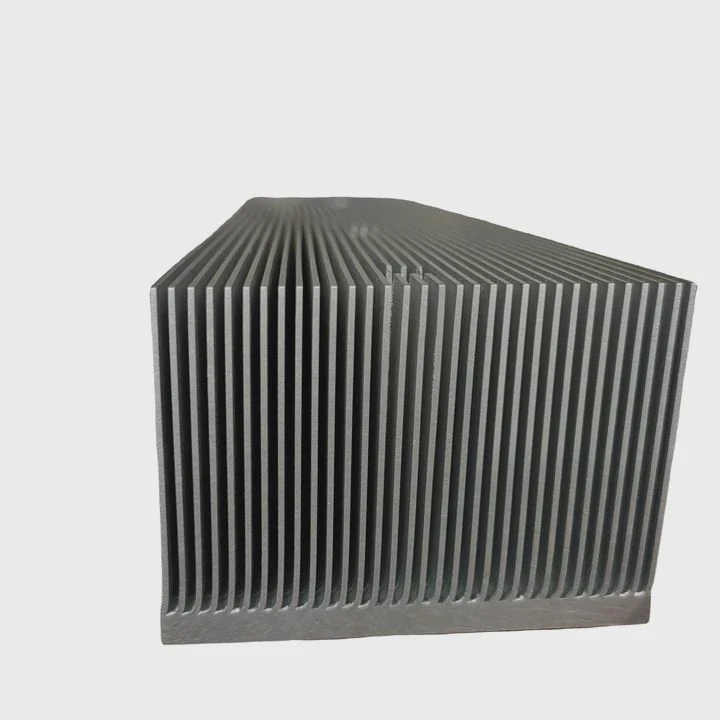
I have seen many claims about vapor chamber lifetime failing after heavy use. That makes system designers nervous about reliability.
Yes. Many vapor chambers do pass rigorous accelerated aging tests and remain functional after thousands of cycles.
That raises questions about what tests are used, how conditions compare to real life, and whether performance still holds after years of use. Let’s go deeper.
Are Vapor Chambers subjected to accelerated aging tests?
Vapor chambers often face more than normal use in lab testing. Without testing, risk of failure increases.
Yes. Most high‑reliability vapor chamber products undergo accelerated aging tests before release.
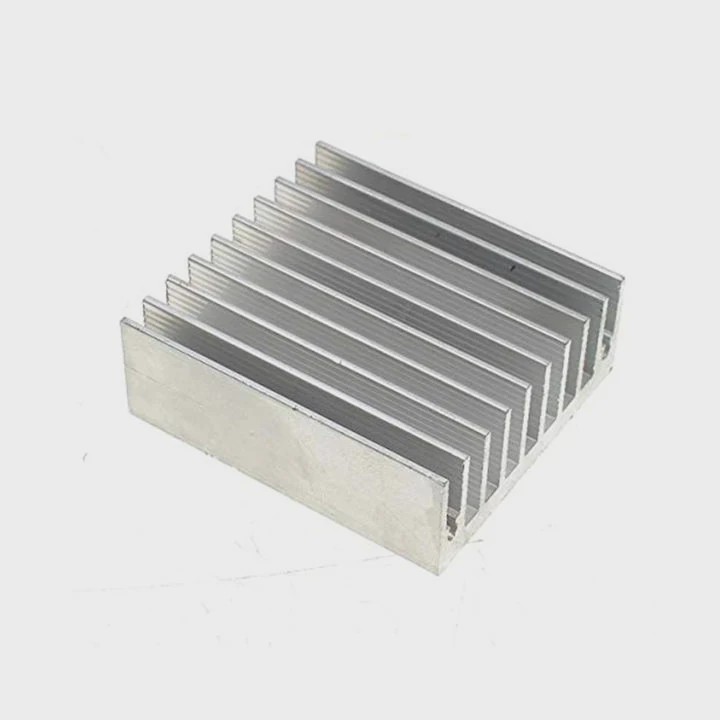
In real world, vapor chambers endure long operations, power cycling, temperature swings, vibration, humidity, and mechanical stress. To predict lifetime, manufacturers use tests that compress years of wear into weeks. These accelerated tests help catch early failures and verify design integrity.
In my experience working with thermal modules, I have seen test reports where vapor chambers go through hundreds of thermal cycles, pressure checks, and leak tests. These tests often replicate extreme operating conditions. Engineers design them to stress joints, seals, and internal wick structure.
Aging tests commonly include repeated heating and cooling cycles. They also expose chambers to humidity, vibration, and pressure changes. After tests, manufacturers measure thermal resistance, leak rate, and internal fluid integrity. If values remain within specification, the chamber passes. If not, it fails.
Some manufacturers go further. They simulate shipping stress, drop tests, or storage under high humidity. Others test long‑term standby periods with repeated wake‑up cycles. That matters for modules used in industrial or aerospace systems. There, a chamber may sit idle for months then need to perform reliably under load.
In short, accelerated aging tests are standard for vapor chambers, especially when they are for industrial or high‑reliability applications. They help ensure that the product survives both expected and extreme use before it reaches end‑users.
What aging conditions simulate long-term use?
Testing must reflect the stresses a vapor chamber sees during years of operation. Designers pick worst-case conditions to expose potential failure points.
Aging tests simulate thermal cycling, vibration, humidity, pressure swings, and mechanical stress to mimic years of real-world use.
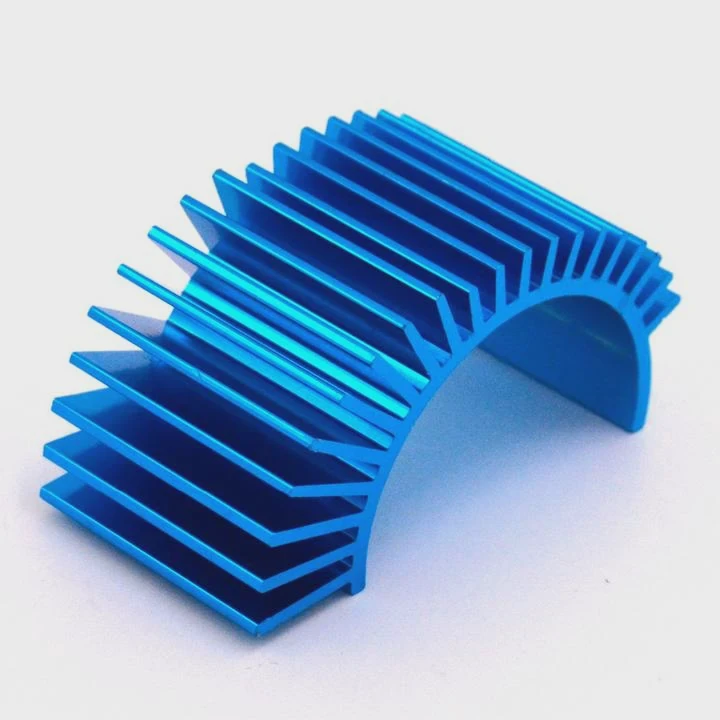
Common conditions in aging tests include:
- Thermal cycling between low and high temperatures (e.g. –40 °C to +100 °C)
- Humidity exposure, sometimes with condensation cycles
- Pressure changes, for sealed systems traveling or working at altitude
- Vibration and shock, to simulate transport or mechanical stress
- Mechanical load or deformation, for systems mounting or dismounting
Some test protocols also combine stressors. For example, a cycle might include heating to high temperature with vibration, then cool down rapidly. Another scenario may apply humidity after hours of heat. These mixed stress tests are harsh but valuable.
Here is a sample aging test plan often seen in quality assurance:
| Test Type | Duration / Cycles | Main Purpose |
|---|---|---|
| Thermal cycle test | 1000 cycles –40 °C↔100 °C | Stress seals and internal wick |
| Humidity soak | 85 % RH at 60 °C, 500 hours | Check corrosion, seal leakage |
| Pressure change test | 0.5 atm to 1.5 atm, 100 cycles | Ensure leak tightness under pressure |
| Vibration & shock test | 2 hours vibration + 5 drops | Simulate transport or mechanical stress |
| Combined cycle test | Thermal + humidity + vibration | Test extreme, mixed real‑life stress |
Manufacturers may adjust cycle counts and stress levels based on use case. For mobile hydrogen systems or outdoor electronics, they choose higher stress levels. For office desktops, more modest tests may be enough.
These tests help catch issues early. For example, a weak weld seam may leak under pressure cycling. A poor seal may degrade under humidity. A wick or fluid change may reduce thermal performance after many thermal cycles. By simulating long-term aging, engineers can weed out weak designs before deployment.
In many test reports, vapor chambers that pass these cycles show less than 10 % change in thermal resistance and no measurable leak. That gives confidence they will operate reliably for years.
Do materials degrade after thermal cycling?
Materials always change under stress. For vapor chambers, the worry is corrosion, seal failure, or change in thermal performance.
Yes. Materials can degrade after many thermal cycles. But well‑designed vapor chambers resist degradation and keep stable performance over time.
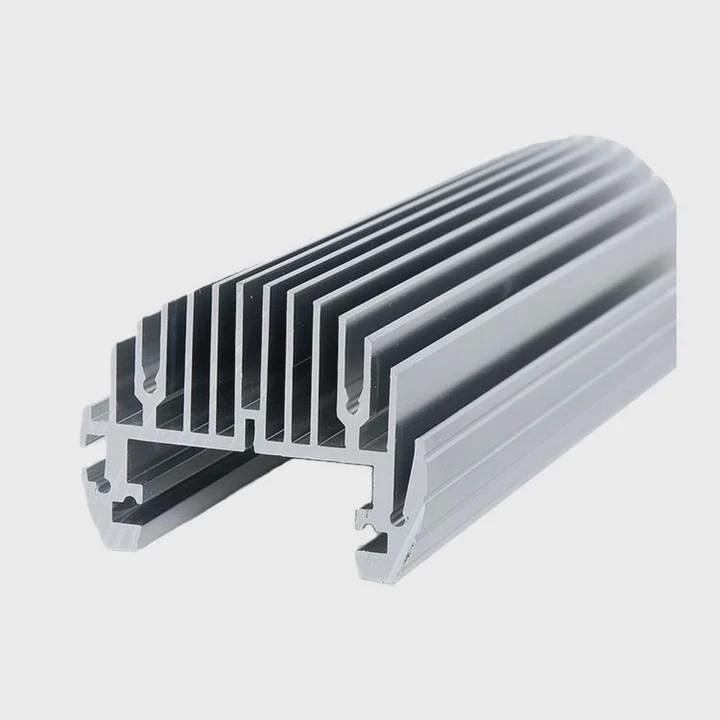
Key areas where degradation may happen include:
- Metal body corrosion or fatigue
- Brazed or welded seam cracking
- Wick or wick‑fluid changes (dry‑out, redistribution)
- Seal insulation or gasket wear
- Changes in internal pressure
Here is a table of common failure modes and typical material behaviors:
| Component Part | Common Material | Potential Degradation | Impact on Performance |
|---|---|---|---|
| Outer shell | Aluminum or copper | Corrosion, fatigue from expansion | Leak, structural failure |
| Welded seams / joints | Solder or brazing | Cracks from expansion stress | Leak, loss of vacuum |
| Wick + working fluid | Copper wick + water | Wick drying, fluid decomposition | Reduced heat transfer, hot spots |
| Internal pressure | Sealed vacuum system | Pressure loss due to leaks | Loss of capillary action, failure |
| Surface plating/coating | Nickel, nickel‑phosphorus | Wear, corrosion under humidity | Surface corrosion, possible leak |
Degradation mechanisms in detail
When a vapor chamber heats and cools, the metal shell expands and contracts. Aluminum expands more than copper. If welds are not perfect, this can create micro‑cracks. Over many cycles, cracks get worse. That allows fluid or gas to leak. Once sealing fails, the working fluid escapes or air enters. Wick no longer works. Thermal performance drops.
Humidity and moisture accelerate corrosion. If humidity enters a cracked seam, oxidation happens. Corrosion reduces structural strength. It also fouls internal wick surfaces. That reduces capillary performance.
Wick and working fluid also suffer. Over time, repeated heat cycles may cause some fluid loss (through slow permeation or micro‑leaks). Or the fluid may degrade chemically if impurities exist. That reduces latent heat transfer efficiency. The chamber still spreads heat by conduction, but with worse thermal resistance.
Quality vapor chambers minimize these risks. They use proper alloys. They apply corrosion‑resistant coatings or nickel plating. They use full penetration welds or high‑quality brazing. They fill high‑purity working fluid and vacuum‑seal units under controlled conditions. That reduces residual impurities or gases.
After long aging tests, a well‑built chamber typically shows little change. Thermal resistance may increase by a few percent only. There is no leak or pressure loss. The internal wick still moves fluid well. The outer shell stays intact.
In contrast, cheap or poorly built vapour chambers sometimes fail quickly. They may lose vacuum after a few cycles. They may leak. Their thermal performance degrades sharply. That shows the importance of quality control and manufacturing standards.
In conclusion, materials can degrade after thermal cycling. But good vapor chamber design and manufacturing make degradation very unlikely under proper aging tests. Low‑quality parts may fail, but quality parts hold up well.
Are aging results part of QA reports?
Buyers and system integrators need data to trust vapor chambers. QA reports often include aging test results.
Yes. Manufacturers often include aging and reliability test data in QA reports. These show thermal resistance, leak tests, and cycling outcomes.
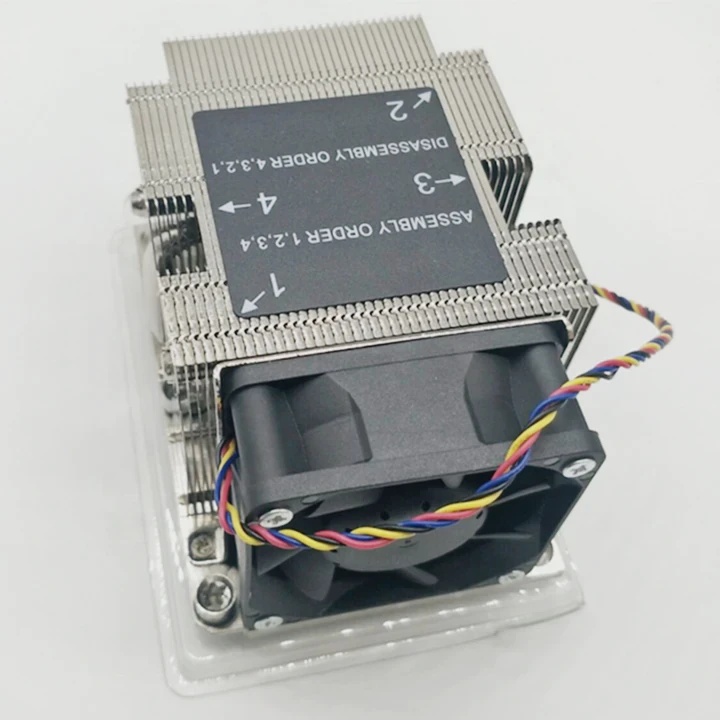
For high‑end vapor chambers used in aerospace, industrial, or hydrogen systems, QA documentation includes:
- Thermal resistance before and after aging
- Leak rates (e.g. helium leak test)
- Pressure integrity data
- Visual inspection reports (weld seams, plating, internal surface)
- Cycle history: number of thermal cycles, humidity tests, vibration/shock history
Here is a typical QA test result summary format:
| Test Item | Result Before Aging | Result After Aging | Accept/Reject Criteria |
|---|---|---|---|
| Thermal resistance | 0.12 K/W | 0.13 K/W | ≤ +15% increase |
| Leak rate | ×10⁻⁸ Pa·m³/s | ×10⁻⁸ Pa·m³/s | No leak detected |
| Structural inspection | No crack, uniform weld | No crack, weld intact | No defect allowed |
| Pressure test | 1 atm vacuum | 0.99 atm after cycle | ≤ 2% pressure drop |
Manufacturers supply these reports to customers on request. Sometimes they attach statistical data for batch consistency. They also include pass/fail rates, and failure modes if any.
When working with clients, I often review these QA documents. I pay attention to how many cycles they performed. I check whether the tests match intended operating conditions. I also verify that sealing was validated under vacuum and humidity.
In regulated industries, such QA reports become part of certification dossiers. Clients may use them to inspect component reliability before assembly into larger systems. That helps avoid in‑field failures.
Thus aging results are not optional. They are a key part of quality assurance for vapor chambers. They give confidence to buyers that the product will last under real-world conditions.
Conclusion
Vapor chambers often pass accelerated aging tests that simulate years of use. Well‑built ones retain performance after extreme cycles. Aging test results give real insight into long‑term reliability. Trust must come from solid data.
TAGS
Latest Articles

Volume discount levels for heat sink orders?
Buyers often ask when heat sink prices start to drop with volume. Many worry they’re overpaying for small orders. This guide explains how B2B volume pricing works for thermal components. Heat sink
21 Dec,2025
Heat sink long-term supply contract options?
Many buyers want stable pricing and reliable delivery for heat sinks. But without a clear contract, risks grow over time. This article explores how to secure better long-term supply deals. Long-term
21 Dec,2025
Tooling cost for new heat sink profiles?
Many engineers struggle to understand why tooling for custom heat sinks costs so much. They worry about budgeting and production timelines. This article breaks down the cost drivers behind tooling.
21 Dec,2025
Heat sink custom sample process steps?
Sometimes, starting a custom heat sink project feels overwhelming—too many steps, too many unknowns, and too many risks. You want a sample, but not endless delays. The process for requesting and
20 Dec,2025
Standard B2B terms for heat sink payments?
When buyers and sellers in B2B heat sink markets talk about payment, many don’t fully understand what’s standard. This can lead to delayed orders, miscommunication, and even lost business
20 Dec,2025
Heat sink pricing factors for large orders?
Heat sinks are vital for many systems. When prices rise, projects stall and budgets break. This problem can hit teams hard without warning. Large order heat sink pricing depends on many factors. You
20 Dec,2025Related Articles
- Vapor Chamber for industrial automation systems?
- Can Vapor Chamber improve battery safety?
- Vapor Chamber for flexible electronics?
- Typical porosity limits for Vapor Chamber material?
- Vapor Chamber bonding adhesive requirements?
- Can Vapor Chamber reduce overheating issues?
- Vapor Chamber suggested testing frequency?
- How to calibrate Vapor Chamber testing equipment?
- Coating choices for Vapor Chamber exterior?
- Vapor Chamber weight reduction possibilities?
- Vapor Chamber prototype lead time estimate?
- Can Vapor Chamber be laser cut?
Author
Dr. Emily Chen
Chief AI Researcher
Leading expert in thermal dynamics and AI optimization with over 15 years of experience in data center efficiency research.
Categories
Latest Products






Recommend Categories
- Liquid cooling plate Manufacturer
- Industrial Heat Sink Manufacturer
- Standard Heat Sink Manufacturer
- Aluminum Heat Sink Manufacturer
- Copper Heat Sink Manufacturer
- Anodized Heatsink Manufacturer
- Stamping heat sink Manufacturer
- Die Casting Heatsink Manufacturer
- Soldering heat sink Manufacturer
- CNC Parts Manufacturer
Latest Products
- Wholesale Aluminum Radiator
- Water Cooling Plate Kit
- Water Cooling Heat Sink
- Water Cooling Heat Sink Kit
- Stainless Steel Water Distributor
- Server Water Cooling Plate Kit
- Server Liquid Cooling System
- Server Aluminum Cooling Kit
- S19 Full Cover Cooling Plate
- S19 Cooling Plate Kit
- S19 Aluminum Cooling Plate
Contact Expert
Have questions about this article? Reach out to our experts directly.