How to calibrate Vapor Chamber testing equipment?
If thermal tests are off by even a few degrees, it can cause wrong results, failed designs, or misleading product claims.
Calibration ensures the testing instruments used on vapor chambers are accurate, reliable, and consistent, which is key for product validation and quality control.
This guide explains how vapor chamber test equipment is calibrated, how often it should be done, the importance of records, and whether third-party labs are a good option.
What methods calibrate Vapor Chamber test instruments?
When testing vapor chambers, engineers use sensors to measure temperatures, thermal resistance, and heat flux. Over time, these instruments drift or lose accuracy.
Calibration uses known standards or reference tools to compare and correct thermal test instruments, making sure measurements reflect true values.
Tools and methods used in calibration
The key to accurate vapor chamber testing is knowing your instruments report the right numbers. Calibration checks for that. Below are the most common methods:
1. Thermocouple calibration
Thermocouples are widely used to measure surface and internal temperatures. To calibrate them:
- Place them in a known temperature environment, like a dry block calibrator or a calibration bath.
- Compare readings with a certified reference thermometer.
- Record the difference and adjust the system or apply correction.
2. Heat flux meter calibration
A heat flux meter measures how much heat flows through a material.
- Use a material with known thermal conductivity.
- Apply steady heat input.
- Measure the output and compare it to theoretical values.
- Adjust scaling factors or calibration coefficients accordingly.
3. Infrared camera or pyrometer calibration
Non-contact temperature tools need specific care:
- Use a blackbody source — a device that emits a known, uniform infrared signal at various temperatures.
- Point the sensor or camera at the blackbody.
- Record differences and correct them using software tools.
4. Guarded hot plate or steady-state setups
- Run the system using a calibration block with known thermal conductivity.
- Apply known power and check the heat spread and temperature gradient.
- Use this to verify that measured thermal resistance matches expected values.
Summary table: Calibration methods
| Instrument | Calibration Method | Frequency (Typical) |
|---|---|---|
| Thermocouple / RTD | Reference temperature bath or dry block | 6–12 months |
| Heat Flux Meter | Known conductivity block, power comparison | 12–24 months |
| IR Camera / Pyrometer | Blackbody radiation source | 6–12 months |
| Steady-State System | Certified sample or blank test run | 12–18 months |
These methods help catch drifting sensors, connection issues, or hardware aging — all of which can distort vapor chamber data.
How often should thermal testers be recalibrated?
Even top-tier instruments lose accuracy over time. Changes in sensor materials, exposure to extreme heat, or simple aging affect results.
Most thermal test systems should be calibrated every 6 to 24 months, depending on usage, environment, and importance of measurement.
What affects calibration frequency?
1. Instrument usage
- High use: Instruments used daily or in production settings wear faster. These need shorter intervals.
- Low use: Tools only used for occasional R&D may last longer between calibrations.
2. Operating conditions
- High humidity, dust, or vibration can shift instrument performance.
- Large temperature swings affect both sensors and wiring, causing small but important changes in readings.
3. Measurement criticality
- For QA/QC, government compliance, or production pass/fail decisions, tighter calibration schedules matter more.
- For early R&D or internal experiments, some drift may be acceptable — with proper correction.
Calibration interval recommendations
| Instrument | Recommended Interval | Notes |
|---|---|---|
| Thermocouples | 6–12 months | More frequent if exposed to high heat |
| Heat flux sensors | 12–24 months | Stable units can be longer |
| IR cameras/pyrometers | 6–12 months | Adjust for usage in dusty/humid conditions |
| Guarded hot plates | 12–18 months | Run verification test with known sample |
| Multichannel loggers | 12 months | Calibration also checks data integrity |
Tracking trends over time also helps. If one sensor shows large shifts each calibration, it might need replacing sooner.
Are calibration records part of QA systems?
Any certified or serious engineering company needs more than just good measurements. It needs proof those measurements are valid.
Yes. Calibration logs are required in most quality systems (like ISO 9001, IATF 16949) and show your tests are trustworthy and traceable.
What should be in a calibration record?
Every test instrument should have a clear record of when and how it was last calibrated. This file usually includes:
- Instrument details: Model, serial number, ID tag
- Calibration date: When it was done
- Next due date: Based on your internal schedule
- Calibration results: Pass/fail status, offsets, correction factors
- Calibration method used: Dry block, blackbody, reference material, etc.
- Person or lab responsible: Technician name, lab ID
- Calibration certificate number: For traceability
These records are often stored in a calibration logbook or a software system like a quality management database.
Example table: QA calibration record format
| Instrument ID | Cal. Date | Method Used | Correction Applied | Status | Next Due | Cal. Cert. No |
|---|---|---|---|---|---|---|
| VC-TMP-001 | 2025-03-10 | Dry Block | −0.7 °C at 100 °C | PASS | 2026-03-10 | CAL-VC-250310 |
| VC-HFM-008 | 2024-12-01 | Reference Plate | +0.3 W/m²K | PASS | 2025-12-01 | CAL-HFM-241201 |
QA auditors often ask to see these during reviews. Missing or expired calibrations can cause test failures to be rejected, or even halt product shipments.
Calibration records also help troubleshoot. If a vapor chamber shows strange results, checking the log can confirm whether it’s the device or the instrument at fault.
Can third parties perform instrument calibration?
Not all companies have in-house metrology labs. Even if they do, some calibrations are better left to experts.
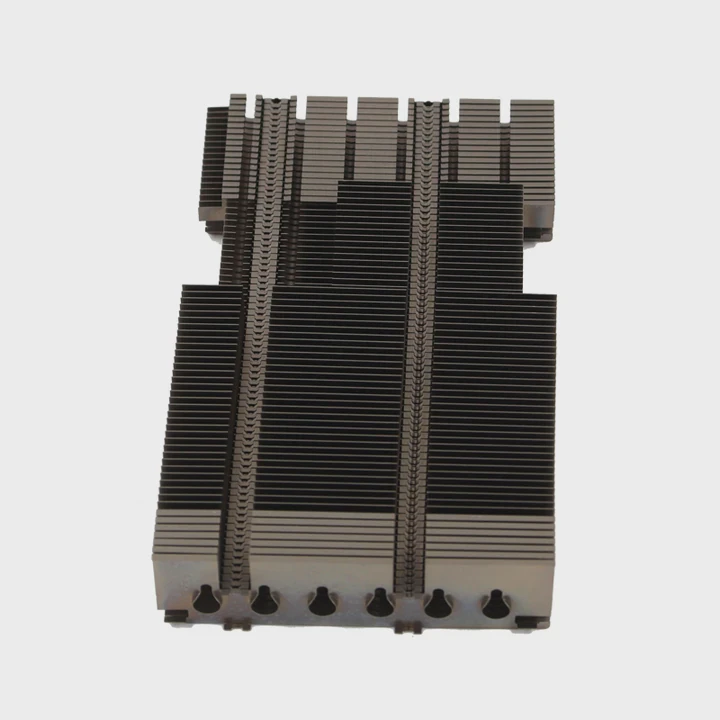
Yes. Third-party labs can calibrate vapor chamber test equipment, often with traceability to international standards like NIST or ISO 17025.
Why choose third-party calibration?
- Traceable standards: Certified labs use equipment linked to national metrology labs.
- Environmental controls: Clean, temperature-stable environments improve accuracy.
- Experienced technicians: Special training ensures fewer mistakes or oversights.
- Independent documentation: Certificates from external labs are more trusted during audits.
Third-party calibration is also helpful for:
- Annual certification
- New equipment validation
- Audit preparation
- Suspected measurement drift
When to use external vs internal calibration
| Scenario | Recommended Approach |
|---|---|
| Routine checks, frequent use | Internal (if resources exist) |
| First-time calibration after purchase | External preferred |
| High-risk products or certifications | External mandatory |
| Low-use tools in R&D | Internal OK, external once/year |
| No internal lab or trained technician | External |
Some companies do a mix: external once a year, and internal checks every 3–6 months.
Also, third-party labs can handle tools that need expensive calibration setups — like blackbody IR sources or reference thermal blocks.
What to expect from a third-party lab
- Calibration certificate with date, instrument ID, traceable references
- Before-and-after data showing any drift
- Uncertainty estimate
- Pass/fail flag or correction factor
- Digital record for your files or quality system
Always check if the lab is accredited (e.g. ISO 17025) and ask for calibration scope to ensure they can handle your equipment type.
Conclusion
Calibrating vapor chamber test equipment is key to reliable data. Thermal test tools — from thermocouples to heat flux meters — drift over time and must be checked against known standards. Most instruments need recalibration every 6–24 months. Quality systems require proper logs, certificates, and records. Third-party labs offer trusted calibration with traceability and lower risk. Whether done in-house or outsourced, calibration builds confidence in your data — and in the vapor chamber products you deliver.
TAGS
Latest Articles

Volume discount levels for heat sink orders?
Buyers often ask when heat sink prices start to drop with volume. Many worry they’re overpaying for small orders. This guide explains how B2B volume pricing works for thermal components. Heat sink
21 Dec,2025
Heat sink long-term supply contract options?
Many buyers want stable pricing and reliable delivery for heat sinks. But without a clear contract, risks grow over time. This article explores how to secure better long-term supply deals. Long-term
21 Dec,2025
Tooling cost for new heat sink profiles?
Many engineers struggle to understand why tooling for custom heat sinks costs so much. They worry about budgeting and production timelines. This article breaks down the cost drivers behind tooling.
21 Dec,2025
Heat sink custom sample process steps?
Sometimes, starting a custom heat sink project feels overwhelming—too many steps, too many unknowns, and too many risks. You want a sample, but not endless delays. The process for requesting and
20 Dec,2025
Standard B2B terms for heat sink payments?
When buyers and sellers in B2B heat sink markets talk about payment, many don’t fully understand what’s standard. This can lead to delayed orders, miscommunication, and even lost business
20 Dec,2025
Heat sink pricing factors for large orders?
Heat sinks are vital for many systems. When prices rise, projects stall and budgets break. This problem can hit teams hard without warning. Large order heat sink pricing depends on many factors. You
20 Dec,2025Related Articles
- Vapor Chamber suggested testing frequency?
- Does Vapor Chamber pass aging tests?
- Vapor Chamber for industrial automation systems?
- Can Vapor Chamber improve battery safety?
- Vapor Chamber for flexible electronics?
- Typical porosity limits for Vapor Chamber material?
- Coating choices for Vapor Chamber exterior?
- Vapor Chamber weight reduction possibilities?
- Vapor Chamber prototype lead time estimate?
- Can Vapor Chamber be laser cut?
- Vapor Chamber quality documentation samples?
- Standard Vapor Chamber inspection procedure?
Author
Dr. Emily Chen
Chief AI Researcher
Leading expert in thermal dynamics and AI optimization with over 15 years of experience in data center efficiency research.
Categories
Latest Products






Recommend Categories
- Liquid cooling plate Manufacturer
- Industrial Heat Sink Manufacturer
- Standard Heat Sink Manufacturer
- Aluminum Heat Sink Manufacturer
- Copper Heat Sink Manufacturer
- Anodized Heatsink Manufacturer
- Stamping heat sink Manufacturer
- Die Casting Heatsink Manufacturer
- Soldering heat sink Manufacturer
- CNC Parts Manufacturer
Latest Products
- Wholesale Aluminum Radiator
- Water Cooling Plate Kit
- Water Cooling Heat Sink
- Water Cooling Heat Sink Kit
- Stainless Steel Water Distributor
- Server Water Cooling Plate Kit
- Server Liquid Cooling System
- Server Aluminum Cooling Kit
- S19 Full Cover Cooling Plate
- S19 Cooling Plate Kit
- S19 Aluminum Cooling Plate
Contact Expert
Have questions about this article? Reach out to our experts directly.