Vapor Chamber for flexible electronics?
Flexible electronics are reshaping wearables, displays, and medical sensors. But managing heat in bendable systems remains a major challenge.
Yes, vapor chambers can be adapted for flexible electronics, using thin, deformable structures with specialized materials and construction.
Traditional vapor chambers are rigid. But new designs offer flexibility without sacrificing thermal performance. Let’s explore how.
Can Vapor Chambers be used in flexible devices?
Classic vapor chambers use stiff metal shells, but engineers have found ways to bend the rules—literally.
Yes, with special materials and structural changes, vapor chambers can be used in flexible devices where heat spreading and light weight are critical.
To make a vapor chamber work in a flexible product, the key is to rethink the mechanical form while preserving phase-change performance. The chamber must bend without breaking its vacuum or disrupting internal wicks.
This is done using:
- Ultra-thin metal foils (under 200μm)
- Flexible wicks made of mesh or felt instead of sintered powder
- Segmented vapor zones with expansion zones in between
- Protective films like PET or polyimide to cover metal edges
Flexible vapor chamber applications
| Device Type | Heat Source | Use of Vapor Chamber |
|---|---|---|
| Foldable Phones | SoC, OLED drivers | Spread heat in hinge areas |
| Smart Textiles | Integrated circuits | Prevent hotspots in fabric layers |
| Wearable Sensors | Microcontrollers | Cool small chips in skin-contact zones |
| VR Headsets | Processors, batteries | Thin cooling under flexible housings |
Some flexible vapor chambers are flat when built, but allow limited bending (e.g. 5–15°). Others use origami-like structures or segmented pockets that move with the host device.
Are bendable structures compatible with Vapor Chambers?
Bendable devices demand both electrical and mechanical flexibility. But vapor chambers are pressure-sealed systems. So how can they stretch and move?
Yes, vapor chambers can be made compatible with bendable structures using flexible shell materials, segmented cavities, and compliant wicks that allow low-angle flexing.
Flexibility is about controlled deformation. Most vapor chambers in bendable devices don’t fold like paper. Instead, they flex within limits—just enough to move with the substrate without permanent deformation.
Design strategies for bendable compatibility
1. Thin-shell construction
Using 0.1mm copper or stainless steel foil, designers reduce stiffness and allow surface curvature. These foils are often etched or rolled to enhance ductility.
2. Mesh wick structures
Rigid sintered wicks crack when bent. But copper or stainless steel mesh embedded in flexible adhesives or porous PTFE layers offers better flexibility.
3. Chamber segmentation
Dividing the vapor chamber into multiple isolated or semi-connected zones helps it bend without breaking vacuum.
Real-world example: Foldable smartphones
Many flagship foldable phones now use thin vapor spreaders that curve around the hinge. These chambers have a hinged vapor path or use corrugated sections to allow movement.
Limitations to consider
| Factor | Limitation |
|---|---|
| Bending radius | Typically >5mm to avoid damage |
| Cycle life | Must survive thousands of bends |
| Thermal path | Less efficient than flat metal |
| Outgassing risk | Higher with polymers or adhesives |
Compatibility is possible, but requires precise material selection and structure testing.
How is flexibility tested in such applications?
Bendable devices must pass durability and reliability tests, especially in wearables and foldables. Thermal systems are no exception.
Flexibility in vapor chambers is tested using dynamic bend cycles, tensile tests, and thermal stability under motion to ensure long-term reliability.
Manufacturers test flexible vapor chambers in the same way display makers test foldable screens—through repeated motion, pressure, and heat.
Common testing methods
1. Dynamic Bend Testing
The chamber is mounted on a machine that bends it to a certain radius, then flattens it—repeatedly for up to 100,000 cycles.
2. Tensile and Compression Testing
Used to measure stretching limits and detect delamination between wick and shell layers.
3. Leak and Pressure Testing
Each chamber is tested for vacuum loss after flexing, using helium or nitrogen leak detectors.
4. Thermal Performance Under Motion
The vapor chamber is heated while in a flexed position. Sensors check whether heat still spreads as efficiently.
Sample testing setup
| Test Type | Equipment | Acceptance Criteria |
|---|---|---|
| Bend Cycle | Custom flex tester | % change after 50K bends |
| Leak Check | Helium spray + mass spec | Leak rate < 1×10⁻⁹ mbar·L/s |
| Hotspot Spread | Infrared camera | ΔT < 5°C across 50mm |
| Thickness Change | Laser profilometer | <0.1mm change after test |
Results help engineers decide whether the chamber can handle real-world stress without failure.
Are thin chambers suitable for wearable electronics?
Wearables demand three things: thinness, comfort, and thermal safety. A thick or stiff vapor chamber won’t work near the skin.
Yes, ultra-thin vapor chambers under 1mm thick are ideal for wearable electronics, offering passive heat spreading without bulk or moving parts.
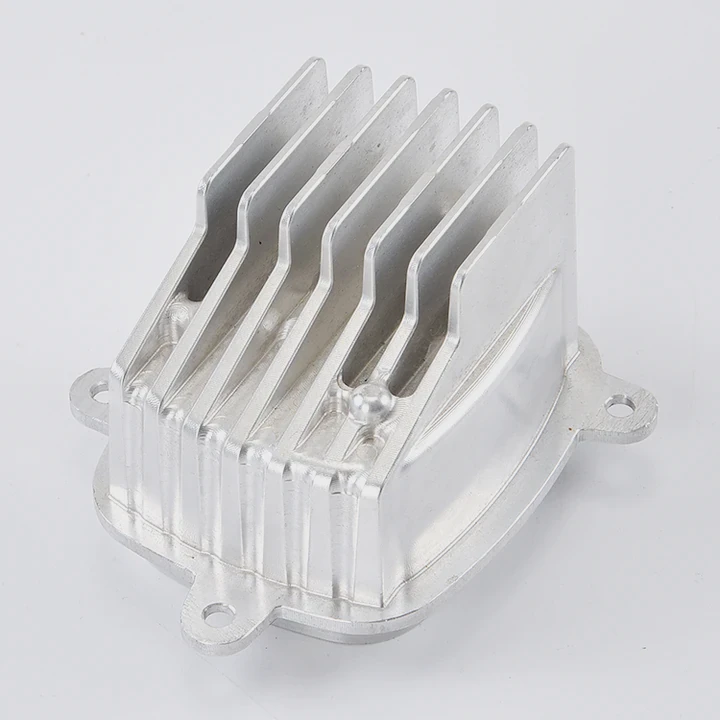
Thin vapor chambers provide heat dissipation without fans or bulky heat sinks. They spread heat from processors or batteries across the device’s surface, reducing localized hot zones.
Key design features for wearable use
1. Thickness under 1mm
Most wearable vapor chambers are between 0.4mm and 0.8mm, thinner than a credit card. Special rolling and bonding techniques are used to keep the profile low.
2. Biocompatible coatings
Outer shells are coated with PET, Parylene, or silicone to avoid skin irritation and protect metal surfaces.
3. Lightweight metals
Aluminum or stainless steel is often used instead of copper to cut weight, even if conductivity drops slightly.
4. Integration with battery or casing
Vapor chambers are shaped to double as structural elements, saving space and reducing weight.
Use case: Smartwatch processors
In smartwatches, even a 1W chip can cause discomfort if heat builds under the wrist. A 0.5mm vapor chamber can spread heat into the watch casing, lowering skin contact temperatures.
Comparison of cooling methods in wearables
| Method | Thickness | Performance | Noise | Suitability |
|---|---|---|---|---|
| Vapor Chamber | 0.4–0.8mm | High | Silent | Excellent |
| Heat Pipe | 2–3mm | Moderate | Silent | Poor fit |
| Graphite Sheet | 0.1–0.2mm | Low | Silent | Cheap, less effective |
| Micro Fan | >3mm | High | Audible | Not wearable-friendly |
Vapor chambers offer the best balance of passive cooling and wearability. They are now used in smart glasses, AR headsets, and medical patches.
Conclusion
Vapor chambers are no longer limited to rigid electronics. With ultra-thin foils, flexible wicks, and clever structural design, they can now be part of foldable, wearable, and soft electronics. For engineers building the next generation of heat-sensitive devices, flexible vapor chambers offer a new path forward.
TAGS
Latest Articles

Volume discount levels for heat sink orders?
Buyers often ask when heat sink prices start to drop with volume. Many worry they’re overpaying for small orders. This guide explains how B2B volume pricing works for thermal components. Heat sink
21 Dec,2025
Heat sink long-term supply contract options?
Many buyers want stable pricing and reliable delivery for heat sinks. But without a clear contract, risks grow over time. This article explores how to secure better long-term supply deals. Long-term
21 Dec,2025
Tooling cost for new heat sink profiles?
Many engineers struggle to understand why tooling for custom heat sinks costs so much. They worry about budgeting and production timelines. This article breaks down the cost drivers behind tooling.
21 Dec,2025
Heat sink custom sample process steps?
Sometimes, starting a custom heat sink project feels overwhelming—too many steps, too many unknowns, and too many risks. You want a sample, but not endless delays. The process for requesting and
20 Dec,2025
Standard B2B terms for heat sink payments?
When buyers and sellers in B2B heat sink markets talk about payment, many don’t fully understand what’s standard. This can lead to delayed orders, miscommunication, and even lost business
20 Dec,2025
Heat sink pricing factors for large orders?
Heat sinks are vital for many systems. When prices rise, projects stall and budgets break. This problem can hit teams hard without warning. Large order heat sink pricing depends on many factors. You
20 Dec,2025Related Articles
- Typical porosity limits for Vapor Chamber material?
- Vapor Chamber bonding adhesive requirements?
- Can Vapor Chamber reduce overheating issues?
- Vapor Chamber for handheld electronics?
- Does Vapor Chamber increase performance stability?
- How to choose Vapor Chamber thickness?
- Can Vapor Chamber improve battery safety?
- Vapor Chamber for industrial automation systems?
- Does Vapor Chamber pass aging tests?
- Vapor Chamber suggested testing frequency?
- How to calibrate Vapor Chamber testing equipment?
- Coating choices for Vapor Chamber exterior?
Author
Dr. Emily Chen
Chief AI Researcher
Leading expert in thermal dynamics and AI optimization with over 15 years of experience in data center efficiency research.
Categories
Latest Products






Recommend Categories
- Liquid cooling plate Manufacturer
- Industrial Heat Sink Manufacturer
- Standard Heat Sink Manufacturer
- Aluminum Heat Sink Manufacturer
- Copper Heat Sink Manufacturer
- Anodized Heatsink Manufacturer
- Stamping heat sink Manufacturer
- Die Casting Heatsink Manufacturer
- Soldering heat sink Manufacturer
- CNC Parts Manufacturer
Latest Products
- Wholesale Aluminum Radiator
- Water Cooling Plate Kit
- Water Cooling Heat Sink
- Water Cooling Heat Sink Kit
- Stainless Steel Water Distributor
- Server Water Cooling Plate Kit
- Server Liquid Cooling System
- Server Aluminum Cooling Kit
- S19 Full Cover Cooling Plate
- S19 Cooling Plate Kit
- S19 Aluminum Cooling Plate
Contact Expert
Have questions about this article? Reach out to our experts directly.