Vapor Chamber OEM price request?
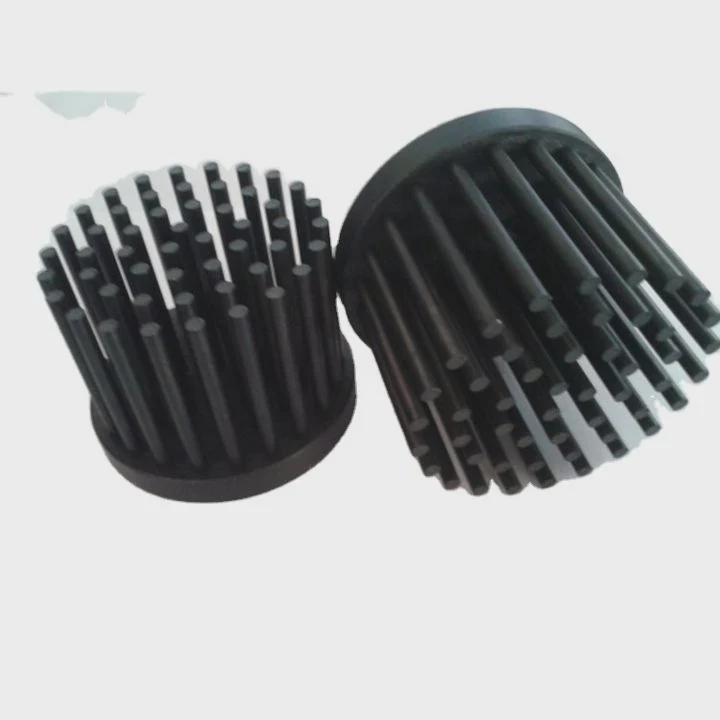
In a B2B custom‑manufacturing deal, not knowing what drives price in a vapor chamber OEM quote means risk of unexpected cost increases or hidden fees.
When requesting an OEM quote for a vapor chamber (VC), you should expect pricing to reflect raw‑material cost, design/complexity, tooling & NRE, order volume, and supplier region/quality‑tier.
Let’s examine how to frame your request, what to ask suppliers, and how you as a buyer (especially in custom thermal‑management) can interpret and negotiate the quote.
What factors affect the OEM price of a Vapor Chamber?
Think of a VC as a specialised heat‑spreader with tight tolerances, often custom materials and processes. Many cost‑drivers exist.
Major factors include raw materials (copper, aluminium), manufacturing complexity (laser welding, etching, wick structure), yield/defects, tooling and setup, order quantity, and supplier region/labour cost.
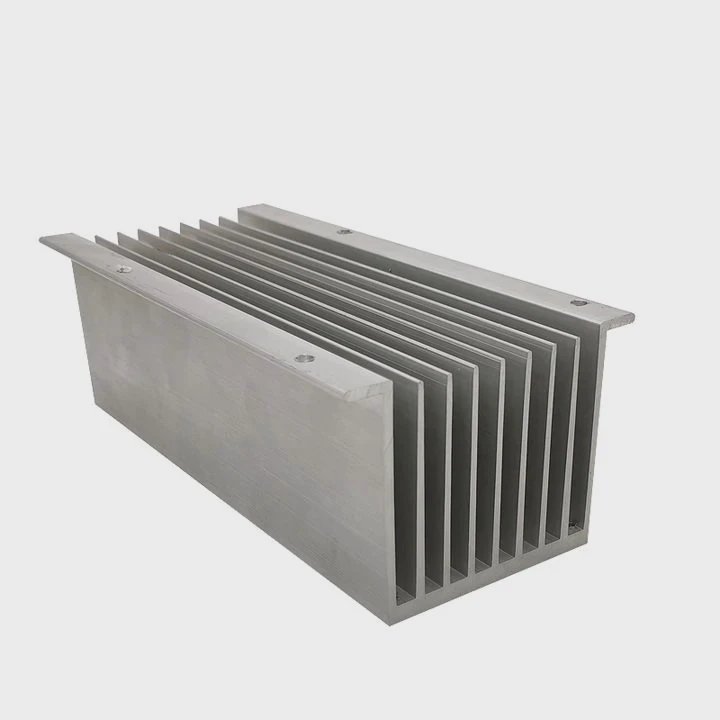
Material & process cost
- Copper or other high‑conductivity alloys cost more than standard aluminium.
- The thickness, surface finish, internal wick design, vapor space, and vacuum integrity all increase complexity and cost.
- More advanced structures, like ultra‑thin or multi‑channel vapor chambers, require higher-end manufacturing.
Tooling, setup & yield
- Custom tooling such as stamps, laser weld fixtures, and vacuum chambers are fixed costs that are spread over production runs.
- Lower yield rates from micro-leaks, warping, or bonding issues increase per-unit cost.
- Small batches often mean higher per-unit tooling cost.
Order quantity & amortisation
- Large orders reduce per‑unit cost through economies of scale.
- Bulk raw material purchases lower cost.
- Stable orders enable efficient production scheduling.
Supplier region, labour cost & certification
- Suppliers in low-cost countries may offer cheaper labor, but import duties and shipping need to be considered.
- Certified suppliers (ISO, IATF, EN standards) include testing and traceability, which raise costs.
Design specification & performance demands
- Higher thermal performance or complex shapes increase cost.
- Features like ultra‑thin walls or multi‑layer designs are expensive to manufacture.
- Tighter tolerances or more testing (for sectors like aerospace or medical) also add cost.
Summary table of cost‑drivers
| Cost driver | Impact on OEM quote | What buyer should ask |
|---|---|---|
| Raw material (copper vs aluminium) | Higher cost for premium materials/processes | What alloy, thickness, finish used |
| Tooling/setup & yield | Large fixed cost & scrap affect unit price | What tooling cost, expected yield |
| Order quantity | Bigger runs = lower unit cost | What MOQ for quoted price? |
| Supplier region & certifications | Quality & certifications add cost | What standards/certs included? |
| Specification/complexity | Custom shapes/higher performance = premium | What performance spec drives cost? |
When you send an “OEM price request”, include:
- Material type and thickness
- Dimensions and shape (flat, bent, channel)
- Internal wick structure and surface finish
- Order volume (initial + forecast)
- Certifications required
- Test and inspection requirements
- Delivery schedule
How do custom specifications influence OEM pricing?
When a vapor chamber is standard versus fully custom, the price difference can be significant.
Custom specifications increase OEM pricing because they add tooling costs, lower economies of scale, more complex processes, higher risk and lower yield.
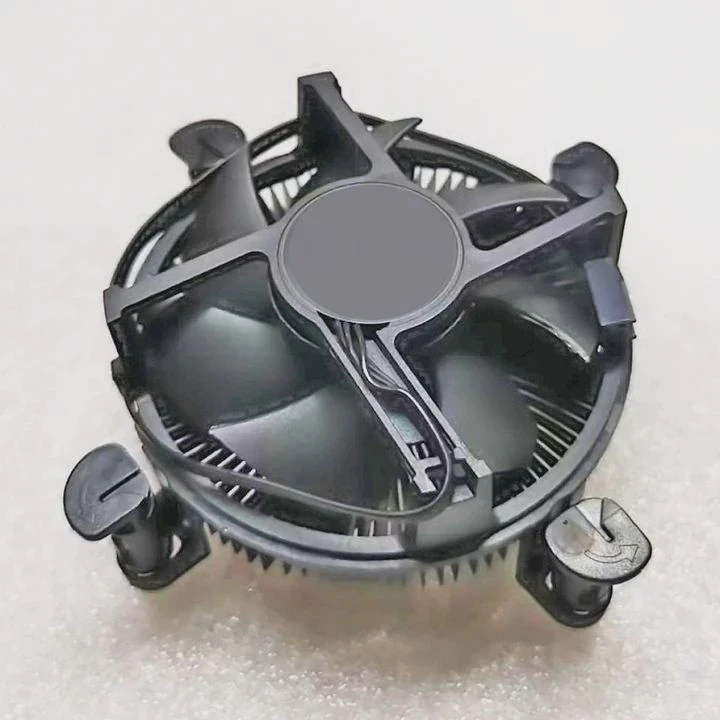
Tooling & NRE
New shapes, internal structures, or dimensions require dedicated tooling and engineering time. These are one-time costs that must be paid upfront or amortised.
Throughput & yield
Custom items often need more adjustments, tighter process controls, and lead to higher scrap rates. All of this raises cost.
Special design features
Thin walls, complex internal networks, or hybrid structures (integrated fins or sensors) increase manufacturing difficulty and cost.
Production volume
Low production runs don’t offset setup costs. If your design is not shared across other clients, all cost rests on your batch size.
Standard vs custom spec pricing
| Spec Type | Description | Effect on price |
|---|---|---|
| Standard catalogue part | Off‑the‑shelf size/material, minimal spec | Lower cost, shorter lead time |
| Modified standard | Minor changes (size tweaks, finish) | Moderate cost uplift |
| Fully custom | New size, material, internal structure | Higher tooling and per‑unit cost |
Buyer actions
- Ask for a detailed quote that separates tooling/NRE and unit cost.
- Clarify amortisation basis (how many units to offset tooling cost).
- If placing long-term orders, negotiate lower tooling fees or full amortisation.
- Align custom specs with future product lines to justify investment.
Is tooling cost included in OEM price quotes?
This is one of the most common sources of confusion. Always ask.
In many cases tooling / setup cost is separate from the per‑unit price, or quoted as “tooling cost + unit price at X quantity”. You should ask suppliers explicitly about inclusion of tooling cost.
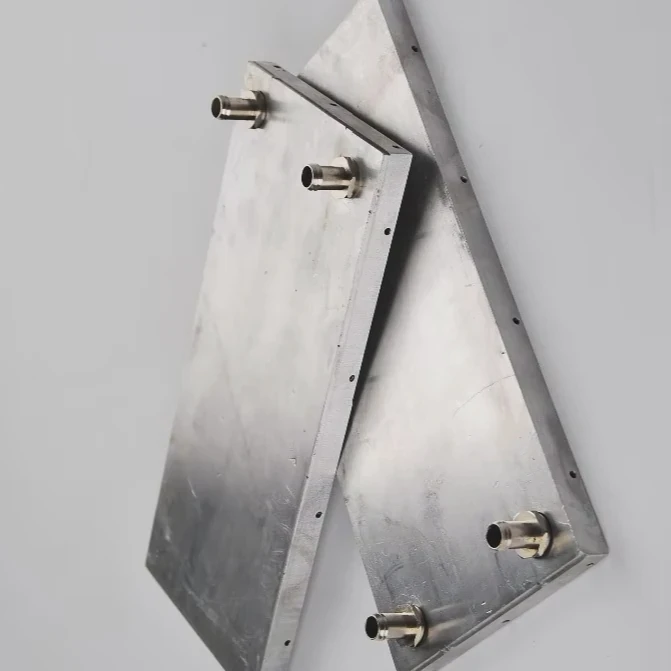
What to clarify
- Is tooling listed as a separate line item?
- If included in unit cost, over how many units is it amortised?
- Is tooling cost one-time or per revision?
- Will future orders have lower price once tooling is recouped?
Why this matters
- Tooling cost can distort per‑unit pricing, especially in small batches.
- If hidden in unit price, your scaling expectations might be inaccurate.
- In custom components like vapor chambers, tooling can exceed several thousand dollars.
Sample breakdown you should request
| Item | Description | Supplier should provide |
|---|---|---|
| Tooling/setup/NRE | One‑time cost to create tooling, fixtures | Yes |
| Unit price at MOQ | Unit cost at specified smallest order volume | Yes |
| Volume tiers & unit price drop | E.g., 10k units = \(X, 50k units = \)Y | Yes |
| Tooling amortised units | Over how many units tooling is recovered | Yes |
Negotiation tips
- For multi-year commitments, ask tooling to be spread across volumes.
- Secure a price-drop clause after tooling recovery.
- Use tooling alignment across product lines to share costs.
Can bulk orders reduce the Vapor Chamber OEM price?
Volume is a buyer’s most powerful tool when negotiating OEM pricing.
Yes — bulk orders allow the supplier to spread fixed costs (tooling/setup), negotiate better material prices, increase throughput and yield, which all lower the per‑unit OEM price.
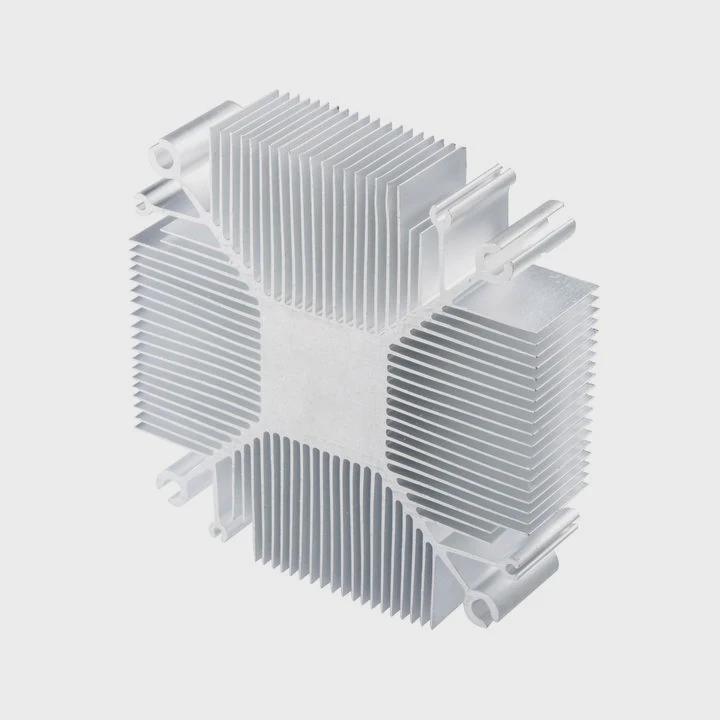
Volume-based savings
Fixed cost dilution
More units means tooling and setup cost spread thinly across production. A \(50,000 tool spread over 5,000 units adds \)10/unit; over 100,000 units, only $0.50/unit.
Material purchasing
Larger orders give suppliers leverage to buy copper, aluminum, and components at better rates.
Production stability
High volume orders reduce line changeovers and increase efficiency, lowering scrap and labor cost.
Supplier incentives
Suppliers often offer tiered pricing:
- 5,000 units = $10/unit
- 20,000 units = $8/unit
- 100,000 units = $6/unit
Pricing tiers summary
| Order volume | Effect on unit cost | Buyer action |
|---|---|---|
| Small batch (<5k) | High cost due to tooling impact | Accept or ask for quote transparency |
| Mid volume (10k–50k) | Better cost, some discount margin | Ask for second-tier pricing |
| High volume (>50k) | Best cost, stronger negotiation power | Negotiate contract-based pricing |
What to ask suppliers
- What’s the MOQ for quoted price?
- What are the price breaks for higher volumes?
- Can unit cost decrease after tooling cost recovery?
- Are there risks in scaling (tool durability, re-setup costs)?
Volume lets you lock in better rates and predict future pricing. For long-term projects, combining annual volume forecasts with a volume-pricing agreement ensures cost stability.
Conclusion
When you request a vapor chamber OEM price, don’t just ask for a number. Instead, ask for tooling costs, volume pricing, spec impacts, and clarity on how pricing adjusts as production scales. Customisation raises cost; tooling is often quoted separately; and bulk orders give you the best leverage. Clear quoting standards help you compare and negotiate better.
TAGS
Latest Articles

Volume discount levels for heat sink orders?
Buyers often ask when heat sink prices start to drop with volume. Many worry they’re overpaying for small orders. This guide explains how B2B volume pricing works for thermal components. Heat sink
21 Dec,2025
Heat sink long-term supply contract options?
Many buyers want stable pricing and reliable delivery for heat sinks. But without a clear contract, risks grow over time. This article explores how to secure better long-term supply deals. Long-term
21 Dec,2025
Tooling cost for new heat sink profiles?
Many engineers struggle to understand why tooling for custom heat sinks costs so much. They worry about budgeting and production timelines. This article breaks down the cost drivers behind tooling.
21 Dec,2025
Heat sink custom sample process steps?
Sometimes, starting a custom heat sink project feels overwhelming—too many steps, too many unknowns, and too many risks. You want a sample, but not endless delays. The process for requesting and
20 Dec,2025
Standard B2B terms for heat sink payments?
When buyers and sellers in B2B heat sink markets talk about payment, many don’t fully understand what’s standard. This can lead to delayed orders, miscommunication, and even lost business
20 Dec,2025
Heat sink pricing factors for large orders?
Heat sinks are vital for many systems. When prices rise, projects stall and budgets break. This problem can hit teams hard without warning. Large order heat sink pricing depends on many factors. You
20 Dec,2025Related Articles
- Usual payment terms for Vapor Chamber orders?
- Heat distribution comparison Vapor Chamber vs. heat pipe?
- Does Vapor Chamber require ventilation space?
- How to protect Vapor Chamber during transit?
- Vapor Chamber global sourcing strategies?
- Common safety concerns for Vapor Chamber use?
- Typical Vapor Chamber mold cost?
- Vapor Chamber quotation based on drawings?
- Vapor Chamber standard Incoterms for export?
- How long to prototype Vapor Chamber?
- Vapor Chamber packaging for export to USA?
- Customs documents needed for Vapor Chamber import?
Author
Dr. Emily Chen
Chief AI Researcher
Leading expert in thermal dynamics and AI optimization with over 15 years of experience in data center efficiency research.
Categories
Latest Products






Recommend Categories
- Liquid cooling plate Manufacturer
- Industrial Heat Sink Manufacturer
- Standard Heat Sink Manufacturer
- Aluminum Heat Sink Manufacturer
- Copper Heat Sink Manufacturer
- Anodized Heatsink Manufacturer
- Stamping heat sink Manufacturer
- Die Casting Heatsink Manufacturer
- Soldering heat sink Manufacturer
- CNC Parts Manufacturer
Latest Products
- Wholesale Aluminum Radiator
- Water Cooling Plate Kit
- Water Cooling Heat Sink
- Water Cooling Heat Sink Kit
- Stainless Steel Water Distributor
- Server Water Cooling Plate Kit
- Server Liquid Cooling System
- Server Aluminum Cooling Kit
- S19 Full Cover Cooling Plate
- S19 Cooling Plate Kit
- S19 Aluminum Cooling Plate
Contact Expert
Have questions about this article? Reach out to our experts directly.