Required energy evaluation for Vapor Chamber?
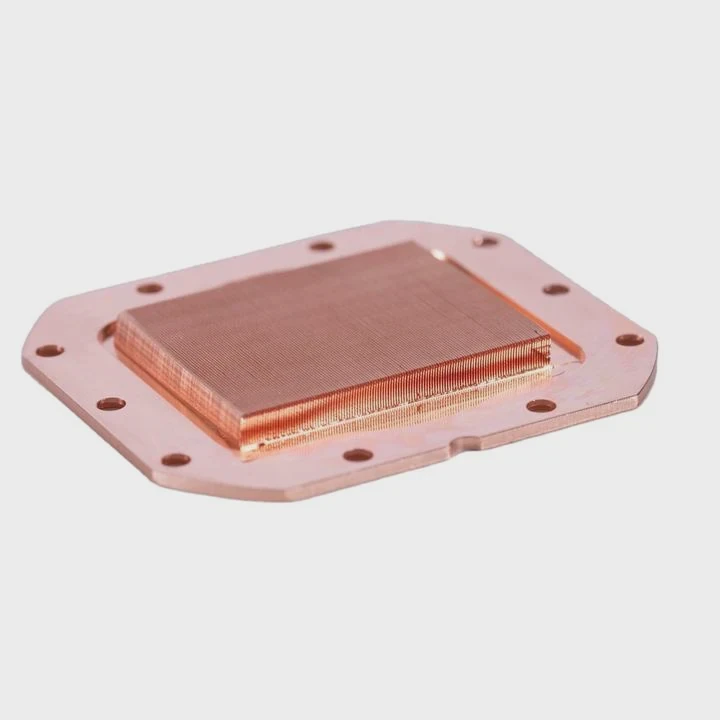
When we pick a cooling module, we often count costs and performance — but we skip how it affects energy use. That can lead to surprise power bills.
Yes. Energy evaluation helps show if a Vapor Chamber system reduces overall energy use without harming cooling performance. It helps compare real‑world efficiency.
Now let’s dig into how we can test, measure, and use energy results to guide choices.
Is energy evaluation required for Vapor Chamber cooling modules?
Many manufacturers focus on heat dissipation capacity or thermal resistance when promoting vapor chamber modules. They talk about how many watts the module can handle, or what temperature drop is possible. Few show how this affects the final energy consumed by the whole system. This creates a risk: a module might cool well, but make fans or pumps work harder, raising total energy use.
Yes. Energy evaluation is important because it ensures overall system power use does not rise while thermal performance improves.
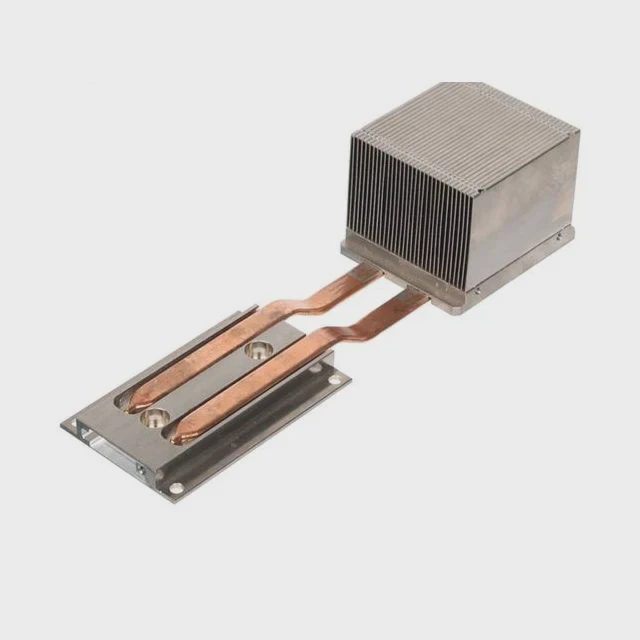
Evaluating energy for a vapor chamber module matters because real systems are more than just the module. In a real application, the module is part of a larger cooling loop. That loop may include fans, pumps, power supplies, control electronics, and even system-level power conversion. If the cooling module reduces thermal load but demands more fan or pump speed to move heat away, the net energy gain might be small or even negative.
Sometimes a pure thermal test would show great heat spread and a lower chip temperature. But under real load, the fans or liquid circulation might run at higher speeds to take advantage of the vapor chamber’s capacity. That increases electrical draw from those components. The net effect could be higher system power draw for the same or slightly better cooling. Without energy evaluation, this remains hidden.
Also, without energy data, comparing different vapor chamber solutions for true efficiency is hard. Two modules may have similar thermal resistance but different impacts on total power draw when installed. One may require strong airflow, whereas another might allow slower fans. The second might lower power use even if thermal specs look similar.
Thus, energy evaluation should be required, when the vapor chamber sits inside a full thermal system.
How is energy efficiency measured for Vapor Chamber systems?
Measuring energy efficiency for a Vapor Chamber cooling system needs looking beyond temperature drop. We must record power draw of all involved parts: module, fans or pumps, and the system under load.
Energy efficiency is measured by comparing total system power use under load, before and after installing the vapor chamber, while tracking cooling performance.
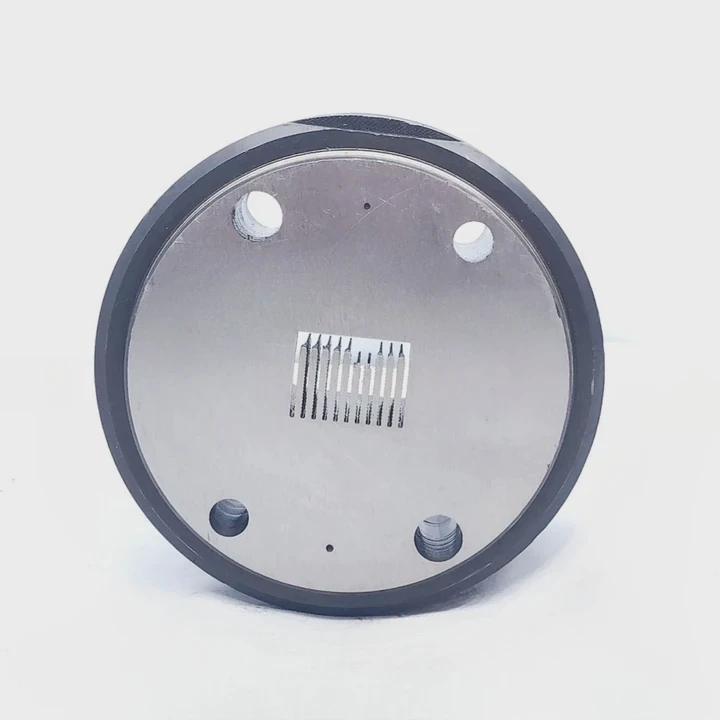
To measure energy efficiency, follow these steps:
- Build a realistic test setup. Use the same hardware except replace only the cooling module. Keep other parts (fans, pumps, case layout) the same.
- Run a representative workload — like CPU/GPU full load, or any device heat source.
- Measure input power for the whole system: use a power meter at AC input or DC rail.
- Measure thermal behavior: track key component temperatures, case temperature, ambient temperature.
- Compare two setups: one with conventional cooling, one with vapor chamber. Note power difference and temperature difference.
From these data one can derive:
- Energy per unit of heat removed (e.g. watts consumed per watt heat load)
- Efficiency gains or losses (energy saved vs. energy spent)
- Impact on system-level thermal stability and margin
A simple table helps clarify metrics:
| Metric | Description |
|---|---|
| Input Power (W) | Total system power draw under load with traditional cooling |
| Input Power (W, Vapor) | Total system power draw under load with vapor chamber cooling |
| Temperature (°C) | Key component temperature under both setups |
| Δ Power (W) | Difference in power draw (Traditional vs Vapor) |
| Δ Temp (°C) | Difference in temperature under both setups |
| Energy Efficiency Ratio | (Heat removed / Energy consumed) or (Power draw reduction per °C saved) |
These metrics show if a vapor chamber makes sense not only thermally but also energy‑wise.
Also note ambient conditions. Test ambient temperature and humidity should remain same. Fan/pump speeds should be monitored. Ideally fan/pump control should remain identical or auto‑controlled in the same way. Otherwise offset from fan efficiency may distort results.
If a vapor chamber lets fans run slower for same temperature, that yields energy savings. If it forces fans or pumps to run faster, savings may be lost.
Thus careful measurement is key. Relying only on thermal resistance specs mislead. Real energy use counts more.
Do manufacturers provide energy savings data for Vapor Chambers?
Most manufacturers publish thermal resistance numbers or watt‑handling capacity. Few publish full system energy use data for vapor chambers under real load. That leaves buyers guessing about total system energy effects.
Many manufacturers do not provide energy savings data. Buyers often get only thermal specs, not real energy‑consumption benchmarks.
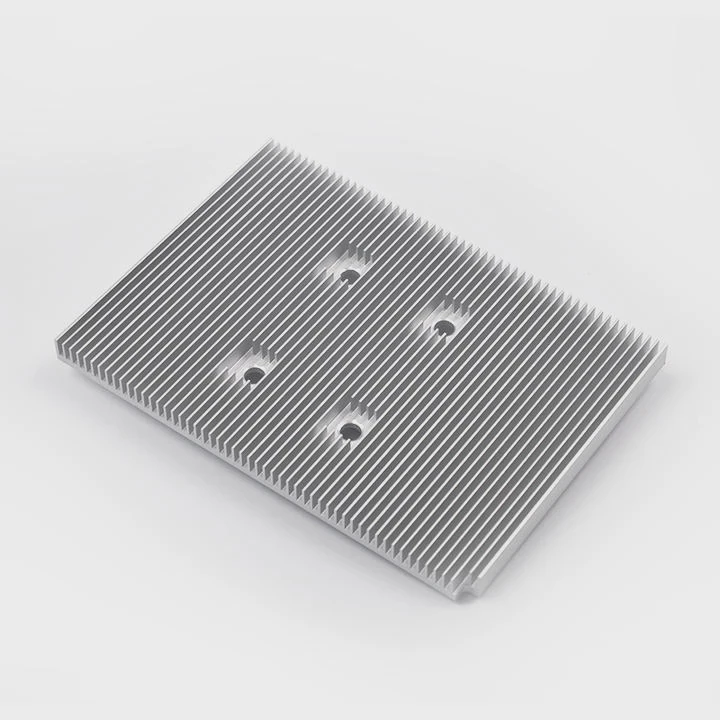
There are a few reasons for lack of data. First, thermal specs are easier to measure and control in lab: temperature drop, thermal resistance, heat flux. Second, system-level energy consumption depends on many variables outside manufacturer scope: hardware configuration, fan layout, case design, ambient environment. Manufacturers may not want to claim energy savings that depend heavily on external factors.
Some advanced vendors supply application notes or “system benchmark” reports. Those reports sometimes include power draw before and after installing vapor chamber modules. But those cases are limited to specific hardware (e.g. a particular server configuration or GPU card). They rarely generalize.
When such data is offered, equipment buyers should treat it carefully. The data only applies to the tested configuration. Using the same module in different hardware may produce different energy effects.
Also, energy savings vary with workload. For a heavy, sustained workload (like continuous GPU or CPU load), a vapor chamber might show energy gains because fans run slower or pump uses less power. But for light load or burst operation, savings may shrink or vanish.
Finally, some manufacturers include thermal resistance tests at fixed heat load (e.g. 200 W, 300 W) and fixed airflow parameters. That gives a baseline. But without power measurements, it doesn’t tell about actual energy use.
Because of these limits, buyers should not rely solely on manufacturer specs. Instead they should plan their own energy tests, or require vendors to share real-world data for their specific application.
Are energy audits needed prior to selection of Vapor Chamber?
Choosing a vapor chamber module without an energy audit can lead to inefficiency. An energy audit helps reveal hidden costs and potential gains.
Yes. An energy audit is advisable before selecting a vapor chamber to ensure that total system power use improves, not worsens.
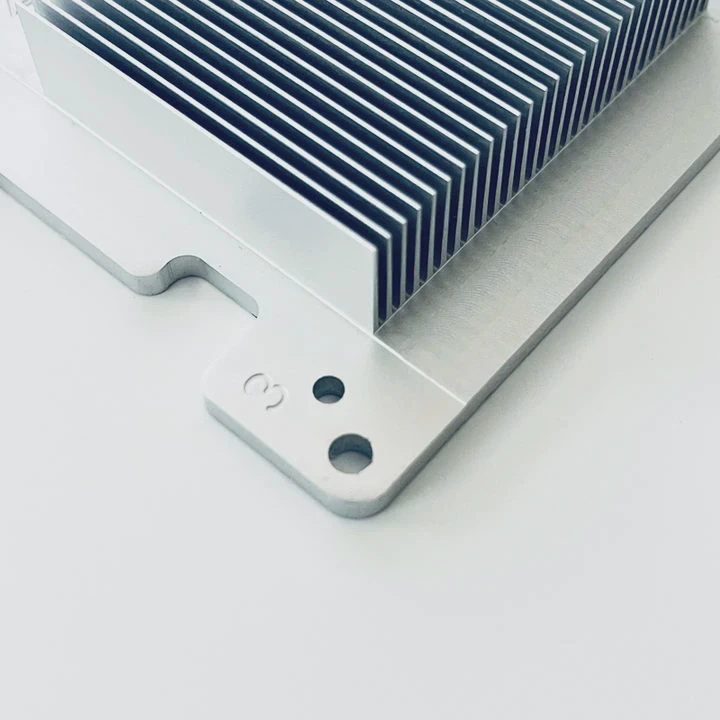
When planning a vapor chamber for a new system, an energy audit should include: existing cooling setup power draw, expected heat load, fan or pump power curves, ambient conditions, and case air flow constraints. This audit gives baseline against which vapor chamber benefits can be measured.
If the audit shows that current cooling uses high fan or pump power for minimal cooling gain, vapor chamber may help reduce power. If current system already runs efficiently (fans at low speed, minimal power draw), added complexity of vapor chamber may not pay off.
Better auditing involves scenario analysis. For example, a server may run heavy load 50% of time, idle 50% of time. Cooling need during idle is low. In that case energy savings from vapor chamber may be minimal during idle — but vapor chamber may allow fan to spin down more, saving power. On the other hand, if system rarely cools down quickly, the benefit may be limited.
Audit also helps check integration risks. Vapor chamber needs good contact, proper mounting pressure, even heat-spreader surface. If mechanical structure is poor, thermal contact may degrade, requiring additional fan boost — which negates savings. Audit can flag these risks before purchase or integration.
Below is a simple audit checklist:
| Item to Audit | Why It Matters |
|---|---|
| Current System Power Draw (Idle & Load) | Establish baseline for comparison |
| Heat Load Profile | Understand what cooling capacity is needed |
| Fan/Pump Power vs Airflow Curve | See how much energy is spent on cooling |
| Case Airflow & Ambient Conditions | Good airflow ensures vapor chamber works properly |
| Mechanical Contact & Mounting Quality | Ensure thermal contact for efficient heat spread |
| Expected Workload Patterns (Duty Cycle) | Determine if savings occur under real use |
The audit may also include projected savings calculation: if vapor chamber reduces fan/pump power by X Watts at load and idle, what is the net annual energy and cost savings (assuming usage hours). This gives a clear ROI.
Without such audit, selection becomes guesswork. Inefficiency, overheating, or wasted money may result.
Conclusion
Energy evaluation matters for vapor chambers because real cooling gains must come with real energy savings. Measuring full‑system power helps make wise choices. Audits before selection avoid surprise energy waste. Good evaluation means better cooling and lower costs.
TAGS
Latest Articles

Volume discount levels for heat sink orders?
Buyers often ask when heat sink prices start to drop with volume. Many worry they’re overpaying for small orders. This guide explains how B2B volume pricing works for thermal components. Heat sink
21 Dec,2025
Heat sink long-term supply contract options?
Many buyers want stable pricing and reliable delivery for heat sinks. But without a clear contract, risks grow over time. This article explores how to secure better long-term supply deals. Long-term
21 Dec,2025
Tooling cost for new heat sink profiles?
Many engineers struggle to understand why tooling for custom heat sinks costs so much. They worry about budgeting and production timelines. This article breaks down the cost drivers behind tooling.
21 Dec,2025
Heat sink custom sample process steps?
Sometimes, starting a custom heat sink project feels overwhelming—too many steps, too many unknowns, and too many risks. You want a sample, but not endless delays. The process for requesting and
20 Dec,2025
Standard B2B terms for heat sink payments?
When buyers and sellers in B2B heat sink markets talk about payment, many don’t fully understand what’s standard. This can lead to delayed orders, miscommunication, and even lost business
20 Dec,2025
Heat sink pricing factors for large orders?
Heat sinks are vital for many systems. When prices rise, projects stall and budgets break. This problem can hit teams hard without warning. Large order heat sink pricing depends on many factors. You
20 Dec,2025Related Articles
- Vapor Chamber for thermal cycling environments?
- Can Vapor Chamber be combined with heat sinks?
- Reliable bonding method for Vapor Chamber joints?
- How clean should Vapor Chamber surfaces be?
- Is Vapor Chamber suitable for mass production?
- Vapor Chamber documentation required for customs
- Cost saving ideas for Vapor Chamber production?
- Vapor Chamber functional testing standards?
- Estimated lifespan of Vapor Chamber in industry?
- Vapor Chamber technical support availability?
- Is Vapor Chamber recyclable material?
- Demand trend for Vapor Chamber manufacturing
Author
Dr. Emily Chen
Chief AI Researcher
Leading expert in thermal dynamics and AI optimization with over 15 years of experience in data center efficiency research.
Categories
Latest Products






Recommend Categories
- Liquid cooling plate Manufacturer
- Industrial Heat Sink Manufacturer
- Standard Heat Sink Manufacturer
- Aluminum Heat Sink Manufacturer
- Copper Heat Sink Manufacturer
- Anodized Heatsink Manufacturer
- Stamping heat sink Manufacturer
- Die Casting Heatsink Manufacturer
- Soldering heat sink Manufacturer
- CNC Parts Manufacturer
Latest Products
- Wholesale Aluminum Radiator
- Water Cooling Plate Kit
- Water Cooling Heat Sink
- Water Cooling Heat Sink Kit
- Stainless Steel Water Distributor
- Server Water Cooling Plate Kit
- Server Liquid Cooling System
- Server Aluminum Cooling Kit
- S19 Full Cover Cooling Plate
- S19 Cooling Plate Kit
- S19 Aluminum Cooling Plate
Contact Expert
Have questions about this article? Reach out to our experts directly.