what heatsink should i get for i7 6700?
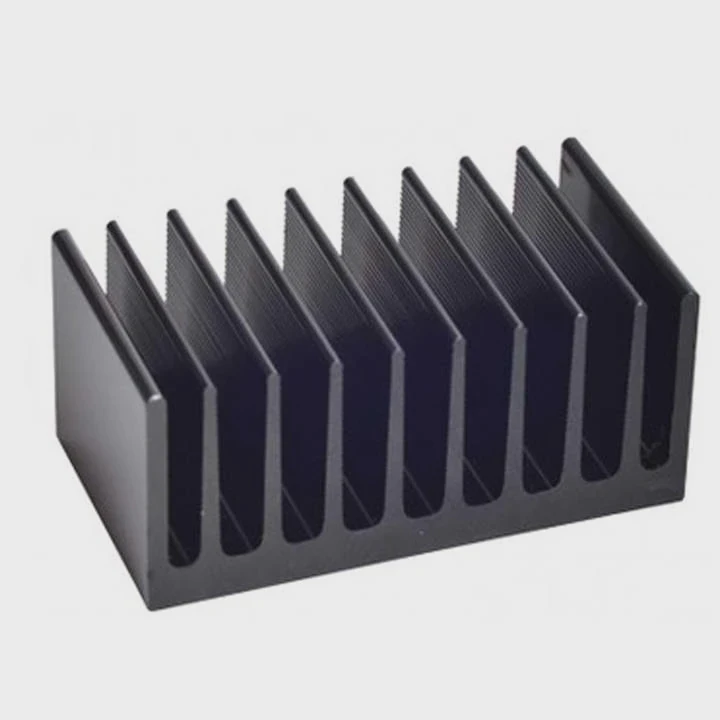
Choosing a heatsink for an i7-6700 seems simple, but cooling quality changes a lot depending on size, design, and case space.
The i7-6700 works best with a cooler that matches its TDP, fits the Skylake socket layout, uses a strong tower or mid-size air design, and fits inside the case without airflow blockage.
I have seen many i7 systems throttle only because the cooler was too small or installed in a tight case. A clear method removes uncertainty.
Why TDP dictates cooler size?
The i7-6700 is not a hot CPU, but it still needs a cooler that handles bursts of heat during gaming or workloads.
TDP dictates cooler size because the cooler must handle the processor’s maximum thermal load. A cooler below the CPU’s heat output will cause high temperatures and throttle performance.
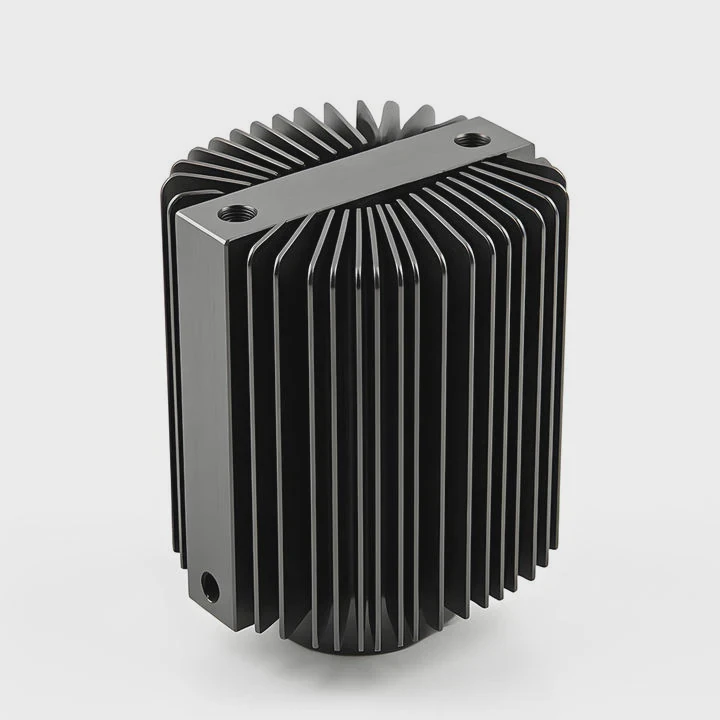
Why matching TDP matters
TDP reflects how much heat the CPU releases during sustained use. A cooler with the same or higher TDP rating keeps temperatures stable during long tasks.
TDP guidance chart
| CPU TDP | Recommended Cooler |
|---|---|
| 65W (i7-6700) | Mid-size air or basic tower |
| 90W+ | Large tower |
| 125W+ | High-end air or liquid |
A deeper view of TDP choice
The i7-6700 has a 65W TDP, which seems low, but boost modes and real workloads often raise effective thermal output. Many users pick a small cooler, thinking the CPU is “easy to cool,” but heat spikes during long sessions still overwhelm tiny coolers.
A cooler with good TDP overhead handles these spikes smoothly. It allows the fan to spin slower, which reduces noise. A small cooler, even if it can keep temps safe, often stays at high fan speeds. This creates loud operation and unstable temperatures.
Ambient temperature also affects cooler choice. In warm rooms, the processor needs more cooling capacity. A marginal cooler struggles. A cooler with extra TDP headroom gives consistent performance in all seasons. For i7-6700 systems, a mid-size or tower unit is a safe and quiet choice.
Which air coolers fit Skylake sockets?
Skylake uses the LGA1151 socket. Many coolers fit the LGA115x pattern, but bracket quality and pressure design vary widely.
Most modern air coolers fit LGA1151 because their mounting kits support LGA115x spacing. Any cooler with an LGA115x-compatible bracket will work with the i7-6700.
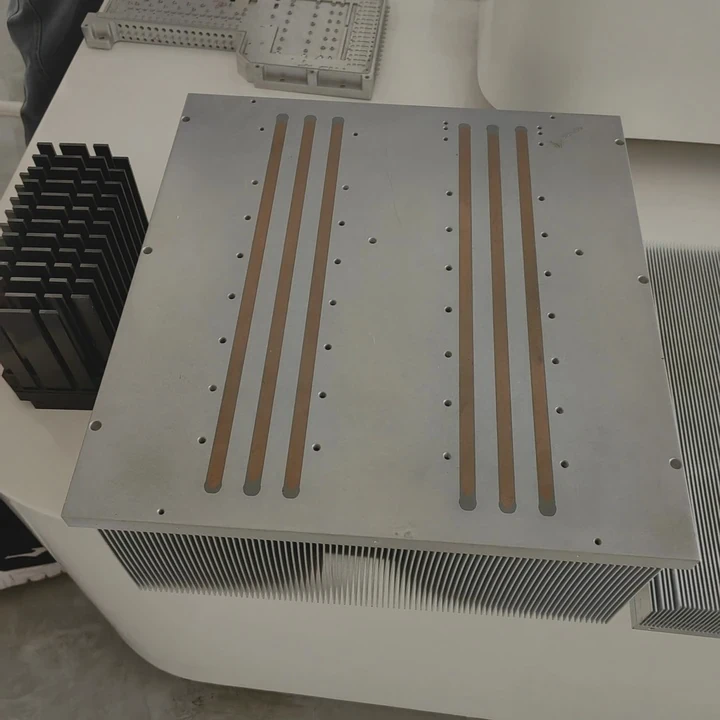
Why socket compatibility is easy
Intel kept LGA115x mounting holes consistent across generations. This makes cooler compatibility simple.
Common cooler compatibility list
| Cooler Type | LGA1151 Support |
|---|---|
| Budget air coolers | Yes |
| Mid-range towers | Yes |
| Large twin-tower coolers | Yes, if case fits |
A deeper view of mounting design
Coolers for LGA1151 use a standard hole spacing, so most models include the right brackets. But the mounting hardware quality changes pressure, alignment, and contact. A sturdy mounting kit with metal brackets provides even pressure across the CPU heat spreader. Weak plastic mounts may tilt the cooler, reducing performance.
Some coolers designed for many sockets include adjustable plates. These plates must be set to the correct LGA115x position. Incorrect positioning creates uneven sits or loose mounts. Always check the bracket alignment before tightening.
Skylake processors have a thinner substrate than some earlier CPUs. This makes correct mounting pressure important. Good coolers use springs that prevent excessive force. Excess pressure can bend the CPU or motherboard. Many mid-size and premium coolers handle this well, making them a better option for consistent results.
Can tower designs improve temps?
Tower coolers move air in a straight path. This often improves thermal efficiency, especially in well-designed cases.
Yes, tower designs improve temps because they align airflow with case fans, use tall fin stacks, and spread heat through multiple heatpipes for stronger cooling.
Why tower designs work well
Tower coolers use vertical fin stacks. They move heat away from the socket area and allow case airflow to remove warm air quickly.
Airflow benefits of tower coolers
| Feature | Cooling Advantage |
|---|---|
| Vertical fin stack | Smooth front-to-back airflow |
| Multiple heatpipes | Faster heat spreading |
| Large surface area | Lower temperatures |
A deeper look at tower efficiency
Tower coolers point airflow toward the rear exhaust fan. This creates a direct cooling path. Hot air leaves the case without looping around the motherboard. This path is efficient and reduces hotspot buildup.
Tower coolers typically have more fins than low-profile designs. More fins mean more area to release heat. The heatpipes draw energy from the CPU and distribute it across the entire stack. With more area, the cooler dissipates heat faster.
Single-tower designs work well for the i7-6700. Twin-tower models usually add even more cooling, but they may be unnecessary unless the system has poor airflow or uses heavy workloads.
The fan size also matters. Tower coolers often use 120 mm or 140 mm fans. These move more air at lower speeds, creating quieter operation. Quiet systems often rely on tower designs for this reason.
Tower designs also help VRM cooling. As the fan moves air across the motherboard, nearby components get extra airflow. This improves system stability. For the i7-6700, which does not run extremely hot, a single tower cooler provides excellent performance with minimal noise.
Do case sizes limit options?
Even the best heatsink fails if the case cannot fit it. Case clearance and airflow shape final cooling performance.
Yes, case size limits options because tall coolers need enough height clearance, proper fan space, and unobstructed airflow. Small cases may require compact coolers instead of full towers.
Why case size matters
Cases vary in CPU cooler height limits. A tall tower cooler may hit the side panel or block memory slots. A compact case needs a low-profile design.
Case clearance chart
| Case Type | Cooler Options |
|---|---|
| Full tower | Any tower cooler |
| Mid tower | Most 120–140 mm towers |
| Mini tower | Compact or low-profile |
| Small form factor | Low-profile only |
A deeper view of case limitations
Case height is the biggest limitation. Many mid-range tower coolers are 150–165 mm tall. Some mid-tower cases limit CPU cooler height to around 150 mm. A larger cooler might not fit. Measuring clearance before buying prevents installation issues.
Memory clearance also plays a role. Many coolers overhang RAM slots. If you use tall RAM modules, some coolers will not fit. Some tower designs offset the fan to avoid blocking memory, but this depends on the specific cooler shape.
Airflow inside the case determines whether a cooler can perform well. If the case lacks front intake fans, even a large tower cooler struggles. Heat must leave the case efficiently. Without airflow, coolers trap heat inside and lose performance.
Small form factor cases often force the cooler to sit close to the side panel. This reduces airflow and increases noise. Low-profile coolers are designed for these conditions, but they do not cool as strongly as towers. For i7-6700 builds in small cases, a quality low-profile or compact tower cooler works best.
Choosing a heatsink always depends on case size. A cooler that fits the case and follows airflow paths performs better than a strong cooler trapped in a tight area.
Conclusion
A good heatsink for the i7-6700 matches its TDP needs, fits the LGA1151 socket, uses a tower design for airflow efficiency, and fits inside the case without clearance issues. These factors ensure quiet, stable, and long-lasting cooling.
TAGS
Latest Articles

Volume discount levels for heat sink orders?
Buyers often ask when heat sink prices start to drop with volume. Many worry they’re overpaying for small orders. This guide explains how B2B volume pricing works for thermal components. Heat sink
21 Dec,2025
Heat sink long-term supply contract options?
Many buyers want stable pricing and reliable delivery for heat sinks. But without a clear contract, risks grow over time. This article explores how to secure better long-term supply deals. Long-term
21 Dec,2025
Tooling cost for new heat sink profiles?
Many engineers struggle to understand why tooling for custom heat sinks costs so much. They worry about budgeting and production timelines. This article breaks down the cost drivers behind tooling.
21 Dec,2025
Heat sink custom sample process steps?
Sometimes, starting a custom heat sink project feels overwhelming—too many steps, too many unknowns, and too many risks. You want a sample, but not endless delays. The process for requesting and
20 Dec,2025
Standard B2B terms for heat sink payments?
When buyers and sellers in B2B heat sink markets talk about payment, many don’t fully understand what’s standard. This can lead to delayed orders, miscommunication, and even lost business
20 Dec,2025
Heat sink pricing factors for large orders?
Heat sinks are vital for many systems. When prices rise, projects stall and budgets break. This problem can hit teams hard without warning. Large order heat sink pricing depends on many factors. You
20 Dec,2025Related Articles
- are m2 ssd heatsinks recommended?
- how to pain heatsinks?
- how to clip fan to heatsink?
- is it better to get ssd with heatsink?
- how to choose a heatsink for cpu?
- do you put thermal paste on the cpu and heatsink?
- do i need heatsink for nvme ssd?
- does r16 nvme slot comes with heatsink?
- is it okay to clean a heatsink with canned air?
- should i change cpu heatsink when system is hot?
- what does a motherboard heatsink do?
- what does a cpu heatsink do?
Author
Dr. Emily Chen
Chief AI Researcher
Leading expert in thermal dynamics and AI optimization with over 15 years of experience in data center efficiency research.
Categories
Latest Products
M.2 Heatpipe Heatsink With Dual Fans For Pc Case
19 Mar,2026
Heavy-Duty Aluminum Heat Sink Custom
19 Mar,2026
Oem Skived Fin Heatsink Aluminum Radiator For Plants
19 Mar,2026
Water Cooled Cnc Aluminum Heat Sink For Medical
19 Mar,2026
High Density 6000 Series Aluminum Heat Sink Profile
19 Mar,2026
High-Density Extruded Aluminum & Bonded-Fin Heat Sink Profile
19 Mar,2026
Recommend Categories
- Liquid cooling plate Manufacturer
- Industrial Heat Sink Manufacturer
- Standard Heat Sink Manufacturer
- Aluminum Heat Sink Manufacturer
- Copper Heat Sink Manufacturer
- Anodized Heatsink Manufacturer
- Stamping heat sink Manufacturer
- Die Casting Heatsink Manufacturer
- Soldering heat sink Manufacturer
- CNC Parts Manufacturer
Latest Products
- M.2 Heatpipe Heatsink With Dual Fans For Pc Case
- Heavy-Duty Aluminum Heat Sink Custom
- Oem Skived Fin Heatsink Aluminum Radiator For Plants
- Water Cooled Cnc Aluminum Heat Sink For Medical
- High Density 6000 Series Aluminum Heat Sink Profile
- High-Density Extruded Aluminum & Bonded-Fin Heat Sink Profile
- Dongguan Cnc Aluminum Heat Sink For Led & Brass Parts
- Wholesale Cnc Aluminum Heat Sink - Custom Extruded
- Led Cnc Round Heat Sink With Screw Holes
- Copper Pin-Fin Heat-Sink Large-Area For Photoled Cooling
- Telecom Heatsink Zipper Fin Wcopper Tubes Oem
Contact Expert
Have questions about this article? Reach out to our experts directly.