how to pain heatsinks?
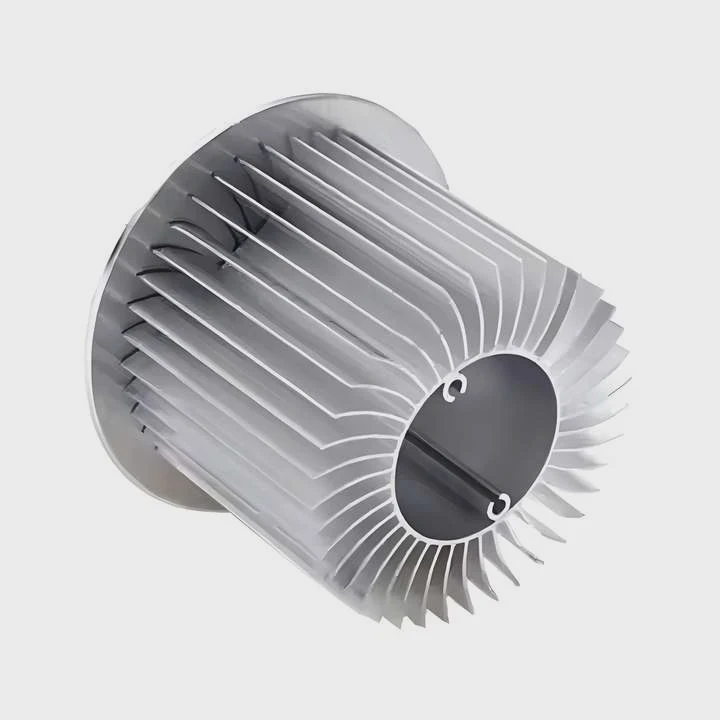
Painting a heatsink seems simple, but the wrong coating hurts cooling performance. Many people try to change color or improve appearance without understanding how surfaces handle heat.
You can paint a heatsink only with thin, high-temperature coatings that avoid blocking heat flow. The coating must stay smooth, heat-resistant, and thin enough to keep thermal performance stable.
I have seen many heatsinks run hotter after casual painting. A clear method helps keep both the look and the cooling quality.
Why coatings affect thermal output?
A heatsink removes heat by spreading it across the fins and releasing it into air. The surface finish changes how this process works.
Coatings affect thermal output because they alter heat transfer on the metal surface. Thick or low-conductivity coatings slow conduction and trap heat instead of releasing it.
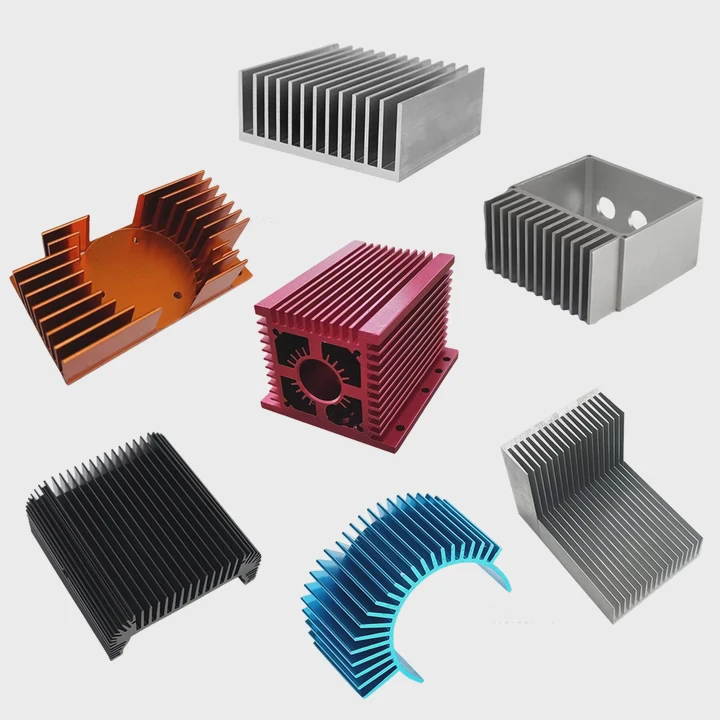
Why surface treatment matters
Metal spreads heat well. Paint does not. When paint forms a barrier, heat must travel through that extra layer. If the coating is too thick, heat meets resistance and cooling slows.
Key coating effects
| Coating Property | Impact on Heatsink |
|---|---|
| Thickness | Controls thermal resistance |
| Conductivity | Affects heat flow |
| Texture | Shapes radiation and airflow |
A deeper view of coating influence
Heatsinks remove heat through conduction, convection, and radiation. Coating changes all three. Bare aluminum or copper conducts heat easily. Adding a coating forces heat to pass through a layer with lower thermal conductivity. This increases thermal resistance.
Convection depends on how easily air flows along the fin surfaces. A rough coating can create small pockets that interfere with airflow. Some textured coatings help radiation but hurt convection. Mixing both effects without balance creates overheating.
Radiation increases when surfaces become darker. This helps slightly at high temperatures. But radiation is a small part of total heat removal in most consumer devices. Convection and conduction matter far more. A coating that improves radiation but blocks conduction harms performance.
Heat cycles also change coatings. Some paints crack when heated and cooled repeatedly. Cracked layers create air pockets. Air is a poor conductor. These gaps reduce heat spreading across the fins. A stable, thin coating avoids this problem.
Many users assume color matters most. Color helps radiation but does not compensate for poor paint chemistry. The key factor is whether the coating resists heat cycles and avoids adding too much thickness. A thin, high-temperature coating keeps the heatsink functioning properly.
Which paints withstand heat?
Not all paints survive high temperatures. Many common paints soften, peel, or bubble under heavy load.
High-temperature paints, ceramic coatings, and specialty anodized finishes withstand heat best. They resist cracking, fading, and thermal shock while staying thin and stable.
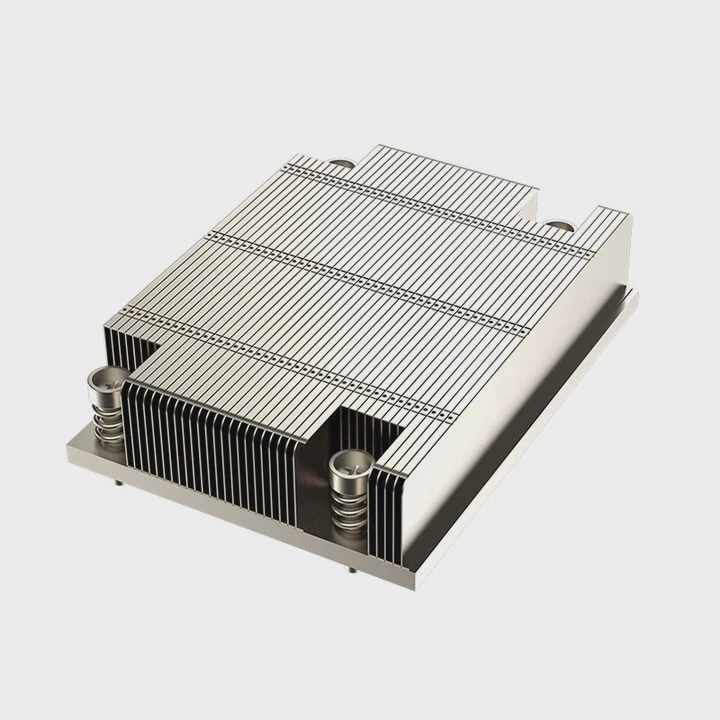
Why high-temperature paint is required
Normal spray paint softens around 90–120°C. Heatsinks often reach similar or higher temperatures during heavy use. A soft coating becomes sticky, traps dust, and forms insulation layers.
Common heat-resistant finishes
| Coating Type | Heat Resistance |
|---|---|
| High-temp enamel | Medium |
| Ceramic paint | High |
| Anodizing | Very high |
A deeper look at paint survival
High-temperature enamel paints use resins that resist softening. They keep their shape under heat cycles. But they may still add thickness if over-applied. Enamel works well for moderate heat devices but may degrade at very high temperatures.
Ceramic coatings use fine ceramic particles suspended in a binder. These coatings resist heat extremely well. They maintain structure above 500°C. They also remain thin. This makes ceramic coatings useful for heatsinks that work in harsh thermal environments. But ceramic coatings vary widely. Some provide good coverage but reduce conductivity. Only thin ceramic layers work well.
Anodizing is not a paint. It converts the aluminum surface chemically. Anodized aluminum has stable thermal properties. The coating is thin and bonded to the metal. This makes it ideal for heatsinks. Black anodizing increases radiation slightly without blocking conduction. This is why many premium heatsinks use anodized layers instead of paint.
Paints designed for engines or grills resist heat better than decorative paints. But they may still create thick layers unless sprayed lightly. The best coatings stay very thin. Even high-temperature paint becomes a problem when applied heavily. Choosing the right type and applying it correctly protects performance.
Can thick layers reduce performance?
Many users think more paint looks better. But extra thickness interferes with heat flow.
Yes, thick layers reduce performance because they add extra insulation. Thick coatings block airflow around fins, slow conduction, and trap heat under the painted surface.
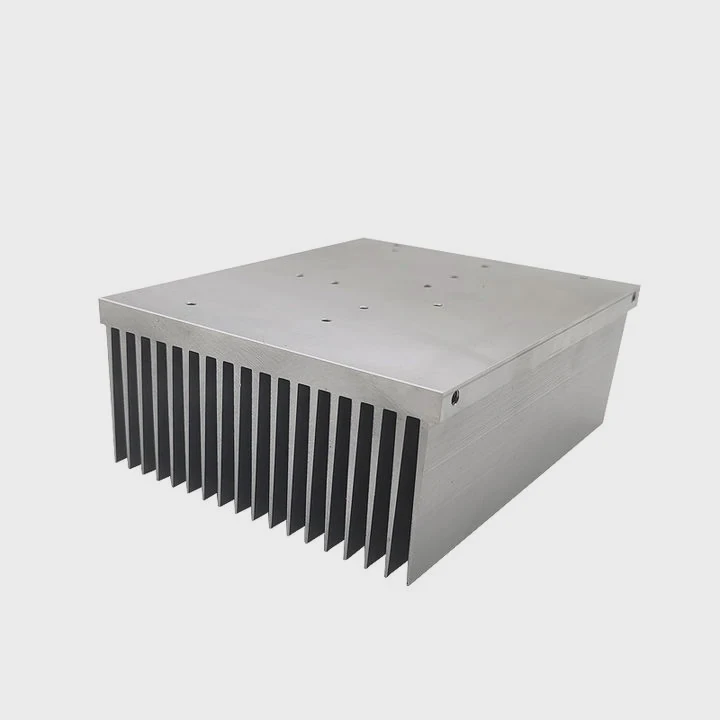
Why thickness matters
The coating becomes a thermal bottleneck when too thick. Even high-quality paint performs poorly when applied in heavy layers. Heatsinks work best when metal stays exposed to air.
Thickness-related issues
| Problem | Cause |
|---|---|
| High temperatures | Thick layers |
| Slow cooling | Blocked airflow |
| Cracks under heat | Rigid coatings |
A deeper view of thickness effects
A heatsink works by moving heat quickly from the base to the fins. Thick paint slows this movement. The paint also increases the boundary layer of air on the fin surface. A thick coating changes fin geometry. It reduces the space between fins. Reduced spacing restricts airflow, making cooling less effective.
A thick coating also behaves like insulation. Even if the paint is heat resistant, most paints still conduct heat far slower than metal. When heat travels from the fin interior to the coating, the thick layer holds heat before releasing it into the air. This delay raises the overall temperature.
Thick coatings may bubble or peel as heat cycles occur. Peeling creates air pockets that block heat flow even more. In some cases, peeling flakes enter fans or vents, causing new problems.
Thick layers also affect mechanical fit. If the heatsink must sit inside a tight bay, thick paint may prevent proper seating. The heatsink may tilt, reducing base contact. Even small misalignments increase thermal resistance at the CPU interface.
Keeping the coating thin is essential. A thin, even coat avoids these performance drops. The goal is appearance without sacrificing cooling.
Should surfaces stay smooth?
Surface smoothness affects how heat moves across metal and how air flows along fins.
Yes, surfaces should stay smooth because smooth coatings reduce airflow resistance, avoid turbulence, and maintain better thermal conduction across the painted surface.
Why smooth texture helps
Rough paint creates uneven micro-pockets. These pockets trap heat and disturb airflow. A smooth finish moves air faster and helps heat escape the fins efficiently.
Key smoothness considerations
| Surface Condition | Effect |
|---|---|
| Smooth | Better heat flow |
| Rough | Turbulence and hot spots |
| Dusty | Blocked airflow |
A deeper look at smooth surfaces
Air travels along fins in thin layers. Smooth surfaces allow air to move steadily. Rough surfaces create micro-eddies. These eddies form small zones of warm air that stick to the surface. This slows heat removal. A smoother paint surface reduces these zones.
Heat conduction also depends on surface quality. The painted layer must contact the metal uniformly. Rough or lumpy paint creates inconsistent thickness. Some areas become thicker barriers. These thick spots raise temperature in local regions.
Smooth surfaces stay cleaner. Dust sticks less to smooth coatings. Dust adds insulation and reduces convection. Keeping surfaces smooth helps the heatsink remain efficient even after months of use.
Applying thin, light coats helps maintain surface quality. Sanding or scuffing may help paint stick, but over-sanding creates roughness. The goal is a light texture for adhesion, followed by a thin final coat. The final surface must remain even.
Smooth coatings also protect the heatsink from oxidation without harming performance. Many anodized black heatsinks remain smooth and effective for long service life. Painted surfaces can achieve similar results only when applied carefully.
Conclusion
Painting a heatsink requires thin, heat-resistant coatings, smooth surfaces, and careful control of thickness. Coatings change thermal output, high-temperature paints withstand heat best, thick layers reduce performance, and smooth surfaces keep cooling strong over time.
TAGS
Latest Articles

Volume discount levels for heat sink orders?
Buyers often ask when heat sink prices start to drop with volume. Many worry they’re overpaying for small orders. This guide explains how B2B volume pricing works for thermal components. Heat sink
21 Dec,2025
Heat sink long-term supply contract options?
Many buyers want stable pricing and reliable delivery for heat sinks. But without a clear contract, risks grow over time. This article explores how to secure better long-term supply deals. Long-term
21 Dec,2025
Tooling cost for new heat sink profiles?
Many engineers struggle to understand why tooling for custom heat sinks costs so much. They worry about budgeting and production timelines. This article breaks down the cost drivers behind tooling.
21 Dec,2025
Heat sink custom sample process steps?
Sometimes, starting a custom heat sink project feels overwhelming—too many steps, too many unknowns, and too many risks. You want a sample, but not endless delays. The process for requesting and
20 Dec,2025
Standard B2B terms for heat sink payments?
When buyers and sellers in B2B heat sink markets talk about payment, many don’t fully understand what’s standard. This can lead to delayed orders, miscommunication, and even lost business
20 Dec,2025
Heat sink pricing factors for large orders?
Heat sinks are vital for many systems. When prices rise, projects stall and budgets break. This problem can hit teams hard without warning. Large order heat sink pricing depends on many factors. You
20 Dec,2025Related Articles
- how to clip fan to heatsink?
- is it better to get ssd with heatsink?
- how to choose a heatsink for cpu?
- do you put thermal paste on the cpu and heatsink?
- can you put ssd with heatsink in laptop?
- how to put a heatsink on motherboard 1366?
- are m2 ssd heatsinks recommended?
- what heatsink should i get for i7 6700?
- do i need heatsink for nvme ssd?
- does r16 nvme slot comes with heatsink?
- is it okay to clean a heatsink with canned air?
- should i change cpu heatsink when system is hot?
Author
Dr. Emily Chen
Chief AI Researcher
Leading expert in thermal dynamics and AI optimization with over 15 years of experience in data center efficiency research.
Categories
Latest Products
M.2 Heatpipe Heatsink With Dual Fans For Pc Case
19 Mar,2026
Heavy-Duty Aluminum Heat Sink Custom
19 Mar,2026
Oem Skived Fin Heatsink Aluminum Radiator For Plants
19 Mar,2026
Water Cooled Cnc Aluminum Heat Sink For Medical
19 Mar,2026
High Density 6000 Series Aluminum Heat Sink Profile
19 Mar,2026
High-Density Extruded Aluminum & Bonded-Fin Heat Sink Profile
19 Mar,2026
Recommend Categories
- Liquid cooling plate Manufacturer
- Industrial Heat Sink Manufacturer
- Standard Heat Sink Manufacturer
- Aluminum Heat Sink Manufacturer
- Copper Heat Sink Manufacturer
- Anodized Heatsink Manufacturer
- Stamping heat sink Manufacturer
- Die Casting Heatsink Manufacturer
- Soldering heat sink Manufacturer
- CNC Parts Manufacturer
Latest Products
- M.2 Heatpipe Heatsink With Dual Fans For Pc Case
- Heavy-Duty Aluminum Heat Sink Custom
- Oem Skived Fin Heatsink Aluminum Radiator For Plants
- Water Cooled Cnc Aluminum Heat Sink For Medical
- High Density 6000 Series Aluminum Heat Sink Profile
- High-Density Extruded Aluminum & Bonded-Fin Heat Sink Profile
- Dongguan Cnc Aluminum Heat Sink For Led & Brass Parts
- Wholesale Cnc Aluminum Heat Sink - Custom Extruded
- Led Cnc Round Heat Sink With Screw Holes
- Copper Pin-Fin Heat-Sink Large-Area For Photoled Cooling
- Telecom Heatsink Zipper Fin Wcopper Tubes Oem
Contact Expert
Have questions about this article? Reach out to our experts directly.