Does LED strip need heatsink?
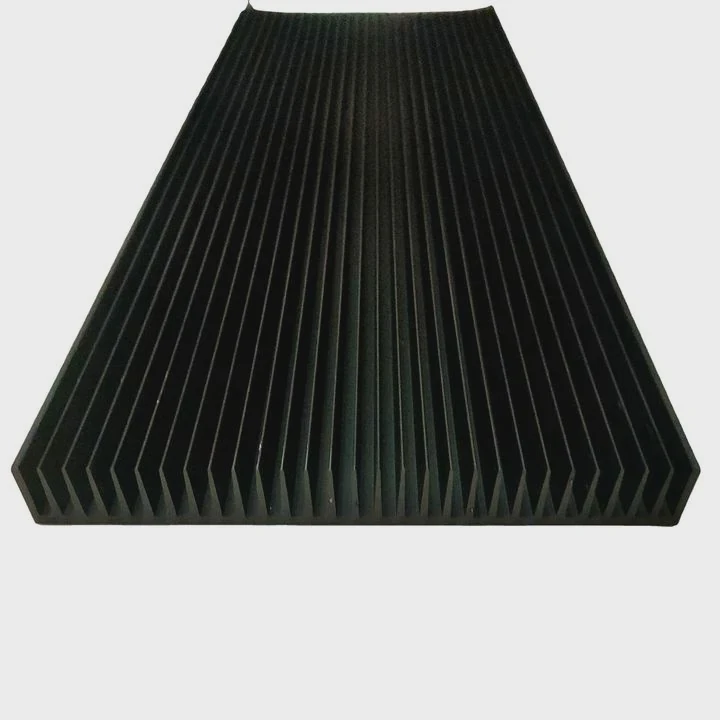
I see many people use LED strips for rooms, shelves, signs, and even machines, and they often believe LEDs stay cool. But high-power strips can build heat fast, so this topic always gets my attention.
A heatsink is often needed for high-power LED strips because their circuits produce steady heat, and proper cooling keeps brightness, color stability, and lifespan at safe levels.
I want to help users avoid early failures and light fade, so I explain the heat behavior of LED strips and the role of aluminum channels.
Why do high-power LEDs generate heat?
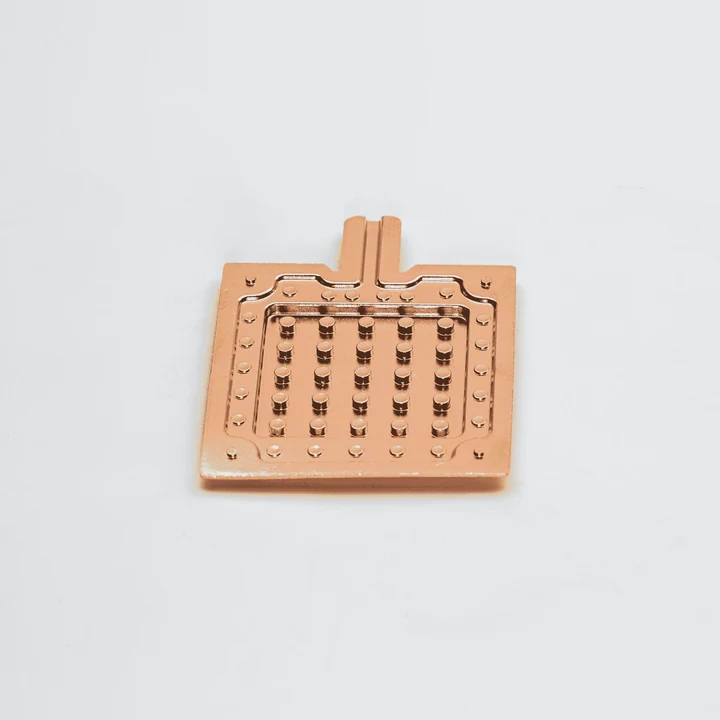
I talk with many people who think LEDs are cooler than old bulbs. This idea is true in a general way, but high-power LED strips still produce heat that must move somewhere.
High-power LEDs generate heat because only part of the electrical energy converts to light, and the rest becomes heat inside the LED chip and PCB.
I test many LED strips, from small 12V decorative strips to strong professional units. When power rises, the temperature climbs fast, even at short distances.
LEDs convert limited energy into light
I often show users that LED efficiency is good, but not perfect. A large part of the energy becomes heat inside the chip. When I measure a 20W strip, the light stays bright, but the base reaches high temps in minutes.
Dense LEDs increase heat per area
LED strips pack many LED chips on a small PCB. When these chips sit close, the heat builds quickly because the heat paths overlap. The copper traces become warm, and the PCB absorbs extra energy.
High power leads to steady heat load
When the strip runs at full brightness for long hours, the heat stays constant. It does not fall like a short burst. I feel this clearly when I test long runs for signage projects.
Poor mounting makes heat worse
If the strip hangs in the air or sticks to thin plastic, the heat has nowhere to go. Without a heatsink, the temperature climbs until it affects brightness.
### Key reasons LEDs make steady heat
- Limited light conversion
- Dense chip placement
- Long operating hours
- Weak heat spread in soft materials
LED heat source table
| Source | Why It Matters |
|---|---|
| LED chip inefficiency | Extra power becomes heat |
| Dense LED layout | More heat per centimeter |
| Thin PCB | Limited heat spread |
| Continuous use | Constant heat buildup |
These points show why LED strips get warm. Now I look at which strips need aluminum channels.
Which strips require aluminum channels?
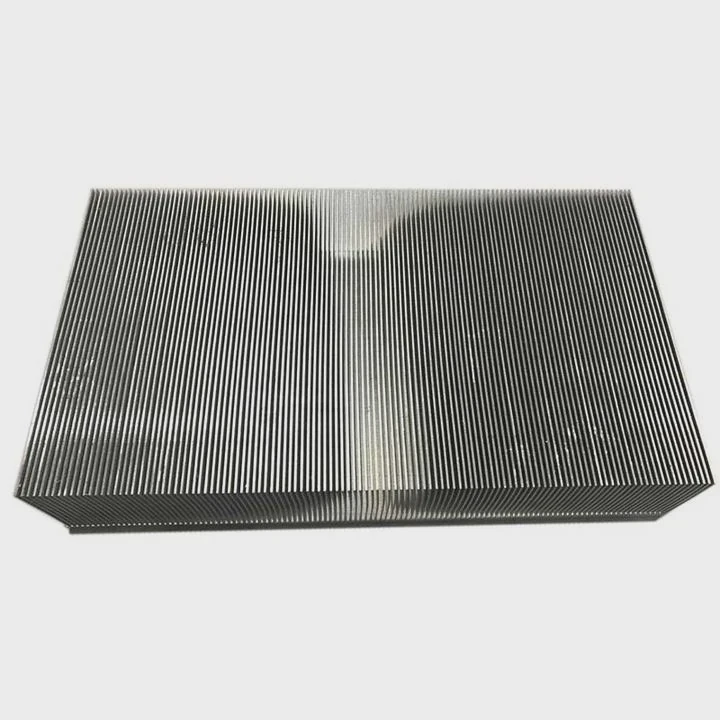
Many users ask if every LED strip needs a heatsink. I explain that the answer depends on power, density, and usage time.
High-power LED strips, COB strips, and dense 5050 or 5630 strips often require aluminum channels because they produce steady heat and need strong surface contact.
I install many LED strips for decoration, work lights, and machine lighting. I see clear patterns in power and cooling needs.
High-power strips need strong heat spread
Strips with large LED packages or high current ratings get very warm. A simple adhesive mount cannot handle that heat. Aluminum channels help move the heat into a wide area.
COB strips run hot due to density
COB strips pack many LED chips under a single phosphor layer. They look smooth and bright, but they also run warmer than standard SMD strips. Aluminum channels help them stay stable.
Bright task lighting increases thermal load
When users install LED strips under cabinets, in workshops, or in displays, the brightness stays high. Long duty cycles raise temp slowly but steadily. A heatsink helps avoid dimming.
Large strips on wood or plastic suffer
Wood and plastic trap heat. When I check these mounts with thermal tools, the temp is always higher. Aluminum channels keep the heat balanced.
### Strip types that need aluminum channels
- COB strips
- 5050 high-density strips
- 5630 and 5730 strips
- Long continuous lighting runs
Strip and channel fit table
| Strip Type | Needs Aluminum Channel? | Reason |
|---|---|---|
| COB strip | Yes | High chip density |
| 5050 dense strip | Yes | Strong heat output |
| 2835 low-power | Sometimes | Depends on length |
| Decorative RGB strip | Rarely | Lower load |
These points show which strips need stronger cooling. Next I talk about overheating and lifespan.
Can overheating shorten LED lifespan?
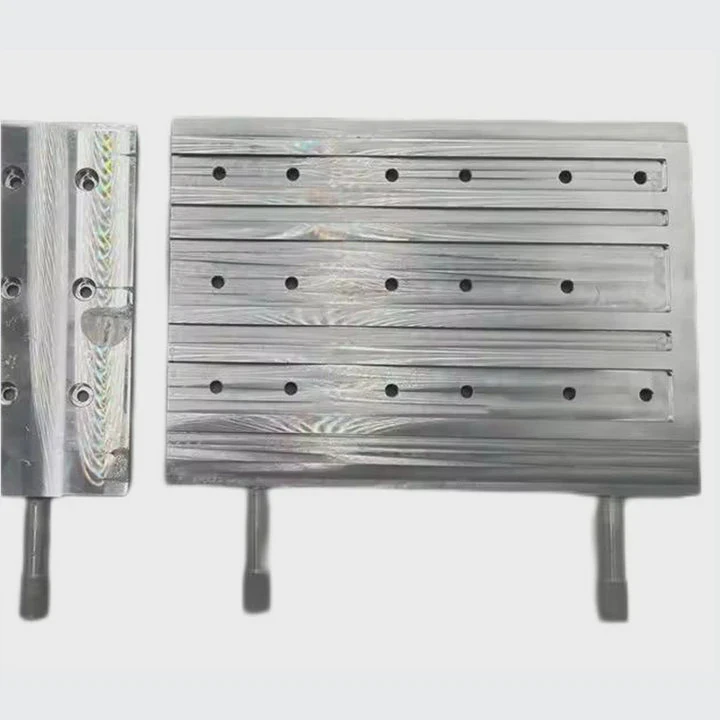
Many people think LEDs last forever, but temperature is the real factor that decides their lifespan. I often check old strips for clients, and I see clear signs of heat damage.
Overheating shortens LED lifespan because high temperature weakens LED phosphor, damages solder joints, and causes color shift, dimming, and even early failure.
I inspect failed strips often, and heat almost always plays a major role.
Heat breaks down the LED phosphor
LEDs use a phosphor layer to create white light. When the chip gets too warm for long hours, this layer ages faster. The light becomes yellow or dim. I see this in bright kitchen strips without aluminum channels.
Solder joints weaken under thermal cycles
LED strips bend slightly during heat cycles. This causes stress on solder joints. When heat stays high, these joints crack sooner. I often find dark spots where one LED fails from solder fatigue.
Heat weakens adhesives
The glue on the back of the strip softens under heat. When it softens, the strip sags or detaches. This bending creates uneven heat distribution, which makes damage faster.
Power supplies push heat further
When the driver or adapter runs warm, it adds background heat. LED strips close to warm drivers age even quicker.
### Signs of heat-related LED damage
- Yellow or dim segments
- Dark patches on the strip
- Peeling adhesives
- Flicker or early LED failure
LED lifespan risk table
| Problem | Heat Effect |
|---|---|
| Phosphor aging | Color shift |
| Solder cracking | LED failure |
| Adhesive softening | Strip falls or bends |
| Long runtime | Faster wear |
These points show why overheating matters. Now I explore diffusers.
Do diffusers affect heat buildup?
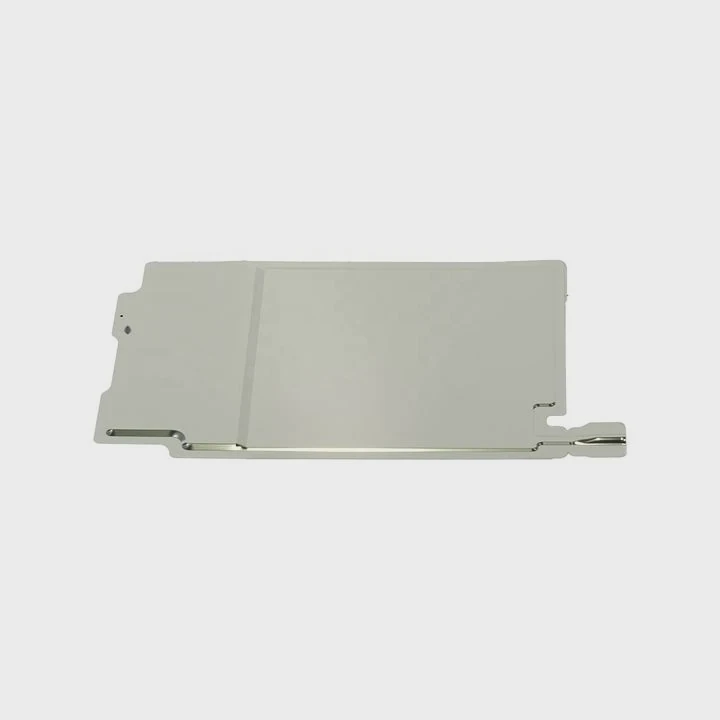
Many people install diffusers because they want soft, even light. They often forget that diffusers also affect heat behavior, especially in closed channels.
Diffusers can increase heat buildup when they trap air inside the channel, but good aluminum channels still help manage heat even with a diffuser attached.
I use many diffusers for displays and rooms, and I always test them with the strip’s power level.
Diffusers block open airflow
A diffuser covers the strip and forms a small chamber inside the channel. Air cannot move out, so heat stays longer. This effect is small at low power but clear at high power.
White diffusers absorb some heat
Plastic diffusers warm slightly from the LED light. When they warm up, they radiate heat back toward the strip. This adds a few degrees in long sessions.
Clear diffusers trap heat less
Clear diffusers reflect less light and absorb less heat. When I compare both types, clear covers run cooler. But both types trap air.
Aluminum channels offset diffuser heat
Even with a diffuser, the aluminum base spreads heat well. The strip touches the metal bottom, and the metal carries heat into the environment.
### When diffusers raise temps
- High-power strips
- Long enclosed channels
- Warm room conditions
- Thick plastic covers
Diffuser heat table
| Diffuser Type | Heat Effect | Note |
|---|---|---|
| White diffuser | Higher heat | Absorbs more light |
| Clear diffuser | Lower heat | Less warming |
| No diffuser | Coolest | Open airflow |
| Thick cover | Higher heat | Insulates strip |
These points show how diffusers affect heat and cooling.
Conclusion
Many LED strips need a heatsink because high-power LEDs produce steady heat, dense chips warm quickly, and overheating shortens lifespan. Aluminum channels help control temps, and diffusers add some heat but work fine when paired with good cooling.
TAGS
Latest Articles

Volume discount levels for heat sink orders?
Buyers often ask when heat sink prices start to drop with volume. Many worry they’re overpaying for small orders. This guide explains how B2B volume pricing works for thermal components. Heat sink
21 Dec,2025
Heat sink long-term supply contract options?
Many buyers want stable pricing and reliable delivery for heat sinks. But without a clear contract, risks grow over time. This article explores how to secure better long-term supply deals. Long-term
21 Dec,2025
Tooling cost for new heat sink profiles?
Many engineers struggle to understand why tooling for custom heat sinks costs so much. They worry about budgeting and production timelines. This article breaks down the cost drivers behind tooling.
21 Dec,2025
Heat sink custom sample process steps?
Sometimes, starting a custom heat sink project feels overwhelming—too many steps, too many unknowns, and too many risks. You want a sample, but not endless delays. The process for requesting and
20 Dec,2025
Standard B2B terms for heat sink payments?
When buyers and sellers in B2B heat sink markets talk about payment, many don’t fully understand what’s standard. This can lead to delayed orders, miscommunication, and even lost business
20 Dec,2025
Heat sink pricing factors for large orders?
Heat sinks are vital for many systems. When prices rise, projects stall and budgets break. This problem can hit teams hard without warning. Large order heat sink pricing depends on many factors. You
20 Dec,2025Related Articles
- how long does heatsinks last on gaming pcs?
- how to make a heatsink more efficient?
- what a good heatsink and cpu fan?
- how to install ps5 ssd with heatsink?
- what is the purpose of a heatsink?
- How to remove Intel heatsink?
- How to reapply Intel heatsink Ivy Bridge?
- should you replace stock heatsink?
- how to remove a processor and heatsink from motherboard?
- do you need to put thermal past when changing heatsinks?
- how to install chipset heatsink?
- what heatsinks fit evga z390 dark?
Author
Dr. Emily Chen
Chief AI Researcher
Leading expert in thermal dynamics and AI optimization with over 15 years of experience in data center efficiency research.
Categories
Latest Products
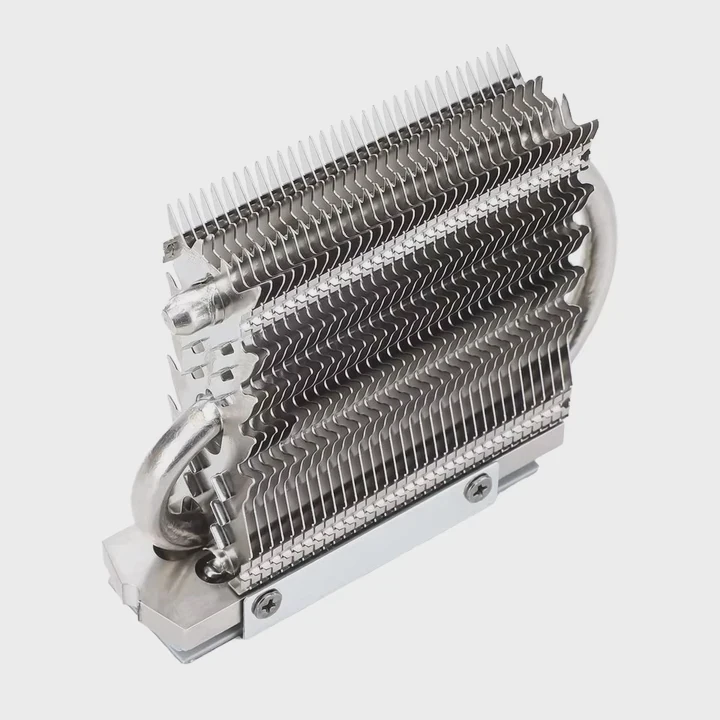
M.2 Heatpipe Heatsink With Dual Fans For Pc Case
19 Mar,2026
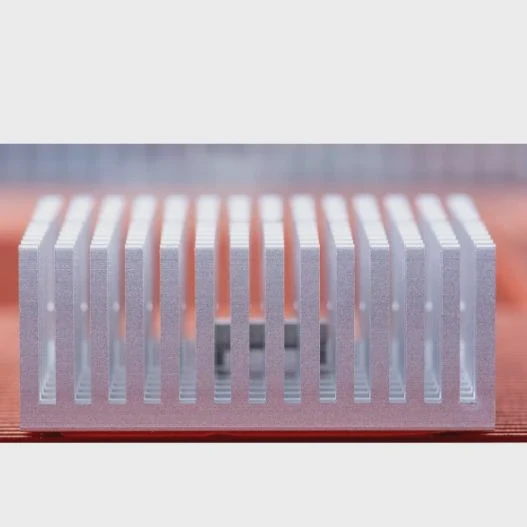
Heavy-Duty Aluminum Heat Sink Custom
19 Mar,2026
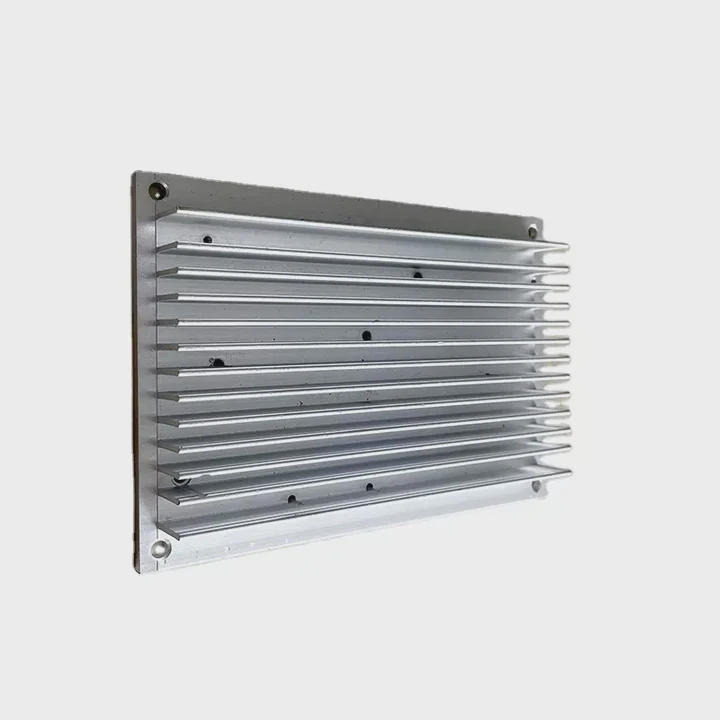
Oem Skived Fin Heatsink Aluminum Radiator For Plants
19 Mar,2026
Water Cooled Cnc Aluminum Heat Sink For Medical
19 Mar,2026
High Density 6000 Series Aluminum Heat Sink Profile
19 Mar,2026
High-Density Extruded Aluminum & Bonded-Fin Heat Sink Profile
19 Mar,2026
Recommend Categories
- Liquid cooling plate Manufacturer
- Industrial Heat Sink Manufacturer
- Standard Heat Sink Manufacturer
- Aluminum Heat Sink Manufacturer
- Copper Heat Sink Manufacturer
- Anodized Heatsink Manufacturer
- Stamping heat sink Manufacturer
- Die Casting Heatsink Manufacturer
- Soldering heat sink Manufacturer
- CNC Parts Manufacturer
Latest Products
- M.2 Heatpipe Heatsink With Dual Fans For Pc Case
- Heavy-Duty Aluminum Heat Sink Custom
- Oem Skived Fin Heatsink Aluminum Radiator For Plants
- Water Cooled Cnc Aluminum Heat Sink For Medical
- High Density 6000 Series Aluminum Heat Sink Profile
- High-Density Extruded Aluminum & Bonded-Fin Heat Sink Profile
- Dongguan Cnc Aluminum Heat Sink For Led & Brass Parts
- Wholesale Cnc Aluminum Heat Sink - Custom Extruded
- Led Cnc Round Heat Sink With Screw Holes
- Copper Pin-Fin Heat-Sink Large-Area For Photoled Cooling
- Telecom Heatsink Zipper Fin Wcopper Tubes Oem
Contact Expert
Have questions about this article? Reach out to our experts directly.