what heatsinks fit evga z390 dark?
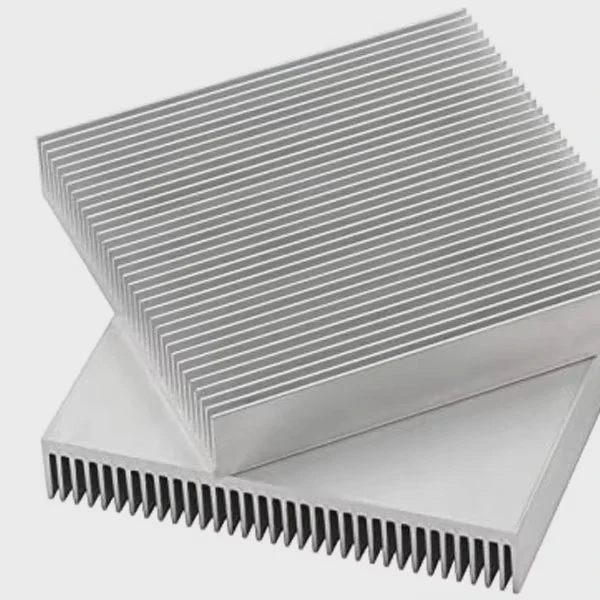
I see many people struggle when they try to pick a heatsink for the EVGA Z390 Dark. The board has a unique shape, and not every sink fits well. I had the same trouble the first time I worked with this board.
Heatsinks that fit the EVGA Z390 Dark follow the board’s wide CPU zone, angled VRM layout, and large socket clearance, so only sinks with low-profile edges and correct mounting width line up without hitting nearby parts.
This topic looks simple, but it becomes tricky once you deal with tall fins, tight slots, big VRMs, and angled components. I want to walk you through each detail so you feel sure and calm when you choose your heatsink.
Why VRM layout affects fitment?
Many people pick a heatsink first and check their board later. I used to do this too. When I first worked with the EVGA Z390 Dark, I tried a standard tall VRM sink. It looked great in my hand, but it hit a cap bank the moment I placed it. That was the day I learned that the VRM layout decides everything.
The VRM layout affects fitment because the Z390 Dark places its VRM stages in a wide arc near the socket, so a heatsink must clear the angle, the height of chokes, and the spacing around the power stages to avoid contact or tilt.
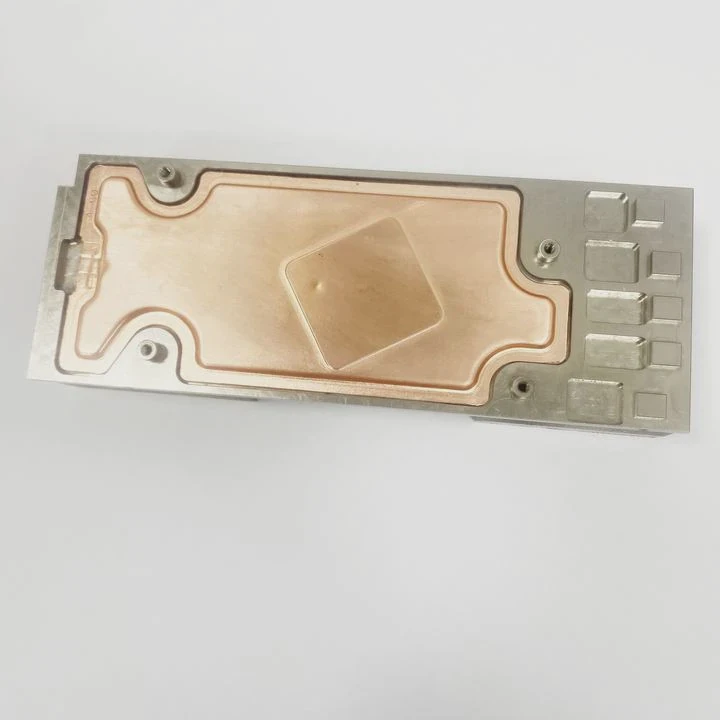
I always start by looking at the VRM zone. The Z390 Dark has a stretched layout. The chokes sit high. The power stages form a curved line. The slope between the upper edge of the board and the socket area is sharper than most boards. These details change how a heatsink sits.
The shape of the VRM area
The Z390 Dark does not use a simple straight VRM row. It uses a wider arc because the design targets high overclocking. The arc leaves more room for power handling but less room for sinks that have square edges.
Here is what I consider:
- The height of the chokes
- The angle of the VRM row
- The curve between the socket and the top edge
- The spacing around mounting holes
- The nearby caps and sense lines
Why the VRM height matters
VRM chokes on this board are tall. If a heatsink base is too wide, the fins can hit these chokes. If the sink has a deep overhang, it may tilt. A tilt breaks thermal contact. A tilt can also push the pad aside.
Table: VRM layout impact
| VRM Feature | What It Changes | Risk When Ignored |
|---|---|---|
| Tall chokes | Sink base height | Sink tilt |
| Angled stages | Edge clearance | Fin collision |
| Wide arc | Sink width | Side pressure |
| Caps nearby | Sink footprint | Pad misalignment |
The VRM layout becomes your guide. When you understand this shape, you pick a heatsink with ease.
Which dimensions match Z390 Dark?
I made a mistake once when I bought a heatsink that looked strong and heavy. It had thick fins. It had a long base. But it did not fit the Z390 Dark at all. It hit two chokes and one screw head. That mistake taught me to measure the board first.
Dimensions that match the Z390 Dark include a short base around the VRM curve, a narrow fin block under 35–40 mm depth near the socket, and a mounting span that does not cross the tall choke line.
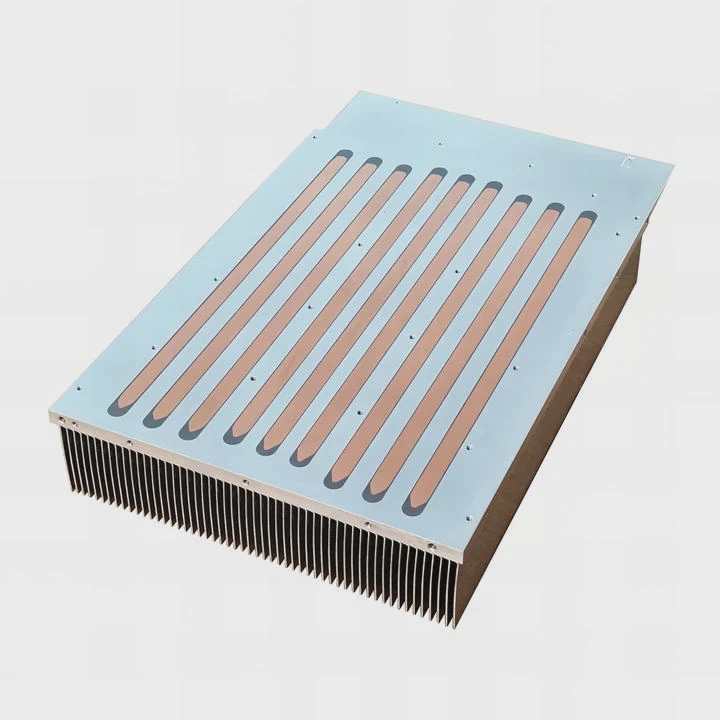
I follow a simple rule now: I measure the zone before I buy. I measure the width from the socket to the top edge. I measure the choke height. I measure the area between the mounting holes.
Key measurements that matter
Here are the numbers I check most often:
- VRM choke height: around 16–18 mm
- Clearance between socket edge and VRM line: tight zone for big sinks
- Safe heatsink depth: 35–40 mm or less near CPU edge
- Footprint width: must follow the arc, not block it
Why depth matters more than height
Many people think sink height matters most. I learned that depth is more important. A tall sink may fit if the depth is small. A wide sink fails even if the height is short.
Depth defines how far the fins extend into the socket zone. The Z390 Dark has a wide LGA1151 socket frame. A large sink foot will hit the metal frame.
Table: Safe dimension guide
| Parameter | Safe Range | Notes |
|---|---|---|
| Sink depth | 35–40 mm | Must clear socket frame |
| Sink height | 25–55 mm | Height only matters for airflow |
| Sink base width | Medium, not wide | Must follow VRM arc |
| Mount span | Board’s hole spacing | Cannot be forced |
My simple method to match dimensions
I follow three steps:
- I place a straight ruler from the socket edge to the VRM line.
- I check that the sink depth is less than that gap.
- I place a card cutout of the sink footprint on the board to test fit.
This method always saves me time. It stops bad surprises. It makes the install clean.
Can tall sinks hit CPU coolers?
Many people upgrade the heatsink and CPU cooler at the same time. I did this once too. I bought a tall VRM sink. I bought a large air cooler. They both looked perfect on the desk. But when I put them on the board, they crashed into each other like two cars in a narrow alley.
Tall sinks can hit CPU coolers because the Z390 Dark places the socket close to the VRM arc, so any sink with tall fins or a wide block can collide with large air coolers or AIO pump housings.
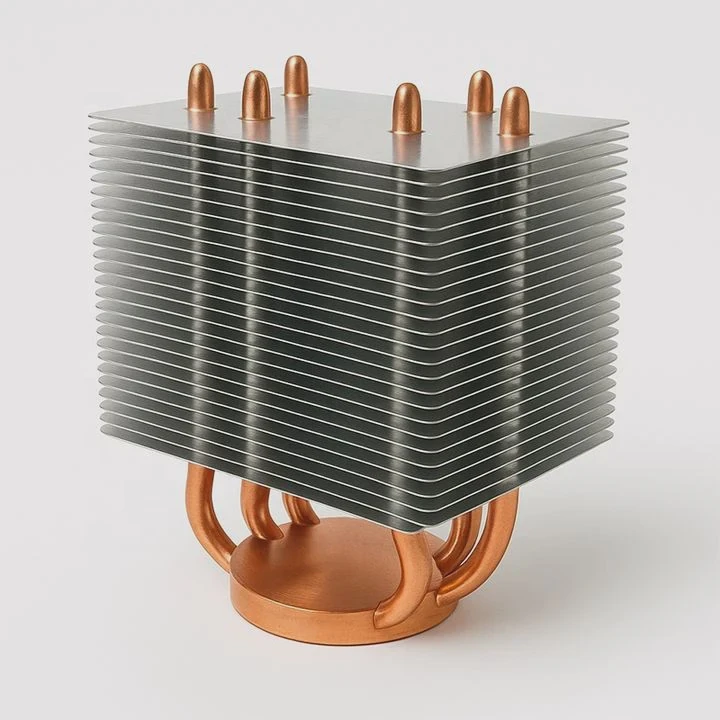
I learned that the Z390 Dark has a large socket frame. Air coolers with wide bases press close to the VRM line. A tall sink with long fins will touch the cooler frame or fan clips.
Why collisions happen
The Z390 Dark pushes the VRM area close to the CPU socket. Air coolers use wide bases and strong clips. This creates a narrow corridor between the VRM area and cooler base. Any extra height or depth in the sink can clash with:
- Cooler heat pipes
- Cooler fan clips
- Cooler plastic edges
- AIO pump housings
How I prevent cooler collisions
I use a slow and careful test:
- I install the CPU cooler bracket first.
- I place the VRM sink without pressure.
- I check for free space on both sides.
- I install the cooler fan last.
This simple order helps me avoid scratches or snapped clips.
When tall sinks are safe
Tall sinks are safe when:
- They have a narrow footprint
- Their fins rise straight up
- They avoid overhangs
- They avoid wide bases
Small signs of a future collision
When I test a sink, I watch for:
- A slight angle toward the cooler
- A fin touching a fan clip
- A gap less than 1 mm
- A shaky mount when I tap the cooler
These signs tell me to stop and pick a smaller sink.
How cooler types change the risk
- Air coolers: highest risk because of wide heatsink blocks
- AIO pumps: medium risk due to top housings
- Low-profile coolers: low risk but still need a check
Do custom sinks improve stability?
I used to think VRM sinks were simple metal blocks. I learned that custom sinks change everything. One time I tried a custom sink with a better base curve. It improved my VRM temps by almost 10°C. That was the day I knew that design matters.
Custom sinks improve stability because they fit the Z390 Dark’s VRM arc, keep direct contact with power stages, guide heat across the fins, and maintain lower temperatures during high load or overclocking.
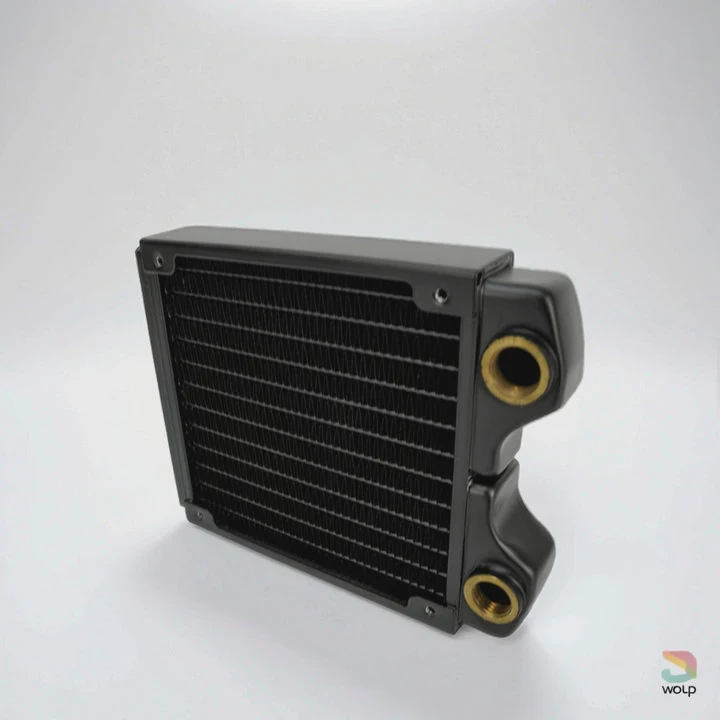
Custom sinks focus on shape, height, and contact. They make the VRM work cooler. A cooler VRM keeps voltage stable. A stable voltage supports higher load and better overclock behavior.
What a custom sink changes
A custom sink does more than look different. It targets:
- Better contact surface
- Better thermal pad support
- Better airflow path
- Better base curve
- Better fin spacing
Why stability improves
When VRM temperature drops, the power stages draw less stress. Heat is the enemy of stable power feed. Lower heat gives these gains:
- Less voltage ripple
- Less throttling
- Less noise from coils
- More headroom for clocks
Table: Custom vs generic sinks
| Feature | Generic Sink | Custom Sink |
|---|---|---|
| Fit to VRM arc | Poor | Good |
| Contact area | Basic | Wide and even |
| Airflow path | Random | Directed |
| Load stability | Medium | High |
What I look for in a custom sink
I check:
- A curved base
- Fins aligned with case airflow
- No deep overhangs
- A pad slot shaped for tall VRM chokes
- A narrow leading edge for socket clearance
Why pad contact matters
Even the best sink fails if the pad contact is weak. Custom sinks often include step areas for pads. These steps support the pad shape. They make pressure even. They help the heat move fast.
My experience with custom sinks
I once had a system that needed stable VRM during long runs. The stock sink worked, but heat stayed high. A custom sink with a simple curve dropped temps by around 8–10°C. That change made the system stable under stress tests. It also made the fan noise lower because the system no longer reacted to heat spikes.
Conclusion
Heatsink fitment on the EVGA Z390 Dark becomes simple when I understand the VRM layout, match the right dimensions, avoid cooler collisions, and choose custom sinks when needed. These steps make the board run smooth, cool, and stable.
TAGS
Latest Articles

Volume discount levels for heat sink orders?
Buyers often ask when heat sink prices start to drop with volume. Many worry they’re overpaying for small orders. This guide explains how B2B volume pricing works for thermal components. Heat sink
21 Dec,2025
Heat sink long-term supply contract options?
Many buyers want stable pricing and reliable delivery for heat sinks. But without a clear contract, risks grow over time. This article explores how to secure better long-term supply deals. Long-term
21 Dec,2025
Tooling cost for new heat sink profiles?
Many engineers struggle to understand why tooling for custom heat sinks costs so much. They worry about budgeting and production timelines. This article breaks down the cost drivers behind tooling.
21 Dec,2025
Heat sink custom sample process steps?
Sometimes, starting a custom heat sink project feels overwhelming—too many steps, too many unknowns, and too many risks. You want a sample, but not endless delays. The process for requesting and
20 Dec,2025
Standard B2B terms for heat sink payments?
When buyers and sellers in B2B heat sink markets talk about payment, many don’t fully understand what’s standard. This can lead to delayed orders, miscommunication, and even lost business
20 Dec,2025
Heat sink pricing factors for large orders?
Heat sinks are vital for many systems. When prices rise, projects stall and budgets break. This problem can hit teams hard without warning. Large order heat sink pricing depends on many factors. You
20 Dec,2025Related Articles
- how to install chipset heatsink?
- do you need to put thermal past when changing heatsinks?
- how to remove a processor and heatsink from motherboard?
- should you replace stock heatsink?
- How to reapply Intel heatsink Ivy Bridge?
- Does LED strip need heatsink?
- does the ssd need a heatsink?
- do you need a heatsink for m 2?
- can a cpu run without a heatsink?
- how to install raspberry pi 4 heatsink?
- how to install an amd 3700x heatsink?
- where to get legendary sandevistan heatsink?
Author
Dr. Emily Chen
Chief AI Researcher
Leading expert in thermal dynamics and AI optimization with over 15 years of experience in data center efficiency research.
Categories
Latest Products
M.2 Heatpipe Heatsink With Dual Fans For Pc Case
19 Mar,2026
Heavy-Duty Aluminum Heat Sink Custom
19 Mar,2026
Oem Skived Fin Heatsink Aluminum Radiator For Plants
19 Mar,2026
Water Cooled Cnc Aluminum Heat Sink For Medical
19 Mar,2026
High Density 6000 Series Aluminum Heat Sink Profile
19 Mar,2026
High-Density Extruded Aluminum & Bonded-Fin Heat Sink Profile
19 Mar,2026
Recommend Categories
- Liquid cooling plate Manufacturer
- Industrial Heat Sink Manufacturer
- Standard Heat Sink Manufacturer
- Aluminum Heat Sink Manufacturer
- Copper Heat Sink Manufacturer
- Anodized Heatsink Manufacturer
- Stamping heat sink Manufacturer
- Die Casting Heatsink Manufacturer
- Soldering heat sink Manufacturer
- CNC Parts Manufacturer
Latest Products
- M.2 Heatpipe Heatsink With Dual Fans For Pc Case
- Heavy-Duty Aluminum Heat Sink Custom
- Oem Skived Fin Heatsink Aluminum Radiator For Plants
- Water Cooled Cnc Aluminum Heat Sink For Medical
- High Density 6000 Series Aluminum Heat Sink Profile
- High-Density Extruded Aluminum & Bonded-Fin Heat Sink Profile
- Dongguan Cnc Aluminum Heat Sink For Led & Brass Parts
- Wholesale Cnc Aluminum Heat Sink - Custom Extruded
- Led Cnc Round Heat Sink With Screw Holes
- Copper Pin-Fin Heat-Sink Large-Area For Photoled Cooling
- Telecom Heatsink Zipper Fin Wcopper Tubes Oem
Contact Expert
Have questions about this article? Reach out to our experts directly.