should you replace stock heatsink?
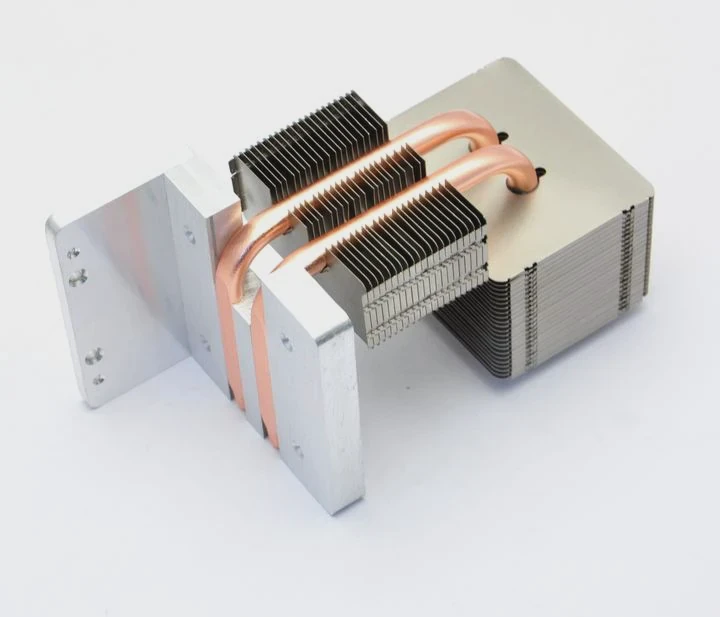
Many builders ask me if they should replace the stock heatsink, because stock units often feel weak, loud, or unstable under load.
You should replace the stock heatsink when it limits performance, raises temperatures, or becomes noisy during daily workloads. A better cooler lowers heat, reduces noise, and keeps the system stable.
I want to walk you through my own way of deciding when a stock cooler is not enough.
Why stock coolers limit performance?
I often see new builders rely on stock coolers, only to find that their CPU struggles under heavy load.
Stock coolers limit performance because they use small heatsinks, basic fans, and simple mounting plates. These parts handle normal tasks, but they struggle during long and hot workloads.
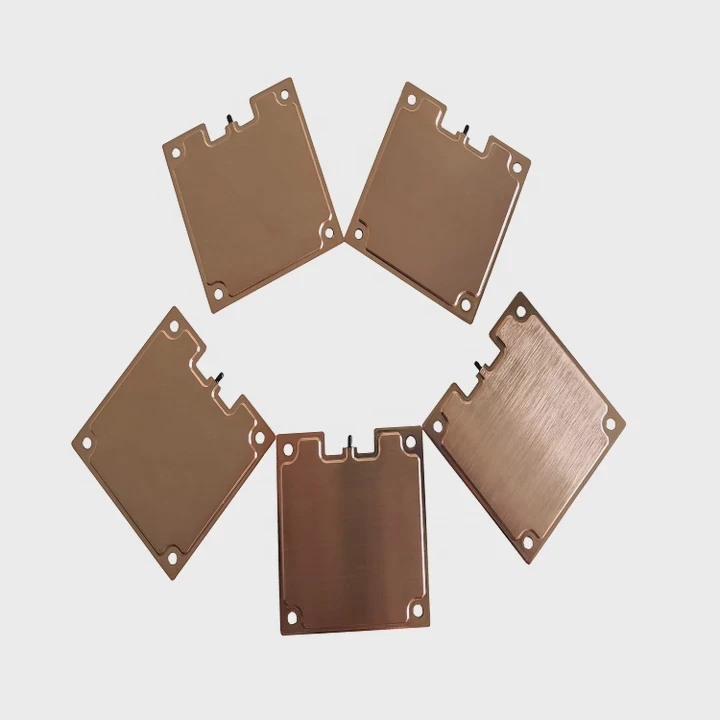
I want to explain why stock coolers fall behind so often.
Why stock units heat up fast
Most stock coolers use small aluminium blocks. The block has limited mass and surface area. When the CPU produces heat, the small block saturates fast. The fan must spin hard, which becomes loud. Even when the fan works hard, the temperature may reach thermal limits.
Stock cooler limitations table
| Limitation | Why It Happens | Result |
|---|---|---|
| Small block | Low mass | Fast heat rise |
| Basic fan | Low airflow | High noise |
| Basic pads | Weak contact | Hot spots |
| Low headroom | Budget design | Early throttling |
Why performance drops
When temperature rises, the CPU lowers its clock speed to stay safe. This thermal throttling cuts performance in games, editing, or multitasking. Even short bursts of heat can cause speed drops.
My own experience
Years ago, I used a stock cooler on a mid-range CPU. It ran fine at first. But during a long editing session, the temperature climbed fast. The CPU dropped its clock. After I switched to a tower cooler, the same workload stayed stable and faster. That moment showed me how much a better heatsink helps.
Which workloads demand better cooling?
I see many people think only gaming stresses a CPU. But many common tasks also push temperatures high.
Workloads like gaming, video editing, streaming, rendering, and multitasking demand better cooling because they keep the CPU busy for long periods. Stock coolers struggle to remove this steady heat.
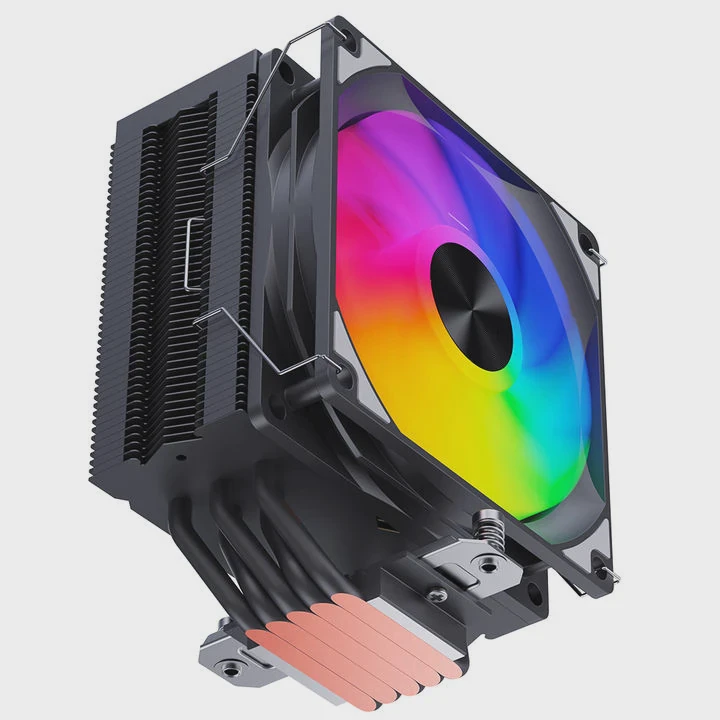
Let me show you which tasks require stronger cooling.
Why heavy tasks heat the CPU
Any task that keeps CPU cores active creates steady heat. Games often push several cores. Editing and rendering push all cores. Background apps can add more heat. When these tasks run together, temperatures rise even faster.
Workload impact table
| Workload | Heat Level | Notes |
|---|---|---|
| Gaming | Medium-high | Burst loads |
| Streaming | Medium | Constant heat |
| Video editing | High | Multi-core pressure |
| Rendering | Very high | Long sustained load |
| Multitasking | Medium-high | Many apps active |
Why stock cooling falls short
A stock cooler can handle short bursts well. But during long jobs, it cannot keep the CPU under control. The cooler reaches saturation, noise rises, and temperatures approach throttle points.
How better coolers help
A tower cooler or AIO has larger fins and stronger fans. These parts remove heat fast. They keep temperatures stable even when all CPU cores run for hours.
My real test
When I compared a stock cooler to a mid-range tower cooler, the temperature difference reached more than 20°C during rendering. This big drop kept the CPU at full speed and saved time. That is why I always upgrade when I plan heavy workloads.
Can noise levels justify upgrades?
Some users replace their cooler not for performance, but for peace and quiet.
Noise levels can justify a cooler upgrade because stock fans spin fast and become loud under load. A better cooler runs quieter while keeping the same temperature or even lower.
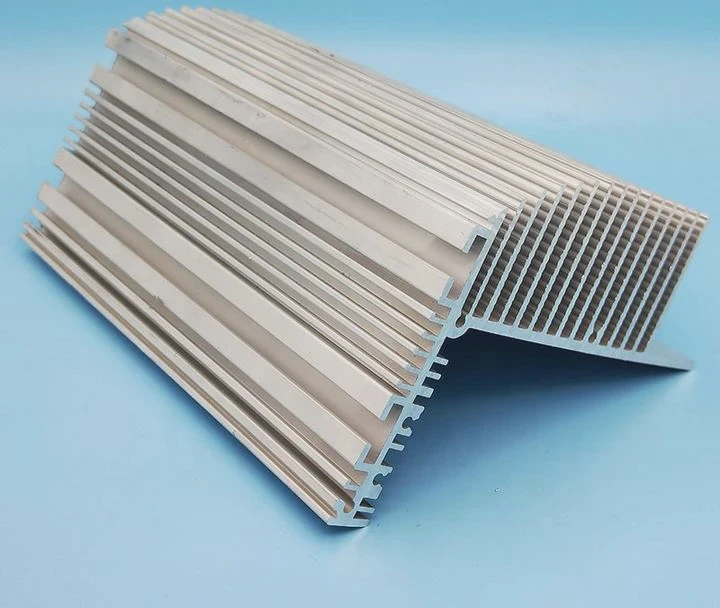
I want to show you why noise is a valid reason to upgrade.
Why stock coolers sound loud
Small fans must spin fast to push air. When RPM increases, noise rises. Stock fans often lack fluid bearings, so they hum or buzz. Heat spikes make them jump between fan speeds, which creates sudden noise.
Noise comparison table
| Cooler Type | Noise Level | Notes |
|---|---|---|
| Stock cooler | High | Small, loud fan |
| Budget tower cooler | Medium | Larger fan |
| Premium tower cooler | Low | Slow, quiet fan |
| AIO cooler | Medium-low | Pump adds sound |
Why noise matters
Noise breaks focus during work. It also makes games less enjoyable. When a fan screams, it means it is close to its limit. A quiet cooler often has more thermal headroom and stays stable in many situations.
How upgraded coolers stay quiet
A larger fan moves more air at lower RPM. Lower RPM means less noise. Some coolers also use rubber mounts that reduce vibration. This design keeps noise low even during high loads.
My personal story
I once built a PC with a stock cooler. Under load, the fan sounded like a small jet. After I upgraded to a simple tower cooler, the difference shocked me. The CPU ran cooler and silent. That upgrade made the system pleasant to use.
Does case airflow affect the choice?
Many people forget that the cooler and the case must work together.
Case airflow affects cooler choice because a heatsink needs fresh air to stay effective. Poor airflow makes even good coolers struggle, while good airflow helps even budget coolers perform well.
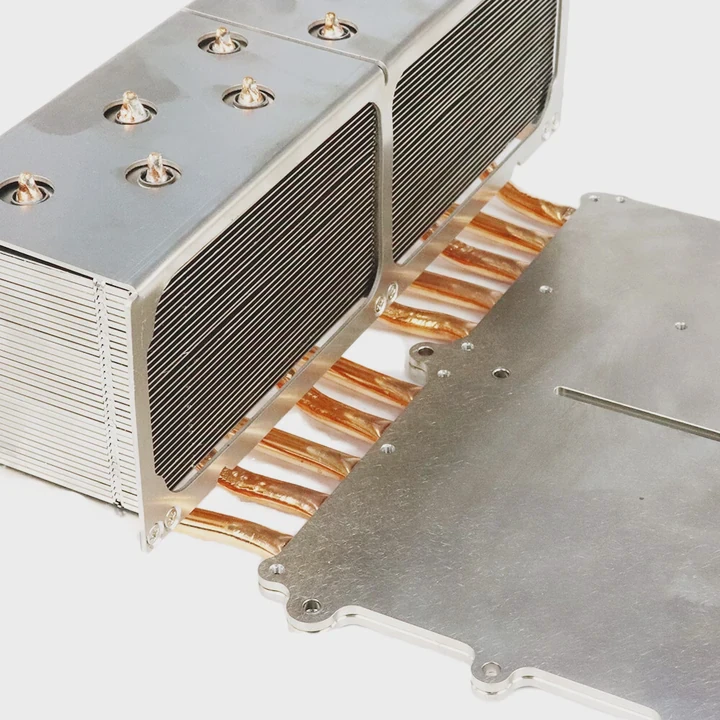
I want to show you why airflow changes everything.
Why airflow supports the cooler
A heatsink pushes warm air into the case. If the case cannot move that air out, the cooler breathes warm air. Warm air reduces cooling. Good airflow keeps air moving and helps the cooler work at its best.
Airflow and cooling table
| Airflow Level | Cooler Performance | Notes |
|---|---|---|
| Poor airflow | Low | Hot air trapped |
| Moderate airflow | Good | Stable temps |
| Strong airflow | Very good | Best results |
| Directed airflow | Excellent | Helps towers and AIOs |
Why case design matters
A case with blocked front panels, no filters, or weak fans becomes warm. Even a strong tower cooler cannot fight the warm pocket. A case with open vents and strong intake helps the cooler stay efficient.
How I plan airflow
I use at least one front intake and one rear exhaust fan. If the case is small, I add a top exhaust. This design keeps the airflow smooth. A cooler upgrade works better when the case has strong airflow.
My practical example
I once tested a high-end tower cooler in a small case with one fan. The cooler kept the CPU warm. After adding an extra intake fan, the CPU temperature dropped by almost 10°C. That change proved how airflow affects cooling.
Conclusion
You should replace a stock heatsink when it limits performance, creates loud noise, or struggles under heavy workloads. A better cooler paired with good airflow keeps the CPU cool, quiet, and stable in daily use.
TAGS
Latest Articles

Volume discount levels for heat sink orders?
Buyers often ask when heat sink prices start to drop with volume. Many worry they’re overpaying for small orders. This guide explains how B2B volume pricing works for thermal components. Heat sink
21 Dec,2025
Heat sink long-term supply contract options?
Many buyers want stable pricing and reliable delivery for heat sinks. But without a clear contract, risks grow over time. This article explores how to secure better long-term supply deals. Long-term
21 Dec,2025
Tooling cost for new heat sink profiles?
Many engineers struggle to understand why tooling for custom heat sinks costs so much. They worry about budgeting and production timelines. This article breaks down the cost drivers behind tooling.
21 Dec,2025
Heat sink custom sample process steps?
Sometimes, starting a custom heat sink project feels overwhelming—too many steps, too many unknowns, and too many risks. You want a sample, but not endless delays. The process for requesting and
20 Dec,2025
Standard B2B terms for heat sink payments?
When buyers and sellers in B2B heat sink markets talk about payment, many don’t fully understand what’s standard. This can lead to delayed orders, miscommunication, and even lost business
20 Dec,2025
Heat sink pricing factors for large orders?
Heat sinks are vital for many systems. When prices rise, projects stall and budgets break. This problem can hit teams hard without warning. Large order heat sink pricing depends on many factors. You
20 Dec,2025Related Articles
- How to reapply Intel heatsink Ivy Bridge?
- Does LED strip need heatsink?
- how long does heatsinks last on gaming pcs?
- how to make a heatsink more efficient?
- what a good heatsink and cpu fan?
- how to install ps5 ssd with heatsink?
- how to remove a processor and heatsink from motherboard?
- do you need to put thermal past when changing heatsinks?
- how to install chipset heatsink?
- what heatsinks fit evga z390 dark?
- does the ssd need a heatsink?
- do you need a heatsink for m 2?
Author
Dr. Emily Chen
Chief AI Researcher
Leading expert in thermal dynamics and AI optimization with over 15 years of experience in data center efficiency research.
Categories
Latest Products
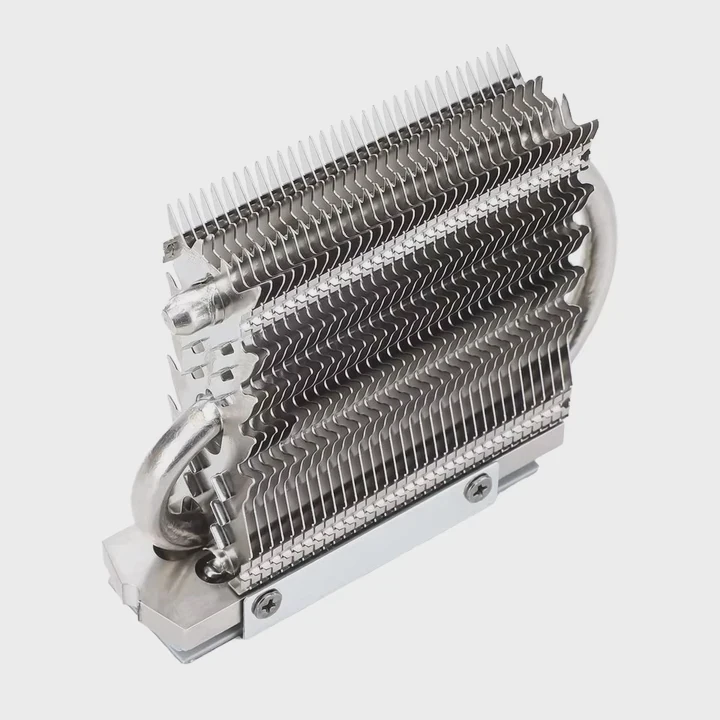
M.2 Heatpipe Heatsink With Dual Fans For Pc Case
19 Mar,2026
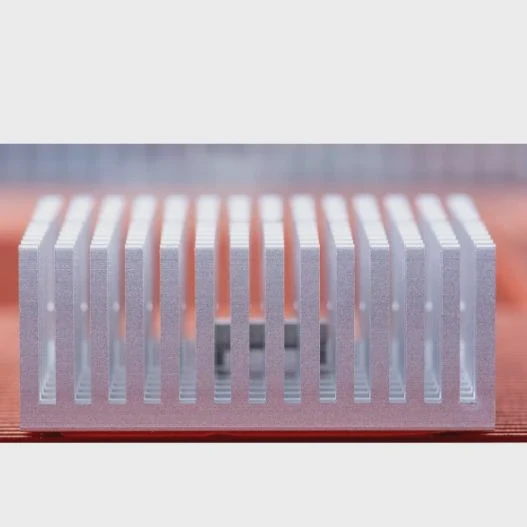
Heavy-Duty Aluminum Heat Sink Custom
19 Mar,2026
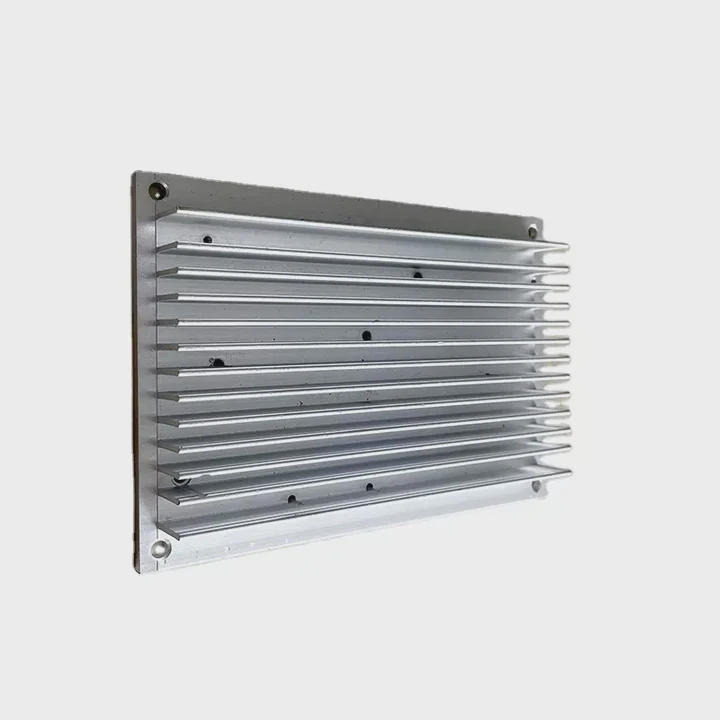
Oem Skived Fin Heatsink Aluminum Radiator For Plants
19 Mar,2026
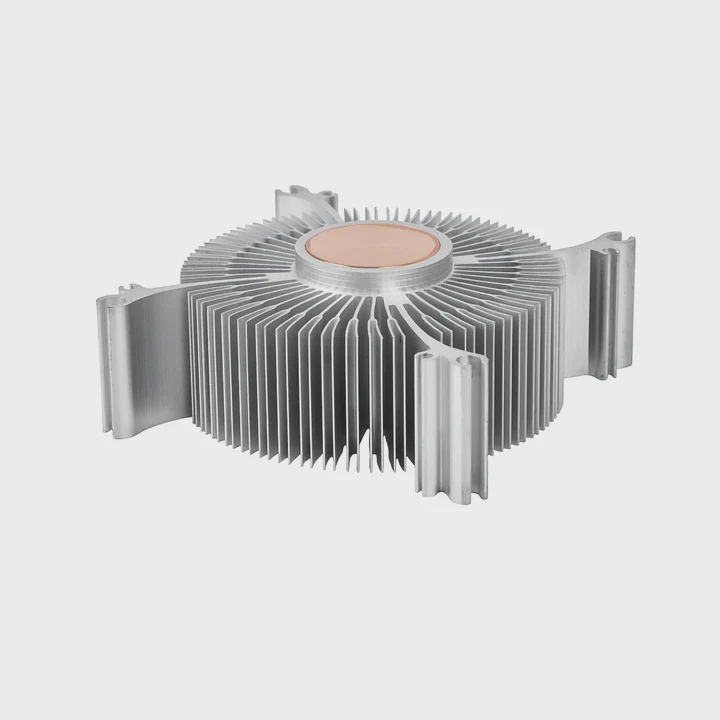
Water Cooled Cnc Aluminum Heat Sink For Medical
19 Mar,2026
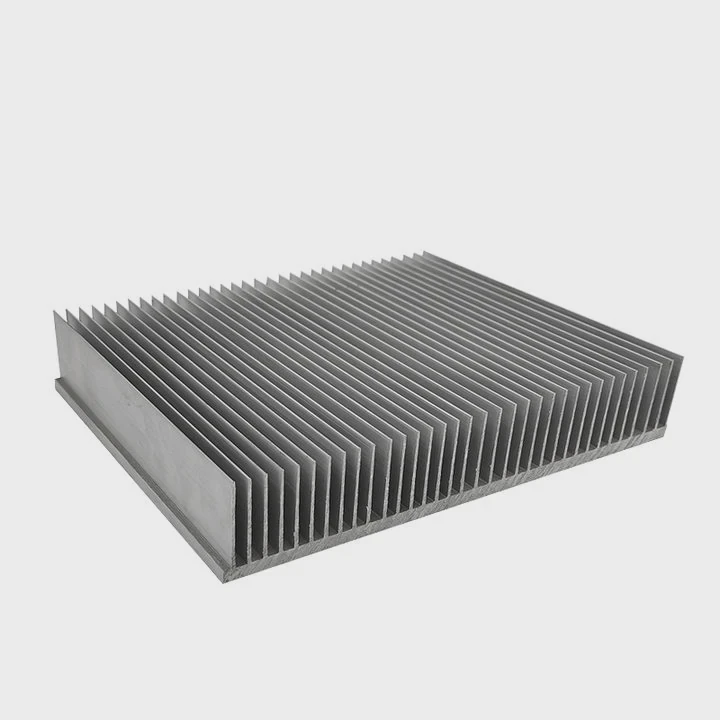
High Density 6000 Series Aluminum Heat Sink Profile
19 Mar,2026
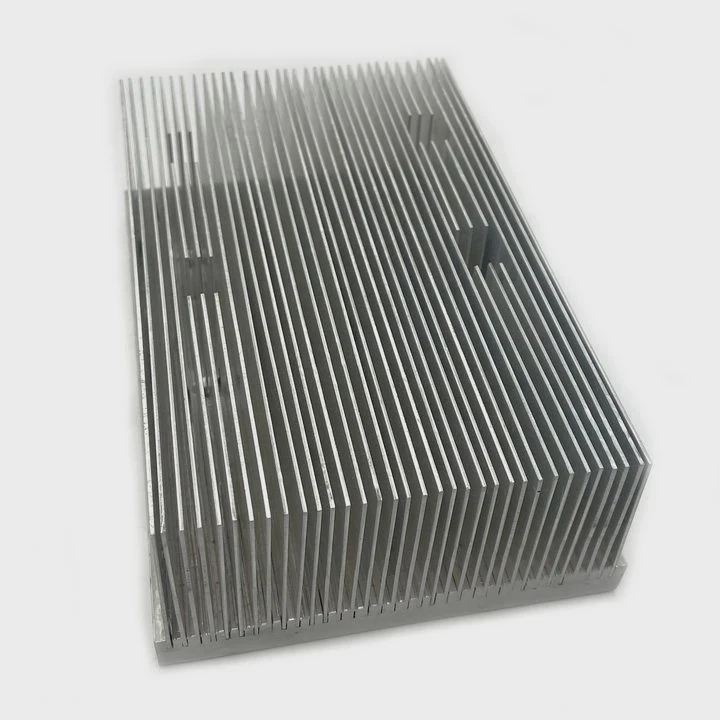
High-Density Extruded Aluminum & Bonded-Fin Heat Sink Profile
19 Mar,2026
Recommend Categories
- Liquid cooling plate Manufacturer
- Industrial Heat Sink Manufacturer
- Standard Heat Sink Manufacturer
- Aluminum Heat Sink Manufacturer
- Copper Heat Sink Manufacturer
- Anodized Heatsink Manufacturer
- Stamping heat sink Manufacturer
- Die Casting Heatsink Manufacturer
- Soldering heat sink Manufacturer
- CNC Parts Manufacturer
Latest Products
- M.2 Heatpipe Heatsink With Dual Fans For Pc Case
- Heavy-Duty Aluminum Heat Sink Custom
- Oem Skived Fin Heatsink Aluminum Radiator For Plants
- Water Cooled Cnc Aluminum Heat Sink For Medical
- High Density 6000 Series Aluminum Heat Sink Profile
- High-Density Extruded Aluminum & Bonded-Fin Heat Sink Profile
- Dongguan Cnc Aluminum Heat Sink For Led & Brass Parts
- Wholesale Cnc Aluminum Heat Sink - Custom Extruded
- Led Cnc Round Heat Sink With Screw Holes
- Copper Pin-Fin Heat-Sink Large-Area For Photoled Cooling
- Telecom Heatsink Zipper Fin Wcopper Tubes Oem
Contact Expert
Have questions about this article? Reach out to our experts directly.