Does liquid cooler need water?
I ask this question often because many people want liquid cooling but feel unsure about what is inside the loop or how it stays stable for years.
A liquid cooler needs coolant, not pure water. The coolant is a mix of water and additives that protect the pump, block corrosion, stop growth, and keep heat transfer smooth. Users do not refill it because the system stays sealed from the factory.
I want to explain how this sealed coolant works, why people should not open these units, and how coolant behaves inside a true closed loop.
How do AIO coolers maintain coolant internally?
Many users check their AIO after months of use and worry because they cannot see the coolant level. This makes them think the pump may run dry or the loop may lose fluid. The truth is simpler.
An AIO maintains coolant by keeping it inside a sealed, vacuum-filled loop. The pump block, tubes, and radiator are bonded with permanent seals so the coolant stays inside with almost zero user interaction.
I want to go deeper so readers understand why this closed system stays stable even when the CPU runs hot every day.
How the sealed design works
The AIO has no fill port. It has no place for users to top up liquid because the pressure and volume are set at the factory. I break the loop into simple parts:
| Part | Function | Long-Term Behavior |
|---|---|---|
| Pump block | Moves coolant | Runs steady under fixed pressure |
| Tubes | Carry coolant | Resist slow evaporation |
| Radiator | Releases heat | Holds most coolant volume |
These parts form a circle. Coolant flows from the cold plate to the radiator and back. The loop stays closed so the coolant never touches the outside air.
Why the coolant does not escape
I explain this in simple steps:
Vacuum filling
The maker removes air before filling coolant. This keeps bubbles very low.Permanent bonding
Fittings use tight crimps or adhesives that stay solid for years.Low-permeation tubing
Tubes slow down vapor loss so coolant stays stable.Additive balance
The coolant has corrosion inhibitors and biocides. These slow chemical breakdown.
What happens during heavy load
When the CPU runs hot, coolant heats and expands. When the CPU cools, coolant contracts. The system is built to handle this pressure cycle without losing fluid. This is why AIOs keep working for many years with no refill.
Why shouldn’t users add water manually?
Some people see a bubble in the tube and think the AIO is empty. They want to open the loop and add water. This is risky and almost always damages the system.
Users should not add water because opening an AIO breaks the factory seal, lets air and microbes enter, changes pressure, dilutes additives, and can cause leaks or pump failure.
I want to explain what goes wrong when someone tries to refill an AIO.
Why refilling harms the AIO
Air enters the loop the moment it is opened. Even a very small amount of air changes pump behavior. I show the common problems:
| User Action | Immediate Result | Long-Term Damage |
|---|---|---|
| Opening the AIO | Air and dust enter | Pump cavitation |
| Adding tap water | Minerals enter loop | Corrosion or blockage |
| Using pure water | No additives | Faster algae growth |
| Overfilling | High pressure | Burst tube or leak |
These failures may not show up right away. People often think the refill worked because the system runs for a few hours. But months later the pump becomes noisy or the loop clogs.
Why pure water is not enough
Pure water has good heat capacity, but modern coolant formulas include many chemicals:
- Anti-corrosion agents
- Biocides
- Surfactants to control bubbles
- Glycol-based stabilizers
- pH balance control
If we add plain water, we weaken these additives. If we use tap water, minerals create scale. If we use bottled water, unknown chemicals enter the loop.
Why warranties forbid refilling
The loop’s internal pressure and coolant mix are part of the design. Opening the loop changes both. This is why makers refuse warranty coverage when the seal is broken.
Where does coolant circulate in a closed loop?
Many people want to picture how the coolant moves inside the cooler. This helps them understand why the system works even though the tubes do not look complex from the outside.
Coolant circulates from the pump block to the radiator, then returns through the tubes in a continuous cycle. The pump pushes the liquid through a narrow chamber on the cold plate where it absorbs heat before moving back to the radiator.
I want to explain this path more clearly so readers can imagine how heat leaves the CPU.
The coolant path in detail
The loop has a simple route:
Pump chamber
Coolant enters the cold plate area and touches many microchannels.Microchannel cold plate
The coolant absorbs heat from the CPU.Outlet tube
The warmer coolant leaves the block and moves toward the radiator.Radiator channels
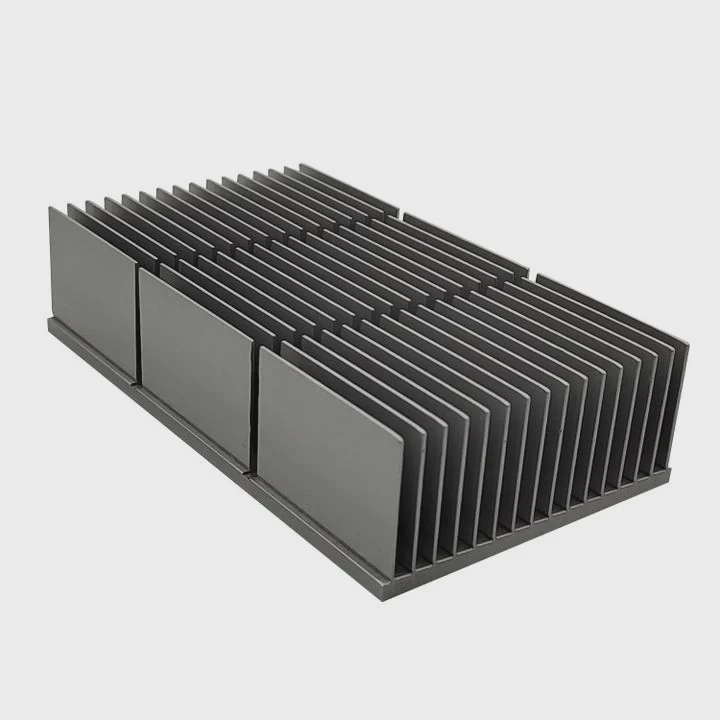
Heat spreads across thin metal fins as fans blow air over them.Return tube
The cooler fluid returns to the pump block.
This cycle repeats many times each second.
Why the path works well
The pump moves coolant at a steady pace. The cold plate uses many narrow channels to maximize surface contact. The radiator gives a wide surface for heat to escape. All these parts help the system remove heat faster than air alone.
What happens inside the cold plate
I want to explain this because many users do not know about microchannels. These channels guide coolant in a tight pattern. This increases contact time and makes heat transfer better.
The pump also keeps a steady flow so the coolant never sits still. This flow avoids hot spots.
How coolant moves under different loads
At low load, the coolant stays cool and the radiator fans spin slowly. At high load, heat enters the coolant quickly. But the radiator has a big surface area, so heat spreads and exits fast.
This is why AIOs stay stable even when the CPU power spikes.
Can coolant evaporation occur in sealed systems?
Some people think a sealed system never loses fluid. This is not completely true. The loss is very small, but it does happen.
Coolant evaporation can occur slowly in sealed systems because tubes allow tiny molecules to pass over many years. This loss is very small, but it can create small bubbles as the cooler ages.
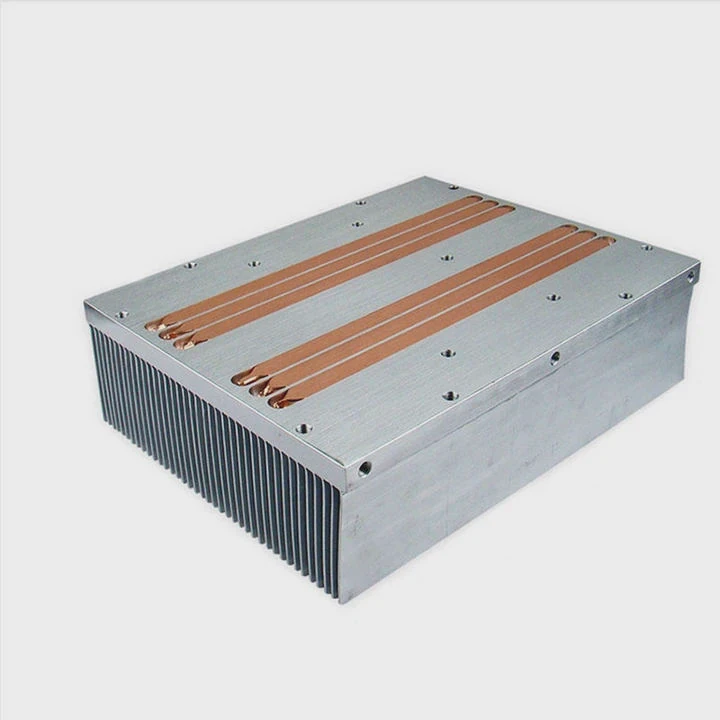
I want to give a clear view of why this happens and why it does not hurt performance for a long time.
Why evaporation still happens
Even strong tubing is not a perfect barrier. I explain the reasons in simple points:
Tube permeability
Rubber or plastic tubes allow vapor to pass very slowly.Heat cycles
Expansion and contraction push vapor toward the tube wall.Coolant breakdown
Additives age and the coolant loses some stability.Pump wear
Older pumps move coolant less smoothly, so more bubbles appear.
These changes are slow and happen over many years.
Signs of slow coolant loss
People often notice these things:
- A bubble forms near the pump
- The pump becomes louder
- The radiator feels uneven in temperature
- The system takes longer to cool down
These signs show age, not failure.
What happens when the cooler ages
The pump works harder as the loop gets older. The coolant may form more bubbles. But the system still works until the pump or seals wear out. Most users replace an AIO after 4–7 years because of pump wear, not because of coolant loss.
Why the system stays safe
Even when a small bubble forms, coolant fills most of the loop. The radiator still has strong heat transfer. The pump still moves enough liquid to keep the CPU cool in daily use.
Conclusion
A liquid cooler uses coolant, not pure water. AIO systems keep this fluid inside a sealed loop that stays stable for years. Users should not refill the loop because opening it creates air, pressure, and chemical problems. Coolant circulates through the pump block and radiator in a simple cycle. Small evaporation happens slowly, but it does not affect performance until the cooler reaches the end of its life.
TAGS
Latest Articles

Volume discount levels for heat sink orders?
Buyers often ask when heat sink prices start to drop with volume. Many worry they’re overpaying for small orders. This guide explains how B2B volume pricing works for thermal components. Heat sink
21 Dec,2025
Heat sink long-term supply contract options?
Many buyers want stable pricing and reliable delivery for heat sinks. But without a clear contract, risks grow over time. This article explores how to secure better long-term supply deals. Long-term
21 Dec,2025
Tooling cost for new heat sink profiles?
Many engineers struggle to understand why tooling for custom heat sinks costs so much. They worry about budgeting and production timelines. This article breaks down the cost drivers behind tooling.
21 Dec,2025
Heat sink custom sample process steps?
Sometimes, starting a custom heat sink project feels overwhelming—too many steps, too many unknowns, and too many risks. You want a sample, but not endless delays. The process for requesting and
20 Dec,2025
Standard B2B terms for heat sink payments?
When buyers and sellers in B2B heat sink markets talk about payment, many don’t fully understand what’s standard. This can lead to delayed orders, miscommunication, and even lost business
20 Dec,2025
Heat sink pricing factors for large orders?
Heat sinks are vital for many systems. When prices rise, projects stall and budgets break. This problem can hit teams hard without warning. Large order heat sink pricing depends on many factors. You
20 Dec,2025Related Articles
- Which Is Better Air Cooled or Liquid?
- How to Set Up Liquid Cooler?
- what is a liquid cooled engine?
- which is better air cooled or liquid cooled generators?
- How does CPU liquid cooler work?
- How to connect liquid CPU cooler?
- Where to install liquid CPU cooler?
- How to install AIO liquid cooler?
- what is better air cooled or liquid cooled?
- How to mount liquid cooler?
- Heat Sink Manufacturer in Seychelles
- Heat Sink Manufacturer in Slovakia
Author
Dr. Emily Chen
Chief AI Researcher
Leading expert in thermal dynamics and AI optimization with over 15 years of experience in data center efficiency research.
Categories
Latest Products






Recommend Categories
- Liquid cooling plate Manufacturer
- Industrial Heat Sink Manufacturer
- Standard Heat Sink Manufacturer
- Aluminum Heat Sink Manufacturer
- Copper Heat Sink Manufacturer
- Anodized Heatsink Manufacturer
- Stamping heat sink Manufacturer
- Die Casting Heatsink Manufacturer
- Soldering heat sink Manufacturer
- CNC Parts Manufacturer
Latest Products
- Wholesale Aluminum Radiator
- Water Cooling Plate Kit
- Water Cooling Heat Sink
- Water Cooling Heat Sink Kit
- Stainless Steel Water Distributor
- Server Water Cooling Plate Kit
- Server Liquid Cooling System
- Server Aluminum Cooling Kit
- S19 Full Cover Cooling Plate
- S19 Cooling Plate Kit
- S19 Aluminum Cooling Plate
Contact Expert
Have questions about this article? Reach out to our experts directly.