Can Liquid Cooling Leak?
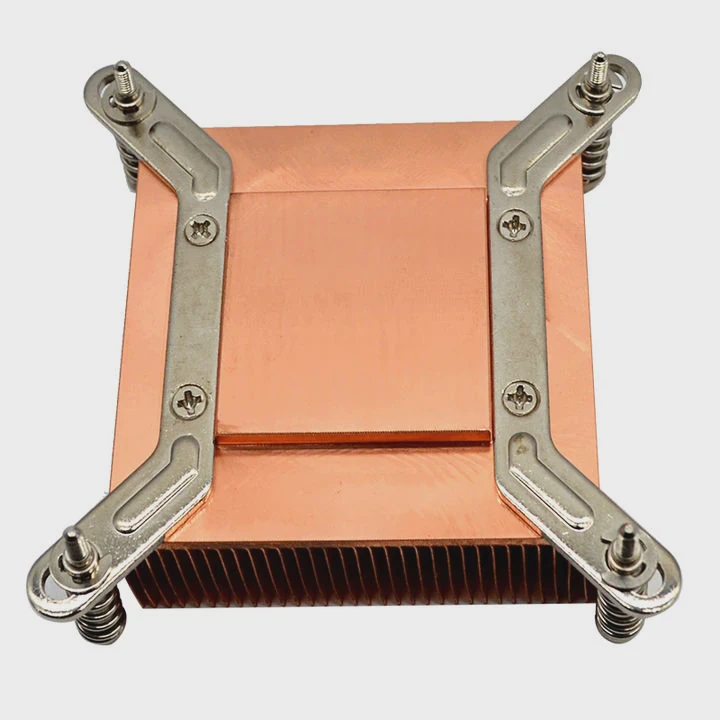
Many PC users worry that liquid cooling might leak and destroy expensive hardware. The idea of water inside a computer can sound dangerous and risky.
Yes, liquid cooling can leak, but it’s rare in modern systems thanks to sealed AIO designs, advanced materials, and strict factory testing.
Understanding what causes leaks — and how to prevent them — is the key to keeping your cooling system safe and reliable.
What Causes Cooling Leaks?
Leaks don’t happen randomly. They are almost always the result of physical stress, aging parts, or improper installation.
Cooling leaks are mainly caused by damaged seals, worn tubing, manufacturing defects, or incorrect mounting that stresses fittings and hoses.
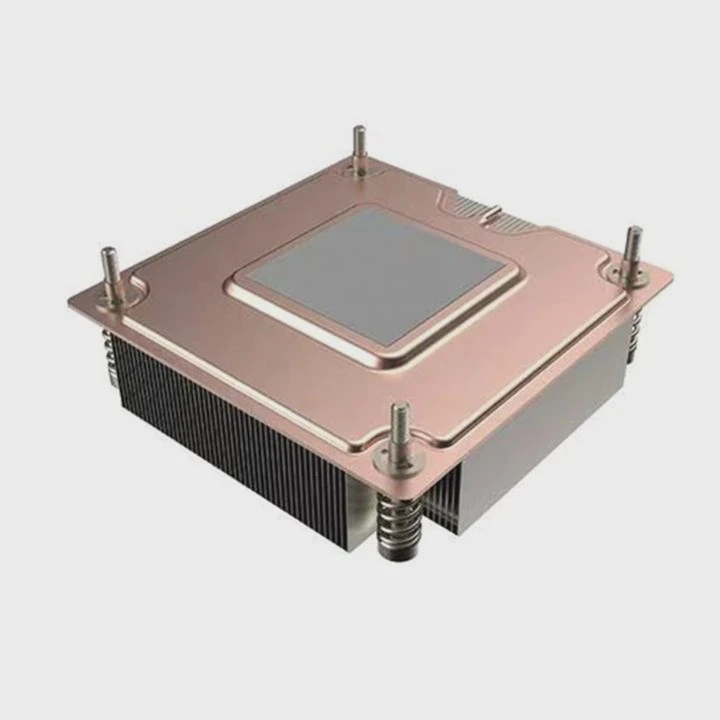
Common Causes of Leaks
| Cause | Description | Prevention |
|---|---|---|
| Worn Seals | Gaskets or O-rings degrade over time | Replace or check every few years |
| Poor Installation | Excessive torque or tube tension | Install with gentle bends and even pressure |
| Factory Defects | Rare but possible in low-quality kits | Buy from certified brands |
| Vibration | Continuous case vibration loosens fittings | Use rubber mounts or anti-vibration pads |
| High Temperature | Prolonged heat weakens material joints | Maintain proper airflow |
How Leaks Develop Over Time
- Early Stage: Minor condensation or micro-seepage near fittings.
- Intermediate Stage: Visible droplets or small moisture buildup.
- Advanced Stage: Continuous dripping or coolant trail inside the case.
By the time a leak becomes visible, damage may already have occurred — which is why early detection is essential.
What Are the Risks of Leaks?
A leak inside a PC can seem catastrophic. Fortunately, most modern coolants are designed to minimize damage. Still, it’s best to understand what could go wrong.
The main risks of leaks include short circuits, component corrosion, performance drops, and permanent damage to your CPU, GPU, or motherboard.
Major Leak-Related Risks
1. Electrical Short Circuit
Coolant can bridge electrical contacts, causing instant shutdowns or permanent damage. Some non-conductive coolants reduce this risk, but they can become conductive over time.
2. Component Corrosion
Repeated exposure to moisture corrodes metal surfaces, weakening connectors and heat spreaders.
3. Cooling Failure
A small leak can lower coolant levels, leading to pump cavitation and loss of thermal performance.
4. System Downtime
Even a minor leak can require full disassembly, cleaning, and part replacement, costing both time and money.
Example of Damage Potential
| Component | Risk from Leak | Repair Cost (Approx.) |
|---|---|---|
| CPU | Medium | \(200–\)500 |
| GPU | High | \(500–\)1200 |
| Motherboard | Very High | \(300–\)700 |
| PSU | Medium | \(150–\)250 |
In most cases, the cleanup is manageable if detected early. However, full leaks can destroy electronics if power remains on.
How to Prevent and Detect Leaks Early?
Prevention is the best defense against leaks. Today’s systems are highly reliable when properly installed and maintained.
To prevent and detect leaks early, inspect fittings regularly, avoid tube strain, mount radiators above the pump, and perform a 24-hour leak test before powering on the PC.
Leak Prevention Tips
1. Choose Quality Components
Use coolers from trusted brands with certified sealing and testing standards. Avoid mixing metal types (like aluminum and copper) to prevent corrosion.
2. Proper Mounting
Do not overtighten fittings. Keep tubes relaxed with smooth curves, not sharp bends.
3. Smart Positioning
Always mount the radiator higher than the pump in an AIO system. This prevents air bubbles from reaching the pump chamber.
4. Regular Inspection
Check for condensation or discoloration around joints every few months.
5. Power-Free Leak Testing
For custom loops, fill the loop and run the pump separately (using an external PSU jumper) for 24 hours. Check for drops or moisture.
Early Detection Signs
| Sign | Possible Issue | Recommended Action |
|---|---|---|
| Gurgling or air noise | Air in the system | Refill or reposition radiator |
| Visible moisture | Minor leak | Turn off power immediately |
| Rising temperatures | Low coolant or pump issue | Inspect flow and fittings |
| Unusual smell | Coolant evaporation or chemical leak | Check tubing integrity |
Pro Tip
Place paper towels or tissues around fittings during testing. Even tiny drops will leave visible marks before they cause damage.
What Are the Safety Improvements in Cooling Systems?
Modern liquid cooling systems have evolved significantly to reduce risks. Manufacturers now integrate safety-focused materials, smarter pumps, and leak-prevention technology.
Recent safety improvements in cooling systems include reinforced tubing, leak-resistant fittings, smart pumps with sensors, non-conductive coolants, and automatic shutdown protection.
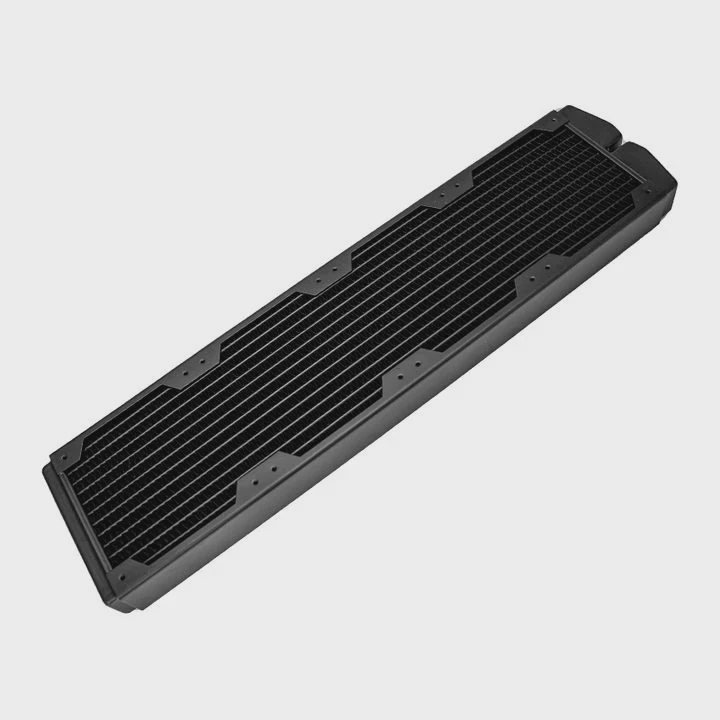
Modern Safety Innovations
Reinforced Tubing:
Most AIOs now use multi-layer rubber or Teflon tubing that resists pressure and temperature deformation.Leak-Proof Fittings:
Quick-lock and compression fittings create airtight seals that stay secure under vibration.Smart Sensors:
Some premium coolers have sensors that monitor coolant pressure and flow rate. If irregularities occur, the system can automatically throttle down the CPU or shut off.Non-Conductive Coolants:
Advanced formulas prevent electrical shorts even if leaks occur. Many AIOs use glycol-based, corrosion-resistant fluids.Integrated Safety Circuits:
Newer motherboards detect abnormal pump speeds or temperature spikes and trigger emergency shutdowns.
Technology Evolution Timeline
| Generation | Key Safety Feature | Impact |
|---|---|---|
| 2010–2015 | Sealed AIO Design | Reduced user maintenance |
| 2016–2019 | Reinforced Tubing | Prevented cracking and leakage |
| 2020–2023 | Smart Pumps and Sensors | Enabled real-time leak monitoring |
| 2024–Present | Self-Protective Control Systems | Automatic safety responses |
The Future of Leak Safety
The next wave of AIOs will likely feature self-healing coatings and AI-based diagnostics that detect microleaks before they become visible. Some research prototypes already use vapor-sealing compounds that automatically close tiny cracks.
These innovations make liquid cooling safer than ever — even for users who have never handled liquid hardware before.
Conclusion
While liquid cooling can technically leak, modern systems make the risk extremely low. With proper installation, regular inspection, and the latest safety features, liquid cooling remains one of the most efficient, quiet, and reliable ways to cool high-performance PCs.
TAGS
Latest Articles

Volume discount levels for heat sink orders?
Buyers often ask when heat sink prices start to drop with volume. Many worry they’re overpaying for small orders. This guide explains how B2B volume pricing works for thermal components. Heat sink
21 Dec,2025
Heat sink long-term supply contract options?
Many buyers want stable pricing and reliable delivery for heat sinks. But without a clear contract, risks grow over time. This article explores how to secure better long-term supply deals. Long-term
21 Dec,2025
Tooling cost for new heat sink profiles?
Many engineers struggle to understand why tooling for custom heat sinks costs so much. They worry about budgeting and production timelines. This article breaks down the cost drivers behind tooling.
21 Dec,2025
Heat sink custom sample process steps?
Sometimes, starting a custom heat sink project feels overwhelming—too many steps, too many unknowns, and too many risks. You want a sample, but not endless delays. The process for requesting and
20 Dec,2025
Standard B2B terms for heat sink payments?
When buyers and sellers in B2B heat sink markets talk about payment, many don’t fully understand what’s standard. This can lead to delayed orders, miscommunication, and even lost business
20 Dec,2025
Heat sink pricing factors for large orders?
Heat sinks are vital for many systems. When prices rise, projects stall and budgets break. This problem can hit teams hard without warning. Large order heat sink pricing depends on many factors. You
20 Dec,2025Related Articles
- How CPU liquid cooler works?
- What does liquid cooled engine mean?
- What is liquid cooling system?
- Is air cooling or liquid cooling better?
- How Expensive Is Liquid Cooling?
- How to set up a liquid cooler?
- Does 5800X need liquid cooling?
- How does a liquid cooler work?
- How to upgrade to liquid cooling?
- Is 240mm liquid cooling enough?
- Does Liquid Cooling Require Maintenance?
- Is liquid cooling silent?
Author
Dr. Emily Chen
Chief AI Researcher
Leading expert in thermal dynamics and AI optimization with over 15 years of experience in data center efficiency research.
Categories
Latest Products






Recommend Categories
- Liquid cooling plate Manufacturer
- Industrial Heat Sink Manufacturer
- Standard Heat Sink Manufacturer
- Aluminum Heat Sink Manufacturer
- Copper Heat Sink Manufacturer
- Anodized Heatsink Manufacturer
- Stamping heat sink Manufacturer
- Die Casting Heatsink Manufacturer
- Soldering heat sink Manufacturer
- CNC Parts Manufacturer
Latest Products
- Wholesale Aluminum Radiator
- Water Cooling Plate Kit
- Water Cooling Heat Sink
- Water Cooling Heat Sink Kit
- Stainless Steel Water Distributor
- Server Water Cooling Plate Kit
- Server Liquid Cooling System
- Server Aluminum Cooling Kit
- S19 Full Cover Cooling Plate
- S19 Cooling Plate Kit
- S19 Aluminum Cooling Plate
Contact Expert
Have questions about this article? Reach out to our experts directly.